
Learn How to Grow Your Own Birdseeds


Feeding birds can quickly become an expensive habit, especially if you enjoy attracting wildlife to your yard or caring for pet birds. A simple and rewarding alternative is to cultivate seed-producing plants, creating a sustainable food source that benefits both your feathered friends and your outdoor space.
This approach not only cuts costs but also provides a natural way to support local bird populations. By planting flowers and crops that produce seeds, you’ll create a garden buzzing with activity and ensure your feathered visitors have food year-round.
Plants That Keep Birds Coming Back
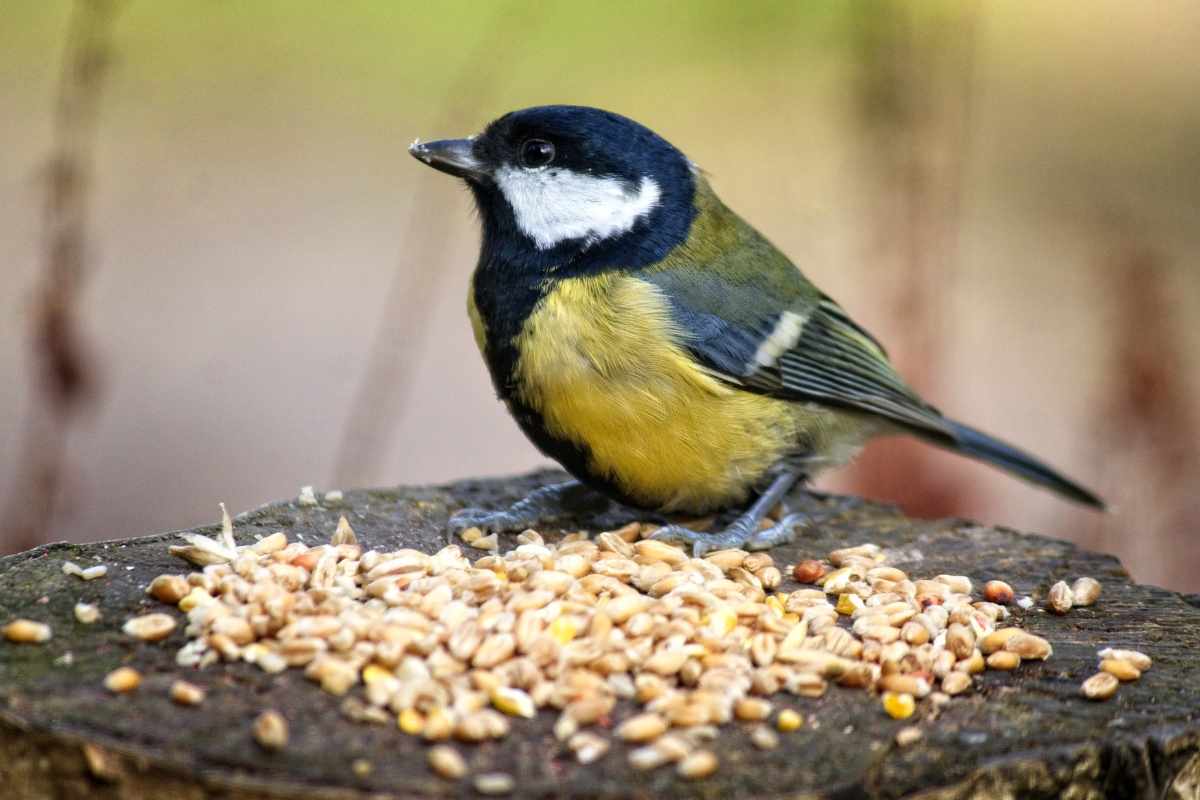
Certain plants are particularly appealing to birds, offering seeds, leaves, and even shelter. Sunflowers, millet, and quinoa are excellent choices, producing an abundance of seeds that are both easy to harvest and highly nutritious. These resilient plants thrive in various conditions, making them perfect for gardeners at any experience level.
Herbs like fennel and dill are another great option. Their seeds attract smaller birds while their feathery foliage adds beauty and diversity to your landscape. Native grasses such as switchgrass or bluestem can also contribute to a more natural garden design while doubling as a reliable food source. Including a variety of seed-bearing plants will ensure your garden caters to many bird species.
Making the Most of Your Seed Harvest
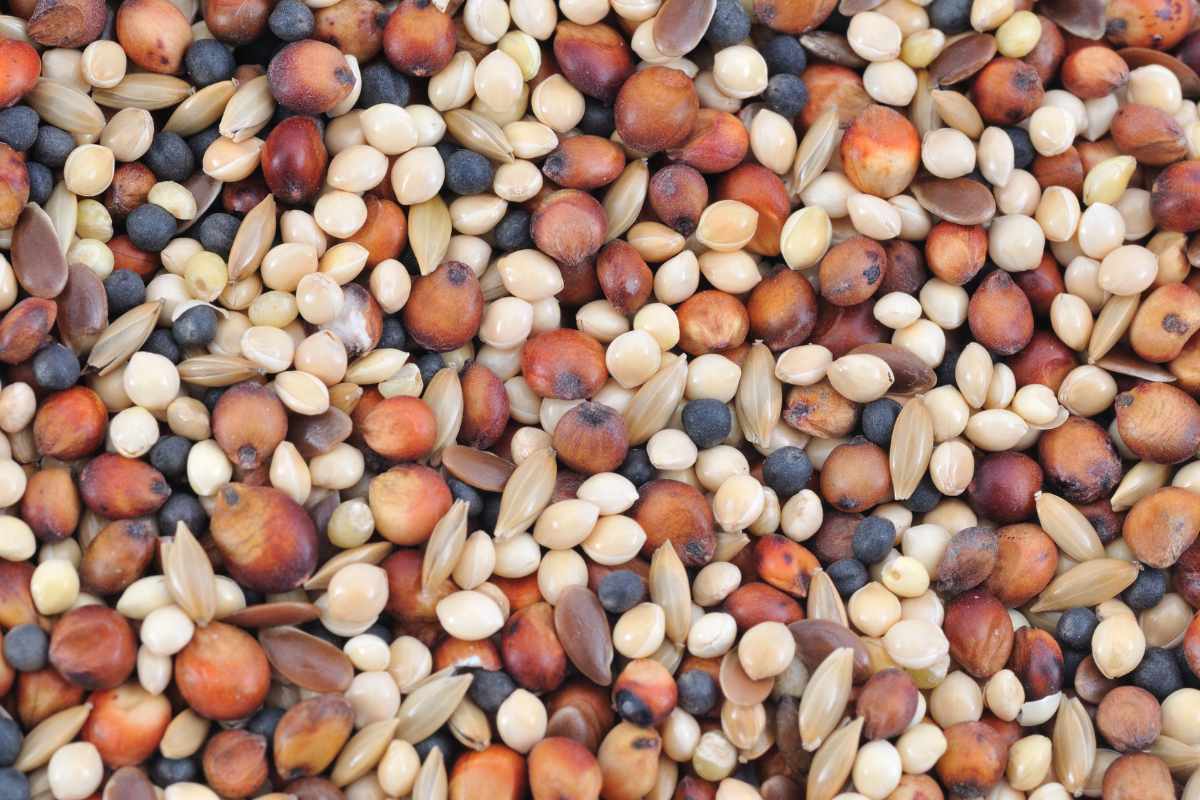
When your plants are in bloom and their seeds are ripe, it’s time to harvest. Allow the seed heads to dry on the plant, then collect them gently for storage. These seeds can be offered directly to birds or planted again next season to continue the cycle.
If you’re growing seeds specifically for pet birds, they’ll love the fresh, green variety. Offer the seeds while they’re still tender, along with soft leaves. Parakeets, parrots, and other small birds enjoy this fresh treat, which adds variety to their diet and keeps them active.
Turning Your Garden Into a Bird Haven
Creating a welcoming environment is essential for attracting birds to your garden. Incorporating a water feature, such as a birdbath or small fountain, will provide hydration and enhance the peaceful ambiance of your space. Adding shrubs or nesting boxes will give birds a safe place to rest and stay longer.
It’s also important to avoid using pesticides or harmful chemicals in your garden. A natural, toxin-free environment allows birds to enjoy the seeds and plants you’ve cultivated without risk. By creating a safe space, you’ll encourage them to return again and again.
Enjoying the Benefits of a Bird-Friendly Garden
Seed-producing plants do more than just feed wildlife—they also enhance the beauty of your garden. Their colorful blooms and unique textures can elevate the look of your outdoor space, making it more enjoyable for you as well.
Birds, in turn, help maintain your garden’s balance. Many species consume insects, acting as natural pest control to keep your plants healthy. Watching them flit from plant to plant, chirping, and singing, is a delight that enriches any gardener’s experience.
Moreover, creating a space where birds can thrive connects you with nature on a deeper level. It’s not just about providing food—it’s about fostering a harmonious environment where plants and wildlife coexist beautifully.
A Sustainable Solution
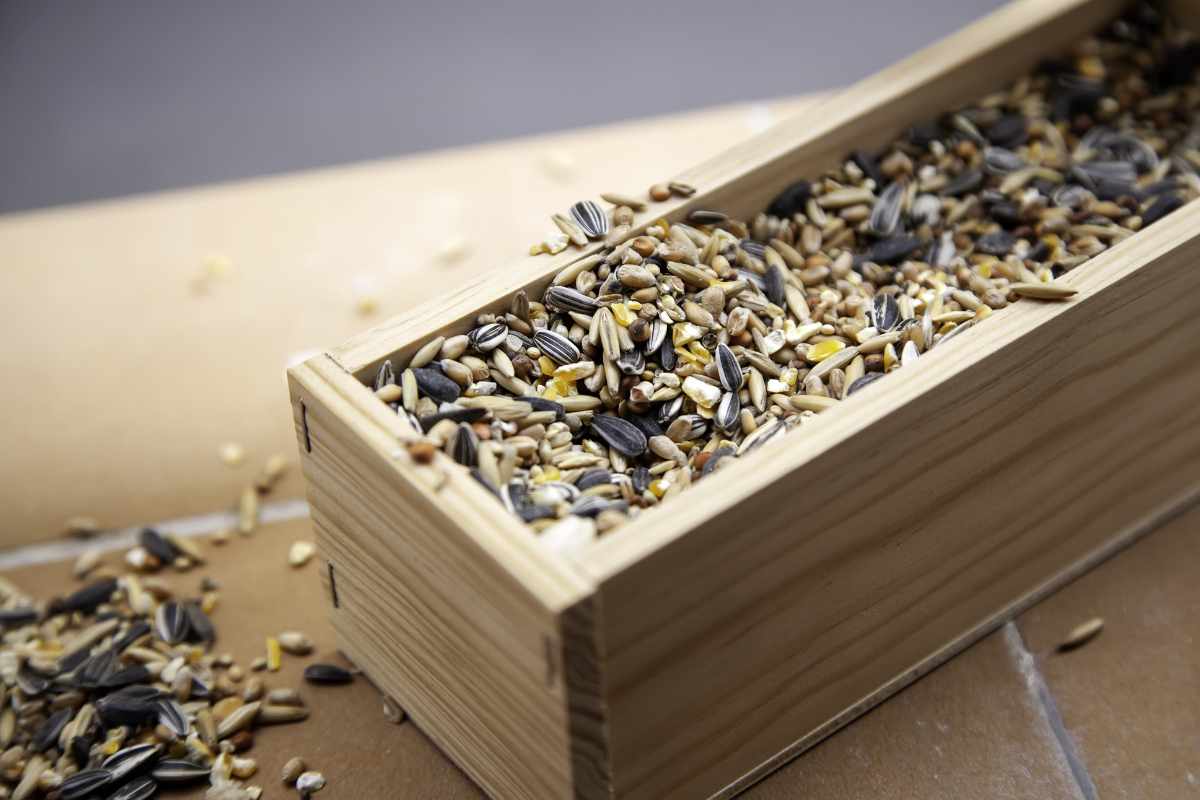
Opting to grow plants for birdseed is a simple but impactful step toward sustainability. This practice reduces the need for store-bought products and their excess packaging while offering a renewable source of nourishment for your garden visitors.
It’s also an excellent opportunity to involve the whole family in gardening. Teaching children to plant seeds or observe the birds enjoying their meal can inspire curiosity about the natural world and the importance of conservation.
Growing seed-producing plants brings numerous rewards, whether you’re feeding wild birds or caring for pets. Start small, experiment with different types, and enjoy watching your garden flourish with life and activity.
We hope you enjoy this video
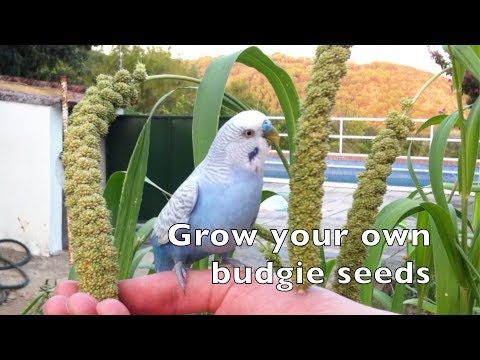
Source: hordygurdy
Did you find this post Useful or Inspiring? Save THIS PIN to your GARDENING Board on Pinterest! 

Once again, thank you for visiting our website!
We hope you've enjoyed exploring the content we've created for you.
Give yourself the chance to learn, get inspired, and have even more fun, keep browsing...
More Gardening Tips 👇🏼👇🏼