
- Urbaki Gardening
- Planting Flowers
- Anemone Flower Guide: From Planting to Blooming Success
Anemone Flower Guide: From Planting to Blooming Success

Emily Brooks
15/07/2025 · Updated on: 04/02/2026
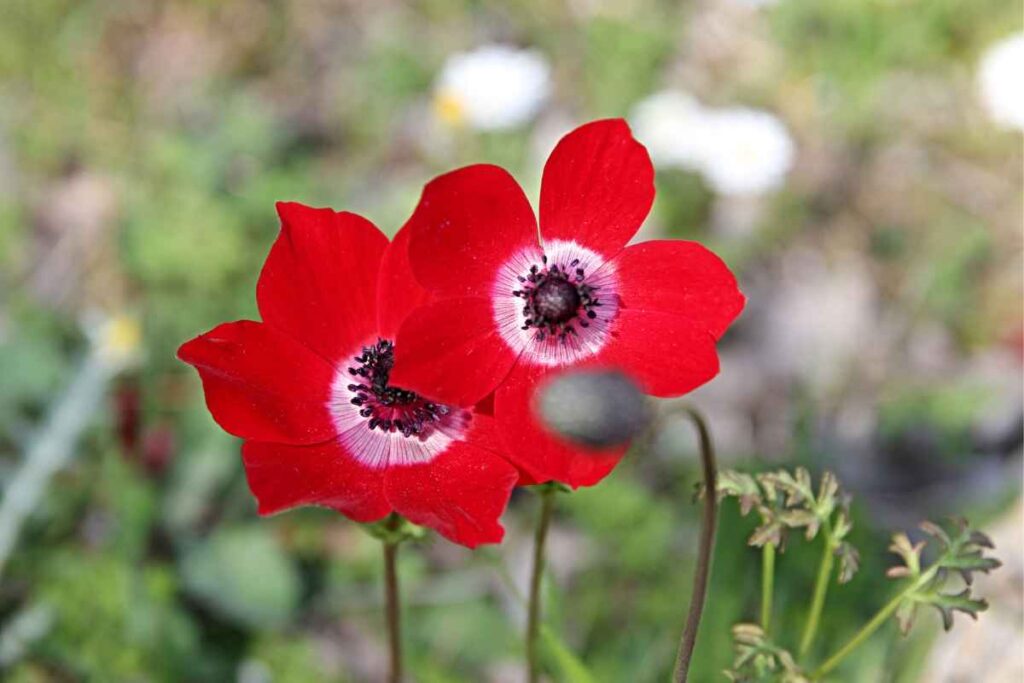
Anemones are among the most stunning flowers you can add to your garden. Known for their vibrant colors and striking petals, anemone flowers are perfect for creating a bold, eye-catching display in any landscape.
Whether you’re a seasoned gardener or just starting out, growing anemones can be a rewarding experience.
In this guide, we’ll walk you through everything you need to know about planting, caring for, and successfully growing anemones, from their initial planting to their breathtaking blooms.
What Are Anemones?
Anemone flowers belong to the Ranunculaceae family and are typically known for their vibrant, colorful blossoms that resemble poppies or daisies.
They come in a range of colors, including red, white, purple, blue, and pink. Anemones can be found in both perennial and annual varieties, with different species offering unique bloom periods and growth habits.
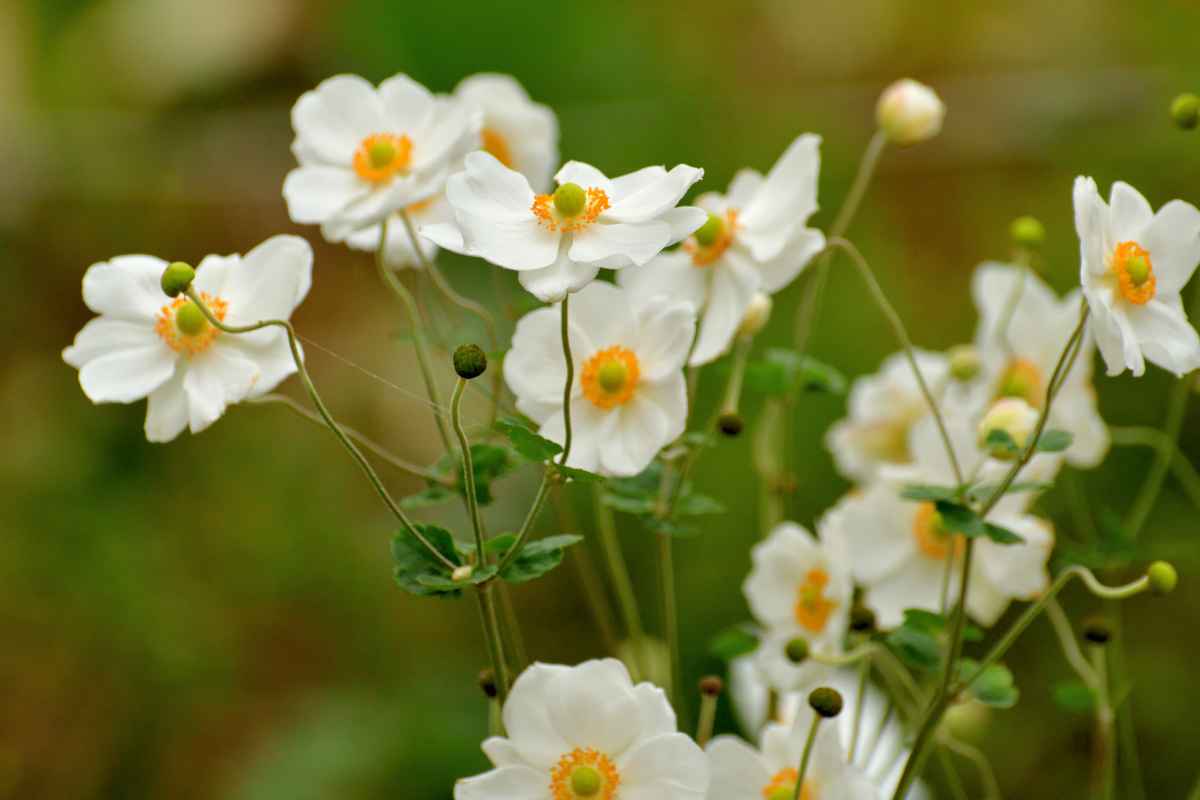
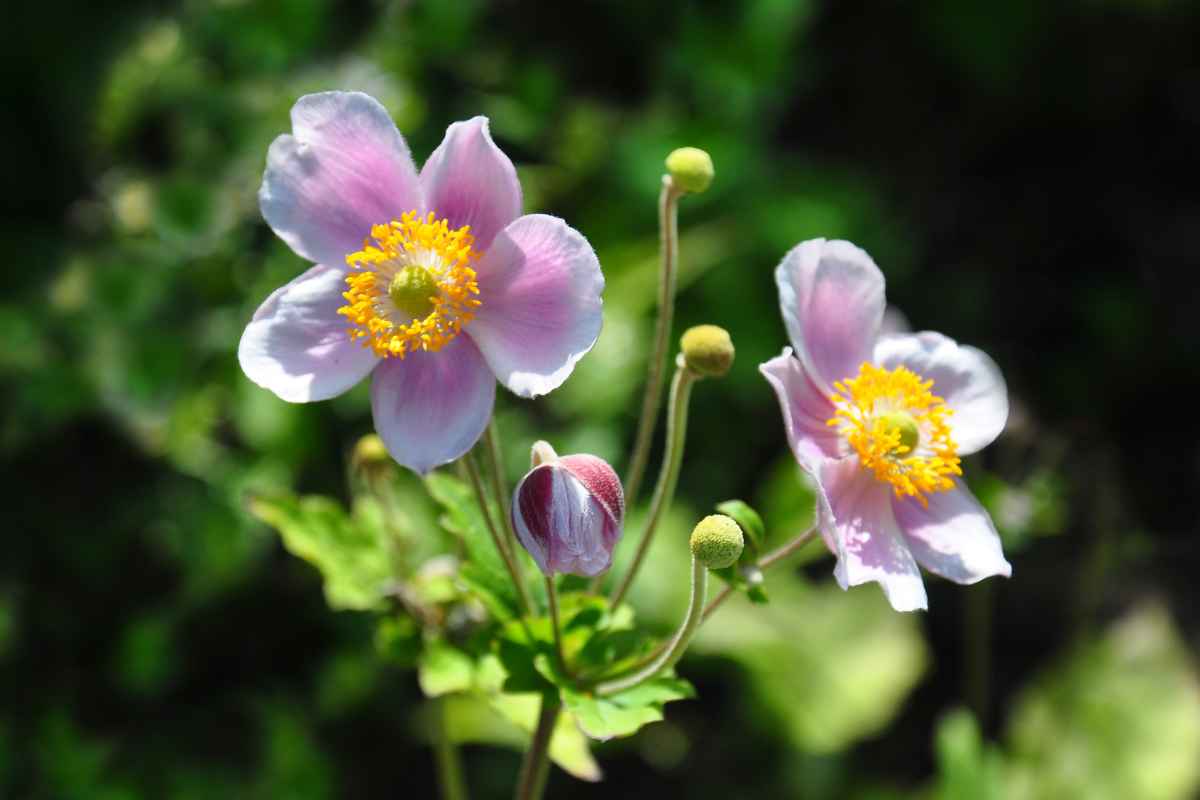
Some of the most common types are the spring-blooming anemones, like Anemone blanda (greek anemone) and Anemone coronaria (poppy anemone), and the fall-blooming anemones, such as Anemone hupehensis (Japanese anemone).
Choosing the Right Anemone Variety
When selecting an anemone variety, consider your climate and the time of year you want them to bloom. There are two main types of anemones: spring-blooming and fall-blooming.
Spring-blooming anemones typically flower in early spring, providing vibrant color just when your garden needs it most. Anemone blanda, for example, blooms in shades of blue, purple, and white, and is a fantastic choice for ground cover or rock gardens.
Fall-blooming anemones, like Japanese anemone, bloom in late summer or fall, offering color when many other plants are winding down. These anemones have a slightly different growth habit, often reaching a height of 3-4 feet, making them great for the back of garden borders.
Both types are beautiful and can be planted in similar conditions, but your climate and the desired blooming time will determine the best option for you.
When and Where to Plant Anemones
Anemones are versatile and can grow in a variety of settings, but it’s important to choose the right location and planting time for the best results.
Best Time to Plant Anemones
The timing of your planting will depend on the type of anemone you’re growing:
Spring-blooming anemones are typically planted in fall or early winter, before the first frost. The tubers should be planted in well-drained soil and will remain dormant over the winter months, ready to sprout in spring.
Fall-blooming anemones are usually planted in early spring when the risk of frost has passed. These plants can be grown from roots or established plants, and they typically take a season to establish before blooming in late summer or fall.
Choosing the Right Location
Anemones prefer a well-drained soil with a slightly acidic to neutral pH. They thrive in full sun to partial shade—the more sun they receive, the more flowers they’ll produce. However, anemones can tolerate a bit of shade, especially in hotter climates, where afternoon sun can be too intense.
It’s important to note that anemones do not like wet feet (meaning overly saturated soil), so ensure the site you choose has good drainage. If you have clay-heavy soil, consider amending it with compost to improve the drainage.
How to Plant Anemones
Planting anemone tubers requires careful preparation to ensure a healthy, thriving plant. Here’s a step-by-step guide to planting your anemones:
Step 1: Prepare the Soil
Before planting, make sure the soil is loose and well-draining. Incorporate organic matter, like compost, into the soil to improve fertility and drainage. Anemones prefer soil that is rich in nutrients but not overly wet.
Step 2: Soak the Tubers
Soaking anemone tubers for a few hours in warm water before planting can help rehydrate them and promote better growth. This step is especially important for spring-blooming anemones that are dormant during the winter months.
Step 3: Plant the Tubers
Plant the tubers about 2-3 inches deep and space them about 6-8 inches apart. The tubers should be placed with the bumpy side facing down, as this is where the roots will emerge. Ensure the soil is firm around the tubers to eliminate air pockets that could interfere with root growth.
Step 4: Water Well
After planting, water the tubers thoroughly to help settle the soil. However, be careful not to overwater, as anemones prefer well-drained soil and can suffer from root rot if left in standing water.
Caring for Anemones: From Growth to Blooming
Once your anemones are planted, the key to their success lies in proper care throughout the growing season.
Watering
Anemones like moderate moisture, and it’s essential to keep the soil evenly moist, especially during the growing season.
However, it’s important not to let the soil stay too wet. Water deeply to encourage root growth, but allow the soil to dry out slightly between waterings.
During hot, dry periods, anemones may need more frequent watering, but always check the soil moisture before adding more water.
Fertilizing
Fertilizing your anemones can help promote healthy growth and vibrant blooms. A balanced, slow-release fertilizer is ideal for anemones.
Apply fertilizer in the spring as the plant begins to grow, but avoid fertilizing too late in the season, as this can cause the plant to produce lush foliage at the expense of blooms.
Staking and Support
While most anemones are relatively low-maintenance, taller varieties, such as the Japanese anemone, may need support. Use stakes or plant supports to prevent the plants from toppling over in the wind, especially when they’re in full bloom.
Deadheading and Pruning
Deadheading is the process of removing spent flowers to encourage further blooming and to prevent the plant from wasting energy on producing seeds.
For spring-blooming anemones, deadheading can also help tidy up the garden as the flowers fade. After the growing season, cut back any spent foliage to tidy the plant.
Common Pests and Diseases
While anemones are relatively hardy, they can still be susceptible to certain pests and diseases. Here are a few issues to watch out for:
Aphids: Small, green insects that can damage plant tissue. Use insecticidal soap or a strong jet of water to remove them.
Slugs and Snails: These pests love to munch on tender anemone leaves. Use organic slug repellents or create barriers to keep them away.
Powdery Mildew: This fungal disease can affect anemones if the plants are kept in overly humid conditions. Ensure proper spacing between plants for good air circulation.
Enjoying the Blooms
After several weeks or months of proper care, your anemones will reward you with their stunning blooms.
Depending on the variety, you’ll enjoy a breathtaking display of vibrant colors that can range from bold reds and purples to soft pastels.
Some varieties, like the Japanese anemone, will continue blooming well into fall, providing long-lasting color.
How to Cut Anemones for Bouquets
Anemones make for fantastic cut flowers. To cut them, use a sharp pair of scissors or pruners, cutting at an angle just above the soil.
Place the stems in water immediately to keep them fresh. For the longest-lasting blooms, keep them in a cool spot and change the water regularly.

Anemones Are Worth the Effort
With their striking, colorful blooms and the right care, anemones can be a show-stopping addition to any garden.
By understanding their planting needs, caring for them properly, and addressing common challenges, you’ll be well on your way to enjoying a beautiful anemone display.
Whether you’re planting spring or fall-blooming varieties, the effort you put into growing these flowers will pay off with a stunning garden filled with vibrant colors and natural beauty. Happy planting!
Emily Brooks
I’m Emily, a lifelong nature lover with dirt on my boots and a passion for all things green. I don’t claim to be a botanist; I’m just an enthusiast who believes that every backyard—no matter how small—can become a sanctuary. After years of trial and error (and more than a few wilted ferns), I’m sharing my honest journey of growing flowers and veggies. Let's learn from the seasons and grow something beautiful together!
More Gardening Tips 👇🏼👇🏼