
Toad Lily (Tricyrtis): Grow Exotic Flowers in the Shade

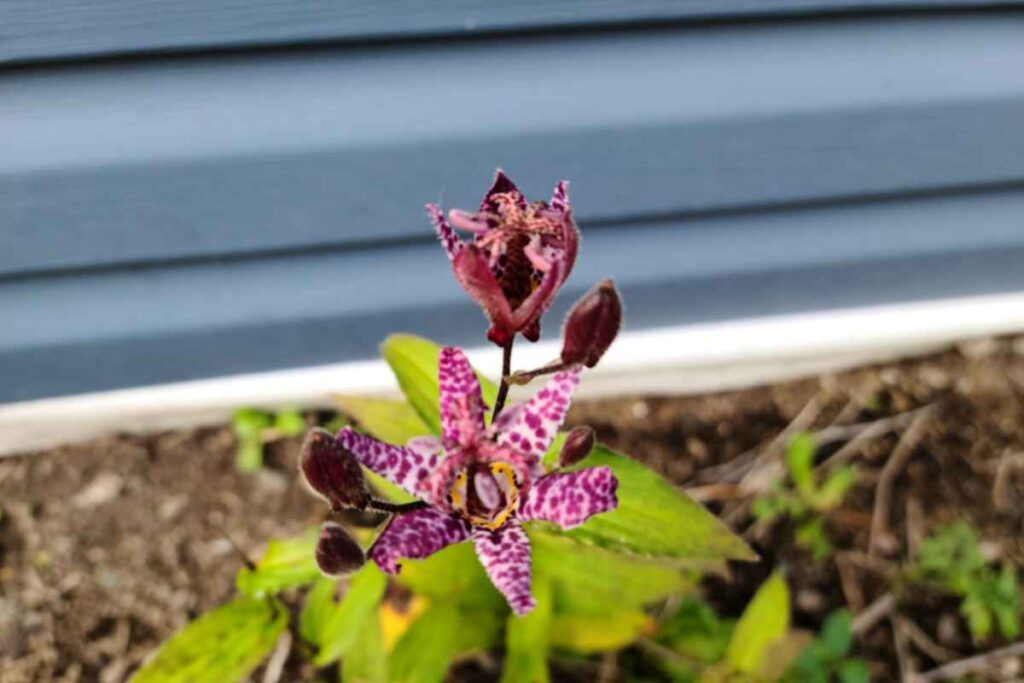
When we think of exotic flowers, we often imagine vibrant blooms basking in full sun. But some of the most unique and captivating flowers thrive in shade—and Toad Lily (Tricyrtis) is a perfect example.
With its orchid-like blossoms and speckled petals, Toad Lily brings a touch of the tropics to the darker corners of the garden. It's the kind of plant that quietly steals the show, rewarding patience with late-season beauty when most other perennials have faded.
If you're looking for an unusual flowering plant that does well in shade and adds visual intrigue, Tricyrtis might just be the hidden gem you need.
Meet the Toad Lily: A Shade Garden Star
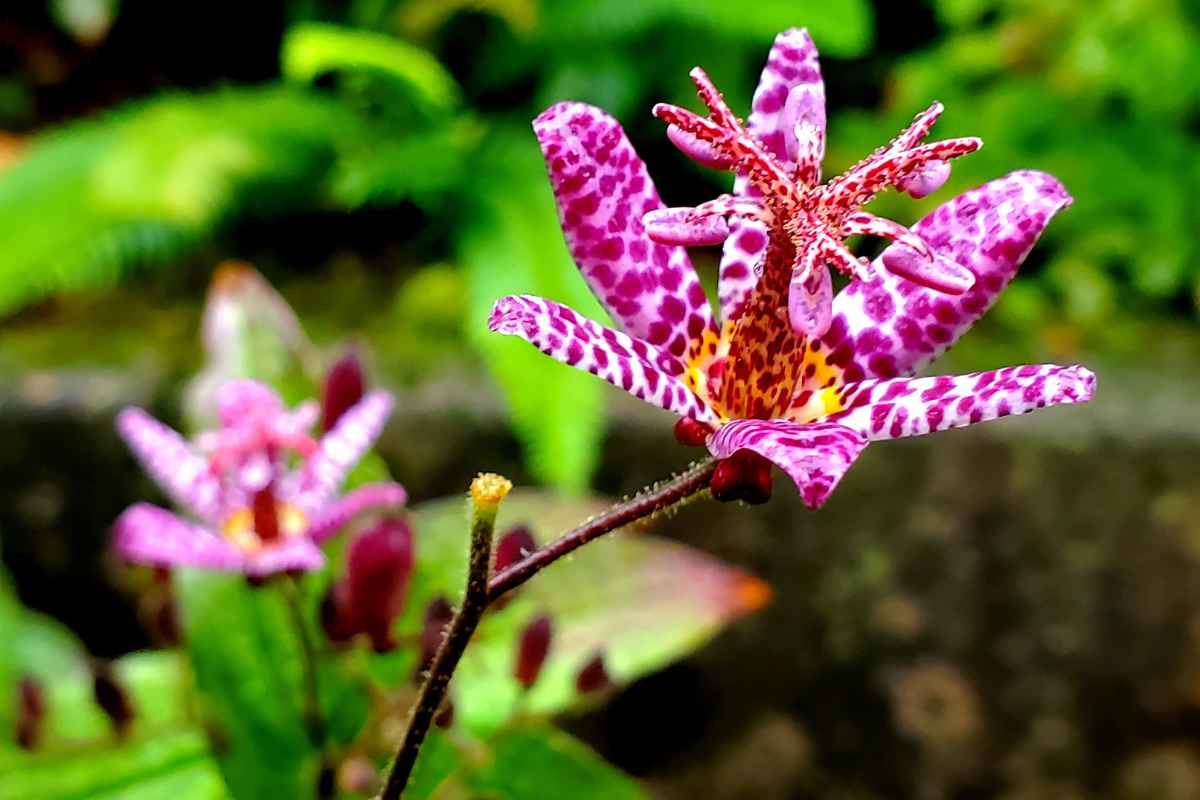
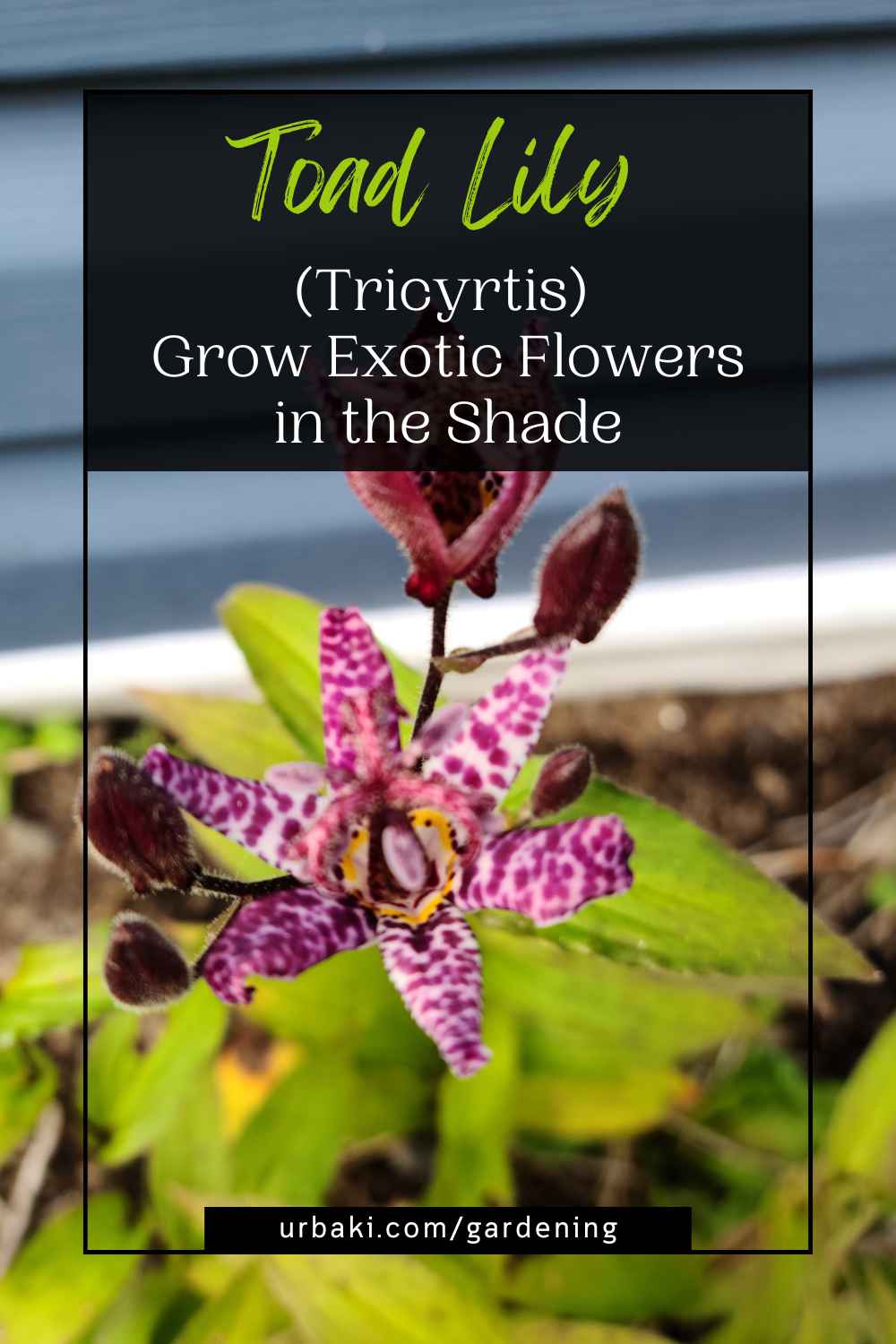
Tricyrtis, commonly known as Toad Lily, is a hardy perennial native to woodland regions of East Asia, including Japan, China, and the Himalayas. These plants are part of the lily family but don’t resemble typical lilies. Instead, they produce small, star-shaped blooms covered in intricate spots, often in shades of purple, lavender, pink, or white.
Toad Lilies bloom in late summer to early fall, offering color and texture just when many other shade-loving plants have stopped flowering. They bring an element of surprise and elegance to shaded beds, borders, and woodland gardens.
Why Gardeners Love Tricyrtis
There are many reasons why Toad Lilies have become a favorite among seasoned gardeners, especially those working with low-light areas.
Exotic Appearance
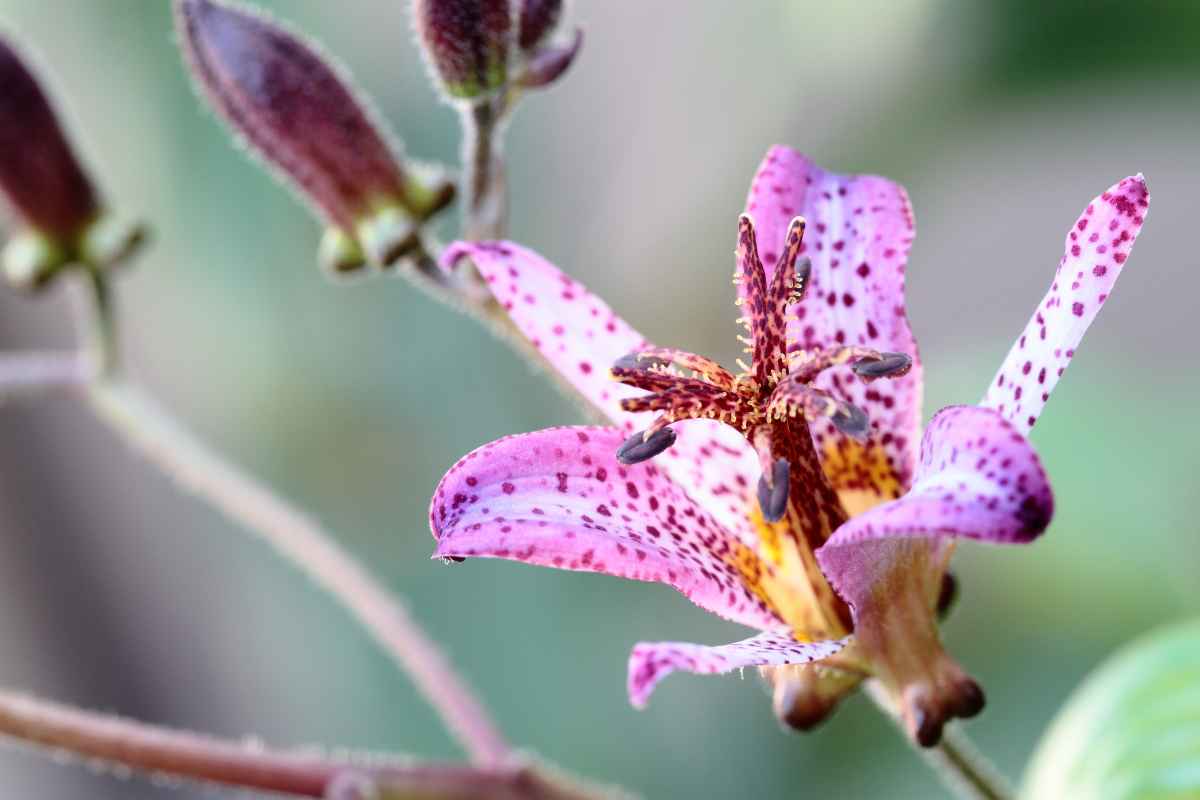
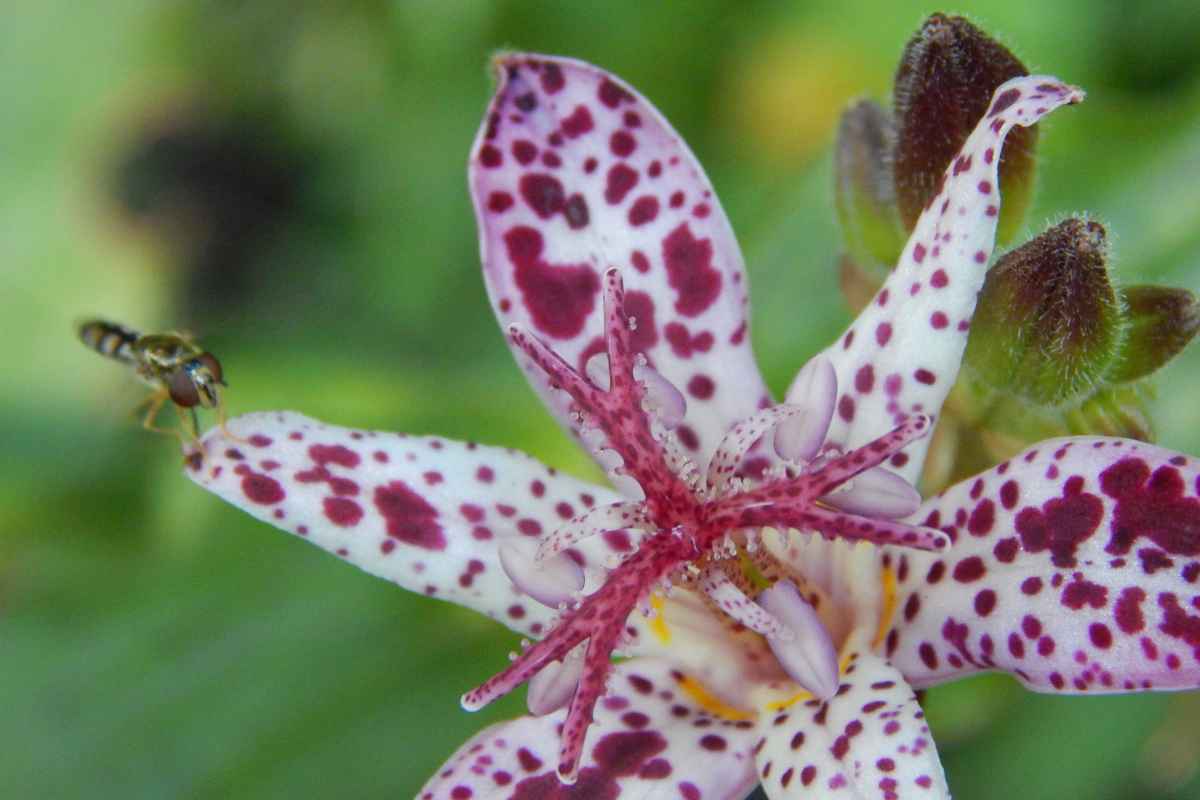
Toad Lily flowers resemble miniature orchids with delicate, arching stems and intricate petal patterns. This makes them excellent for adding refined detail and contrast to the garden.
Shade Tolerance
Unlike many blooming perennials, Toad Lilies actually prefer partial to full shade, making them ideal for woodland gardens, under trees, or shaded north-facing beds.
Late-Season Blooms
Tricyrtis flowers appear when summer bloomers begin to fade, giving your garden a second wave of interest into autumn.
Low Maintenance
Once established, Toad Lilies are easy to care for. They don’t require frequent pruning or deadheading, and they’re generally resistant to pests and diseases.
Choosing the Right Variety
There are several Toad Lily species and cultivars, each offering slightly different growth habits and bloom colors. Here are a few favorites to consider:
Tricyrtis hirta
This is the most common species, featuring hairy stems and purple-speckled white flowers. It grows up to 2–3 feet tall and spreads nicely over time.
Tricyrtis formosana
Known for its upright growth and slightly larger flowers, this variety has bold purple spots on a light background and thrives in rich, moist soil.
Tricyrtis latifolia
Less common but striking, this species features yellow flowers with maroon spotting. It’s great for adding a warm tone to shady gardens.
Cultivars like 'Miyazaki', 'Sinonome', or 'Tojen'
These offer compact growth, softer tones, or unique flower forms, perfect for smaller spaces or more controlled designs.
How to Plant and Grow Toad Lilies
Although they may look delicate, Toad Lilies are surprisingly hardy and adaptable, especially when planted in the right environment.
Light and Location
Plant Tricyrtis in partial to full shade. Dappled light beneath trees or beside buildings is ideal. They can tolerate morning sun if the soil stays moist.
Soil Preferences
These plants prefer rich, well-drained soil with plenty of organic matter. A slightly acidic to neutral pH works best. Consistently moist—but not soggy—conditions will encourage healthy growth.
Spacing and Planting
Space plants about 12 to 18 inches apart to allow room for air circulation and spread. Plant them in spring or early fall so they have time to establish roots before blooming.
Watering and Mulching
Keep soil evenly moist, especially during dry spells. A layer of organic mulch will help retain moisture and keep the root zone cool.
Maintenance Tips
Toad Lilies don’t need much attention once they’re settled in, but a few simple practices will help them thrive.
Mulch in Winter
While most varieties are hardy in zones 4–9, applying mulch after the first frost helps protect the roots from freeze-thaw cycles, especially in colder climates.
Minimal Pruning
You don’t need to deadhead Tricyrtis. Let the flowers fade naturally; they often develop attractive seed heads. In late fall, cut back the dead stems to prepare for the next growing season.
Dividing and Propagation
Every few years, divide clumps in early spring to rejuvenate plants and encourage more blooms. Tricyrtis can also be propagated by stem cuttings or seed, although division is the most reliable method.
Companion Plants for a Shady Masterpiece
Toad Lilies pair beautifully with other shade-tolerant perennials, especially those with contrasting textures and bloom times.
Consider planting them alongside:
Hostas for bold foliage contrast
Ferns for a lush, woodland feel
Astilbe or Heuchera for early-season color
Japanese Forest Grass (Hakonechloa) for a soft, flowing backdrop
These companions create layered, dynamic plantings that provide interest throughout the growing season.
Using Toad Lilies in the Landscape
Toad Lilies shine in settings that value subtle beauty and close-up detail. Their intricate blooms reward those who take the time to look closely.
Use them in:
Shaded borders where their upright form adds vertical interest
Woodland gardens for a naturalistic and serene atmosphere
Containers in shaded patios or porches for up-close appreciation
Cut flower arrangements, as their stems last surprisingly well in vases
A Final Word on This Underrated Beauty
Toad Lily may not be the first plant that comes to mind for your garden, but once you’ve grown it, it’s hard to forget. With its mesmerizing flowers, late-season charm, and love for shade, Tricyrtis is a truly rewarding addition for gardeners looking to add exotic flair without demanding conditions.
Perfect for both experienced gardeners and curious beginners, Toad Lilies prove that even in the shadows, beauty can flourish with grace and strength. So if you’re seeking something unexpected, something that blooms when the rest of the garden quiets down, let Tricyrtis be your secret showstopper.
Did you find this post useful or inspiring? Save THIS PIN to your GARDEN Board on Pinterest!
More Gardening Tips 👇🏼👇🏼