
Indoor Staircase Gardens: Creative Ways to Turn Your Stairs Into a Green Space

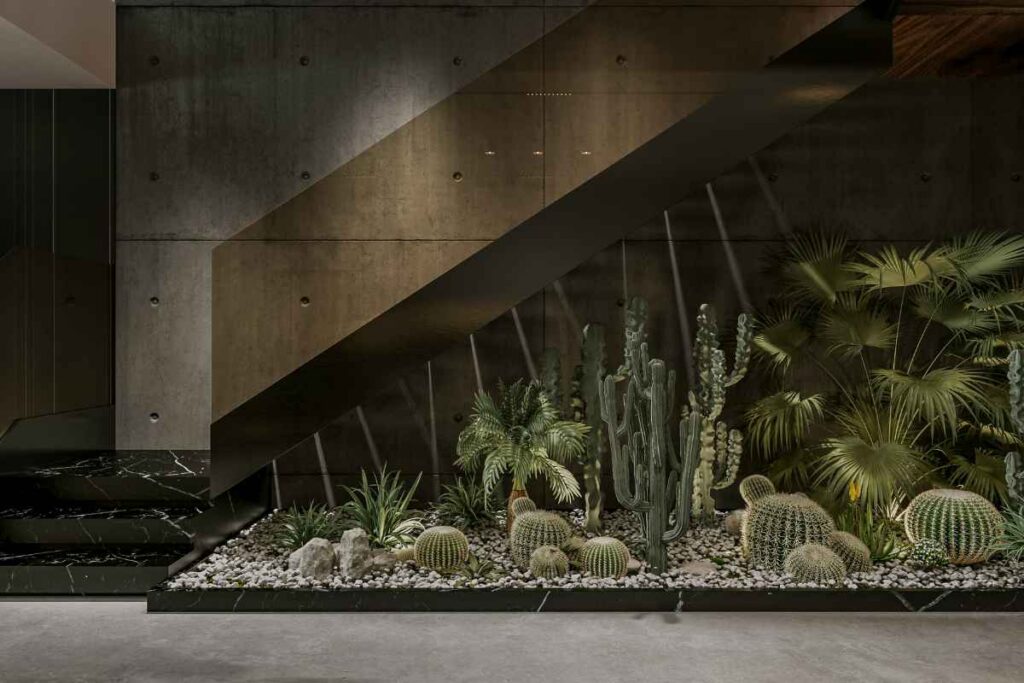
Staircases are often treated as purely functional spaces, but they can also become one of the most interesting places to display plants. Indoor staircase gardens use steps, landings, walls, and nearby corners to bring greenery into an area that might otherwise feel empty or overlooked.
Whether you have a wide staircase with a sunny landing or a compact set of stairs with just a little usable space, the right plants and containers can make a noticeable difference. The key is creating a display that looks intentional while keeping the staircase comfortable and safe to use.
Below, you’ll find practical ideas for choosing plants, arranging them around your stairs, working with different light conditions, and avoiding common mistakes.
Why Indoor Staircase Gardens Work So Well
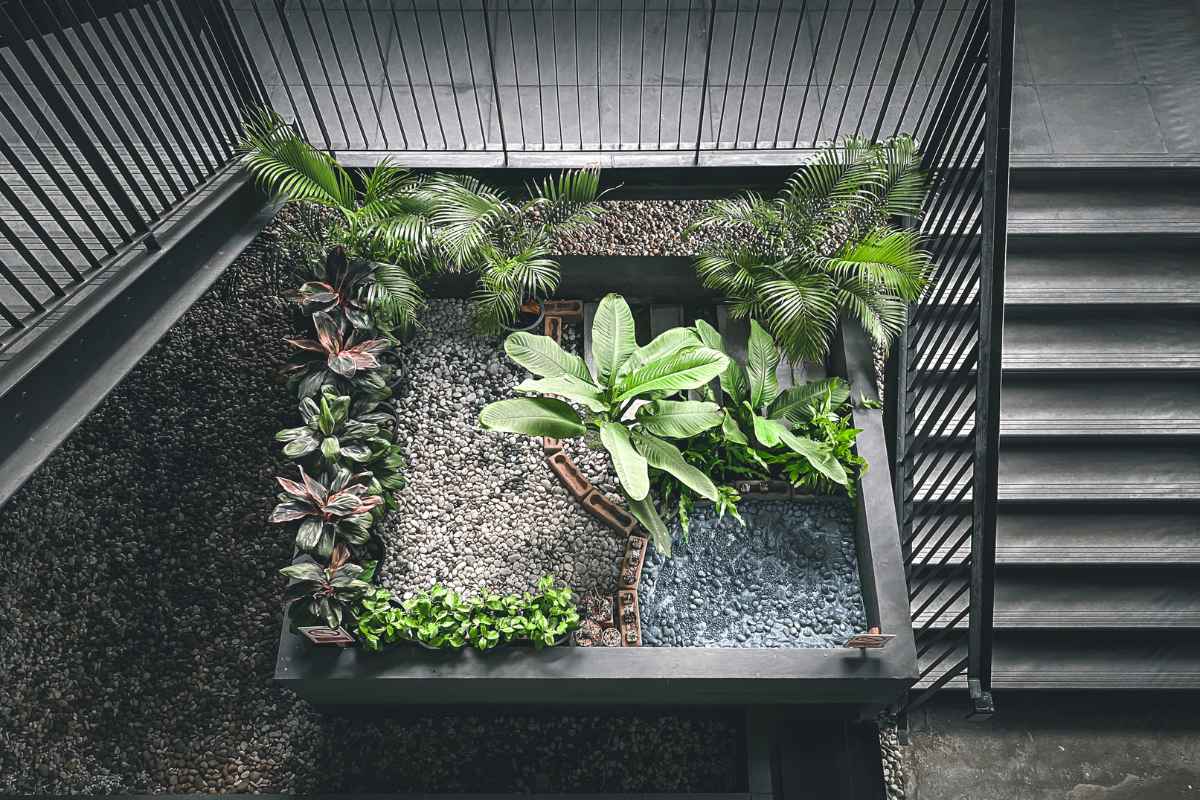
A staircase naturally creates different heights, which is exactly what makes it interesting for plants. Instead of arranging every pot on one flat surface, you can create layers of foliage that lead the eye upward.
This can work especially well in homes where floor space is limited. You may be able to use a landing, a wide windowsill, a wall beside the stairs, or an unused corner without sacrificing valuable living space.
Plants can also soften architectural features that otherwise feel hard or plain. Wood, painted walls, metal railings, and neutral staircases can all benefit from the color, texture, and organic shapes of foliage.
The goal isn't necessarily to cover the entire staircase in plants. Even a small, carefully planned collection can create the feeling of an indoor garden.
Choose the Best Plants for Your Staircase
Before choosing plants based on appearance, look closely at the conditions around your stairs.
Natural light is the biggest consideration. A staircase beside a large window offers very different growing conditions from an enclosed stairwell in the center of a home.
Spend a few days observing the space. Notice where sunlight falls and how that changes throughout the day.
For Bright Staircases
If your stairs receive plenty of bright light, you may have more options for creating a varied display.
Depending on the exact light exposure and each plant's needs, you might consider plants such as:
Remember that bright indirect light and direct sunlight are not the same thing. Check the requirements of each plant rather than assuming that every bright staircase will suit every sun-loving variety.
For Lower-Light Staircases
A staircase without direct sun doesn't automatically rule out plants. Some houseplants tolerate lower indoor light better than others.
Options to consider include:
- Pothos
- Snake plants
- ZZ plants
- Cast iron plants
- Heartleaf philodendrons
"Tolerates low light" does not mean "needs no light." If the stairwell is consistently very dark, plants may struggle without appropriate supplemental lighting.
Indoor Staircase Garden Ideas for Different Spaces
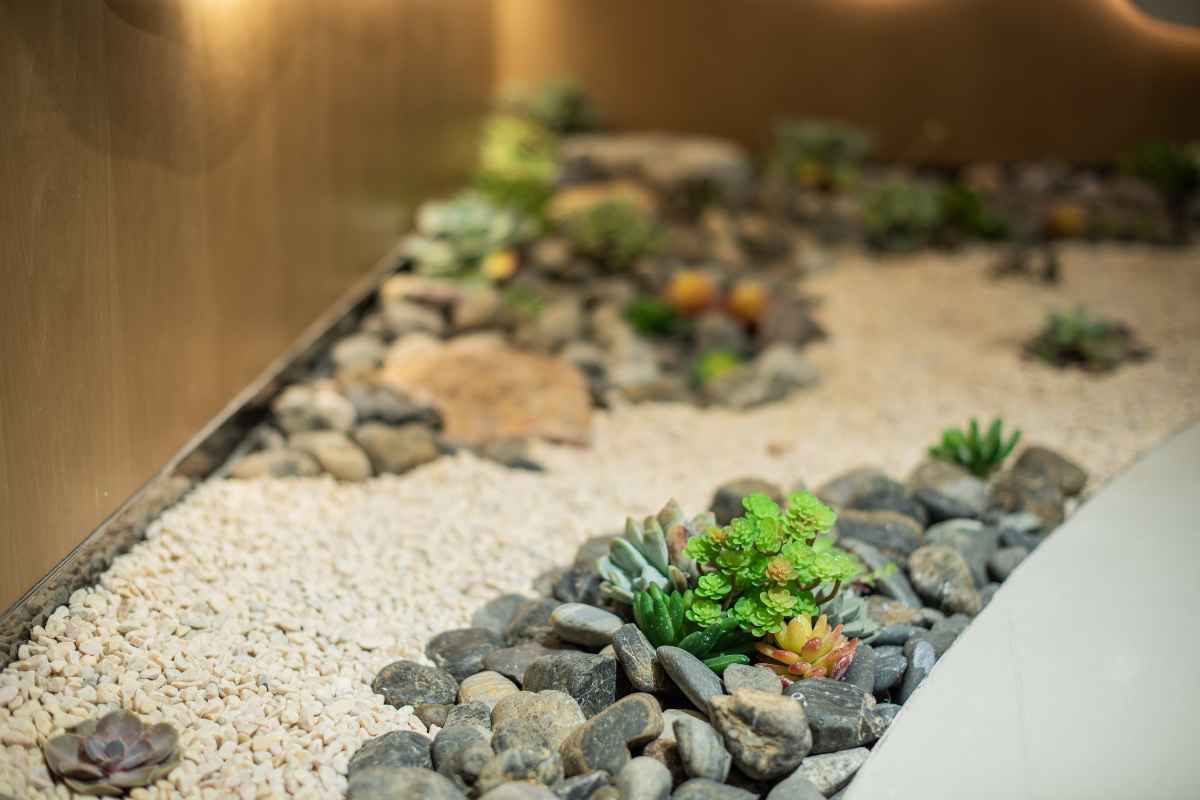
The best staircase plant display should complement the architecture of your home rather than make the stairs difficult to navigate.
There are several ways to introduce greenery without lining every step with pots.
Create a Stair Landing Plant Collection
A landing is often the easiest place to start.
Group several plants of different heights together instead of scattering small pots around the area. A taller floor plant can provide structure, while medium and smaller plants fill the space around it.
Try varying leaf shapes as well as plant heights. Combining broad foliage with finer or trailing leaves can make a small collection look much more layered.
Tip: Odd-numbered groupings can help a plant arrangement feel relaxed and natural rather than overly symmetrical.
Use Trailing Plants Along the Staircase
Trailing foliage is particularly useful when floor space is limited.
A pothos, heartleaf philodendron, or another suitable trailing houseplant can create movement beside the stairs when placed on a secure shelf, landing, or elevated planter.
Instead of letting vines hang into the walking area, guide them along a wall or position them where they won't interfere with people using the stairs.
This creates the lush look of an indoor stair garden without requiring a pot on every step.
Build a Vertical Garden Beside the Stairs
Look at the wall alongside your staircase as potential growing space.
Wall-mounted planters or secure plant shelves can transform an empty vertical surface into a living display. This approach is particularly useful for narrow staircases where placing containers on the steps isn't practical.
Keep the arrangement relatively simple. A few well-spaced plants often look more polished than a wall crowded with containers.
Before installing shelves or planters, make sure they are properly anchored and appropriate for the weight of pots, plants, and moist potting mix.
Turn a Staircase Window Into a Plant Zone
If your staircase has a window, make it the focal point of your indoor garden.
Plants can be arranged on a wide sill, on a secure stand near the landing, or on shelving positioned to take advantage of the available light.
Pay attention to temperature as well as sunlight. Plants sitting very close to glass may experience hot conditions during strong sun or colder temperatures during winter, depending on your climate and window.
Use the Space Under the Stairs
The area beneath a staircase can become an attractive plant display, especially when the architecture leaves an open nook.
Start by evaluating the available light. Because under-stair spaces are often shaded, plant selection matters.
You can create visual interest by combining pots at different heights using sturdy plant stands. If the space is too dark for the plants you want to grow, appropriate grow lights may make the area more practical.
This approach keeps the steps themselves completely clear while still giving you the look of a small indoor staircase garden.
How to Create an Indoor Staircase Garden
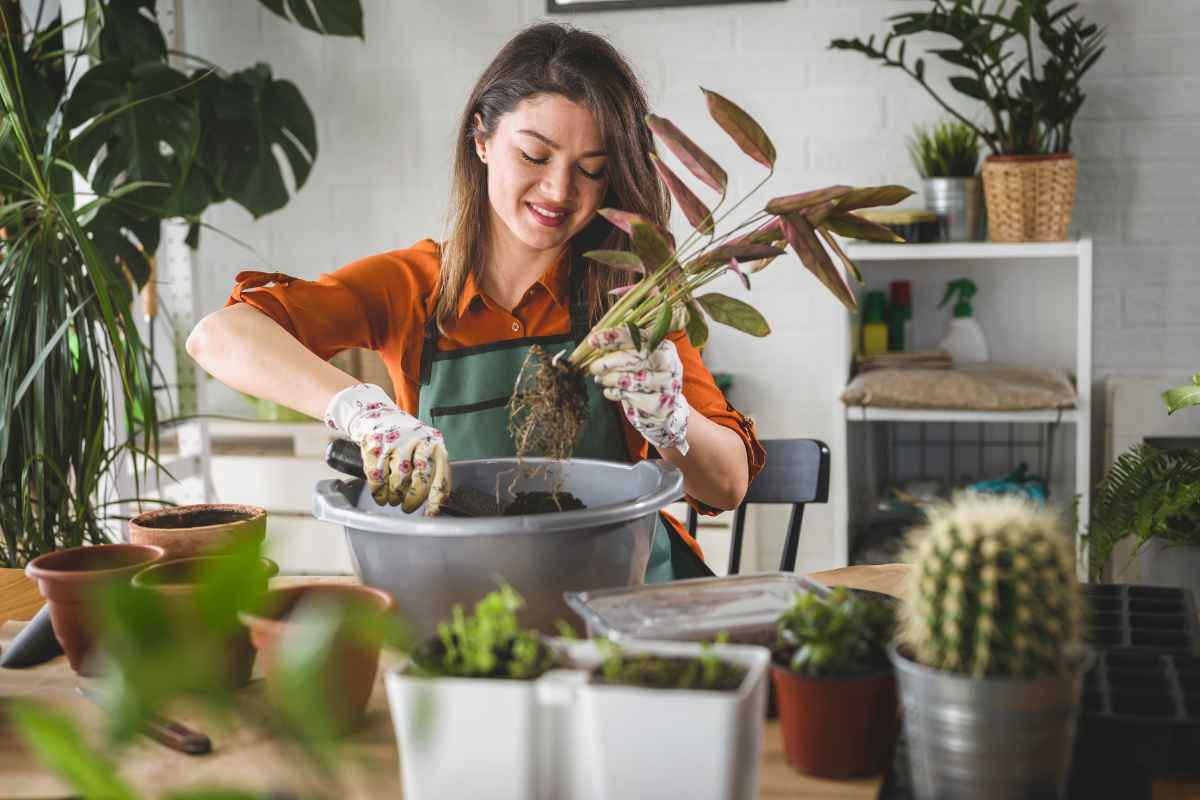
You don't need dozens of plants to get started. In fact, beginning with a small collection makes it easier to understand how plants respond to the space.
1. Check the Light
Observe your staircase in the morning, midday, and afternoon.
Determine which areas receive direct sunlight, bright indirect light, or relatively low light. Choose plants based on those actual conditions.
2. Identify Safe Display Areas
Look for landings, wide ledges, secure shelves, windowsills, and under-stair spaces.
Keep walking surfaces, handrails, and access points clear. Avoid arrangements that require people to step around pots.
3. Choose a Simple Container Style
Pots don't have to match exactly, but some visual consistency can make the collection feel intentional.
You might repeat one material, color family, or finish. Terracotta creates a warm natural look, while neutral ceramic pots can suit a more minimal interior.
Make sure containers provide suitable drainage for the plants you're growing, and protect nearby surfaces from excess water.
4. Arrange Plants at Different Heights
Think in layers.
Use taller plants as anchors, medium plants to create fullness, and smaller or trailing plants to soften the edges of the display.
Avoid making every plant the same height. The natural rise of a staircase already creates visual movement, so work with it.
5. Leave Room for Plants to Grow
A staircase garden can look sparse when first arranged, but plants change.
Trailing plants become longer. Upright plants may become wider. Leaves can begin reaching into nearby pathways.
Leave enough room for mature growth, and prune or reposition plants when needed.
Make Staircase Plant Decor Look Intentional
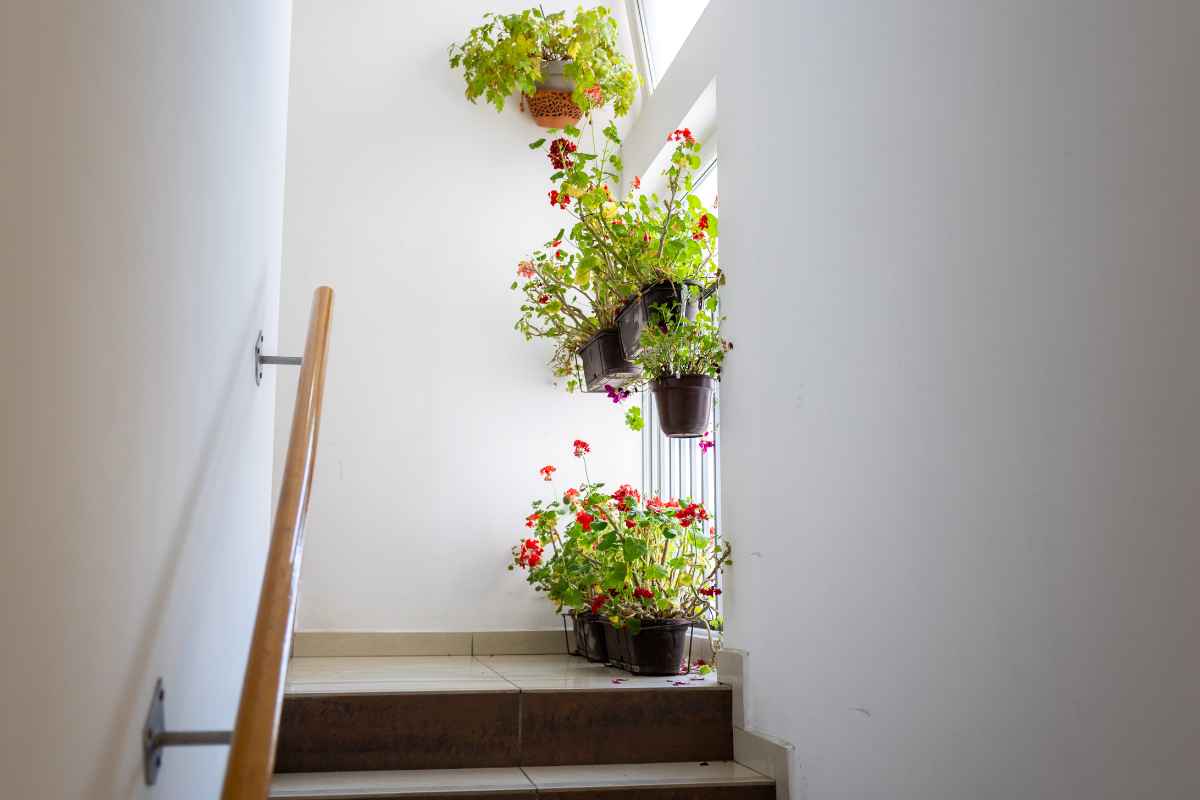
A successful plant display isn't just about fitting as many pots as possible into the space.
One of the easiest ways to create a cohesive look is to repeat certain elements. For example, you could use several terracotta pots in different sizes or choose containers in shades of white, cream, and warm beige.
You can also repeat foliage colors. A collection of mostly deep green plants can create a calm, classic look, while variegated plants can add brighter accents.
Consider the staircase itself when selecting containers. Plants should complement the architecture rather than compete with it.
A modern staircase might look beautiful with clean-lined planters and a restrained selection of plants. A cozy or rustic interior can handle more texture, natural materials, and relaxed groupings.
Most importantly, leave some negative space. Empty areas help individual plants stand out.
Common Indoor Staircase Garden Mistakes
One of the biggest mistakes is choosing plants for appearance without considering light. A beautiful plant placed in unsuitable conditions is unlikely to remain beautiful for long.
Another problem is putting pots directly in the walking path. Even if a staircase seems wide enough, objects on steps can become a tripping hazard. Whenever possible, prioritize landings, walls, ledges, and nearby floor areas instead.
Overwatering can also become an issue when plants are spread across several levels. Instead of watering automatically on a fixed schedule, check each plant and its growing medium according to its individual needs.
Watch for water damage, too. Drainage water can affect wood, paint, carpet, and other staircase finishes. Use appropriate saucers or protective surfaces and empty excess water when necessary.
Finally, don't overcrowd the space. A staircase filled with too many pots can quickly go from lush to cluttered.
Start small, observe how the plants grow, and expand the display gradually.
Keep Your Staircase Garden Easy to Maintain
The most beautiful indoor garden won't stay that way if caring for it becomes inconvenient.
Keep plants within safe reach whenever possible. If you need a complicated setup just to water a pot, that location probably isn't ideal.
Group plants with somewhat similar care requirements when practical. This can make watering and routine maintenance easier, although each plant should still be checked individually.
Every few weeks, look for:
- Yellowing or damaged leaves
- Signs of pests
- Dusty foliage
- Vines growing into pathways
- Pots that need repositioning
- Water collecting in saucers
- Plants leaning toward the light
As seasons change, the light around your staircase may change too. A location that works beautifully during summer may receive significantly less natural light in winter.
Treat your arrangement as something flexible. Moving a plant is often part of good indoor gardening, not a sign that your original setup failed.
An indoor staircase garden doesn't have to be elaborate to transform your space. Start with the light you already have, choose a few plants suited to those conditions, and use safe areas such as landings, walls, windows, and under-stair nooks to build your display.
With thoughtful placement and a little room to grow, an overlooked staircase can become one of the most distinctive green spaces in your home.
Happy gardening!
Emily
More Gardening Tips 👇🏼👇🏼