
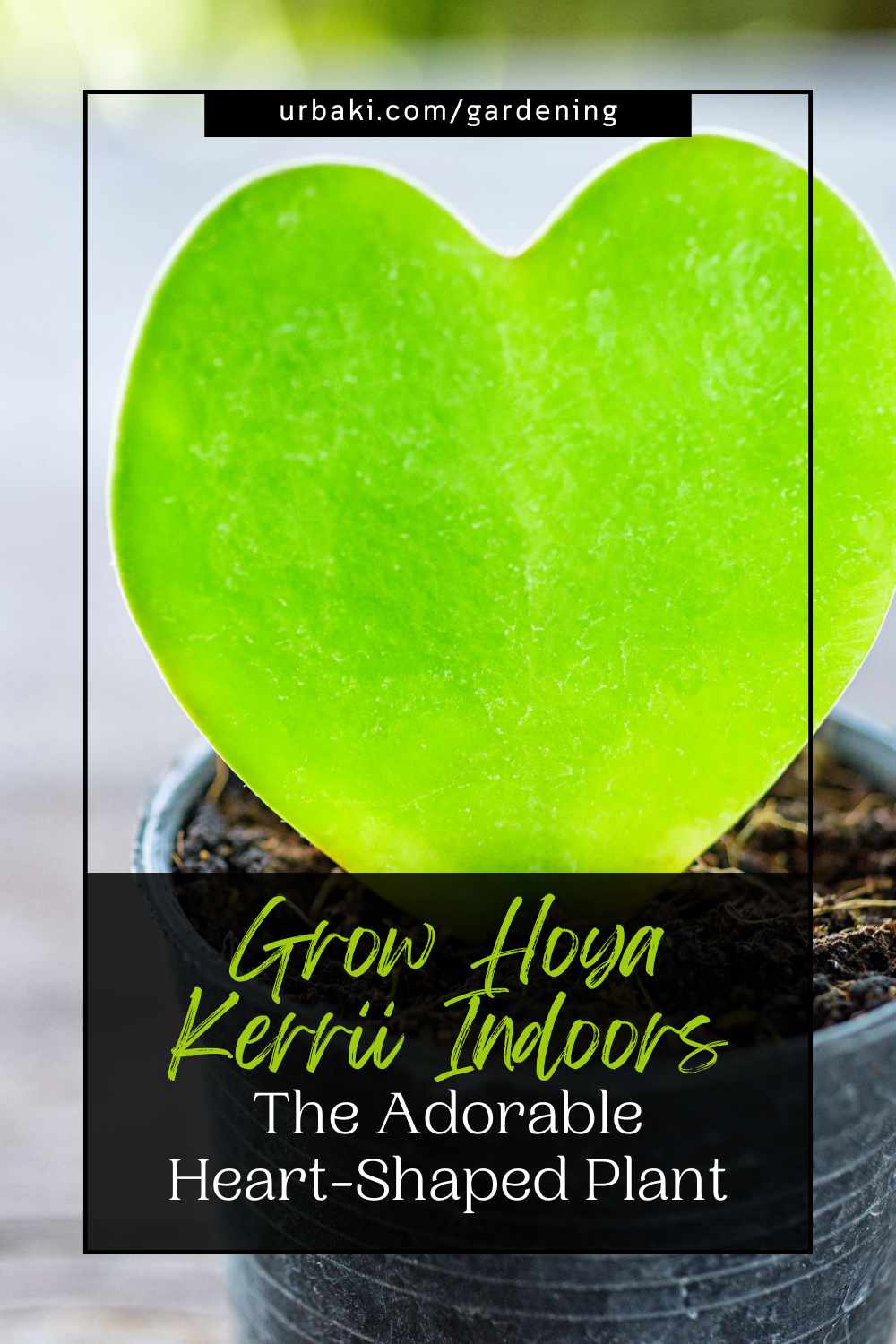
Grow Hoya Kerrii Indoors: The Adorable Heart-Shaped Plant

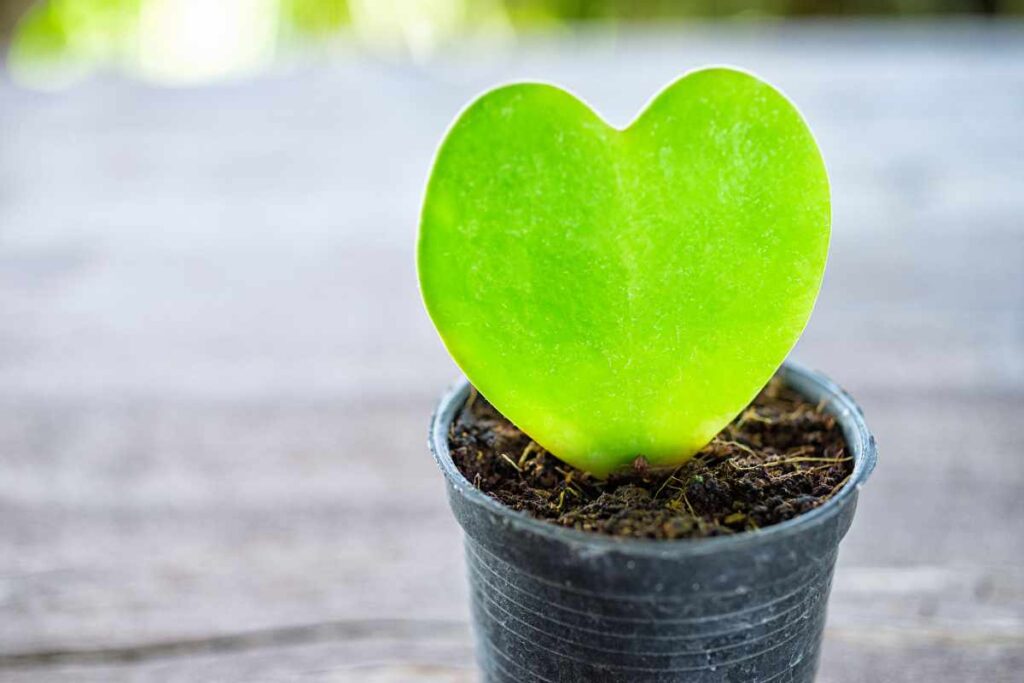
Hoya Kerrii, often referred to as the Sweetheart Plant, has quickly become a favorite among indoor gardeners.
With its charming heart-shaped leaves and low-maintenance nature, it's easy to see why so many plant lovers are drawn to it. Native to Southeast Asia, this succulent-like vine belongs to the Hoya genus and thrives in indoor settings when given the right conditions.
It’s more than just a pretty leaf—Hoya Kerrii can grow into a trailing vine that adds character to your space over time.
Understanding the Plant’s Unique Appeal
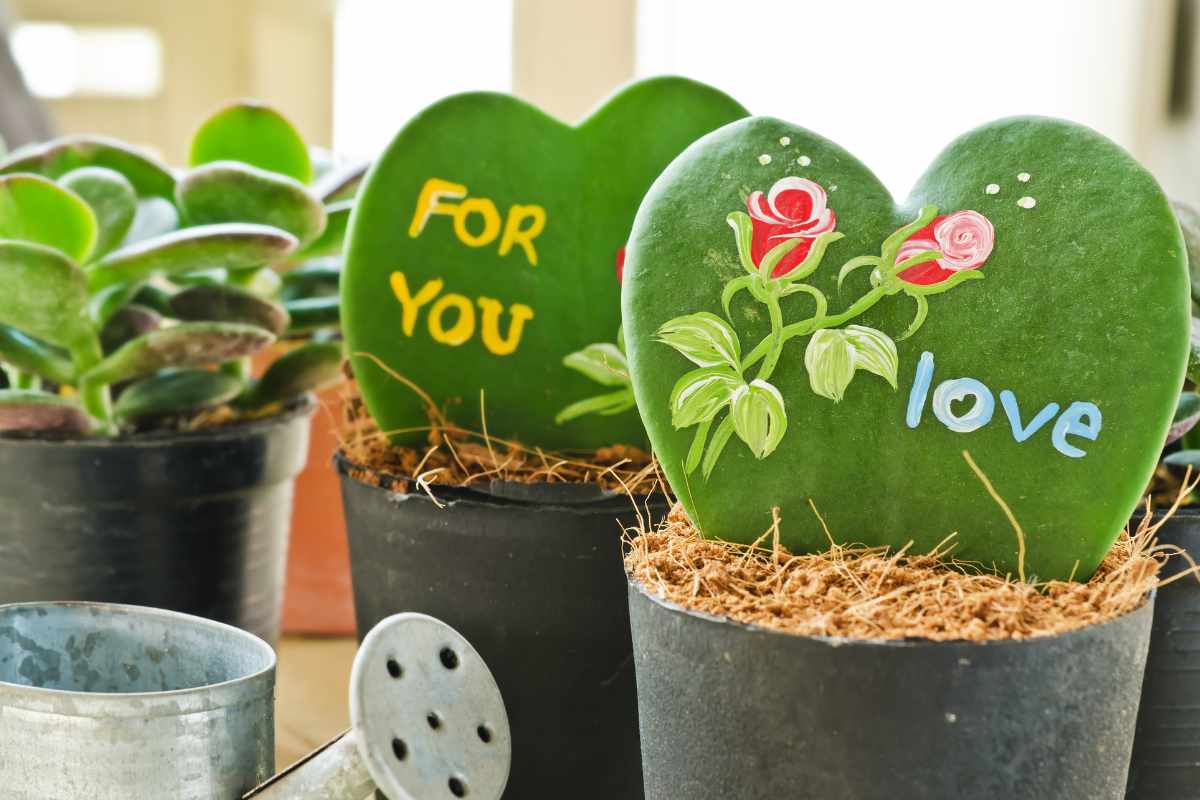
This plant is usually sold as a single, heart-shaped leaf planted in a small pot. While it's an adorable gift, especially around Valentine's Day, this single leaf might not always grow into a full plant.
That’s because many are rooted leaves without a stem node, which means they won’t develop into a vine. If your goal is to nurture a thriving specimen that will eventually produce multiple vines, ensure your starter plant includes a piece of the stem.
Hoya Kerrii matures slowly, so it’s perfect for those who enjoy watching gradual progress. Its thick, succulent leaves store water, making it a great option for those who prefer a more relaxed watering schedule.
Creating a Comfortable Environment
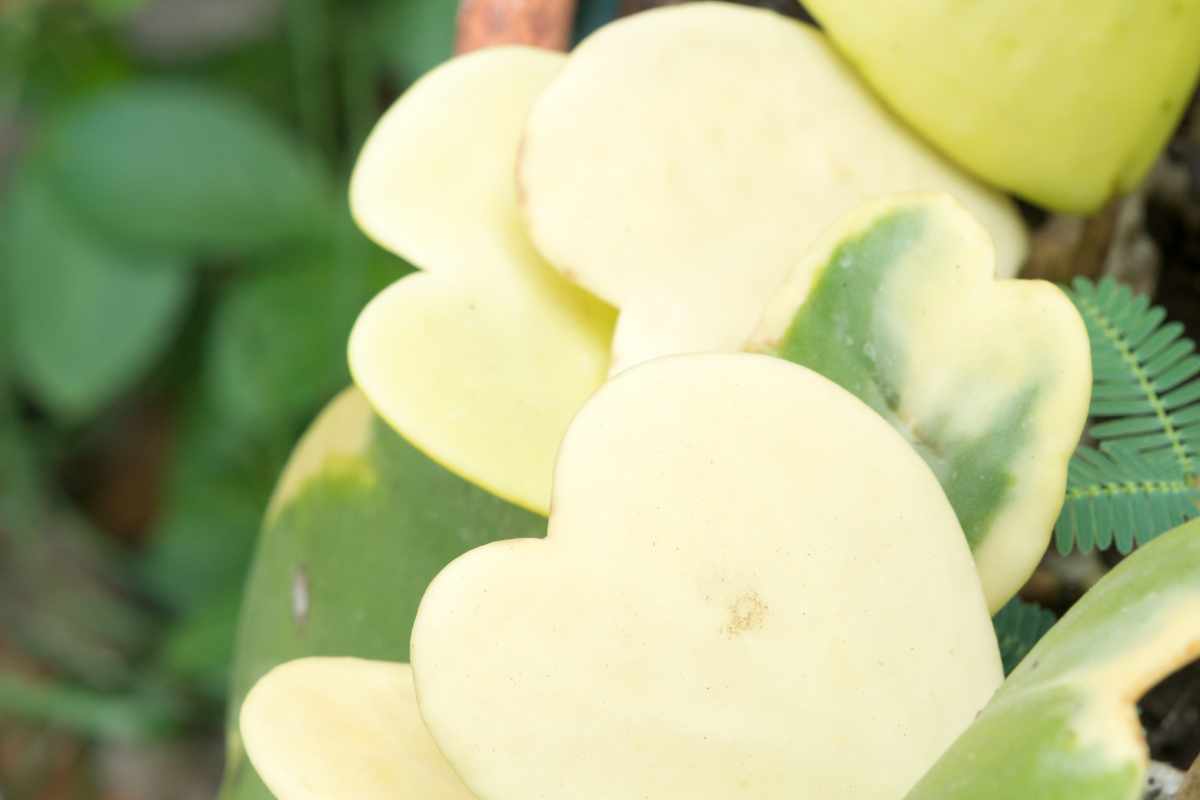
Providing the right setting indoors is essential for long-term success. Hoya kerrii prefers bright, indirect light, which helps maintain its healthy green hue and promotes slow but steady growth.
A windowsill that gets morning sun or a few feet away from a bright window will keep it happy. Too much direct sunlight can scorch the leaves, while too little can lead to stunted growth.
Temperature-wise, this plant enjoys consistency. Keep it in a room where temperatures range between 65°F and 80°F. Avoid placing it near cold drafts, air conditioners, or heating vents. These sudden shifts can stress the plant and impact its overall development.
Watering and Soil Considerations
One of the most common mistakes with Hoya Kerrii is overwatering. Because of its succulent nature, the plant is prone to root rot if left in soggy soil. Let the top two inches of soil dry out completely before watering again.
During winter months, water less frequently as the plant goes into a semi-dormant phase and requires less moisture.
A well-draining soil mix is crucial. You can use a cactus or succulent potting mix, or create your own by blending standard potting soil with perlite or orchid bark. This allows for proper airflow around the roots, helping prevent fungal issues and encouraging healthy root development.
Fertilizing for Healthy Growth
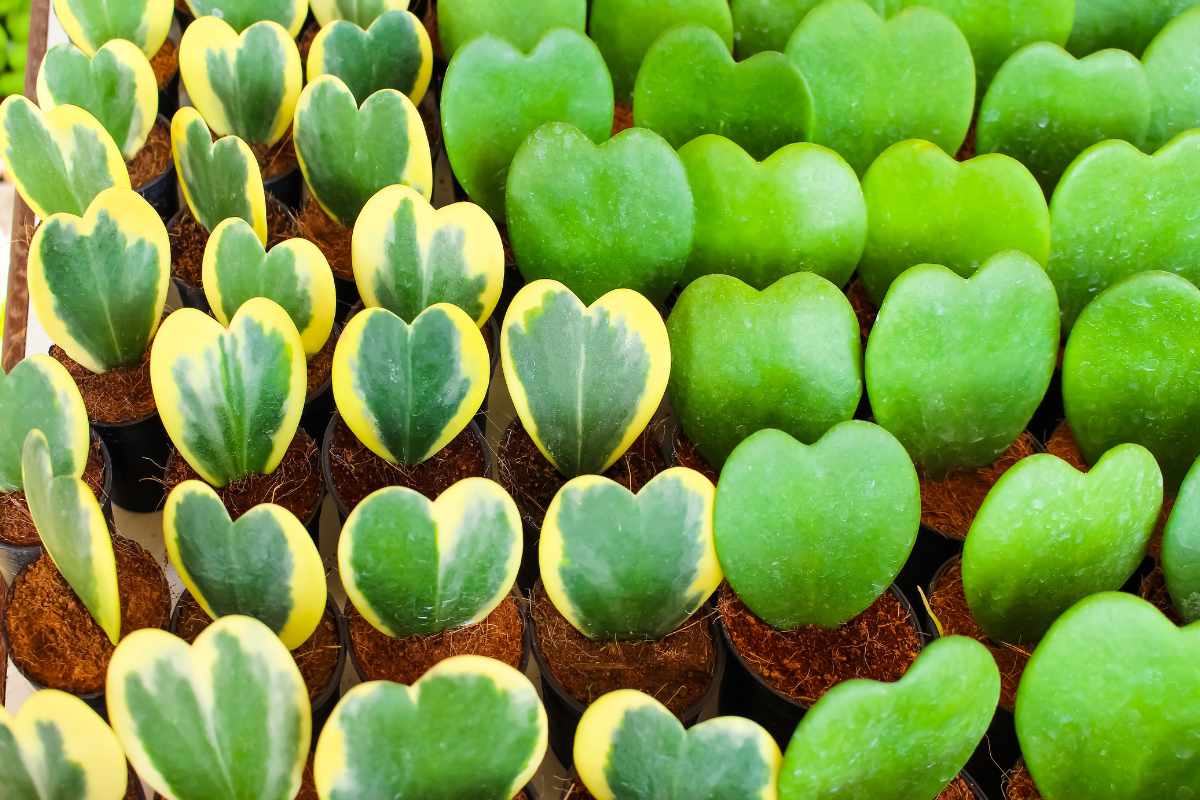
Although this plant isn’t a heavy feeder, a light fertilizer during the growing season (spring and summer) can boost growth. Choose a balanced, diluted liquid fertilizer and apply it once a month.
Avoid feeding in fall and winter when the plant's natural growth slows down.
With proper care, mature Hoya Kerrii may reward you with clusters of small, star-shaped flowers that give off a sweet fragrance. While the blooms aren’t guaranteed, especially indoors, they’re a delightful bonus for patient growers.
Supporting Its Climbing Habit
Given time, Hoya Kerrii will grow vines that can be trained to climb or trail, depending on your preference. If you enjoy vertical displays, consider using a trellis or plant support. For a cascading look, let the vines spill over the sides of a hanging basket.
Regular pruning isn’t necessary, but trimming leggy stems can help shape the plant and encourage fuller growth.
Always use clean scissors to avoid introducing bacteria, and prune only during the active growing season for best results.
Propagation and Patience
Hoya kerrii can be propagated through stem cuttings, though it takes time. Make sure each cutting has a node and at least one leaf. Root the cutting in water or moist soil and be patient—it may take several weeks or even months for new roots to form. Keep the cutting in a warm spot with plenty of light and humidity during this phase.
While propagation might seem slow, it's a rewarding experience that allows you to grow new plants or share them with friends. Just remember, patience is part of the charm of growing Hoyas.
A Great Choice for All Plant Enthusiasts
Whether you're a seasoned plant collector or new to indoor gardening, Hoya Kerrii is a delightful addition to any space. Its quirky heart shape, easy-going nature, and slow pace make it a lovable companion.
Plus, it’s non-toxic to pets, which is a huge bonus for homes with cats or dogs.
This plant doesn't demand constant attention, but it does thrive on consistency. Stick to a gentle care routine, and it will thank you with lush, glossy leaves and the occasional surprise bloom.
Did you find this post useful or inspiring? Save THIS PIN to your GARDENING Board on Pinterest!
More Gardening Tips 👇🏼👇🏼