
Best Houseplants for North-Facing Windows

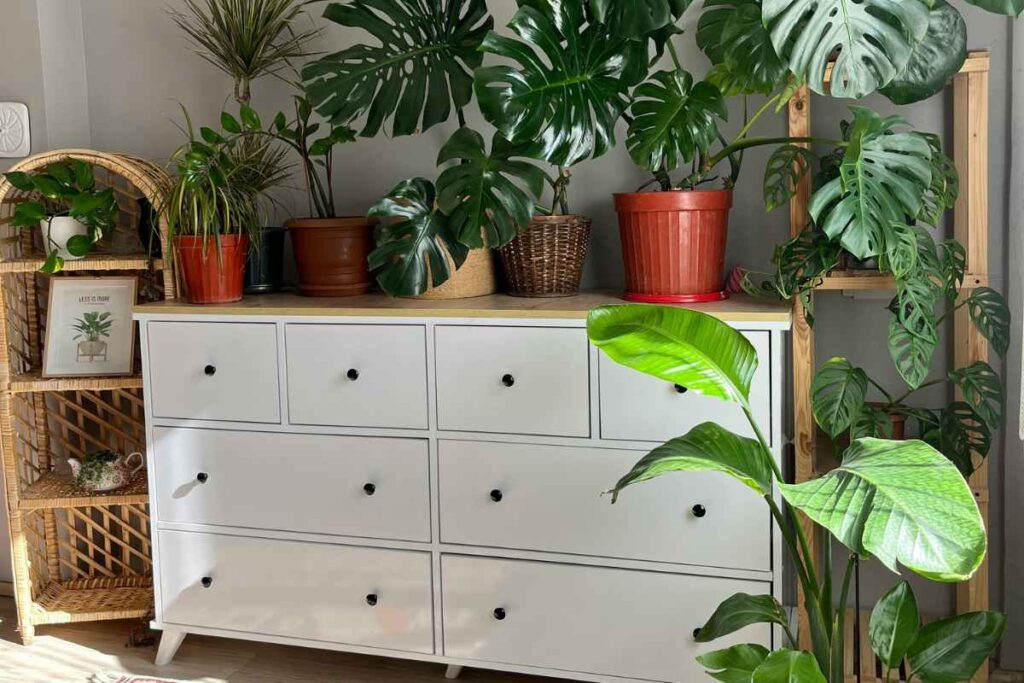
North-facing windows can feel tricky for indoor plants—bright enough to see, but often too dim for “sun-loving” favorites.
The good news: plenty of houseplants actually prefer that soft, indirect light and can look amazing there.
In this guide, you’ll find dependable low-light picks, how to place them for success, and simple care tweaks to keep growth steady.
Whether you’re decorating an apartment, a shaded home office, or a dim corner, these plants can thrive with the right setup.
If your north-facing window plants are surviving but not exactly thriving, don’t worry—most of the time it’s not about buying “special” plants, it’s about a few small adjustments that cost little (or nothing) and make a huge difference in low-light spaces.
Before you give up or replace your plants, check out these 9 cheap, practical tips that help houseplants grow stronger, look fuller, and stay healthy—even when the light is limited. 👉 9 Cheap Tips To Make Your Houseplants Thrive
Understanding North-Facing Light Indoors
A north-facing window usually gives consistent, indirect light with little or no direct sun. That’s great for many tropical understory plants—but it can also mean slower growth and more risk of overwatering.
Here’s what to expect:
- Lower intensity light most of the day
- Gentler conditions (less leaf scorch)
- Longer drying times for soil, especially in winter
Quick win: If your north window faces a bright open sky (not blocked by buildings/trees), you may have “bright shade” and can grow a wider range of plants.
The Best Houseplants for North-Facing Windows
These are reliable, widely available plants that do well in low to medium indirect light.
Snake Plant (Sansevieria / Dracaena trifasciata)

- Why it works: handles low light and irregular watering
- Care tip: Let soil dry fully; water less in winter
- Bonus: Upright shape is perfect for narrow sills
ZZ Plant (Zamioculcas zamiifolia)
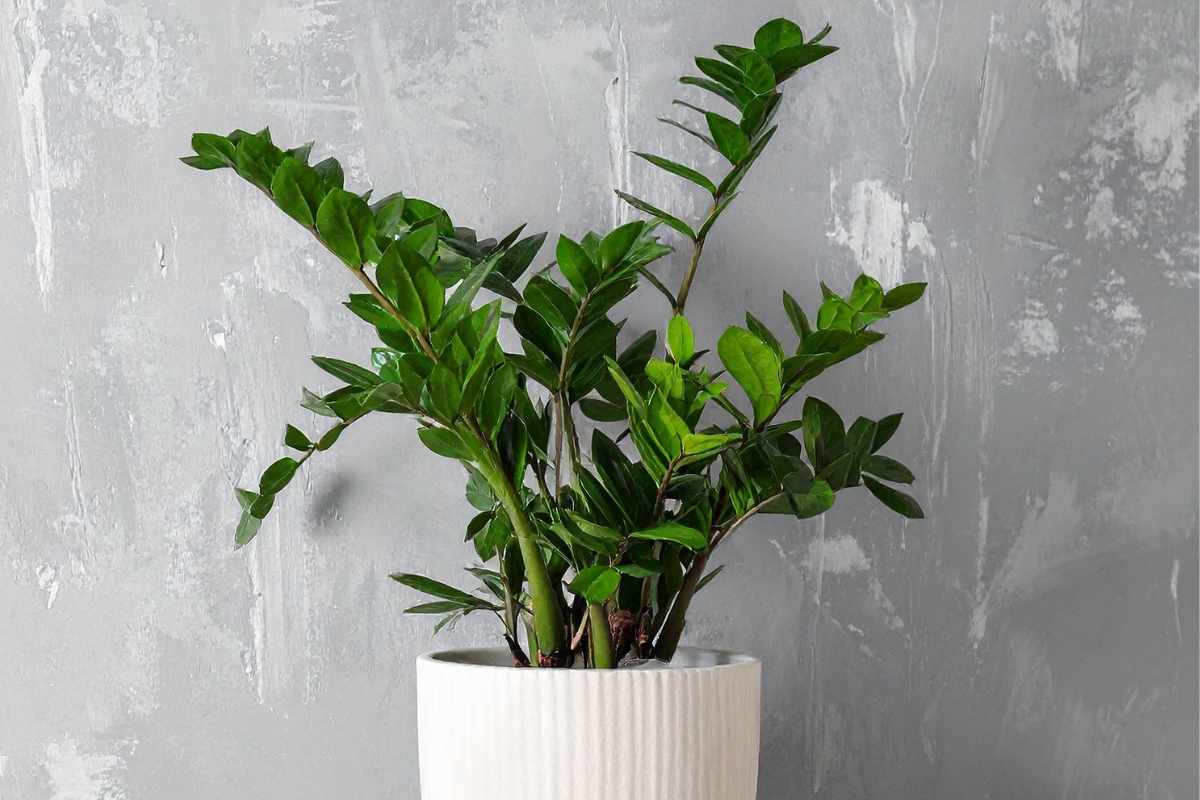
- Why it works: Stores water in thick stems and rhizomes
- Care tip: Underwater is safer than overwater
- Look for: “Raven ZZ” for a darker, dramatic vibe
Pothos (Epipremnum aureum)

- Why it works: One of the easiest trailing plants for lower light
- Care tip: In very low light, variegated types may turn greener
- Styling idea: Let it cascade from a shelf near the window
Heartleaf Philodendron (Philodendron hederaceum)

- Why it works: Thrives in soft, indirect light
- Care tip: Pinch tips to encourage fuller growth
- Great for: Hanging baskets and bookcase edges
Cast Iron Plant (Aspidistra elatior)
- Why it works: Famous for tolerating shade and neglect
- Care tip: Slow grower—don’t overfertilize
- Best for: Homes that run cooler or have less humidity
Peace Lily (Spathiphyllum)

- Why it works: Blooms best in brighter light, but stays healthy in north windows
- Care tip: Likes evenly moist soil, but not soggy
- Sign to watch: Droops dramatically when thirsty (helpful “reminder” plant)
Chinese Evergreen (Aglaonema)

- Why it works: Great low-light foliage with tons of varieties
- Care tip: Water when the top 1–2 inches (2.5–5 cm) are dry
- Note: More colorful varieties generally want slightly brighter light
Parlor Palm (Chamaedorea elegans)
- Why it works: Naturally adapted to lower-light indoor conditions
- Care tip: Avoid overwatering; prefers light, airy potting mix
- Bonus: Adds height and softness without needing sun
Spider Plant (Chlorophytum comosum)
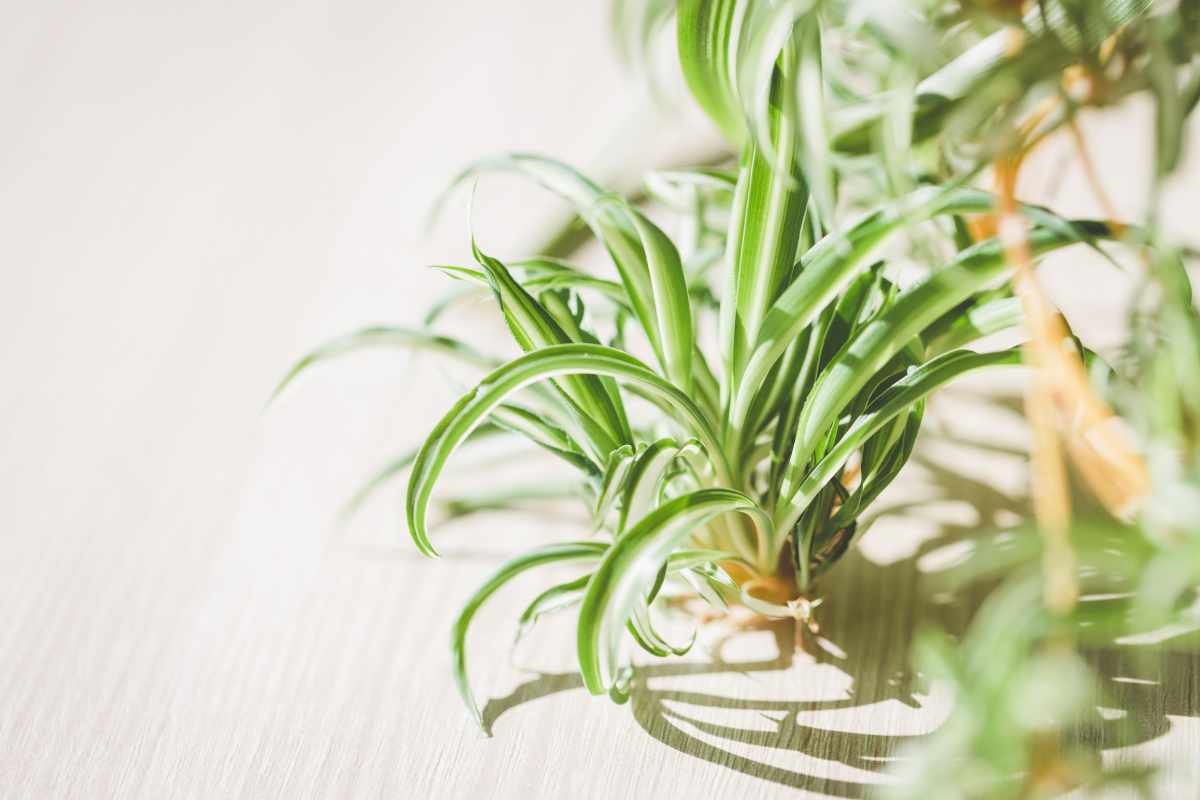
- Why it works: Adapts well to indirect light
- Care tip: Flush soil occasionally to reduce mineral buildup
- Fun factor: Makes “babies” you can propagate easily
Placement Tips for North-Facing Windows
Small adjustments can make a big difference in low light.
- Get plants as close to the window as possible (without touching cold glass in winter).
- Rotate pots ¼ turn every 1–2 weeks for even growth.
- Use light-colored walls or a mirror to bounce light deeper into the room.
- If the room is dim beyond the window area, group plants on a stand within 1–3 ft (30–90 cm) of the window.
Rule of thumb: If you can comfortably read a book there during the day, many low-light plants will manage.
Easy Care Checklist for Low-Light Houseplants
Use this as a simple routine you can apply today:
- Water less than you think. Low light = slower drying soil.
- Check moisture with a finger or wooden skewer before watering.
- Choose pots with drainage holes (non-negotiable for most plants).
- Dust leaves monthly, so they can absorb light efficiently.
- Fertilize lightly in spring/summer only (and skip in winter).
- Watch growth: slow is normal—but stretched stems mean it needs more light.
Common Mistakes That Kill “Low-Light” Plants

Even shade-tolerant plants have limits. These are the most common issues I see with north-window setups:
- Overwatering: The #1 cause of indoor plant decline in low light.
- Too big of a pot: Extra soil stays wet longer and can cause root rot.
- Expecting fast growth: Low light plants often grow slowly—this isn’t failure.
- Placing plants too far back: A few feet can drop usable light dramatically.
- Ignoring temperature drafts: North windows can be cooler; protect tropical plants from cold air.
Troubleshooting: If Your Plants Look Sad in a North Window
Yellow leaves
Most often, too much water. Let the soil dry more between waterings and confirm drainage.
Leggy, stretched growth
The plant is reaching for light. Move it closer to the window or add a small grow light for 8–12 hours/day.
Brown tips or crispy edges
Usually, low humidity, inconsistent watering, or mineral buildup. Try:
- More consistent watering rhythm
- Occasional soil flush with plain water
- Using filtered water if tap water is very hard
No new growth for months
Normal in winter, but if it persists:
- Increase light exposure (closer placement)
- Refresh soil or check for root binding
- Fertilize lightly during active seasons only
Optional Tools That Make North Windows Much Easier

- Moisture meter (helpful if you tend to overwater)
- Grow light (simple clip-on or halo style for darker rooms)
- Sheer curtain (helps diffuse harsh light if your “north” still gets some direct sun at certain times)
- Light, airy potting mix + perlite for better drainage
North-facing windows don’t have to limit your indoor jungle—they just call for the right plant choices and a slightly lighter hand with watering. Start with a couple of dependable picks like snake plant, pothos, or ZZ, then expand as you learn what your space can support. If you want, next you can build a “north-window plant shelf” with mixed heights for a fuller look.
— Emily
More Gardening Tips 👇🏼👇🏼