
- Urbaki Gardening
- Plants
- 5 Gothic Plants to Create a Dark and Dramatic Garden
5 Gothic Plants to Create a Dark and Dramatic Garden

Emily Brooks
10/04/2026 · Updated on: 13/04/2026
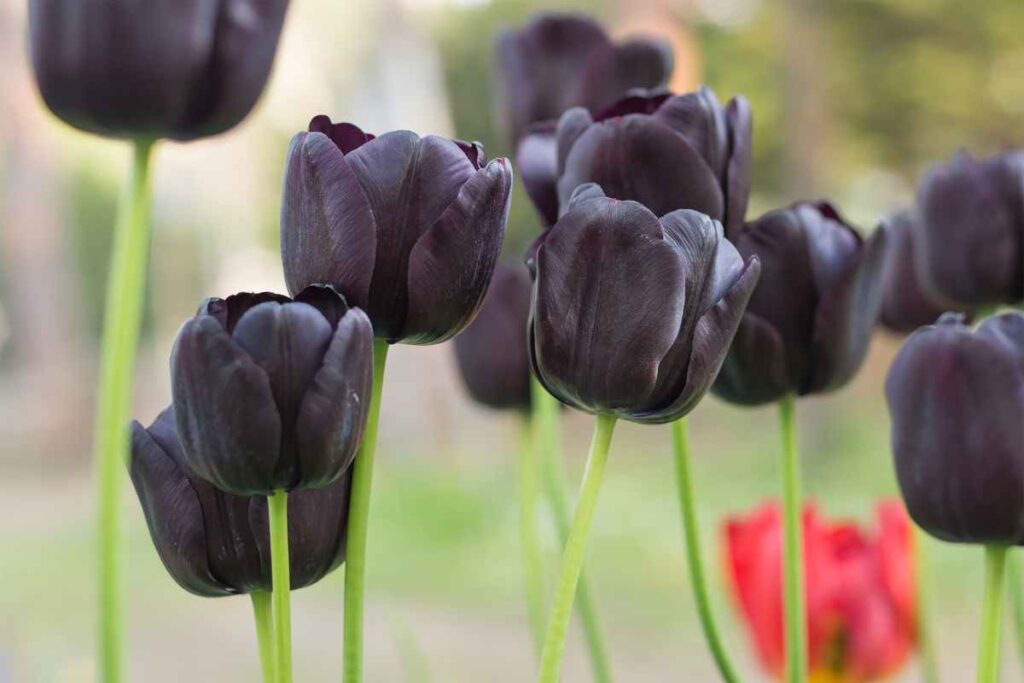
A dark, dramatic garden doesn’t have to feel gloomy—in the best gothic gardens, deep color reads as luxurious, intentional, and high-contrast. If you love black foliage, velvety blooms, and that moody “enchanted” vibe, you can build it with just a handful of standout plants.
Below are five gothic garden favorites that bring rich color, texture, and major atmosphere—plus design tips to make them shine.
Whether you’re planting a full border or styling a few containers, you’ll find options that work in many climates (just double-check your local growing conditions).
What Makes a Plant “Gothic” in the Garden?
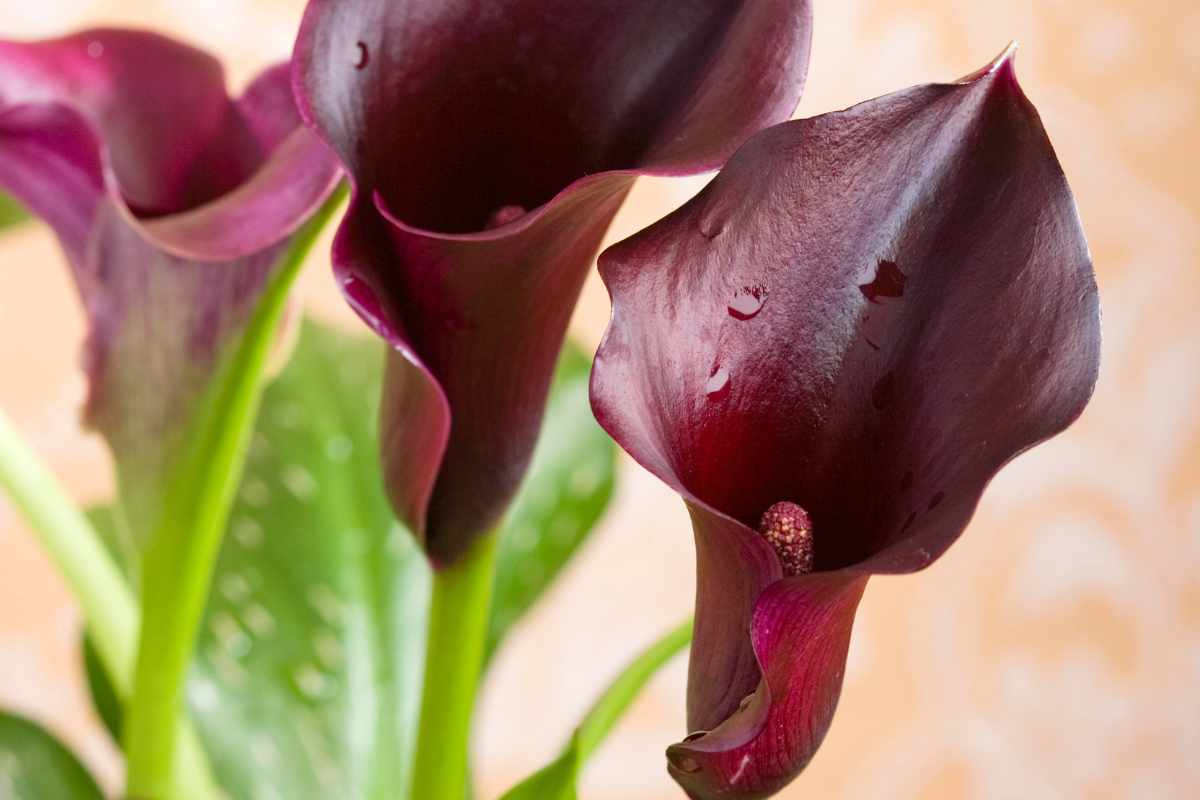
In garden design, “gothic” usually means one (or more) of these traits:
- Near-black foliage (deep purple, chocolate, charcoal, or ink-black)
- Dark, velvety blooms (burgundy, plum, maroon, black-red)
- Dramatic silhouettes (spiky, ruffled, architectural, or oversized leaves)
- High contrast when paired with silver, lime, or white plants
Tip: True black pigments are rare in plants—many “black” varieties are actually deep purple or burgundy, especially in shade. That’s normal and still looks stunning.
We invite you to read our article What Are the Best Plants for a Gothic Garden Design?
5 Gothic Plants to Add Instant Dark Drama
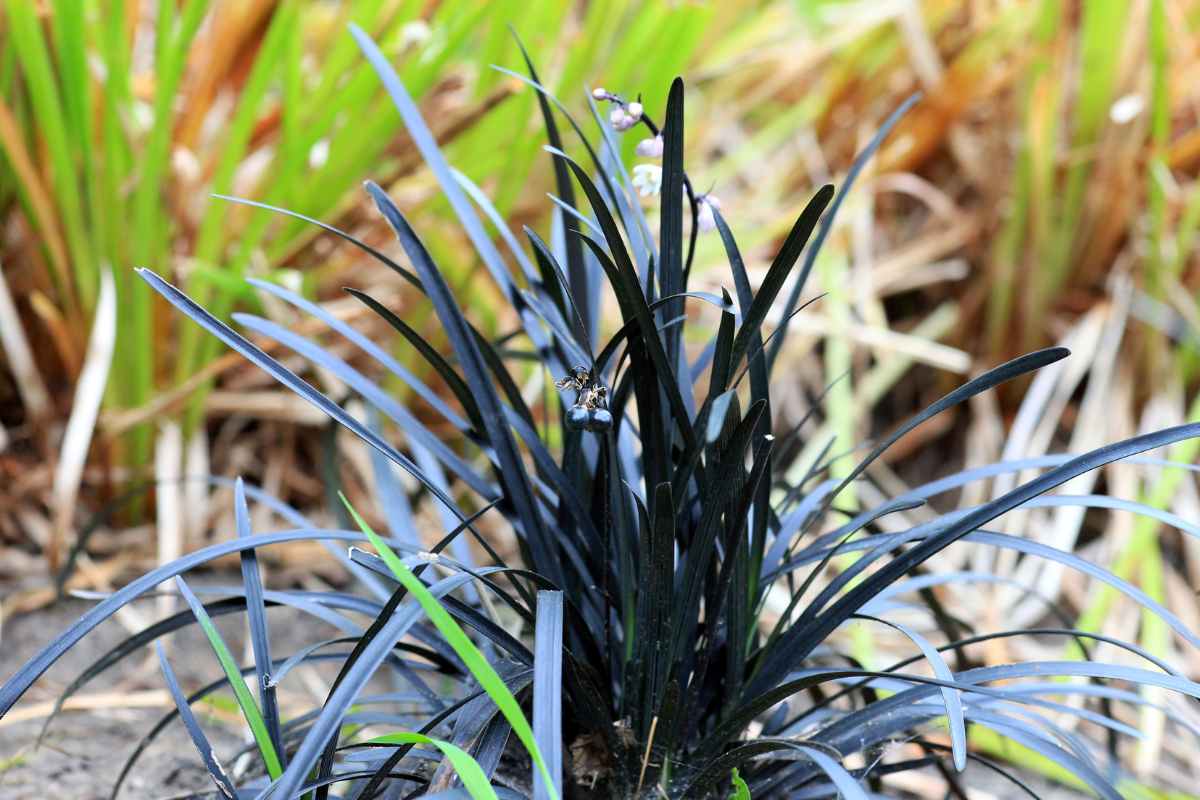
1) Black Mondo Grass (Ophiopogon planiscapus ‘Nigrescens’)
If you want foliage that looks genuinely black, this is a top pick. Black mondo grass forms tidy clumps that read like inky ribbons, perfect for edging or containers.
- Best for: borders, path edges, modern or gothic containers
- Light: part shade to sun (color deepens with more sun in many areas)
- Soil: well-draining, evenly moist
- Design use: plant in drifts for a “shadow carpet” effect
Style it with: bright chartreuse foliage or pale stone mulch for contrast.
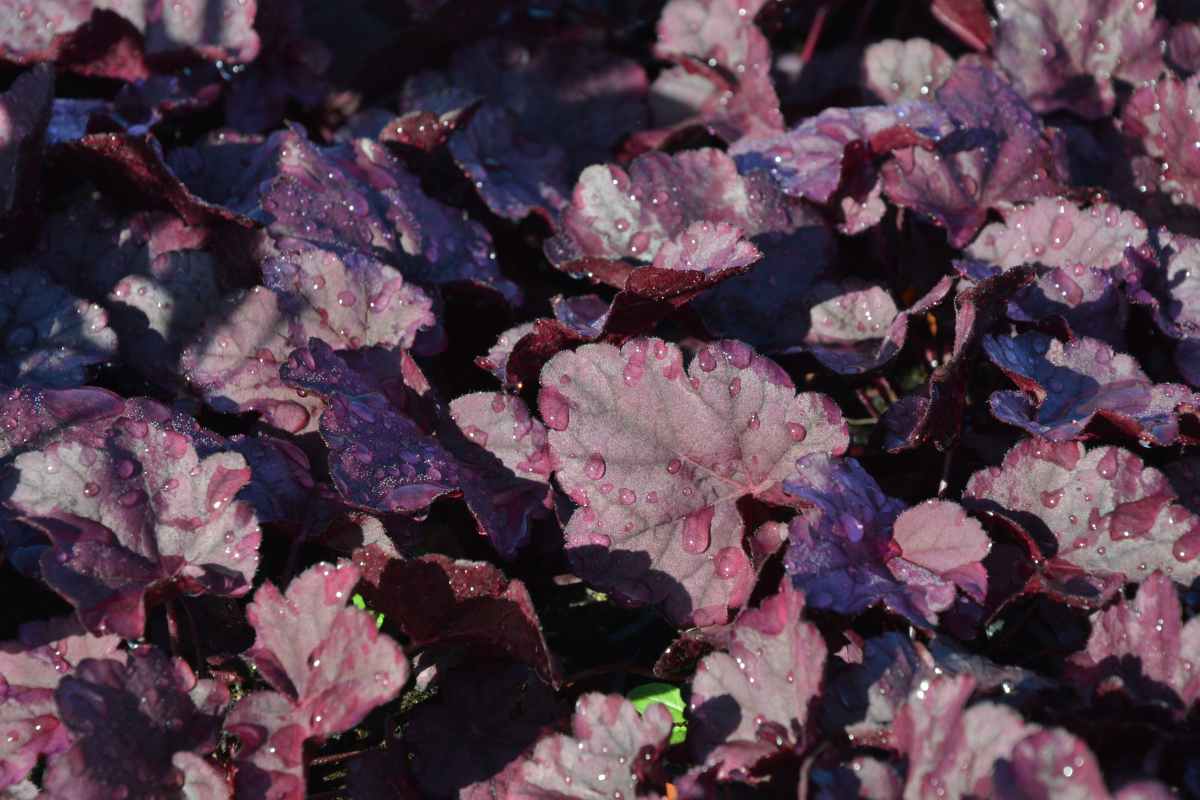
2) Dark Heuchera (Coral Bells) (Heuchera cultivars like ‘Obsidian’)
Heucheras are the easiest way to get dark, ruffled foliage that looks great from spring through fall (and often into winter in mild climates).
- Best for: shade gardens, woodland borders, mixed containers
- Light: part shade is ideal; morning sun + afternoon shade is a classic setup
- Soil: rich, well-draining; avoid soggy spots
- Design use: tuck into the front of beds for texture and color depth
Style it with: silver foliage (like dusty miller) or white blooms for a “moonlit” vibe.
We invite you to read our article Where to Plant & Grow Coral Bells (Heuchera spp.)
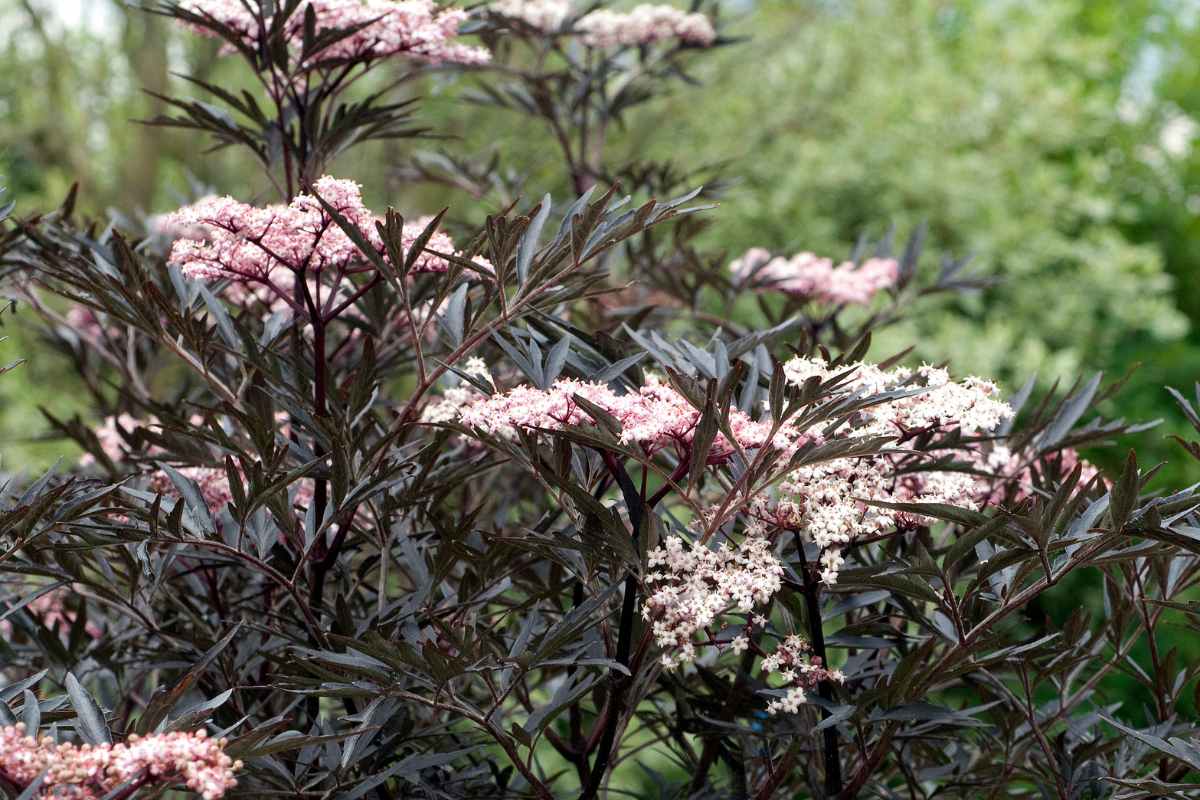
3) ‘Black Lace’ Elderberry (Sambucus nigra ‘Black Lace’)
For a bigger statement, this shrub brings dramatic, lacy purple-black foliage and can anchor a moody garden design like a living backdrop.
- Best for: focal points, back of borders, privacy planting
- Light: sun to part sun (more sun typically = richer color)
- Soil: adaptable; consistent moisture helps it look lush
- Design use: treat it like a dark “curtain” behind lighter flowers
Style it with: pale hydrangeas, white foxgloves, or lime-green foliage for high contrast.
4) Purple Smokebush (Cotinus coggygria ‘Royal Purple’ and similar)
Smokebush is iconic for gothic gardens because of its smoky plumes and saturated purple foliage. It can be shrub-sized or trained/managed smaller depending on variety and pruning.
- Best for: dramatic backgrounds, statement planting, large containers (dwarf types)
- Light: full sun for best color
- Soil: well-draining; avoid constantly wet areas
- Design use: create a moody “wall” of color behind perennials
Style it with: grasses and soft, airy flowers to balance the heaviness of dark leaves.
5) Black Velvet Petunia (Petunia ‘Black Velvet’)
If you want a quick Gothic impact, you can’t beat this annual. The blooms look like velvet under sunlight, especially in pots or window boxes.
- Best for: containers, hanging baskets, edging
- Light: full sun for best flowering
- Soil: fertile, well-draining potting mix (for containers)
- Design use: pair with spillers and silver foliage for instant drama
Style it with: white bacopa, silver dichondra, or bright magenta accents for a bold “gothic glam” palette.
Design Tips to Make Dark Plants Look Expensive (Not Dingy)
Dark gardens look best when you build in contrast and texture:
- Pair black foliage with silver, white, or lime plants
- Repeat one dark plant in 3–5 spots to make it feel intentional
- Mix leaf shapes: spiky (mონდo), ruffled (heuchera), lacy (elderberry), airy (smokebush)
- Use light hardscape: pale gravel, light pavers, or white pots can make dark plants pop
Quick win: Add one “glow” color—white flowers or pale foliage—so the dark tones read as dramatic, not flat.
A Simple Planting Plan You Can Use Today
Use this mini formula for a moody bed or large container grouping:
- Choose 1 anchor (elderberry or smokebush)
- Add 2–3 dark mid-layer plants (heuchera)
- Edge or ground it (black mondo grass)
- Finish with seasonal bloom drama (Black Velvet petunia)
For containers, aim for the classic “thriller, filler, spiller” setup and let the dark tones be either the thriller (dramatic center) or the filler (lush body).
Common Mistakes When Planting a Gothic Garden (and How to Fix Them)
- Everything is dark, so nothing stands out.
Fix: add one bright contrast (white blooms, silver foliage, or lime leaves). - Plants look washed out in heavy shade.
Fix: move the darkest foliage plants to more light (even a few extra hours can deepen color). - The garden feels “heavy.”
Fix: add airy textures—ornamental grasses, fine-leaved companions, or light-colored mulch. - Container goth gardens dry out fast.
Fix: use a quality potting mix, mulch the top, and water deeply—dark-leaved plants often look best when evenly moist (not soggy).
Closing
A gothic garden is all about mood—deep color, bold texture, and contrast that makes every plant feel intentional. Start with one anchor plant, layer in black foliage, and add velvety blooms for drama you can see from across the yard.
If you’re not sure where to begin, try a single container combo first—it’s the fastest way to test the look.
— Emily
Emily Brooks
I’m Emily, a lifelong nature lover with dirt on my boots and a passion for all things green. I don’t claim to be a botanist; I’m just an enthusiast who believes that every backyard—no matter how small—can become a sanctuary. After years of trial and error (and more than a few wilted ferns), I’m sharing my honest journey of growing flowers and veggies. Let's learn from the seasons and grow something beautiful together!
More Gardening Tips 👇🏼👇🏼