
How to Grow Rue: A Simple Guide to Planting and Care

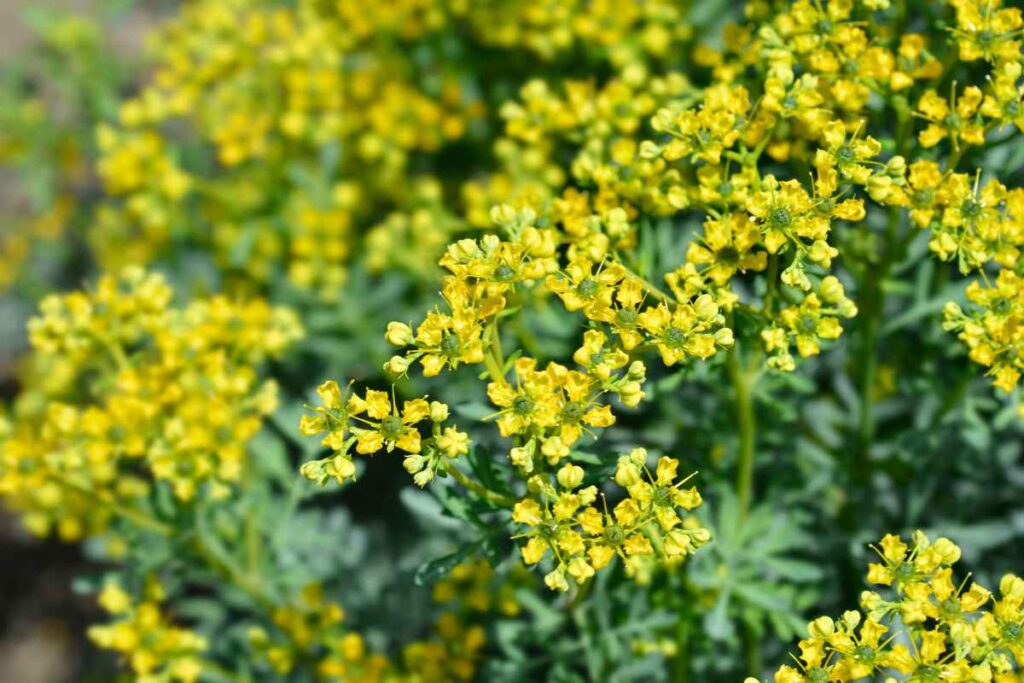
Rue (Ruta graveolens) is an aromatic perennial with distinctive blue-green foliage that can add texture and character to an herb or ornamental garden. Once established, it prefers relatively dry conditions and doesn't need constant attention.
If you're wondering how to grow rue, the key is choosing a sunny location, providing well-draining soil, and avoiding too much water. Here's what you need to know to help your rue plant thrive.
What Rue Needs to Grow Well
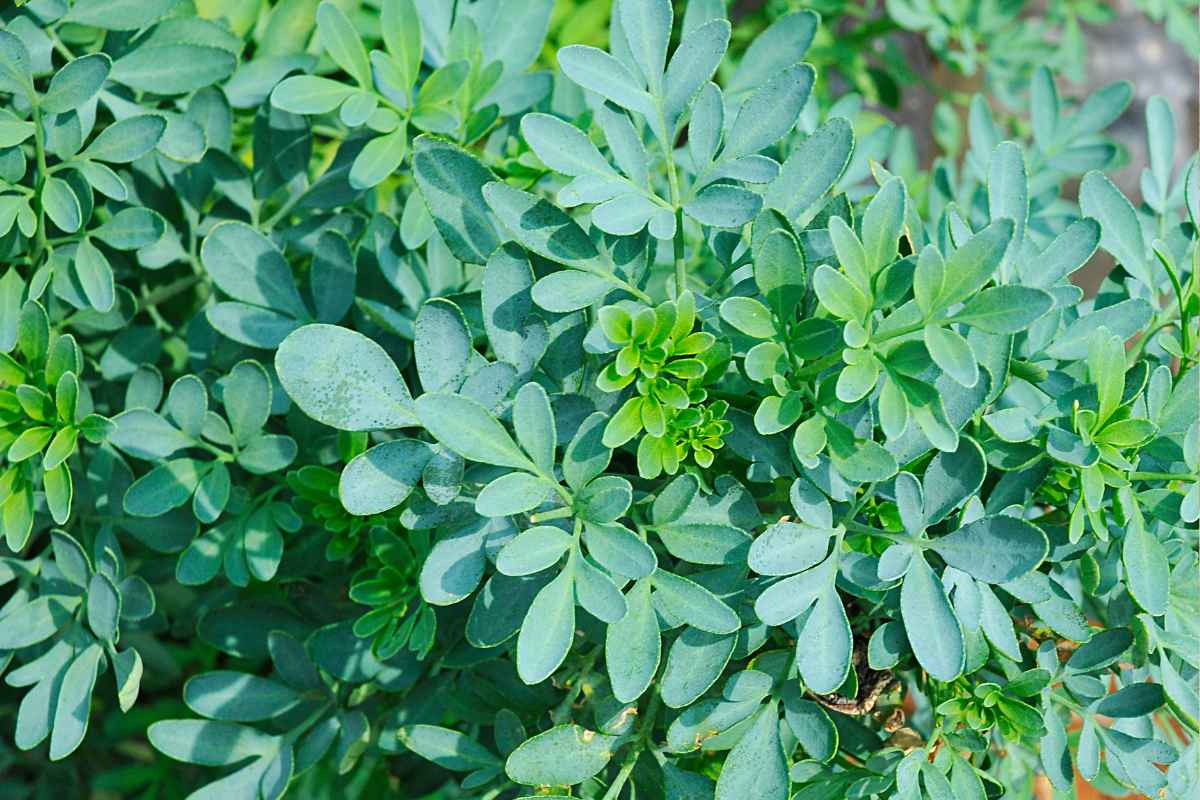
Rue grows best when its basic needs are kept simple. It generally prefers full sun, although it can tolerate some light shade.
Good drainage is especially important. Rue doesn't appreciate sitting in consistently wet soil, so avoid low areas where water collects after rain.
For the best growing conditions, give rue:
- Full sun or light partial shade
- Well-draining soil
- Moderate to low watering once established
- Enough room for good air circulation
Rue can grow into a small, bushy plant, so choose a spot where it has space to develop without crowding nearby plants.
How to Plant Rue
Rue can be grown from seed or started with a young nursery plant. Starting with an established plant is usually the simplest option when you want quicker results.
Choose a sunny garden location and loosen the soil before planting. If your soil tends to stay wet or compacted, improving drainage should be a priority.
Set the plant at approximately the same depth it was growing in its container, fill around the roots with soil, and water gently.
Tip: Wear gloves when handling rue. Contact with the plant's sap, especially combined with sunlight, can cause skin reactions in some people.
How to Water Rue Correctly
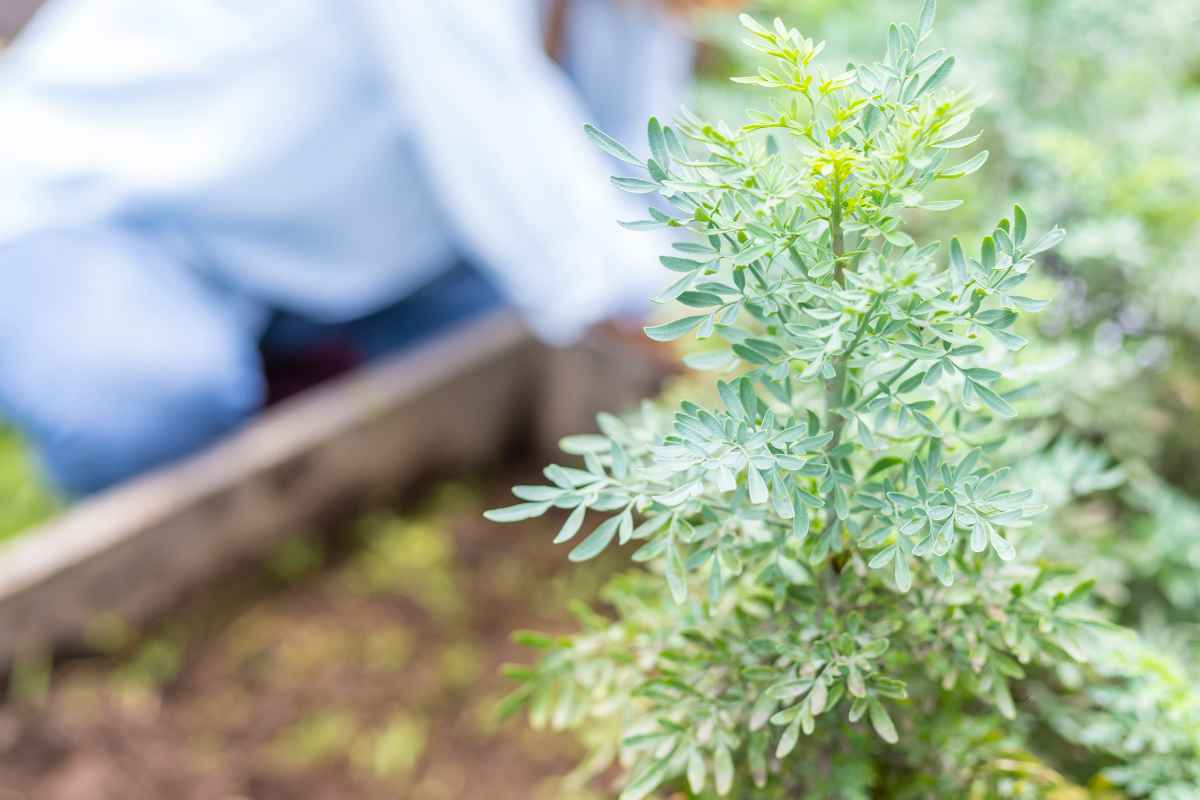
Overwatering is one of the easiest ways to cause problems when growing rue.
Water young plants regularly enough to help their roots become established, but allow the soil to begin drying between waterings. Once mature, rue is relatively drought tolerant and generally prefers being a little dry rather than constantly wet.
Before watering, check the soil instead of following a rigid schedule. If the upper layer is still moist, wait before adding more water.
Container-grown rue may need more frequent watering because pots dry out faster than garden beds.
Pruning and Maintaining a Rue Plant
A little pruning can help keep rue looking compact rather than becoming overly woody or untidy.
Remove damaged or dead growth as needed. You can also lightly trim the plant to maintain its shape and encourage fresh growth.
Because rue has attractive blue-green foliage, thoughtful pruning can make it a useful structural plant in herb gardens and mixed borders.
Always use clean pruning shears and wear gloves while handling the foliage and stems.
Common Rue Growing Mistakes
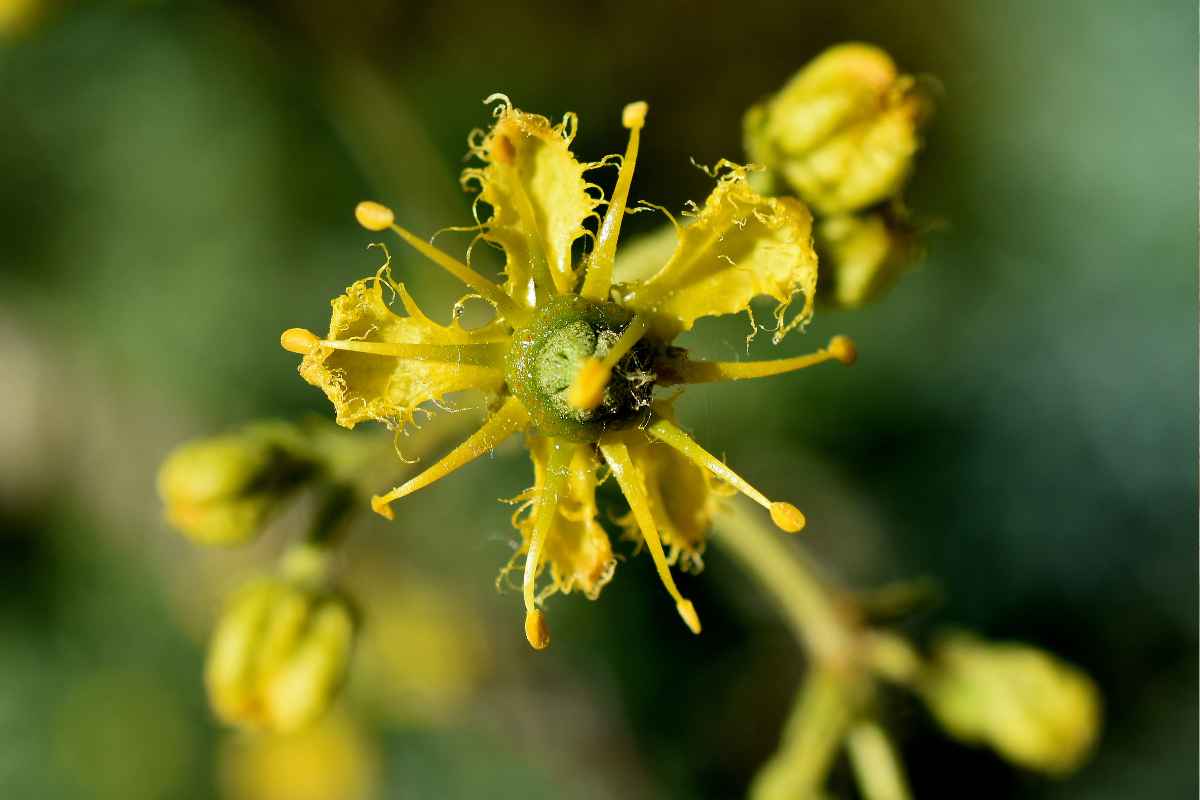
Rue is fairly low-maintenance, but a few growing conditions can make it struggle.
Too much water: Constantly wet soil can create unhealthy root conditions. Prioritize drainage and let the soil partially dry.
Not enough sunlight: Excessive shade can result in weaker, less compact growth. Choose a brighter location when possible.
Overcrowding: Give the plant adequate space and airflow rather than squeezing it between larger plants.
Handling it with bare skin: Rue can irritate sensitive skin, particularly when skin exposed to the plant is subsequently exposed to sunlight. Gloves and covered skin are sensible precautions.
Growing Rue in Containers
Rue can also be grown in a pot, making it easier to control its soil conditions and location.
Choose a container with drainage holes and use a well-draining potting mix. Place it where the plant receives plenty of sunlight, and check the soil before watering.
Avoid leaving the container standing in a saucer filled with water. Good drainage remains just as important in pots as it is in the garden.
With plenty of sun, careful watering, and occasional pruning, rue can be an interesting and relatively undemanding addition to your garden. Start with the right location and focus on drainage rather than giving it excessive attention.
Happy gardening,
More Gardening Tips 👇🏼👇🏼