
What to Do With Amaryllis After It Blooms (So It Flowers Again)

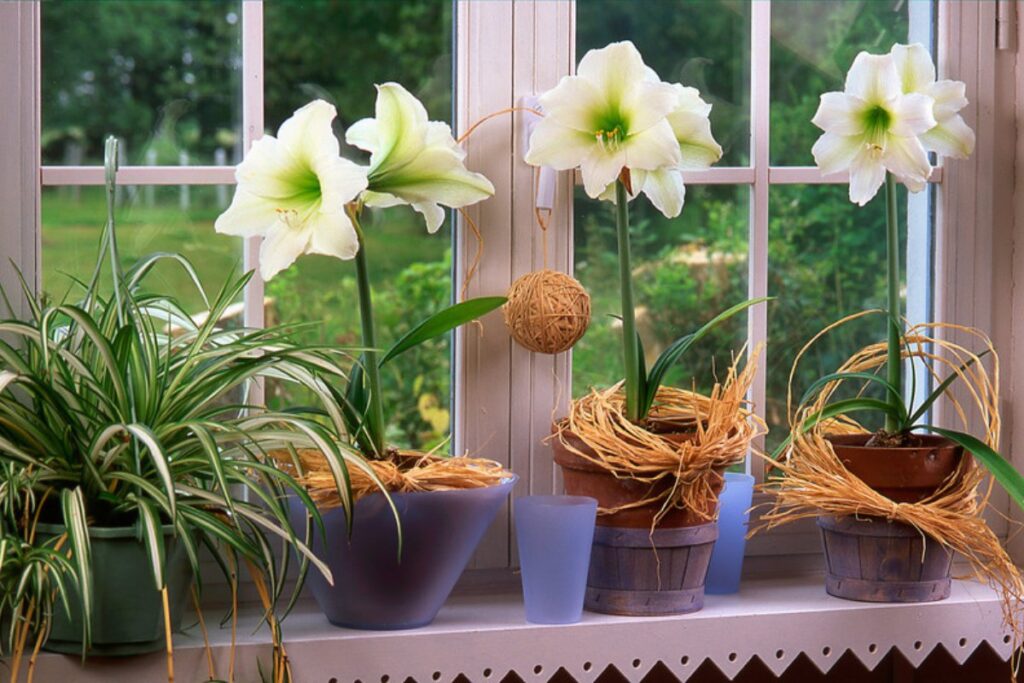
Once an amaryllis finishes blooming, cut off the faded flowers, leave the stalk until it yellows, and keep the plant growing in your sunniest window with regular water and fertilizer. In late summer or early fall, give the bulb a cool, dry rest for about 8 to 10 weeks, then bring it back into warmth and light. With enough leaves and sun in between, the same bulb can flower again next winter.
The bulb is only halfway through its year when the flowers drop. What you do next decides whether you get a tall stalk of flowers next season or just a pot of leaves.
1. Cut Off the Faded Flowers
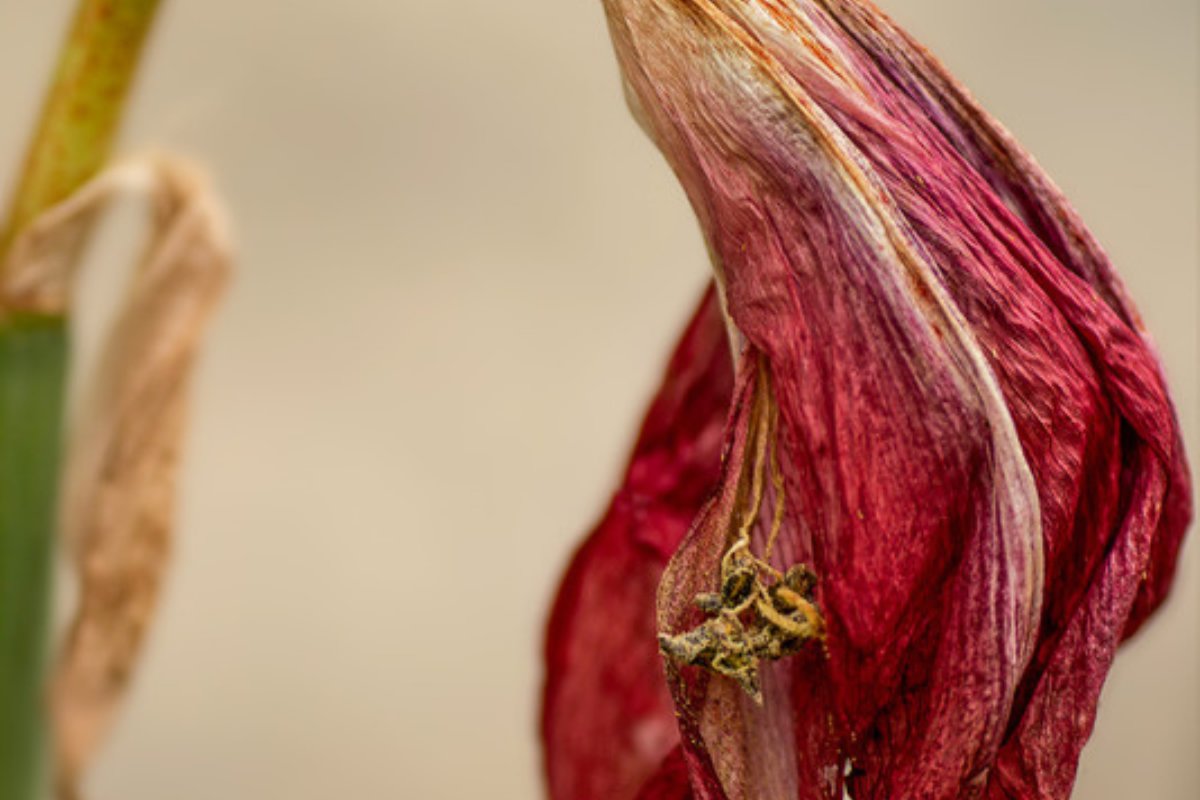
As each flower wilts, snip it off right where it joins the top of the stalk. If you leave the old flowers in place, the plant will try to form seed pods, and that uses up energy the bulb needs to store for next year.
Remove them one by one as they shrivel. Wiping your scissors or pruners with rubbing alcohol first helps keep fungal problems like red blotch from spreading.
2. Leave the Stalk Until It Turns Yellow
The bare green stalk looks a little odd on its own, but it is still green tissue that makes food for the bulb. University of Minnesota Extension recommends leaving it in place until it turns yellow.
Once it yellows, cut it off 1 to 2 inches above the top of the bulb with a sharp knife or pruners, the way Iowa State University Extension suggests. Take care not to nick the leaves while you do it. If the stalk is leaning badly before then, tie it loosely to a stake with a soft tie and keep the stake away from the bulb itself.
3. Keep the Leaves Growing in Bright Light
This is the step that matters most. The long, strap-shaped leaves rebuild the bulb, so never cut them off while they are green, just as you would leave tulip or daffodil foliage after flowering.
Move the pot to the sunniest spot you have indoors. A south-facing window is usually best. University of Maryland Extension calls bright sunlight the single most important factor for getting an amaryllis to bloom year after year. If the leaves turn long, thin and floppy, the plant is not getting enough light, and the bulb will be weaker for it.
4. Water and Feed Through Spring and Summer
Water when the top 2 inches of potting mix feel dry, let the excess drain away, and never leave the pot standing in a saucer of water. Soggy soil is the main cause of bulb and root rot, and it also attracts fungus gnats.
Start feeding once you see new leaf growth. Iowa State recommends a balanced, all-purpose houseplant fertilizer at half strength every 2 to 4 weeks through spring and summer. The more leaf growth and light the plant gets now, the more food the bulb stores for next year's flowers.
5. Move It Outdoors for Summer (Optional)
Summer outdoors gives the bulb extra sun. Wait until all danger of frost has passed; Iowa State uses late May for its region.
Do not put it straight into full sun. Keep it in shade for the first 2 or 3 days, then give it a little more direct sun each day. After 7 to 10 days it should be hardened off and ready for a spot with at least 6 hours of sun. You can set the pot on a patio or sink it into a garden bed. Keep watering in dry spells and feed about once or twice a month through July.
Bring the pot back in before the first fall frost. Amaryllis will not survive freezing temperatures.
6. Give the Bulb a Rest in Late Summer or Fall
An amaryllis does not strictly need a rest to bloom again, but a dry, cool rest is how you control when it flowers. Iowa State also notes that bulbs which do not get a cool period may fail to flower.
In late summer or early fall (Iowa State suggests late September), move the pot to a cool, dark or semi-dark place such as a basement or closet and stop watering. Let the leaves yellow and dry on their own, then cut them off. Keep the bulb at about 50 to 55°F (10 to 13°C) for at least 8 to 10 weeks. Check it now and then for mold or soft spots, and throw out any bulb that has started to rot.
A common mistake is watering well into fall, which keeps the leaves green so the plant never rests.
7. Wake It Up and Repot Only When Needed
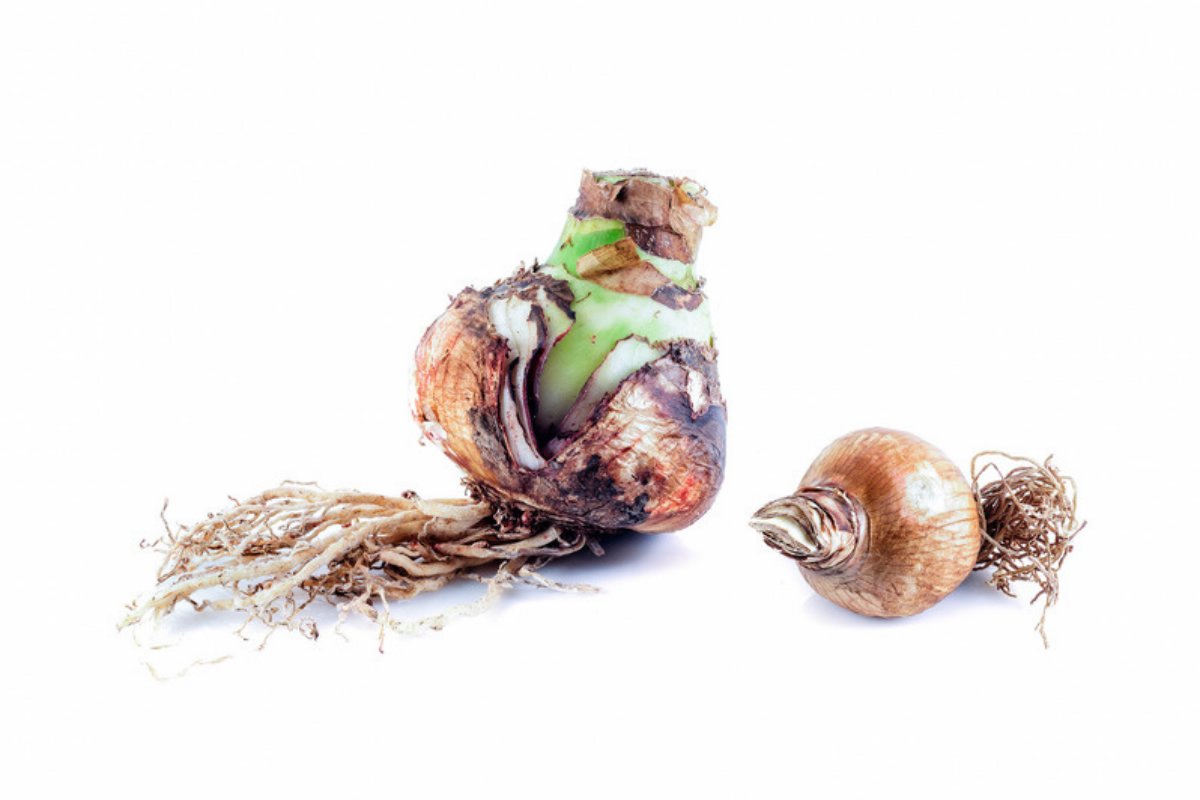
After the rest, move the pot to a bright spot at 70 to 75°F (21 to 24°C) and water it thoroughly. Then keep the mix lightly moist, not wet, until you see growth. Start fertilizing again once the new stalk or leaves appear. Sometimes the bulb starts sprouting while it is still in storage. If you see that, bring it out right away.
Amaryllis bloom best when they are a bit crowded, so you only need to repot every 3 or 4 years, right after the rest period. Pick a pot about 1 inch wider than the widest part of the bulb and use fresh, well-drained potting mix. Leave the top third to half of the bulb above the soil. In the years you do not repot, you can scrape off the top half inch of old mix and replace it with fresh mix. If you are starting a new bulb from scratch, see our step-by-step guide on how to plant amaryllis bulbs.
8. Expect Flowers About 4 to 6 Weeks Later
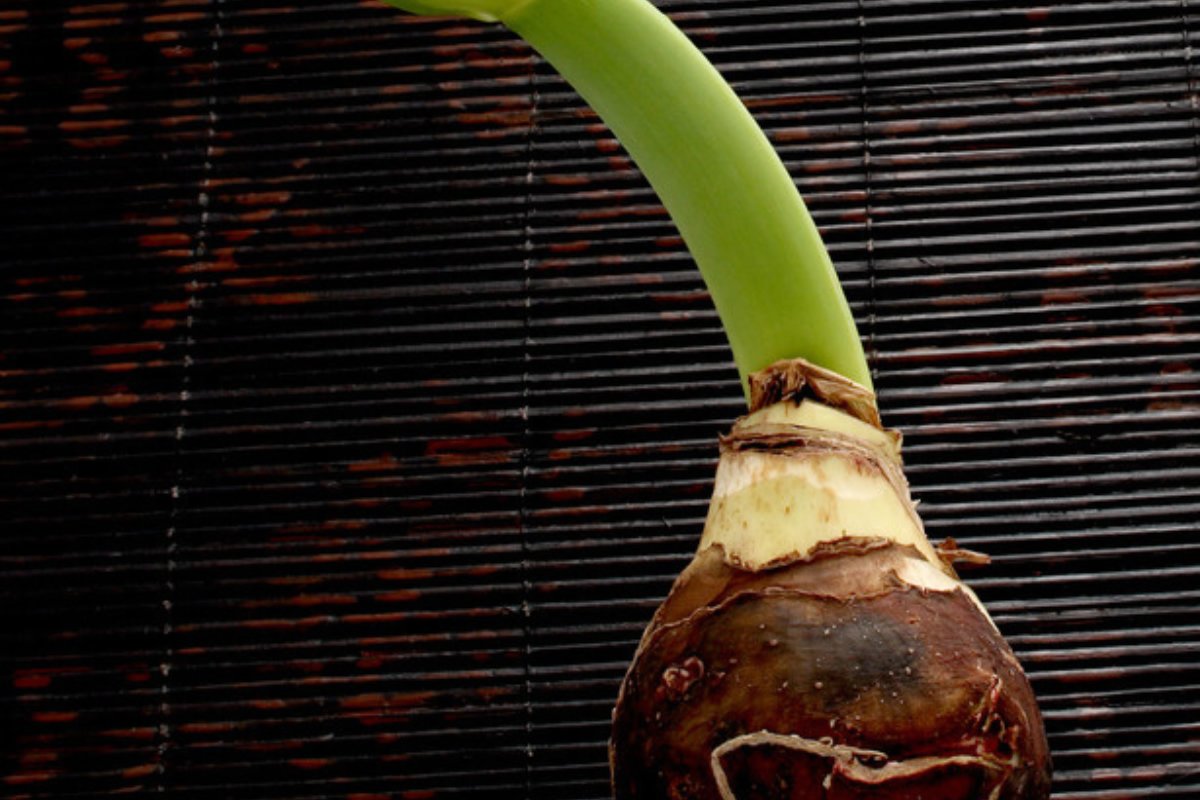
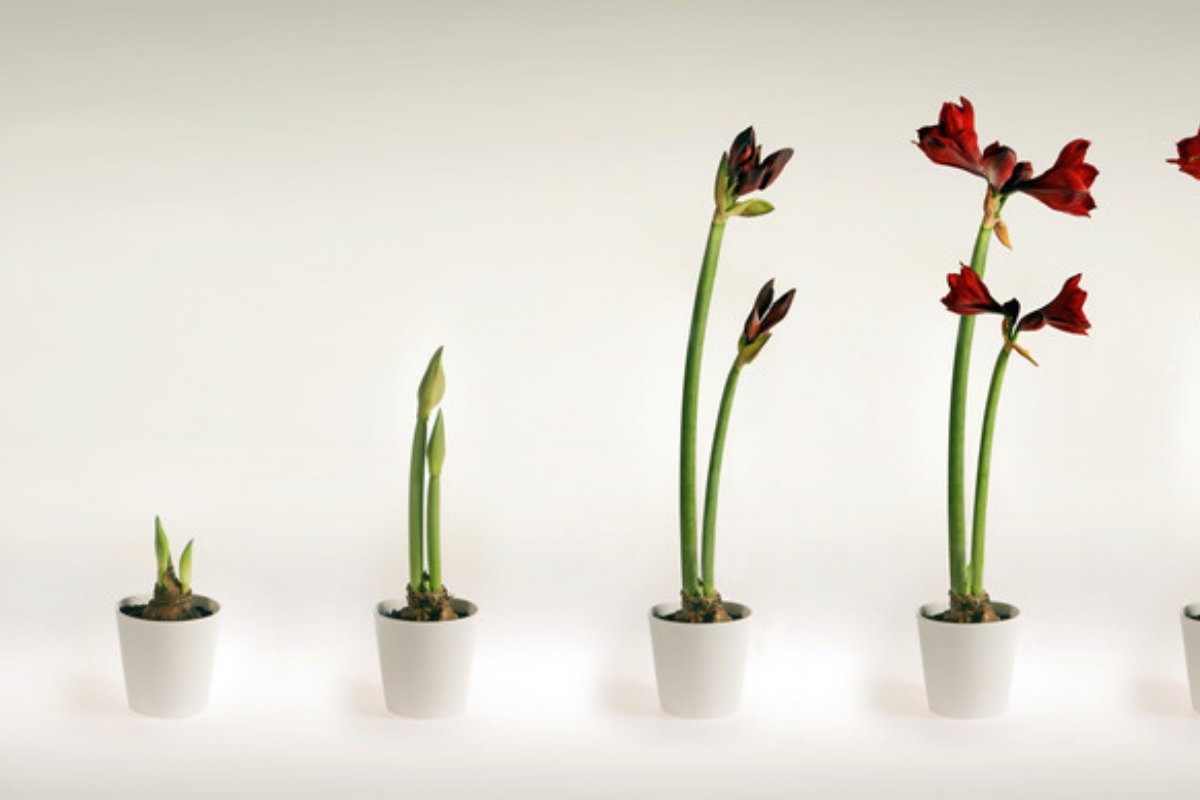
Once a rested bulb is back in warmth and light, flowers usually follow in about 4 to 6 weeks. The flower stalk often appears before the leaves, though sometimes the leaves come first.
If you want blooms around the holidays, count backward: 8 to 10 weeks of rest plus 4 to 6 weeks to flower means starting the rest in late summer or early fall. Big bulbs can send up two or three stalks. For more winter color while you wait, paperwhites and cyclamen are easy companions.
Quick Care Sheet
- Spent flowers: cut off as they fade
- Flower stalk: remove when it yellows, 1 to 2 inches above the bulb
- Leaves: keep until they yellow during the rest
- Light after bloom: sunniest window; outdoors at least 6 hours of sun in summer
- Water: when the top 2 inches of mix are dry
- Fertilizer: balanced, half strength, every 2 to 4 weeks while growing
- Rest: cool, dry and dark, about 50 to 55°F (10 to 13°C), at least 8 to 10 weeks
- Restart: bright spot at 70 to 75°F (21 to 24°C); flowers in about 4 to 6 weeks
- Repot: every 3 or 4 years, pot about 1 inch wider than the bulb
Why Didn't My Amaryllis Bloom Again?
When an amaryllis sends up only leaves, the bulb usually ran short on stored food: the leaves were cut too early, the plant sat in a dim spot, or it was not fed enough in spring and summer. Give it a full growing season with plenty of sun and regular fertilizer, then a proper cool rest.
Skipping the cool period is the other usual cause. A bulb kept warm and watered all year may stay green but never get the signal to flower.
What About Wax-Coated Amaryllis?
Wax-dipped bulbs are sold to bloom once: their roots are trimmed and the flower uses up most of the stored food. To try saving one, peel off the wax (and the wire base, if there is one). If the bulb is still firm, pot it up and grow it like a regular amaryllis. It may take a season or more to flower again, and some never recover.
Frequently Asked Questions
Should I cut the leaves off my amaryllis after it blooms?
No. Keep the leaves as long as they are green. They feed the bulb for next year's flowers. Only cut them once they have yellowed and dried during the rest period.
Does an amaryllis need to go dormant to rebloom?
It can bloom without a full dormancy, but a cool, dry rest is the most reliable way to get flowers and to time them. Iowa State notes that bulbs may not flower without about 8 to 10 weeks at 50 to 55°F.
Is amaryllis poisonous to pets?
Yes. Both the bulb and the plant are poisonous, so keep the pot and any stored bulbs where pets and children cannot get to them.
More Gardening Ideas
- How to Grow Paperwhites Indoors for Holiday Blooms
- Cyclamen Care Indoors: 9 Tips to Keep It Blooming All Winter
- Holiday Cacti: Care Tips for the Thanksgiving Cactus Plant
- Why Do Poinsettias Die So Quickly?
Treat your amaryllis as a year-round houseplant, and the same bulb can bloom for many winters.
More Gardening Tips 👇🏼👇🏼