
Succulents 10 Tips for Beginners


Starting with succulents is wonderfully rewarding: they’re sculptural, forgiving, and endlessly collectible.
This guide lays out the 10 essentials for succulent care so you can avoid common pitfalls and grow compact, colorful plants confidently.
From bright light and the soak-and-dry watering method to well-draining soil and smart repotting, these fundamentals will set you up for success.
1) Choose Beginner-Proof Varieties
Begin with plants that tolerate learning curves and typical indoor light.
Echeveria

Tight rosettes that color up with strong light. Indoors, aim for a bright south or west window; rotate periodically to keep symmetry.
Water deeply, then let the mix dry completely.
Use a gritty, fast-draining blend and a pot with a drainage hole to avoid rot.
Sedum

Sun-loving clumps or trailers that are tough and forgiving.
They thrive in bright light and enjoy outdoor summer conditions.
Water infrequently with soak-and-dry, and favor a mineral-heavy mix that sheds moisture quickly.
Crassula (Jade)
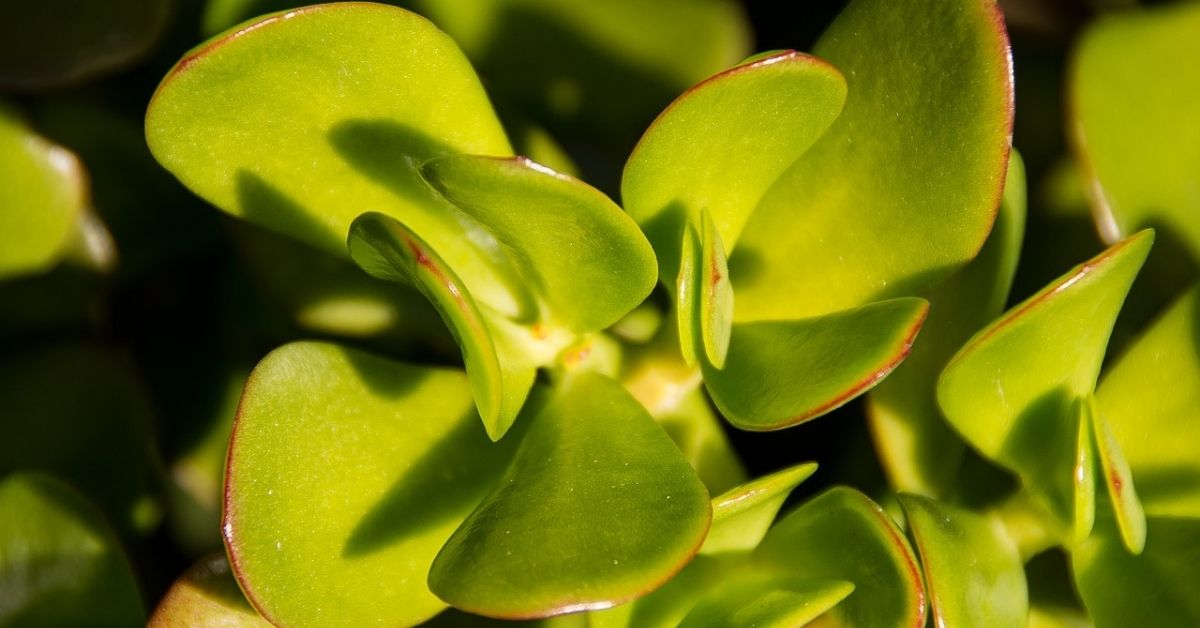
Architectural stems and thick leaves that love a sunny window.
Water when the mix is fully dry; steady but infrequent is best. Use an airy blend and a stable pot to support top-heavy growth as it matures.
Aloe (dwarf types)

Graphic, architectural foliage that appreciates several hours of sun.
Follow soak-and-dry, reducing frequency in winter. A grit-rich mix and real drainage keep roots aerated and happy.
Sempervivum (hens-and-chicks)
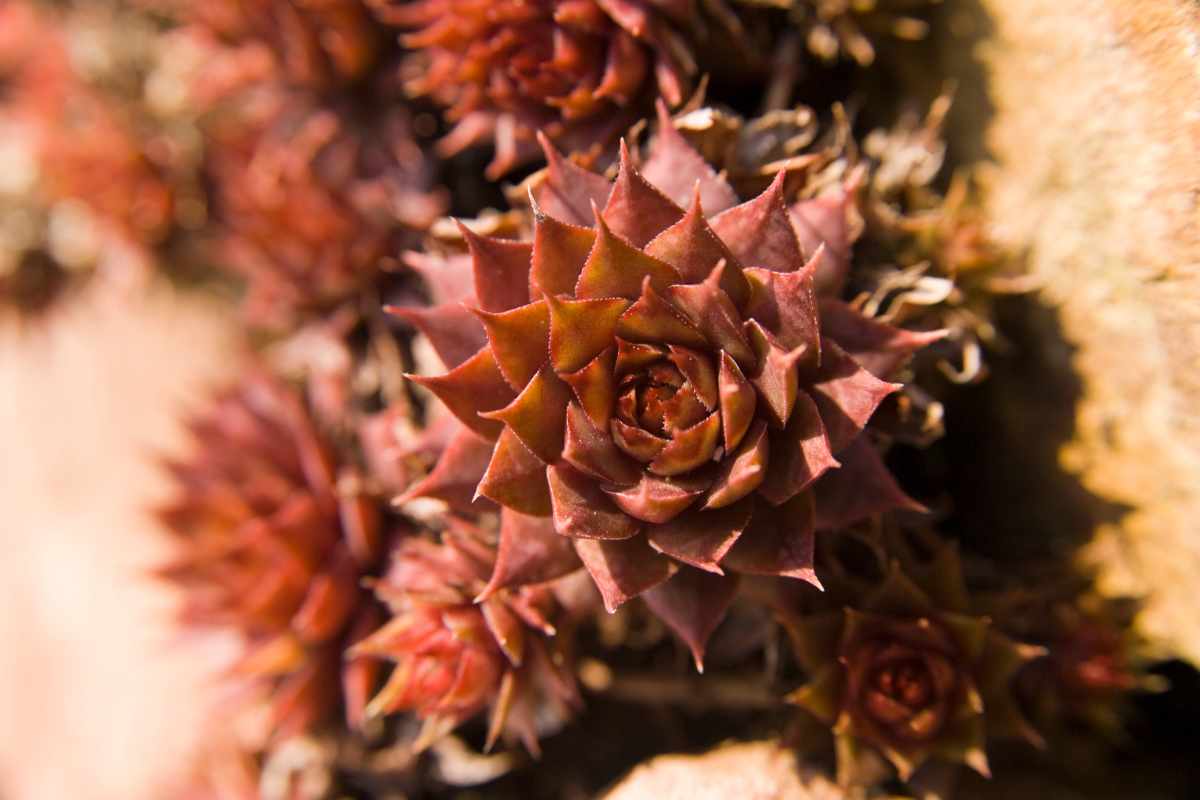
Cold-hardy rosettes are well-suited to outdoor containers in temperate climates.
Provide full sun and excellent drainage. Water sparingly; offsets (“chicks”) make quick, satisfying clusters.
2) Give the Right Light to Prevent Stretching
Light quality determines form and color. Too little light causes etiolation—stems elongate, rosettes loosen, and colors wash out.
Place sun-lovers at your brightest window (often south or west) and rotate every week or two for even growth.
In dim homes or during winter, a compact LED grow light for 10–12 hours can preserve compact shapes without overheating foliage.
Firm leaves and close spacing signal adequate light; scorched patches or crispy tips mean it’s slightly too intense.
3) Water with the Soak-and-Dry Method
Succulents thrive on deep, infrequent watering.
Fully saturate until water drains from the drainage hole, then wait until the mix is completely dry before watering again.
Intervals shift with light, pot size, and season—often 7–14 days in bright summer conditions and far longer in winter.
Overwatering shows mushy, translucent leaves; underwatering shows wrinkling that plumps after a thorough drink.
When in doubt, wait a day and recheck.
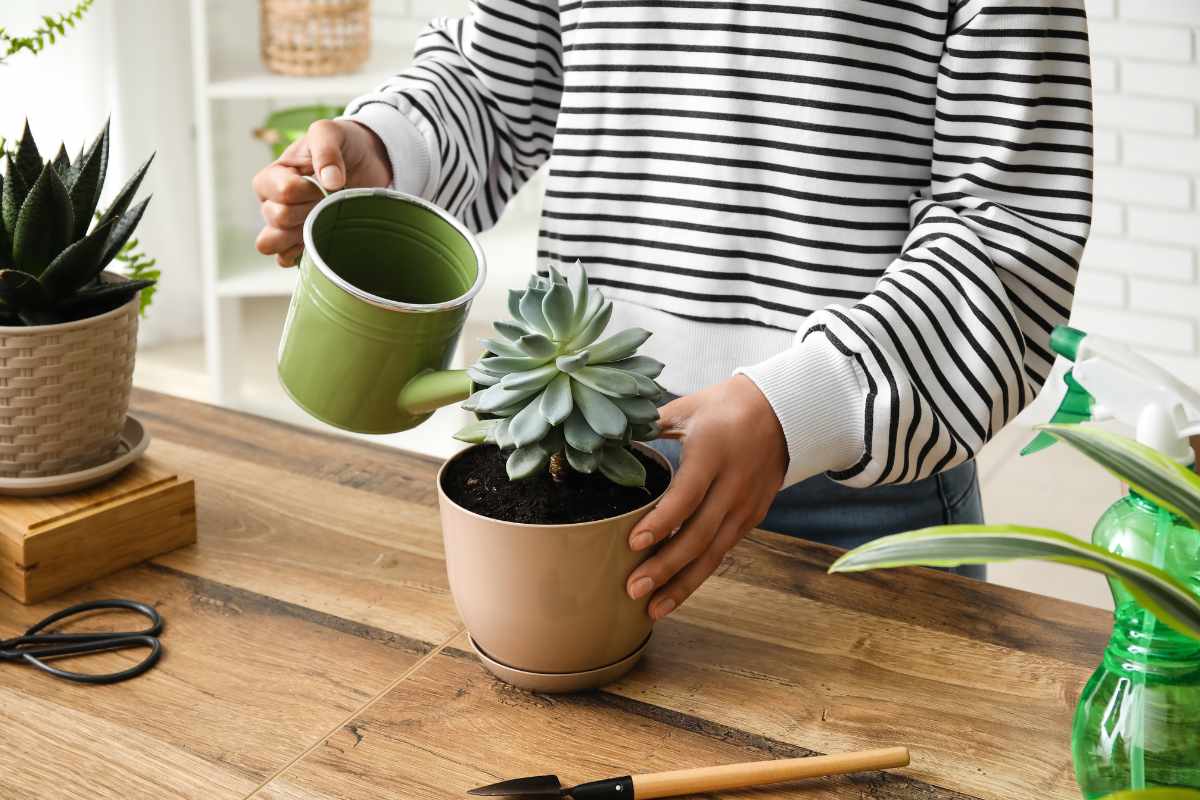
4) Use a Fast-Draining Potting Mix
Roots need air as much as moisture.
Start with two parts quality potting soil to one part mineral grit (pumice, coarse perlite, or fine gravel) and adjust to your climate: more grit in humid homes; a touch more organic matter where air is extremely dry.
Avoid moisture-retentive additives meant for tropical houseplants. A light gravel top-dress keeps leaves clean but shouldn’t hide soil that stays wet.
5) Plant Only in Pots with Real Drainage
A true drainage hole is non-negotiable. Terracotta helps mix dry evenly; glazed ceramic works if it drains freely.
Decorative cachepots are fine if you empty any standing water after each watering—roots sitting in runoff invite rot.
Pebbles at the bottom don’t replace drainage and can trap water around roots.
6) Adjust for Temperature, Season, and Dormancy
Most tender houseplant succulents prefer 15–27 °C (60–80 °F) and are damaged by frost. In summer, introduce outdoor sun gradually over a week to avoid scorch; morning sun with afternoon shade is gentle.
In winter, shorter days call for brighter placements or supplemental light, and watering intervals naturally lengthen.
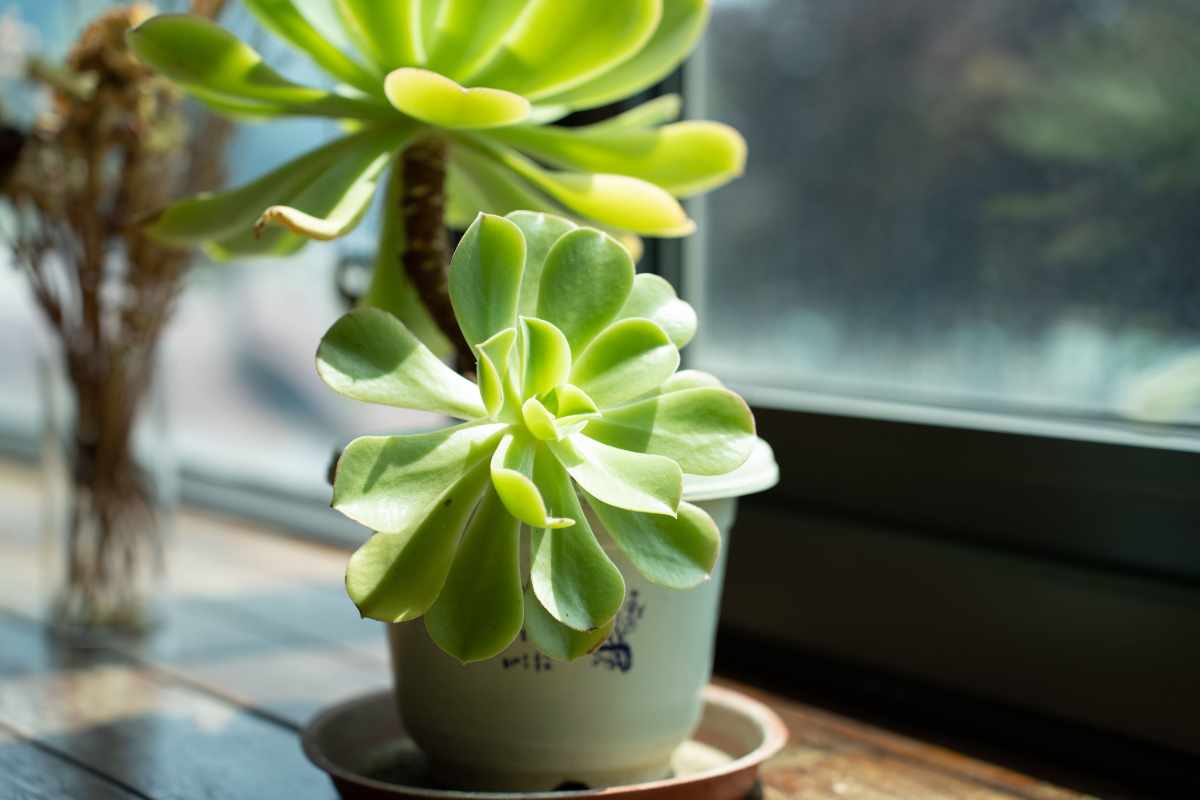
Some genera, like Aeonium, rest in hot weather and wake in cooler months—watering less during rest periods keeps roots healthy.
7) Fertilize Lightly During Active Growth
Succulents are light feeders, but modest nutrition in spring and summer supports steady, compact growth.
Use a diluted, balanced fertilizer at ¼–½ strength about once a month, and skip fertilizing in winter or during rest.
Flushing the pot with plain water a couple of times per season helps prevent salt buildup that can burn roots.
8) Prevent and Treat Common Pests Early
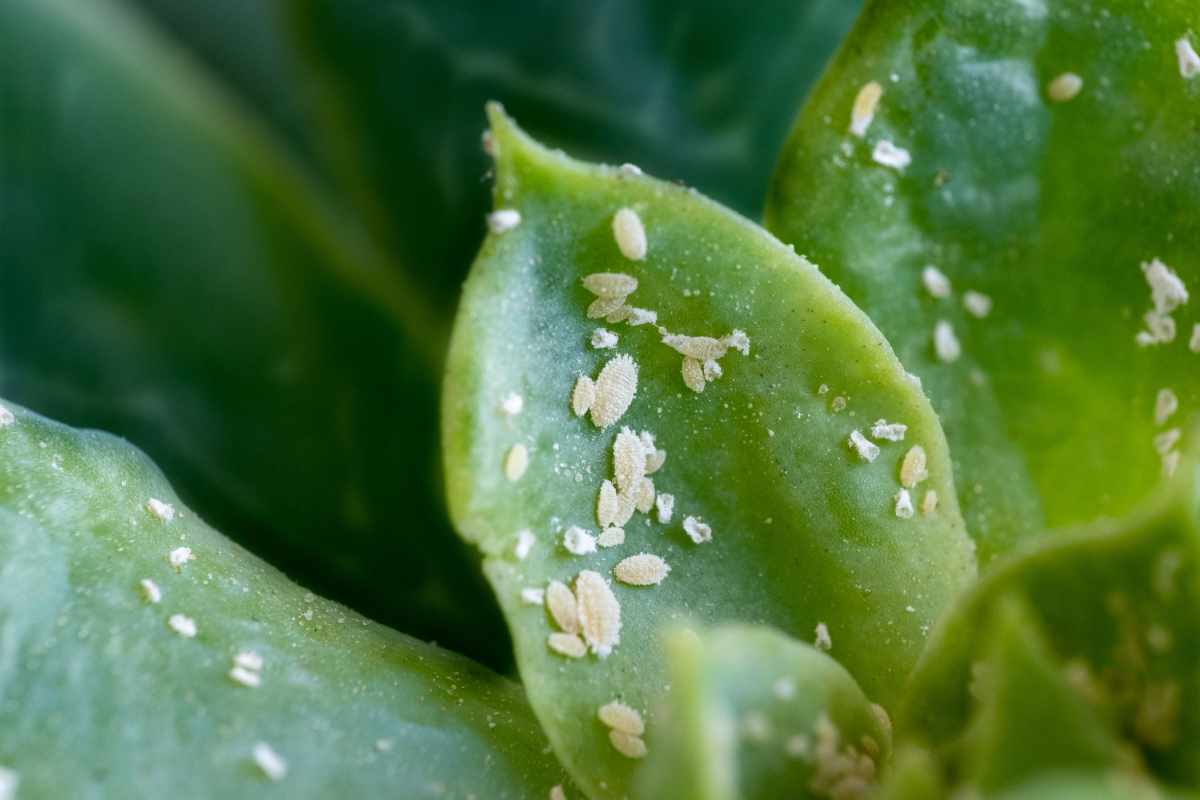
Bright, airy conditions and sensible watering deter most issues, but inspections matter. Mealybugs hide in leaf axils like tiny cotton tufts—dab with isopropyl alcohol and repeat weekly.
Fungus gnats signal a chronically damp mix—let soil dry longer, use sticky traps, and shift toward a grittier blend.
Scale looks like hard, brown bumps—scrape gently or spot-treat with alcohol, pruning heavily affected stems.
Quarantine new plants for a couple of weeks so hitchhikers don’t spread.
9) Propagate Smartly: Cuttings and Offsets
Propagation multiplies favorites and refreshes leggy plants.
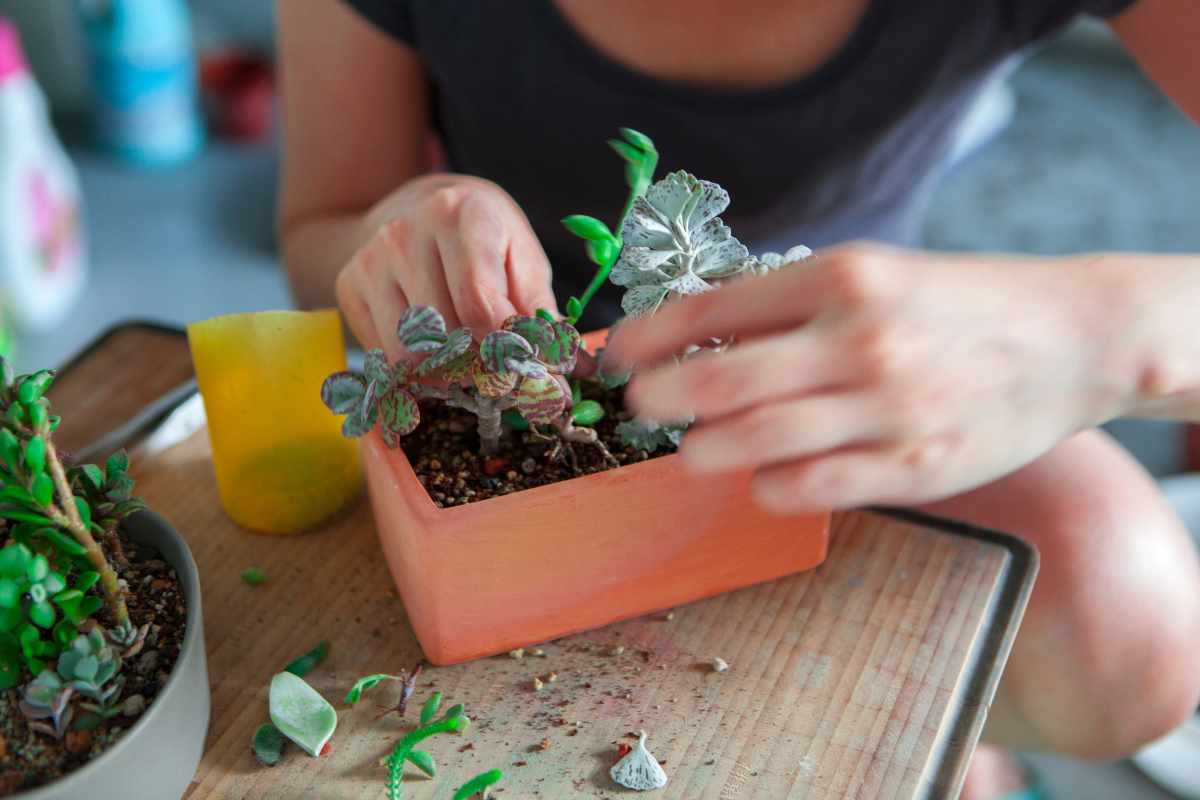
Leaf cuttings root best when removed cleanly, allowed to callus for a day or two, and laid on barely damp, gritty mix; mist lightly at first rather than soaking.
Stem cuttings follow the same callus-then-root rhythm. Offsets can be separated once they show roots of their own.
Expect roots to form before top growth resumes—patience pays off.
10) Repot Strategically—Small Jumps, Fresh Mix
Repot every year or two, or when water rushes straight through, roots coil tightly, or the plant repeatedly topples its pot.
Move up one size only, refresh the mix, and resist oversized containers that keep soil wet too long.
After repotting, let any cuts dry, then resume deep watering once the plant has settled—late spring is a gentle moment for most species.
Pet Safety Note
Households with curious pets should know that Jade (Crassula), Kalanchoe, and many Euphorbia can be toxic if chewed.
Pet-friendlier options include Haworthia and many Sempervivum. When unsure, consult a reliable pet-plant toxicity database and keep any irritating saps out of reach.
Down below, we share a video by Garden Answer, a trusted creator for clear, beginner-friendly demonstrations.
Seeing potting mix texture, watering pace, and light placement in action will help you apply these tips confidently at home.
Enjoy This Video About Succulent Tips
Source: Garden Answer
Don’t forget to Subscribe to our Newsletter to receive amazing tips and tricks about Gardening and the FREE Ebook Green Living Strategies!
Did you find this post Useful or Inspiring? Save THIS PIN to your GARDENING Board on Pinterest! 😊

Once again, thank you for visiting our website!
We hope you've enjoyed exploring the content we've created for you.
Give yourself the chance to learn, get inspired, and have even more fun, keep browsing...
More Gardening Tips 👇🏼👇🏼