
How to Grow and Repot the Window or Crystal Succulent


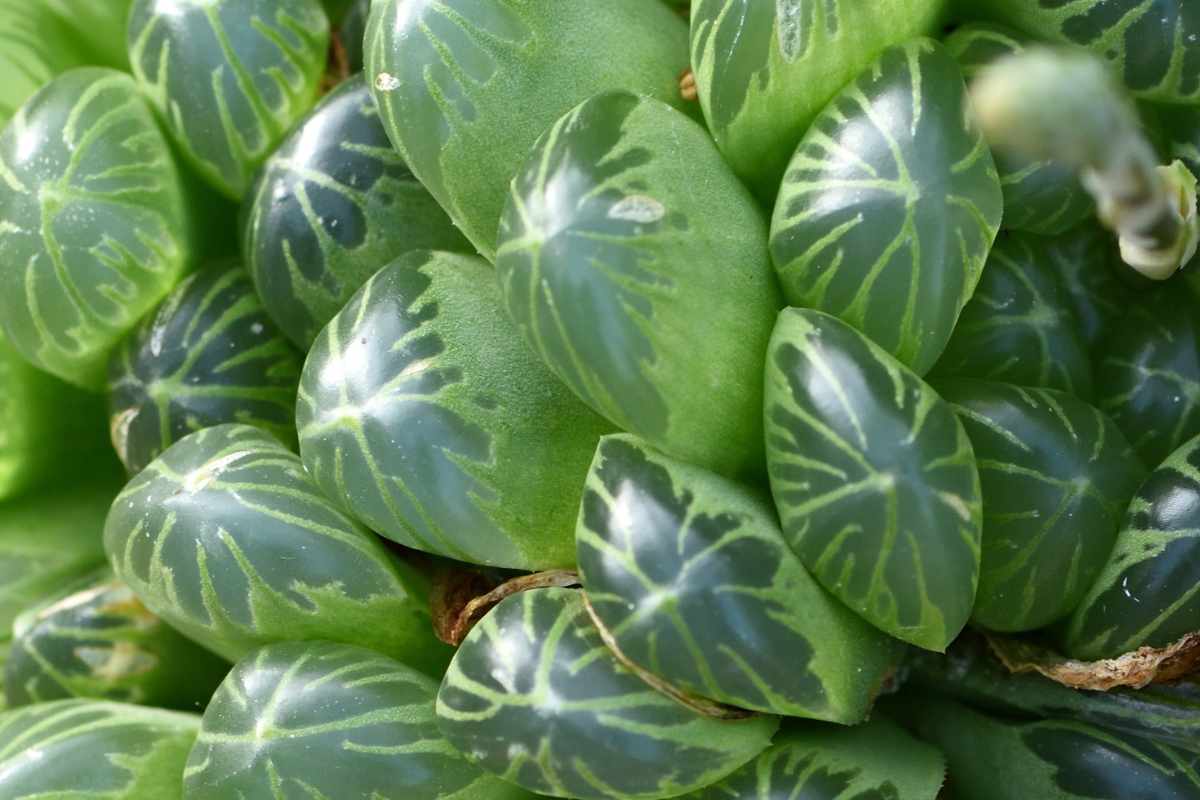
The window succulent, also known as the crystal succulent or Haworthia cooperi, is one of the most striking houseplants you can add to your collection.
Its translucent leaves resemble small bubbles catching the light, making it a conversation starter in any room.
Growing and repotting this plant isn’t complicated, but it does require some specific care to keep it thriving.
In this guide, we’ll walk through everything you need to know, from daily care to when and how to repot it successfully.
What Makes the Window Succulent Unique?
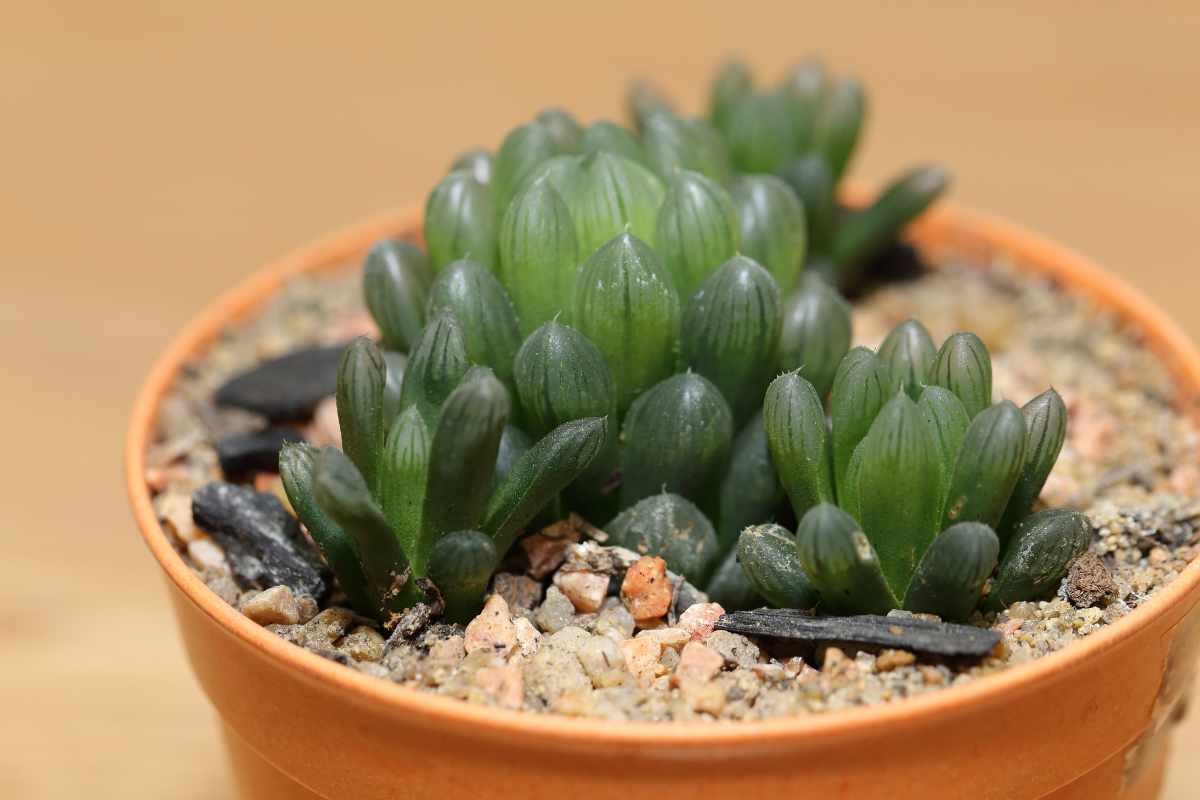
The Haworthia cooperi comes from South Africa and belongs to the Aloe family.
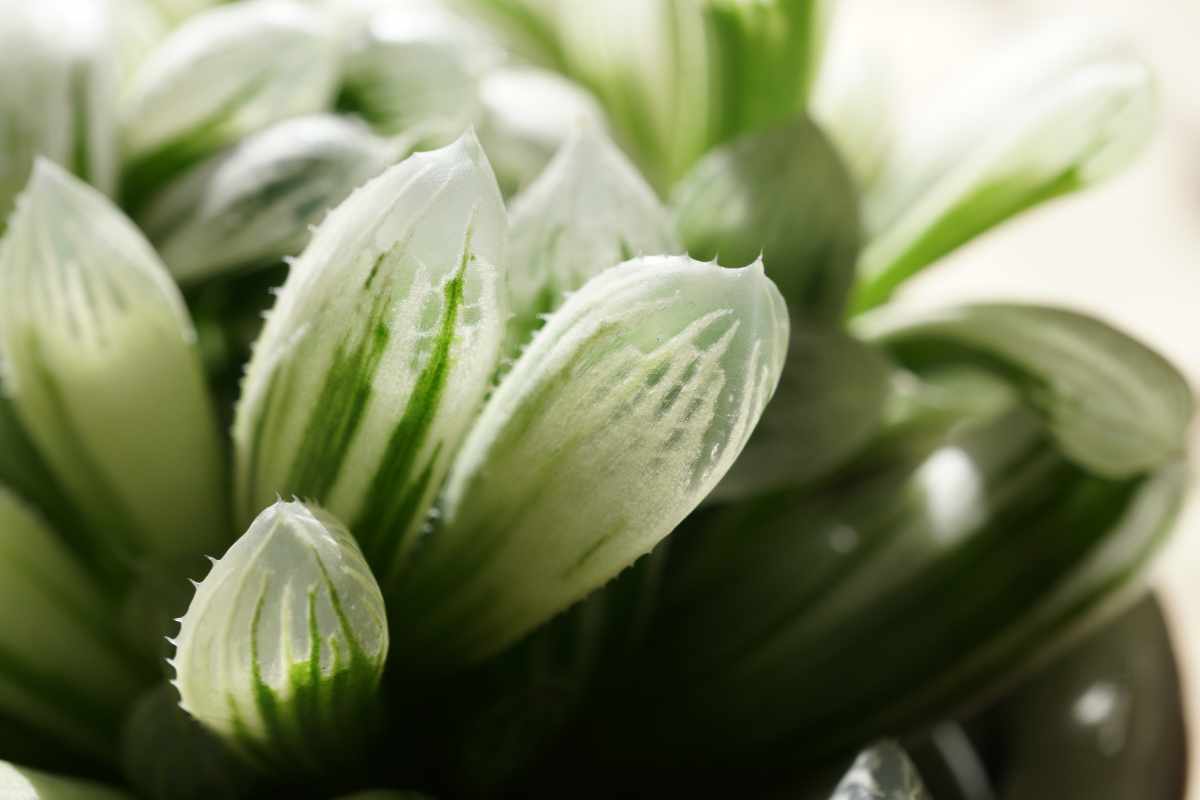
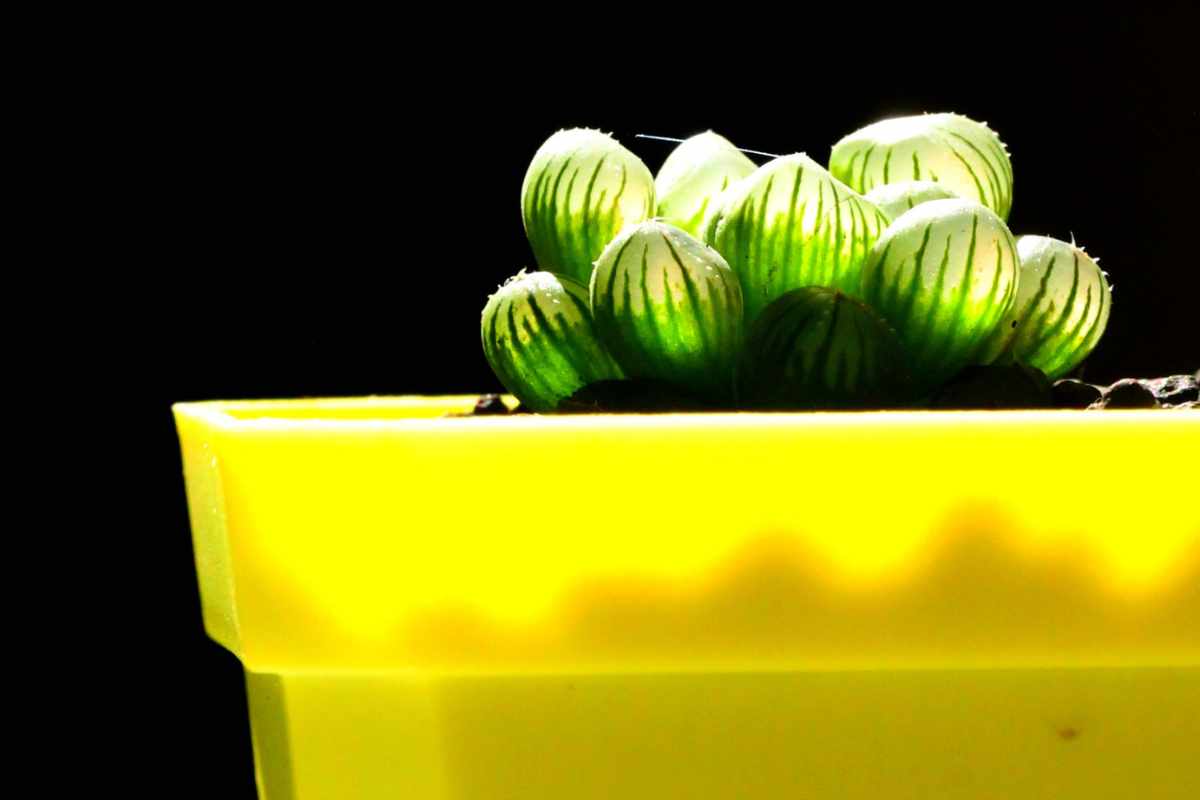
Unlike most succulents, its leaves have transparent “windows” at the tips that allow light to penetrate deep inside.
This adaptation helps it survive in its natural habitat, where sunlight can be intense.
Key characteristics:
Rosette shape with fleshy, bubble-like leaves.
Compact growth, usually only a few inches tall.
Produces small white flowers on long stems during summer.
Ideal for indoor growing because it tolerates lower light compared to other succulents.
When to Repot the Window Succulent
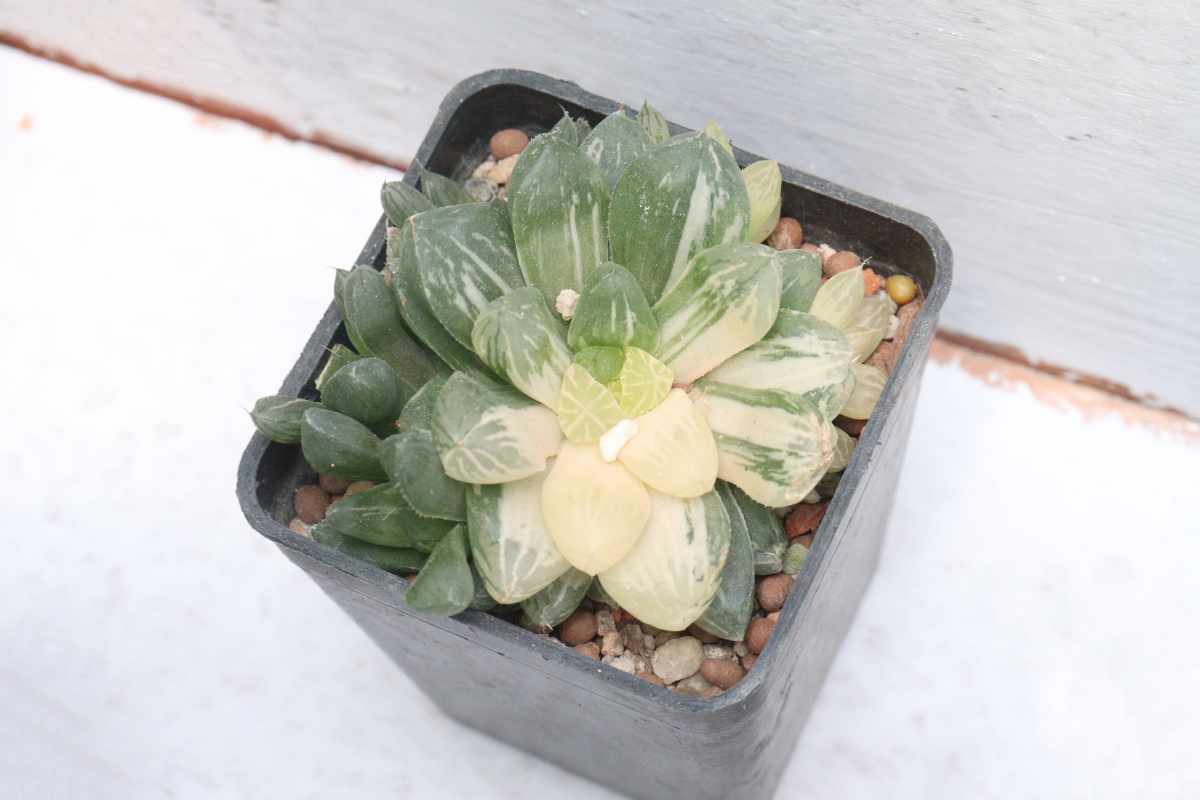
Unlike fast-growing plants, Haworthia cooperi grows slowly and doesn’t need frequent repotting. A general rule is to repot every 2–3 years or when:
Roots start circling the bottom of the pot.
The plant looks crowded, and offsets (pups) are pushing against each other.
Soil has compacted and no longer drains well.
Repotting not only gives the plant more space but also refreshes the soil, preventing root problems.
Step-by-Step: How to Repot Haworthia cooperi
Here’s a simple process to repot your crystal succulent safely:
Choose the right pot
- Use a shallow container with drainage holes.
- A terracotta pot is ideal, as it allows soil to dry faster.
Prepare the soil mix
- Combine 2 parts cactus soil, 1 part perlite, and 1 part pumice or coarse sand.
Remove the plant carefully
- Gently loosen the soil and slide the plant out.
- Shake off old soil, and inspect the roots for rot or damage. Trim unhealthy roots with clean scissors.
Divide offsets (optional)
- If the mother plant has produced pups, you can separate them and plant them individually.
Plant in the new pot
- Place the plant at the same depth as before.
- Fill in with fresh soil, leaving space at the top for watering.
Water lightly
- Wait 2–3 days before watering to allow roots to settle and heal.
- Then water gently, and continue with the soak-and-dry method.
Common Problems and How to Fix Them
Even hardy succulents like Haworthia cooperi can face issues. Here are the most frequent ones:
Mushy or transparent leaves → Usually from overwatering. Let the soil dry fully, and check roots for rot.
Shriveled leaves → Could be underwatering or too much direct sunlight. Adjust watering and move to filtered light.
No growth / very slow growth → Normal in winter dormancy. If during summer, check soil quality or light levels.
Pests → Mealybugs and spider mites may appear. Treat with neem oil or insecticidal soap.
Learning how to grow and repot Haworthia cooperi ensures that this rare and beautiful plant continues to brighten your home for years.
With the right soil, watering habits, and occasional repotting, you’ll enjoy a thriving crystal succulent that turns light into magic.
Enjoy This Video Tutorial

Source: johnny A
Don’t forget to Subscribe to our Newsletter to receive amazing tips and tricks about Gardening and the FREE Ebook Green Living Strategies!
Did you find this post Useful or Inspiring? Save THIS PIN to your GARDENING Board on Pinterest! 😊

Once again, thank you for visiting our website!
We hope you've enjoyed exploring the content we've created for you.
Give yourself the chance to learn, get inspired, and have even more fun, keep browsing...
More Gardening Tips 👇🏼👇🏼