
Guide On How to Grow Dragon Fruit


Dragon fruit, also known as pitaya, is a strikingly beautiful cactus that produces delicious and nutritious fruit.
Growing your own dragon fruit at home is not only rewarding but also surprisingly easy with the right care, soil, and support.
Even if you have limited space, you can enjoy fresh pitayas from a container or backyard garden.
Choosing the Right Location
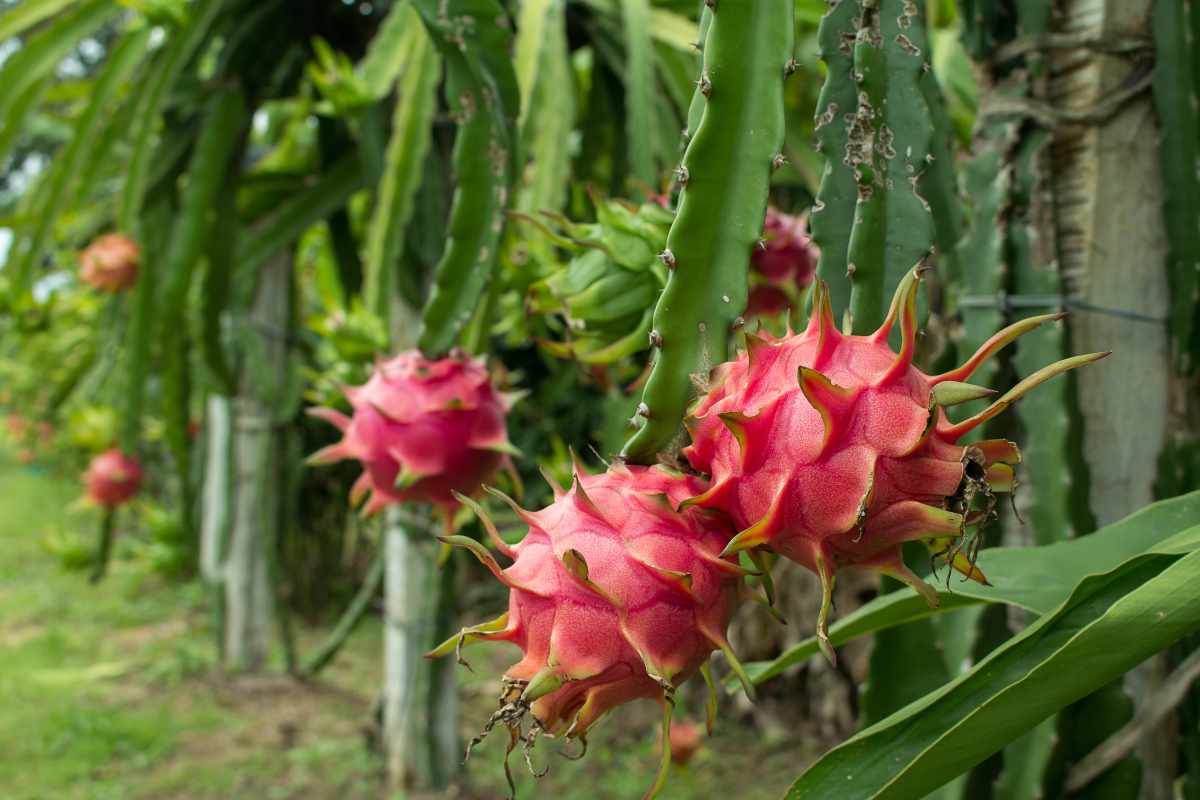
Dragon fruit thrives in warm, sunny climates. Select a spot that receives at least 6–8 hours of sunlight daily.
The plant prefers temperatures between 65°F and 85°F (18–29°C).
If you live in a cooler area, consider growing dragon fruit in a container so you can move it indoors during colder months.
Preparing the Soil
Dragon fruit grows best in well-draining soil. A mix of sandy soil, compost, and a little perlite works perfectly.
Avoid heavy clay soils, as they can retain too much water and cause root rot.
Make sure your container or garden bed has excellent drainage, as pitayas dislike standing water.
Planting and Propagation
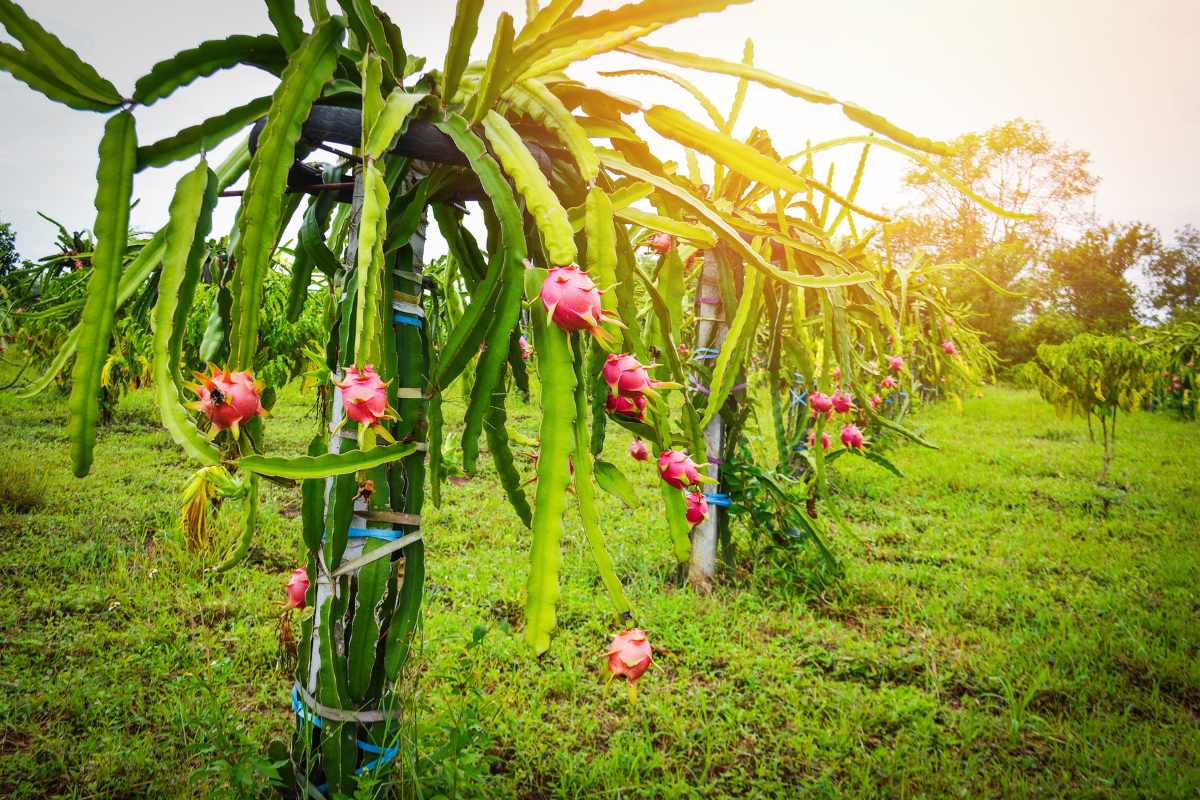
You can grow dragon fruit from seeds or cuttings, though cuttings produce fruit faster.
From cuttings: Allow the cuttings to callus for a few days before planting them in soil. Plant them upright and provide a stake or trellis for support.
From seeds: Sow seeds in a seed tray with well-draining soil, lightly covering them. Keep the soil moist and warm until germination occurs, which usually takes 1–4 weeks.
Caring for Your Dragon Fruit Plant
Watering
Dragon fruit is drought-tolerant but grows best with regular watering.
Water deeply when the top 2 inches of soil are dry, but avoid overwatering, which can lead to root rot.
Sunlight
Ensure your plant receives plenty of direct sunlight.
While dragon fruit tolerates partial shade, full sun encourages stronger growth and more fruit production.
Fertilization
Feed your dragon fruit every 2–3 months with a balanced fertilizer high in potassium and phosphorus to promote flowering and fruiting.
Avoid excessive nitrogen, which encourages leafy growth at the expense of flowers.
Pruning and Support
Dragon fruit is a climbing cactus and requires support structures like trellises, posts, or fences.
Prune old or overcrowded stems to improve airflow and encourage new growth.
Proper pruning also helps the plant direct energy toward flowering and fruit production.
Pollination and Flowering
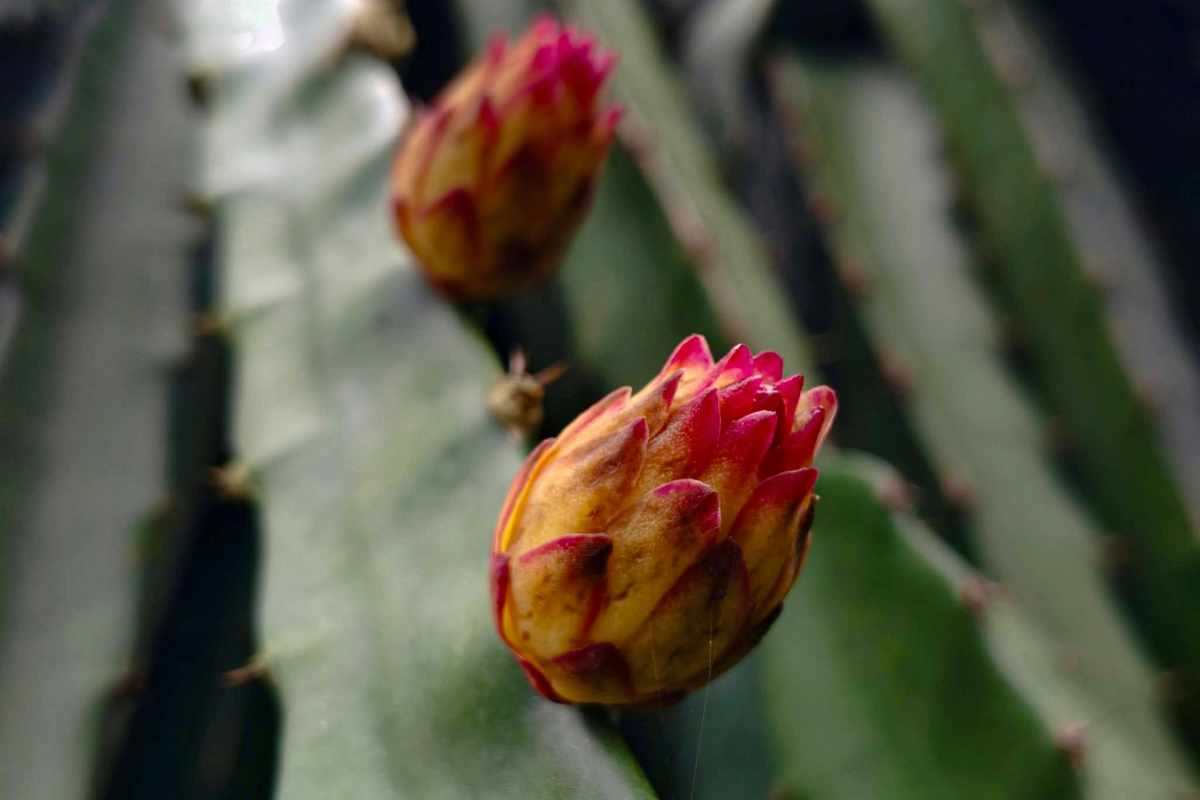
Dragon fruit flowers are nocturnal and may require hand pollination if natural pollinators are scarce.
Gently transfer pollen from one flower to another using a soft brush to increase fruit set.
Harvesting Your Dragon Fruit
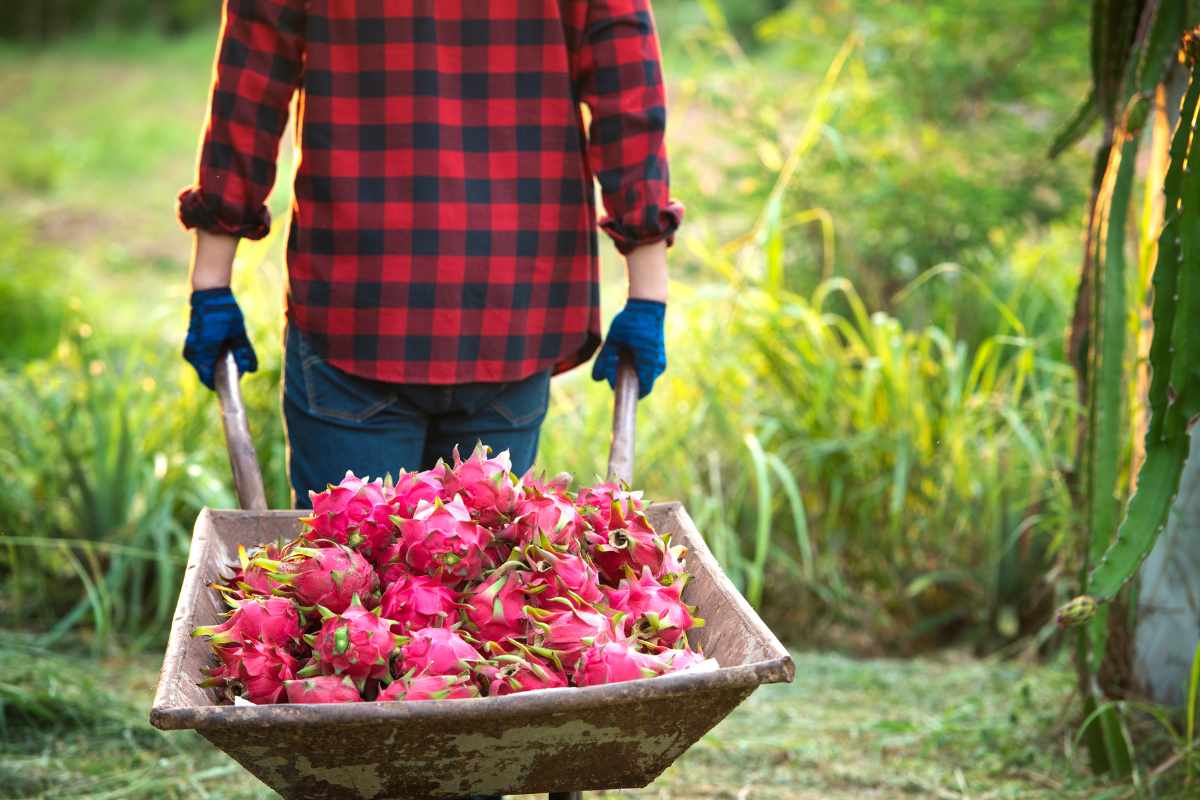
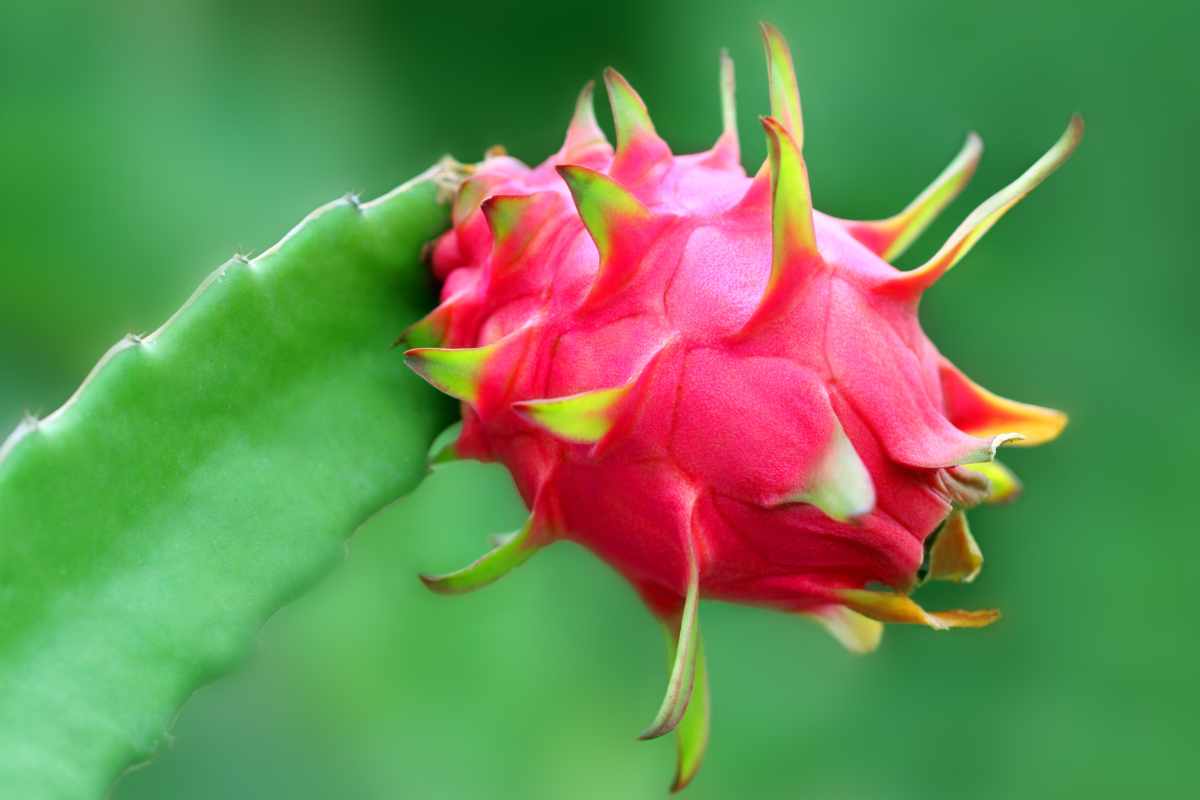
Dragon fruit is ready to harvest 30–50 days after flowering, when the fruit turns bright pink or red.
Gently twist or cut the fruit from the stem. Avoid leaving overripe fruit on the plant, as it can attract pests.
Tips for Successful Dragon Fruit Growth
Use deep containers or trellises for vertical growth.
Rotate planting locations if growing in the ground to maintain soil health.
Monitor for pests such as aphids or mealybugs and remove them promptly.
Mulch around the base to retain moisture and regulate soil temperature.
Growing dragon fruit at home is a fulfilling project that rewards you with beautiful flowers and delicious, tropical fruits.
With the right care, your dragon fruit plant can thrive and become a stunning focal point in your garden or balcony.
Enjoy This Video Tutorial

Source: Epic Gardening
Don’t forget to Subscribe to our Newsletter to receive amazing tips and tricks about Gardening and the FREE Ebook Green Living Strategies!
Did you find this post Useful or Inspiring? Save THIS PIN to your GARDENING Board on Pinterest! 😊

Once again, thank you for visiting our website!
We hope you've enjoyed exploring the content we've created for you.
Give yourself the chance to learn, get inspired, and have even more fun, keep browsing...
More Gardening Tips 👇🏼👇🏼