
Kalanchoe Tomentosa "Panda Plant" is so Great for Beginners!


The Kalanchoe tomentosa, commonly called the Panda Plant, is a charming succulent native to Madagascar.
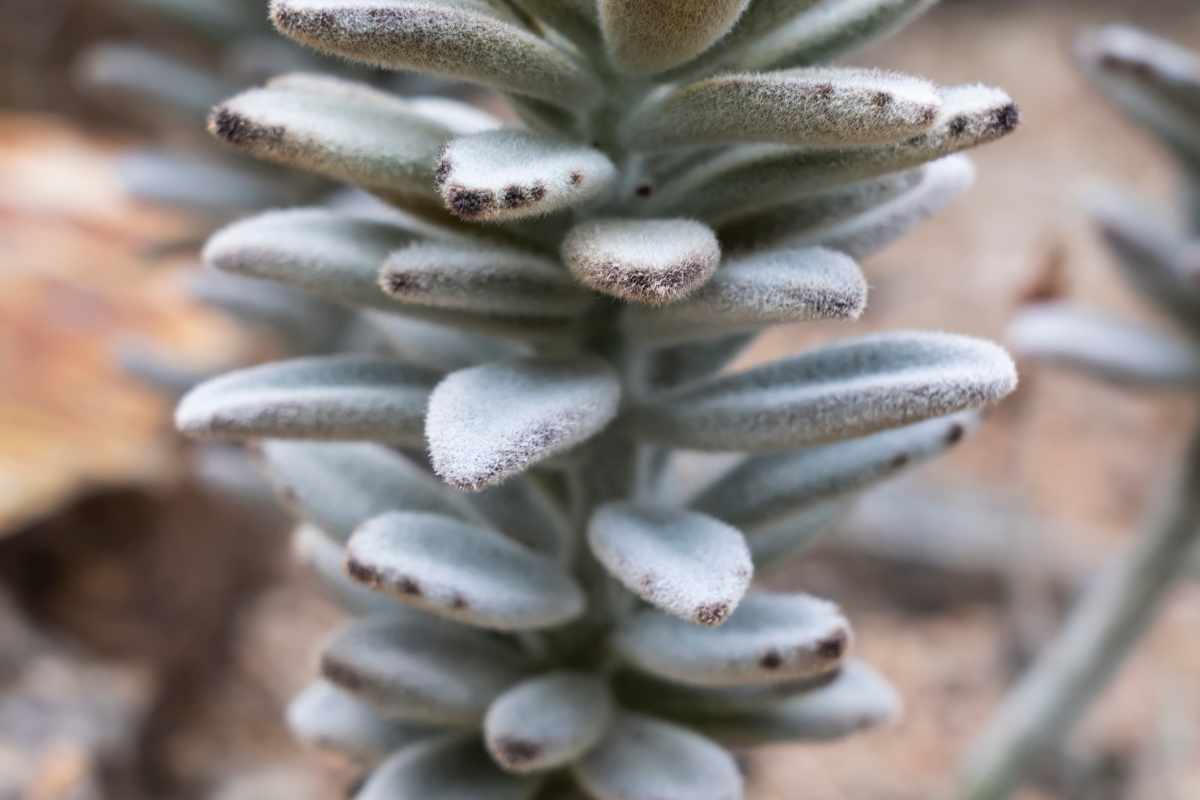
Its fuzzy, silver-green leaves with brown tips make it instantly recognizable and a favorite among beginners.
This low-maintenance plant thrives indoors or in sunny outdoor spaces and can bring texture and color to any home or garden.
Ideal Growing Conditions
Light Requirements
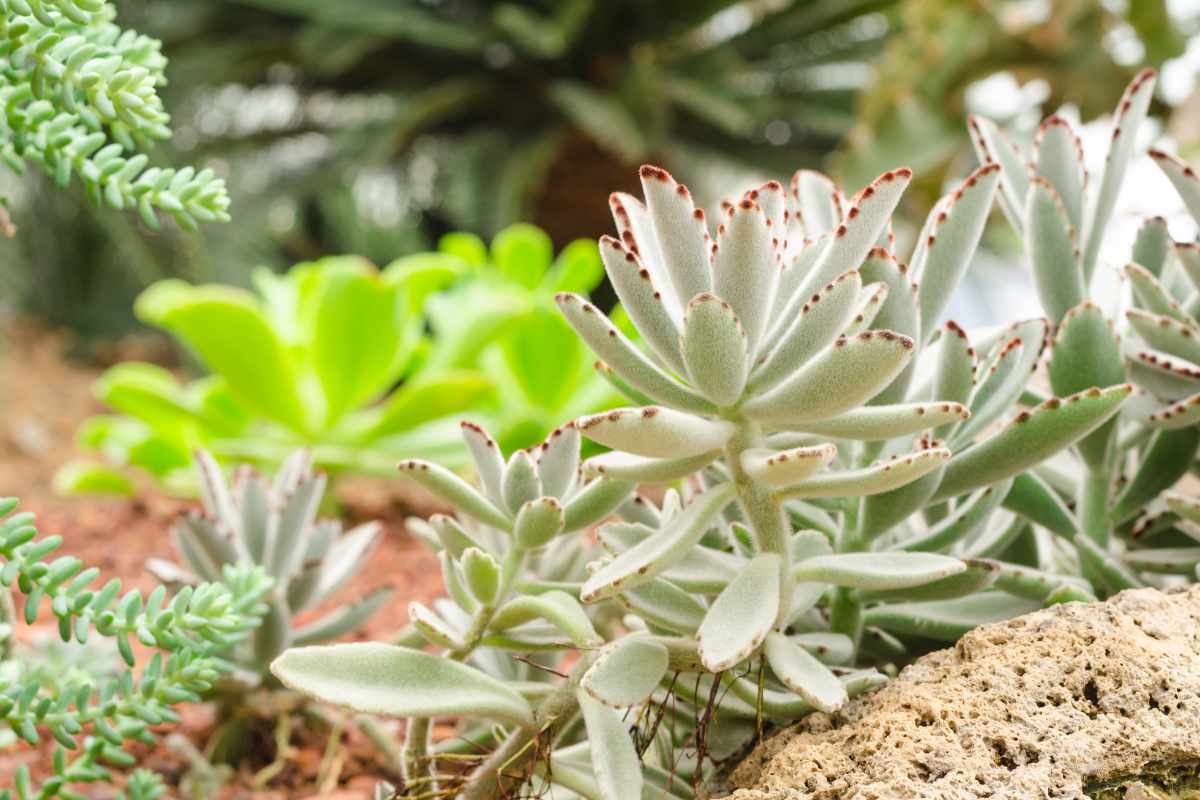
Panda Plants love bright, indirect sunlight.
A south- or east-facing window is perfect for indoor plants, while outdoors, they do well in partial sun to avoid leaf scorching.
Too little light can cause the leaves to stretch and lose their compact shape.
Soil and Drainage
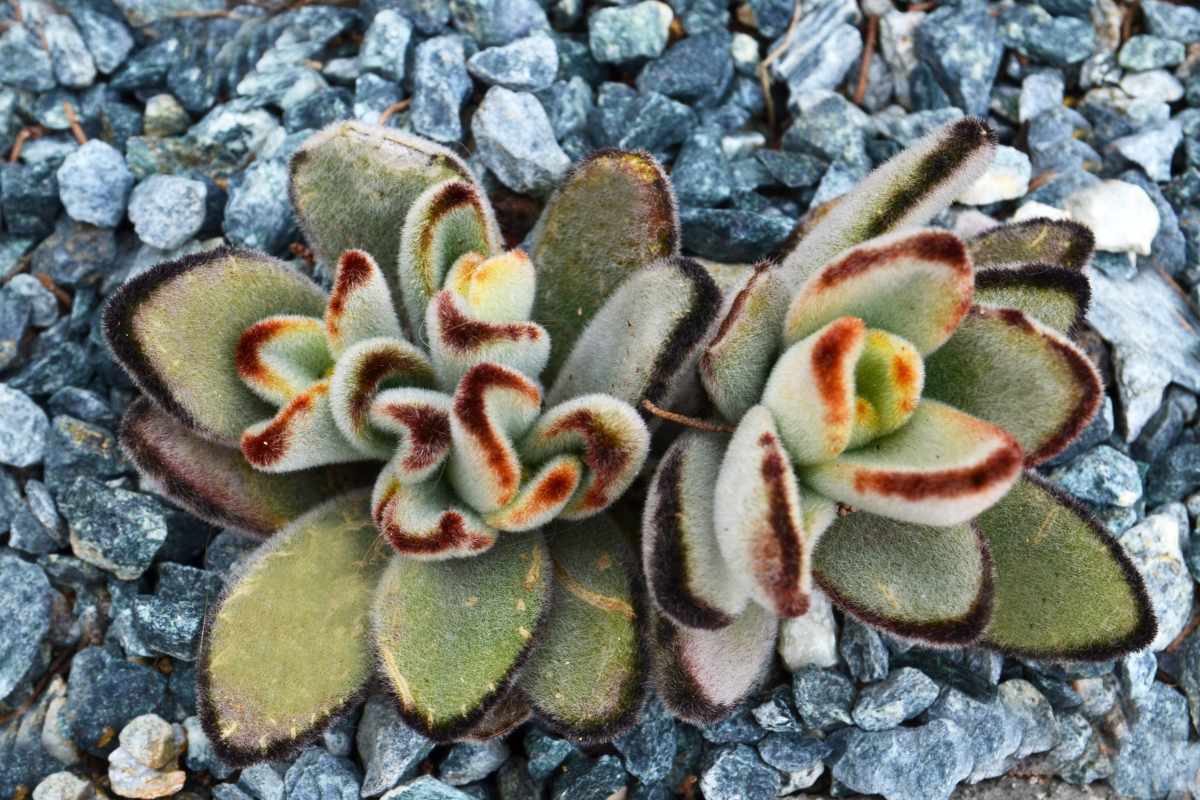
Use a well-draining succulent or cactus soil mix to prevent root rot. Adding sand or perlite improves drainage.
Ensure your pot has a drainage hole to keep water from pooling at the bottom.
Watering Tips
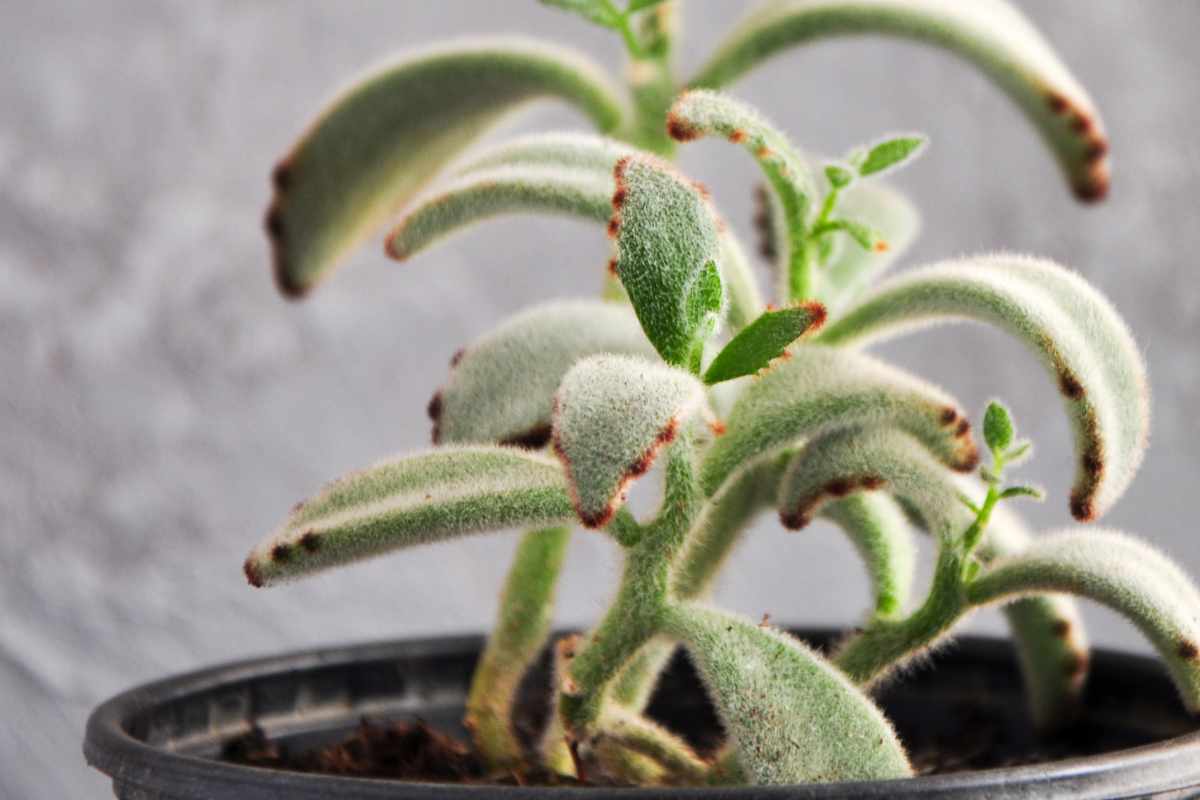
Water the Panda Plant sparingly, allowing the soil to dry completely between waterings.
Overwatering is the most common mistake for beginners and can lead to root rot.
Reduce watering during winter when the plant enters dormancy.
Temperature and Humidity
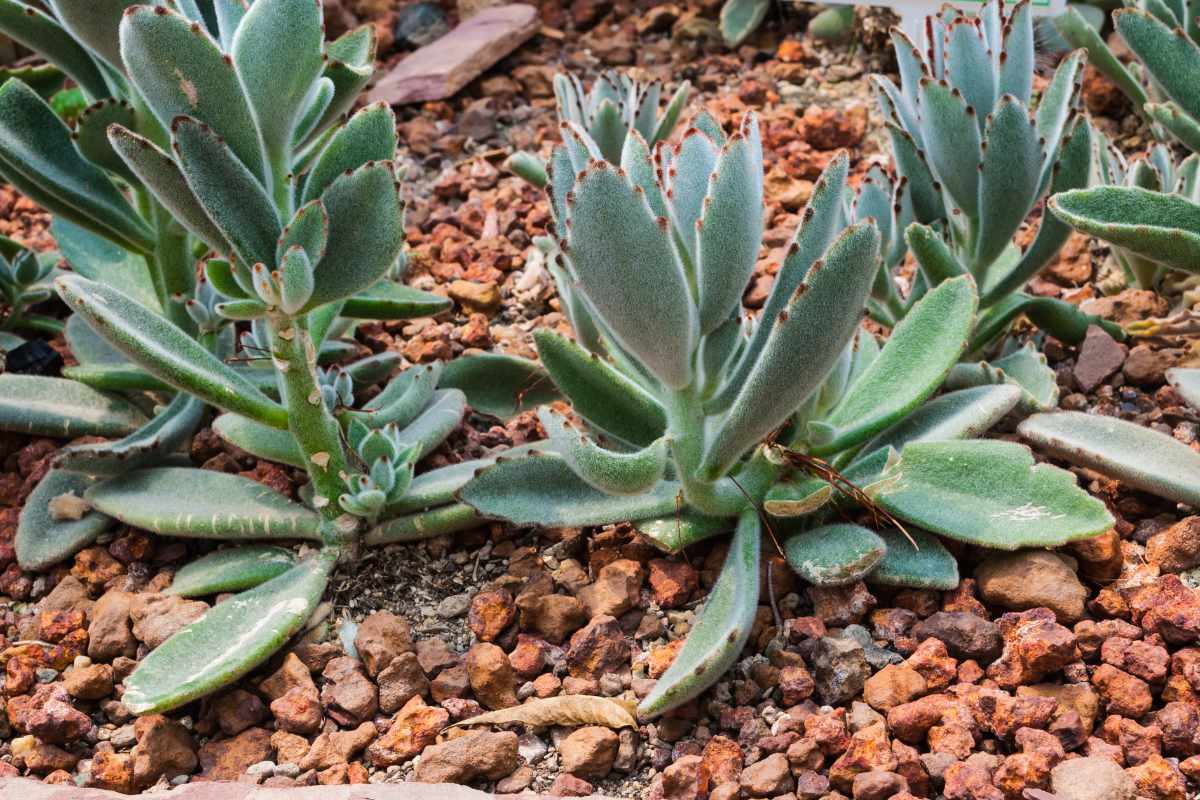
Kalanchoe tomentosa prefers warm, dry conditions. Ideal temperatures range between 60–85°F (15–29°C).
Protect it from frost, as prolonged exposure to cold can damage leaves.
Low humidity is preferred, making it perfect for indoor environments.
Propagation and Planting
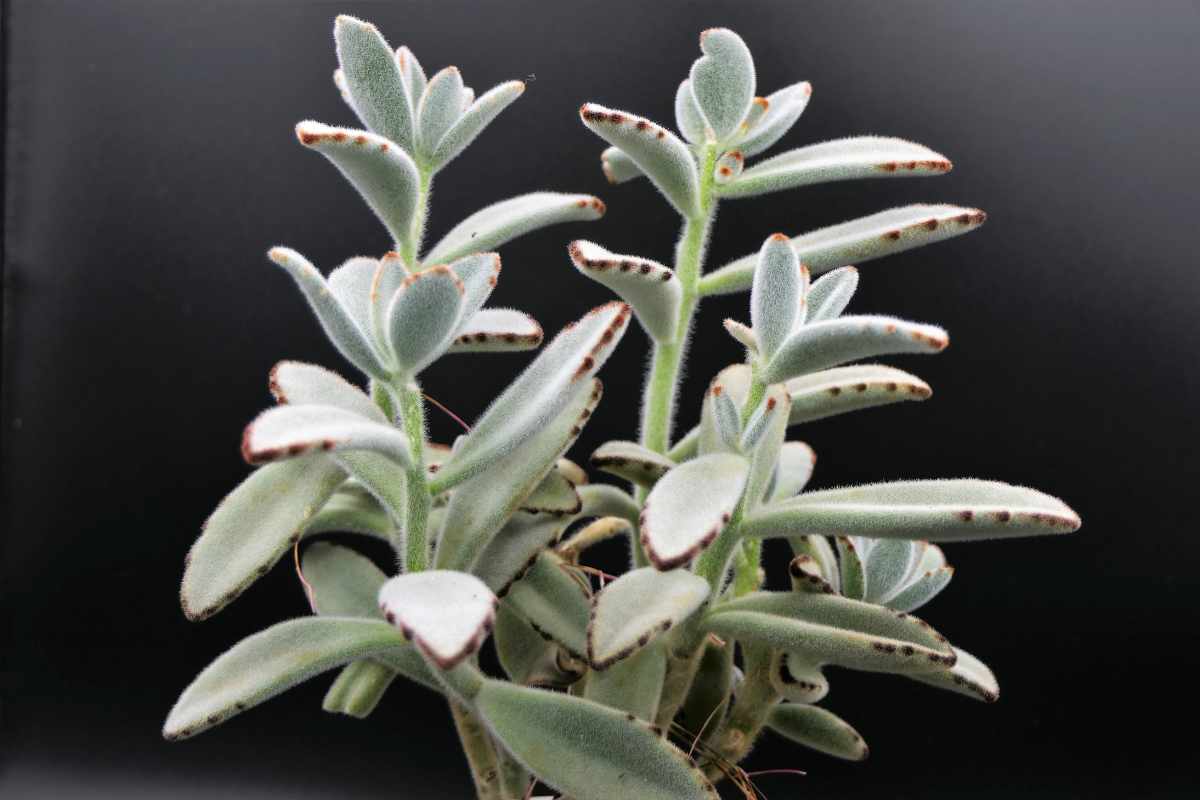
Panda Plants can be propagated through leaf or stem cuttings. Allow cuttings to dry and form a callus for a day or two before planting in well-draining soil.
They root easily in warm conditions and can grow into new, healthy plants with minimal care.
When planting multiple Panda Plants, space them 6–12 inches apart to allow airflow and prevent fungal problems.
Common Issues and Pests
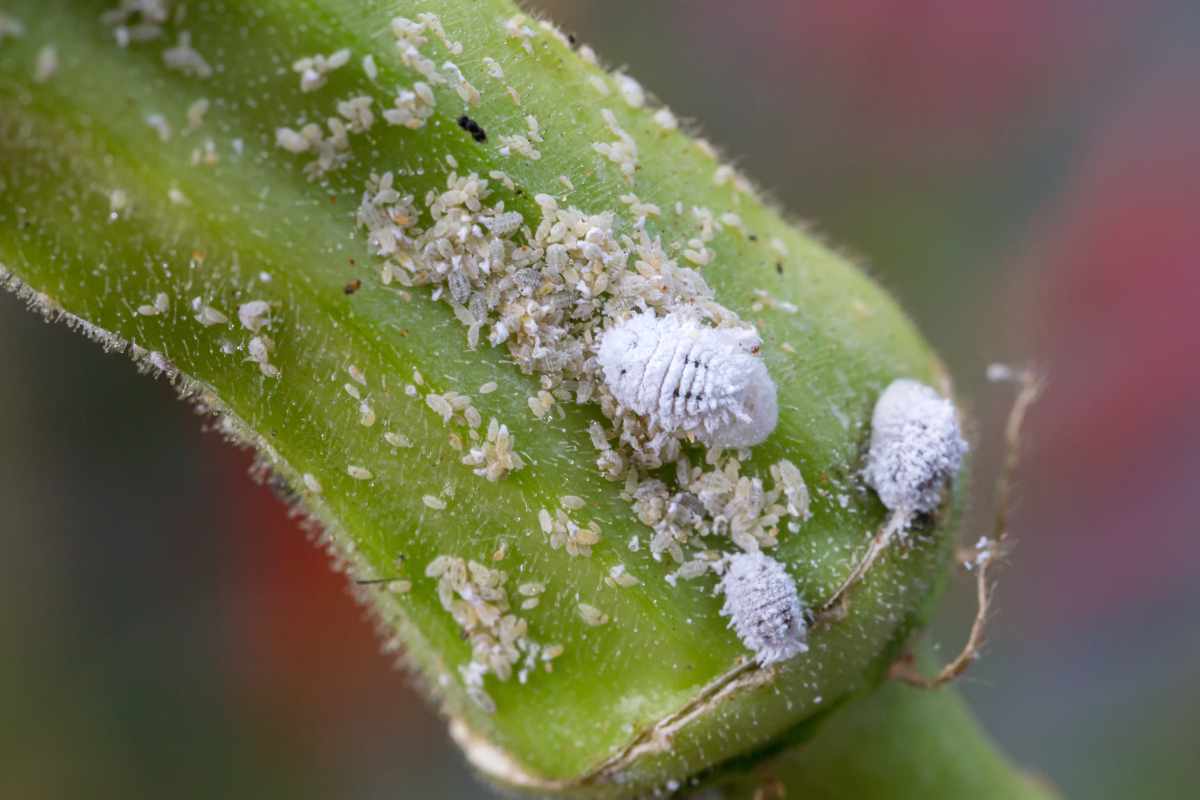
Although resilient, the Panda Plant can face a few problems:
Root and stem rot: Caused by overwatering or poor drainage.
Leggy growth: Indicates insufficient sunlight; move the plant to a brighter location.
Pests: Watch for mealybugs and aphids; treat infestations with neem oil or insecticidal soap.
Removing damaged leaves promptly and checking soil moisture regularly keep your Panda Plant healthy and thriving.
Tips for Beginners
Compact display: Ideal for windowsills, desks, or shelves.
Low-maintenance beauty: Fuzzy leaves add texture and interest with minimal effort.
Pet safety: The Panda Plant is toxic to cats and dogs—place it out of reach of curious pets.
Fertilization: Feed lightly with a succulent fertilizer every 6–8 weeks during the growing season.
Bring the Panda Plant Home
With its unique texture, beginner-friendly care, and low maintenance needs, the Kalanchoe tomentosa is an excellent choice for anyone looking to add a resilient, attractive succulent to their home or garden.
Give it bright light, proper watering, and enjoy its charming foliage all year round.
Enjoy This Video Tutorial

Source: Succulents and Sunshine
Don’t forget to Subscribe to our Newsletter to receive amazing tips and tricks about Gardening and the FREE Ebook Green Living Strategies!
Did you find this post Useful or Inspiring? Save THIS PIN to your GARDENING Board on Pinterest! 😊

Once again, thank you for visiting our website!
We hope you've enjoyed exploring the content we've created for you.
Give yourself the chance to learn, get inspired, and have even more fun, keep browsing...
More Gardening Tips 👇🏼👇🏼