
Acanthus or Bear's Breeches - Growing & Care Guide

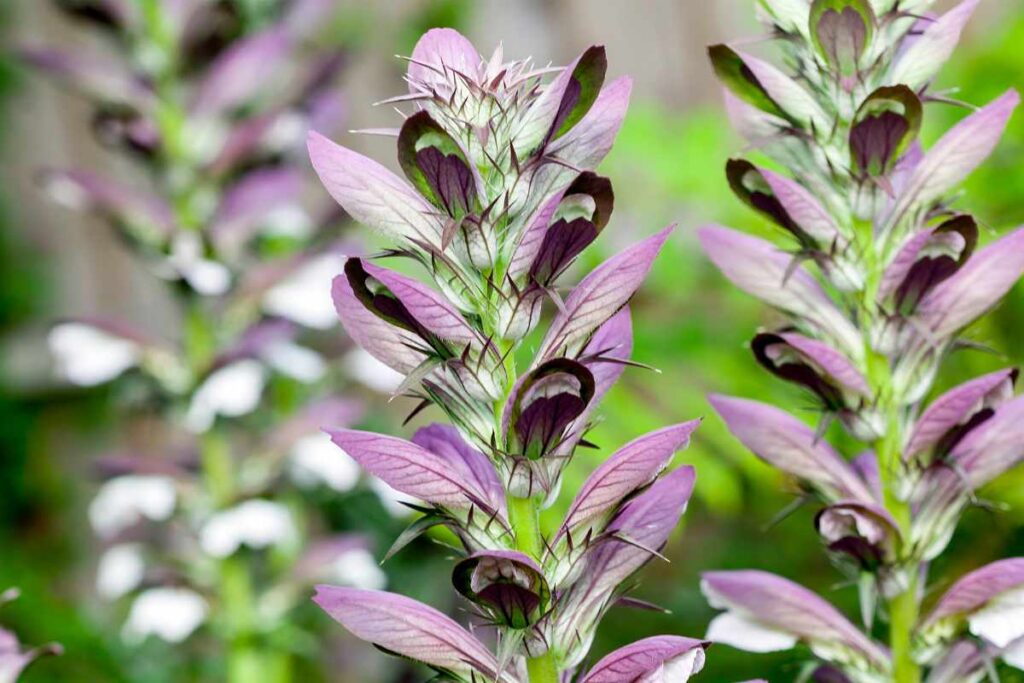
Cultivating the Acanthus plant is akin to inviting a touch of regal elegance into your garden.
Renowned for its ornate foliage and steeped in historical significance, this perennial beauty has the potential to transcend mere botanical presence and emerge as the true centerpiece of your outdoor sanctuary.
In this comprehensive guide, we will delve into the intricate overview of the Acanthus plant, discover its unique characteristics, and furnish you with indispensable tips for cultivating this exquisite botanical marvel in your garden haven.
Acanthus Overview
The Acanthus plant, distinguished by its deeply cut leaves, is a testament to nature's artistry.
With various species available, such as the classic Acanthus mollis and the spiky Acanthus spinosus, you have options to suit your garden's aesthetics.
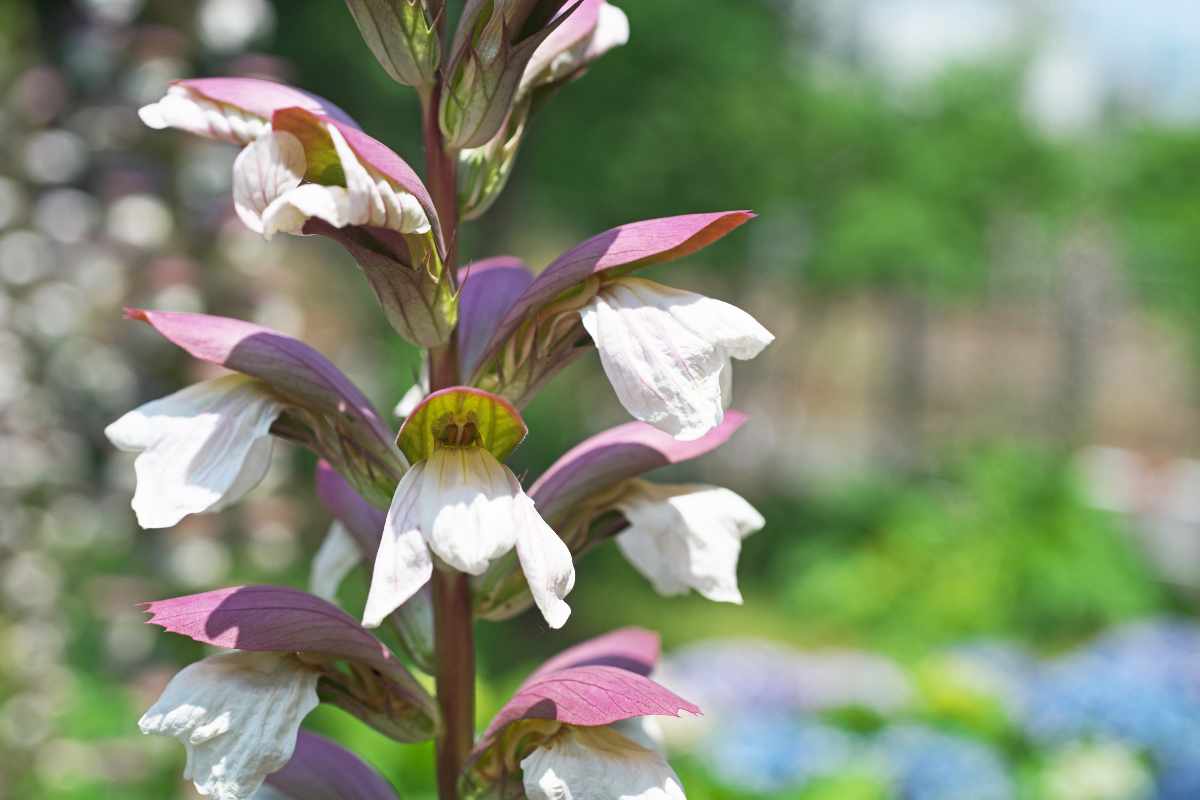
The Acanthus, also known as Bear's Breeches, boasts a robust presence, making it a popular choice among gardeners for its adaptability and visual appeal.
Cultivation Tips
Successful Acanthus cultivation begins with understanding its preferences.
This hardy plant thrives in well-drained soil, and while it can tolerate partial shade, providing it with a sunny spot enhances its growth.
When planting, ensure proper spacing to allow for optimal air circulation. Acanthus generally requires minimal care, making it an excellent choice for both experienced gardeners and novices.
- Soil and Sunlight: Plant Acanthus in well-drained soil with a mix of compost. It thrives in partial shade but appreciates some sunlight for robust growth.
- Watering: Acanthus has moderate water needs. Keep the soil consistently moist but not waterlogged.
- Pruning: Trim dead or damaged leaves regularly to encourage new growth. Prune spent flower spikes to maintain a tidy appearance.
Design Ideas
Incorporating Acanthus into your garden design opens up a world of possibilities. Its striking foliage and architectural form make it an ideal choice for various landscaping roles.
- Border Plant: Create a captivating border by planting Acanthus along pathways or garden edges. The bold leaves add texture and visual interest.
- Focal Point: Use Acanthus as a focal point in a garden bed. Its height and distinctive foliage make it a standout feature.
- Companion Planting: Pair Acanthus with other perennials to create charming compositions. Its versatility allows it to complement both traditional and modern garden settings.
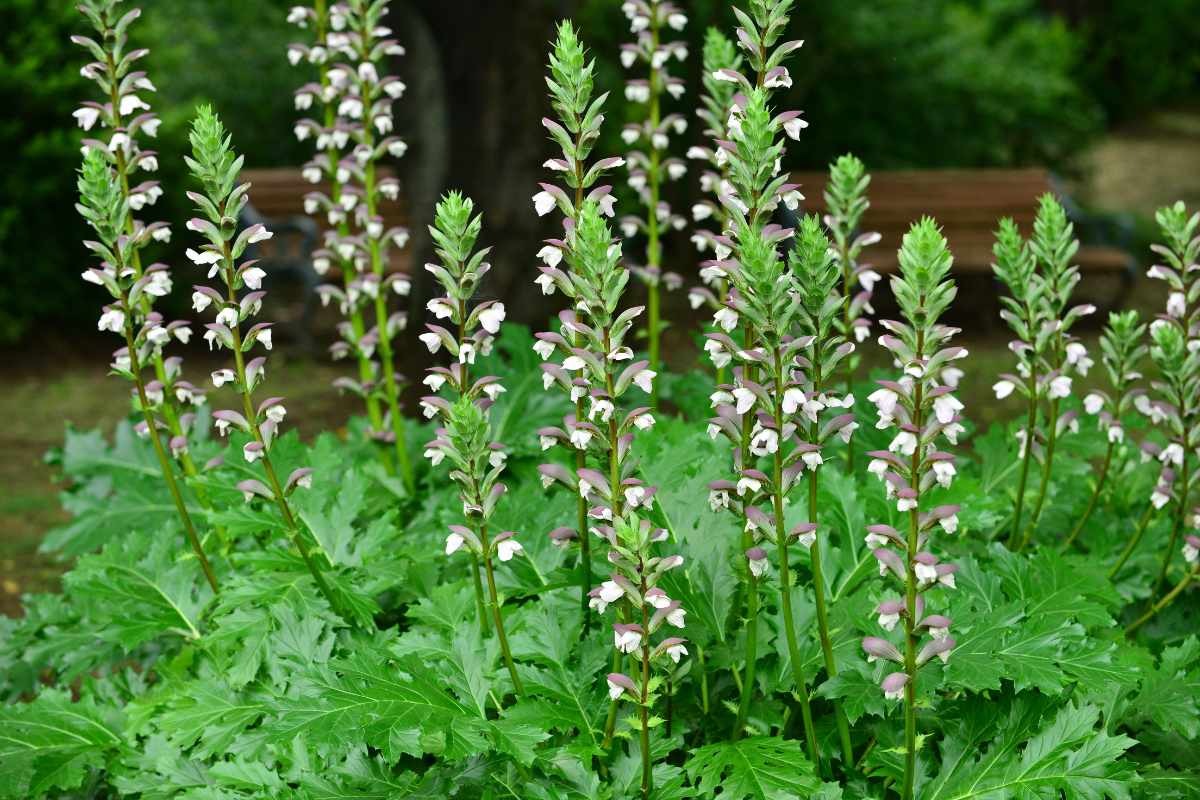
As you embark on your journey of cultivating Acanthus, marvel at the beauty and grace it brings to your garden. With proper care and thoughtful design, Acanthus can transform your outdoor space into a haven of tranquility and natural splendor.
Embrace the timeless allure of Acanthus, and watch as it unfurls its majestic foliage, creating a captivating oasis in your own backyard.
Did you find this post Useful or Inspiring? Save THIS PIN to your GARDENING Board on Pinterest!
Once again, thank you for visiting our website!
We hope you've enjoyed exploring the content we've created for you.
Give yourself the chance to learn, get inspired, and have even more fun, keep browsing...
More Gardening Tips 👇🏼👇🏼