
Balloon Flower Tips: A Fun Perennial for Any Garden

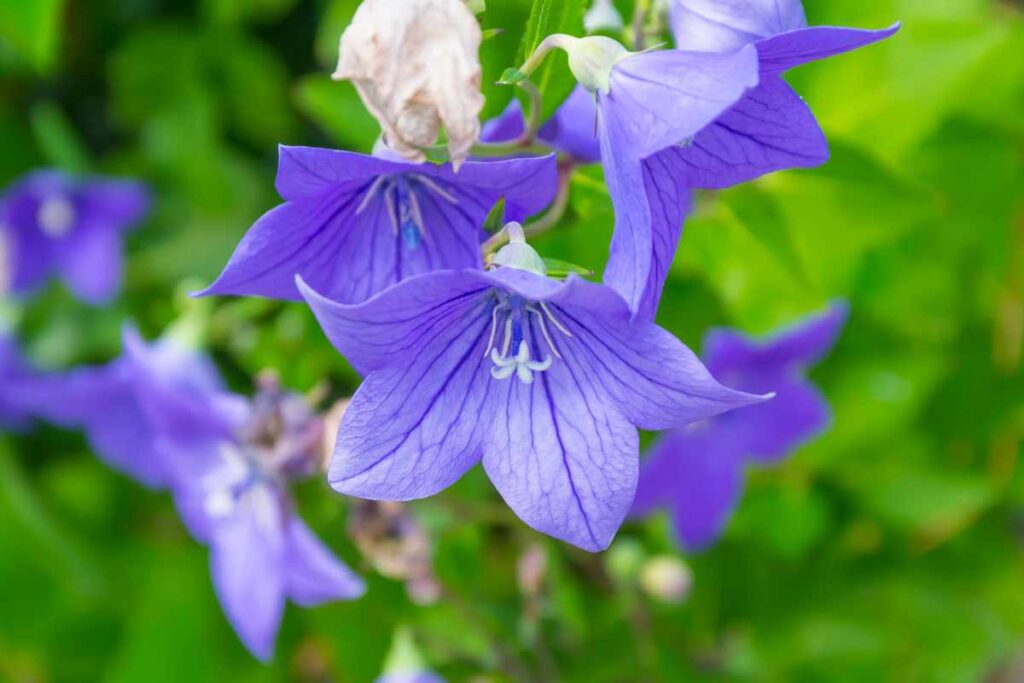
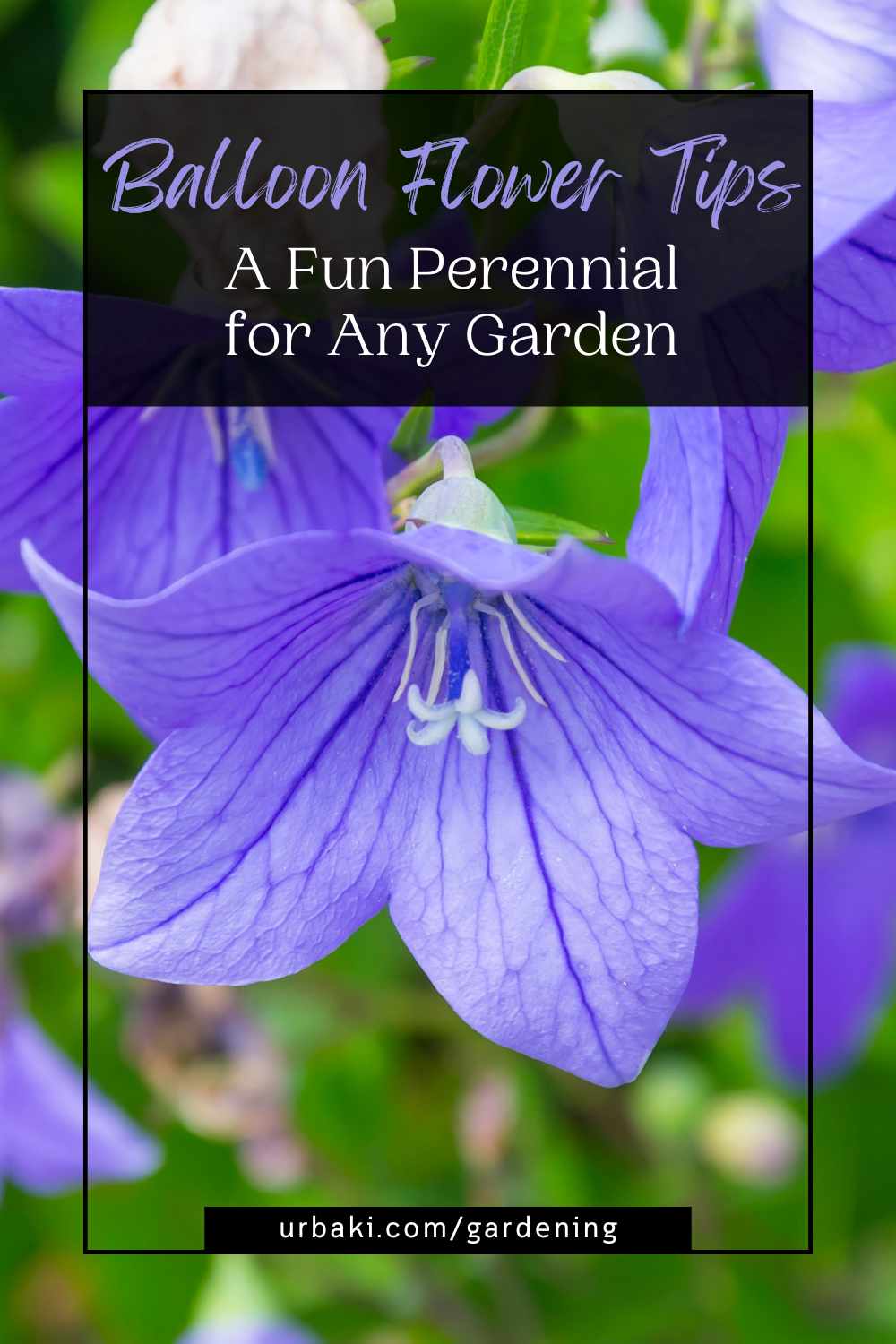
If you're looking to add a touch of charm and whimsy to your garden, balloon flowers might be just what you need. These delightful perennials are known for their unique balloon-shaped buds that pop open into star-like blossoms in shades of blue, pink, or white.
Easy to care for and perfect for gardeners of all levels, balloon flowers bring both structure and softness to any garden setting.
Whether you’re designing a cottage garden, brightening up a border, or simply want a low-maintenance perennial that stands out, this plant offers beauty without demanding too much attention. Let’s explore how to grow and enjoy balloon flowers, with practical tips that can help them thrive.
Getting to Know the Balloon Flower
The balloon flower, also known as Platycodon grandiflorus, is native to East Asia and thrives in USDA zones 3 through 8. Its name comes from the way the buds swell up like little balloons before bursting into five-petaled blooms. While they might look delicate, these perennials are surprisingly tough and adaptable to many garden conditions.
Reaching around 1 to 2 feet in height, they offer a tidy yet elegant presence, perfect for both front and mid-border planting. Their growth habit is upright and neat, with soft green foliage that adds to their visual appeal even before they flower.

Choosing the Right Spot
Balloon flowers flourish best when planted in full sun to partial shade. While they can tolerate some shade, too little sunlight can reduce blooming. A spot with good morning sun and some afternoon protection works particularly well in hotter climates.
Well-drained soil is essential. Though balloon flowers can tolerate different types of soil, they dislike soggy roots. Raised beds or sloped garden areas can help with drainage. Adding organic matter or compost to the soil before planting will support healthy growth and improve moisture balance.
Planting and Spacing Tips
Spring or early fall is the ideal time for planting. Space each plant about 12 to 18 inches apart to give them room to mature and expand. While they won’t spread aggressively, they’ll gradually form clumps over the years.
When placing them in your garden, think about companion plants that match their tidy growth and prefer similar conditions. Daylilies, salvias, and black-eyed Susans can complement balloon flowers beautifully, both in color and texture.
Once planted, water thoroughly and mulch lightly to maintain soil moisture and suppress weeds. A layer of mulch also helps protect their roots during harsh winters.
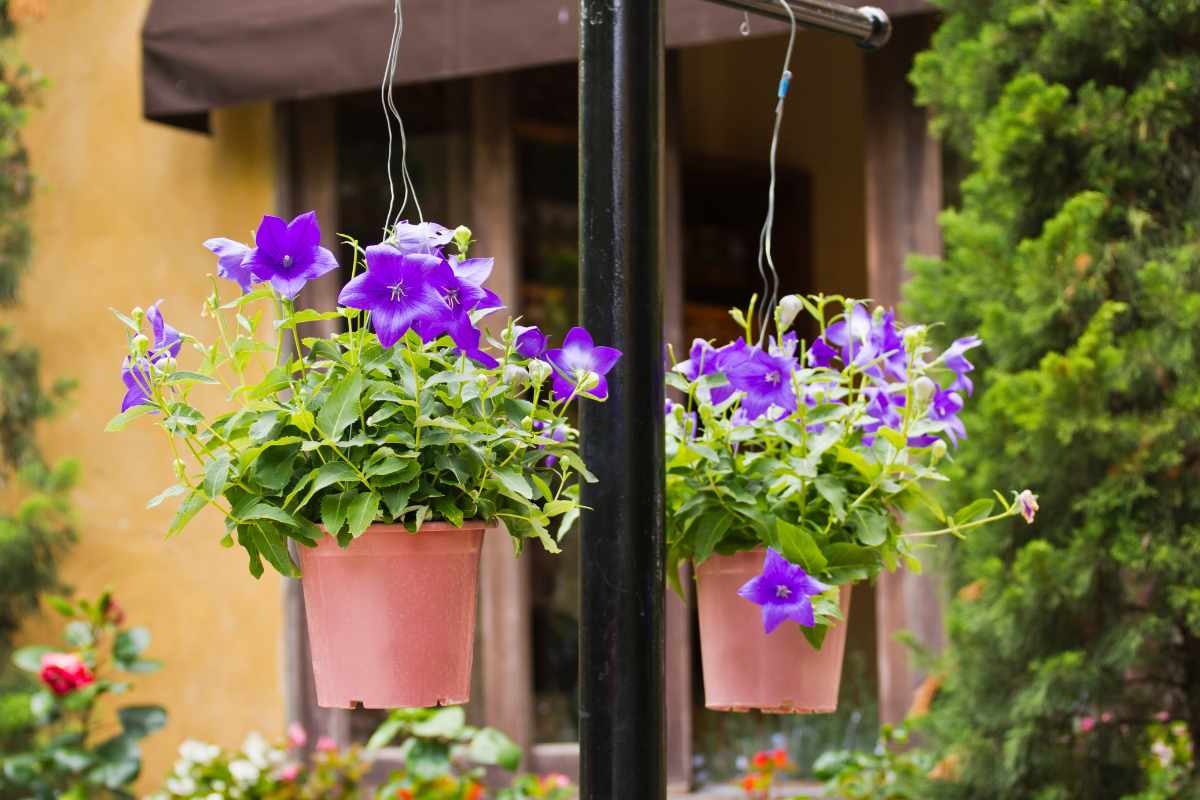
Supporting Strong and Healthy Growth
Balloon flowers don’t require much upkeep, but a few habits will keep them performing at their best. Regular watering is important, especially during their first season or during dry spells. However, avoid overwatering, as it can lead to root issues.
They don’t need heavy fertilizing. A slow-release balanced fertilizer in early spring usually does the trick. If your soil is already rich in nutrients, you may skip it altogether.
Pinching back the tips of young plants in early summer can encourage bushier growth and prevent legginess. It also encourages more flowers by stimulating branching. Once the blooming starts, removing spent blooms can extend the flowering season well into late summer.
Dealing with Pests and Problems
Fortunately, balloon flowers are generally pest-free and disease-resistant. Slugs might show up occasionally, especially on young tender shoots, but they rarely cause lasting damage. Using crushed eggshells or organic slug deterrents can help if needed.
Root rot can be an issue if the soil is constantly wet. Make sure drainage is adequate, especially during rainy periods or in humid climates. Also, avoid planting too deeply. The crown of the plant should sit just at or slightly above the soil line.
Another thing to keep in mind is their slow emergence in spring. Balloon flowers take their time waking up, and many gardeners mistakenly think the plant has died. Marking their location in the fall can prevent accidental digging or replanting in their spot.
Long-Term Care and Propagation
These perennials are long-lived and prefer not to be disturbed. Once established, they can remain in place for many years. Unlike some perennials, balloon flowers don’t respond well to being divided, as they have long taproots that don’t like to be broken. If you must move them, do it with care and expect a slow recovery.
For propagation, consider starting them from seed. You can sow seeds indoors 6 to 8 weeks before the last frost, or directly in the garden after frost danger has passed. Germination can take two to three weeks, so be patient. Once they sprout, they grow steadily and will begin blooming in their second year.
Using Balloon Flowers in Garden Design
The soft but structured form of balloon flowers makes them versatile in garden planning. They fit nicely into both formal and informal settings. In rock gardens, their tidy mounds contrast beautifully with stone features. In borders, they can add rhythm and pops of color without overwhelming the design.
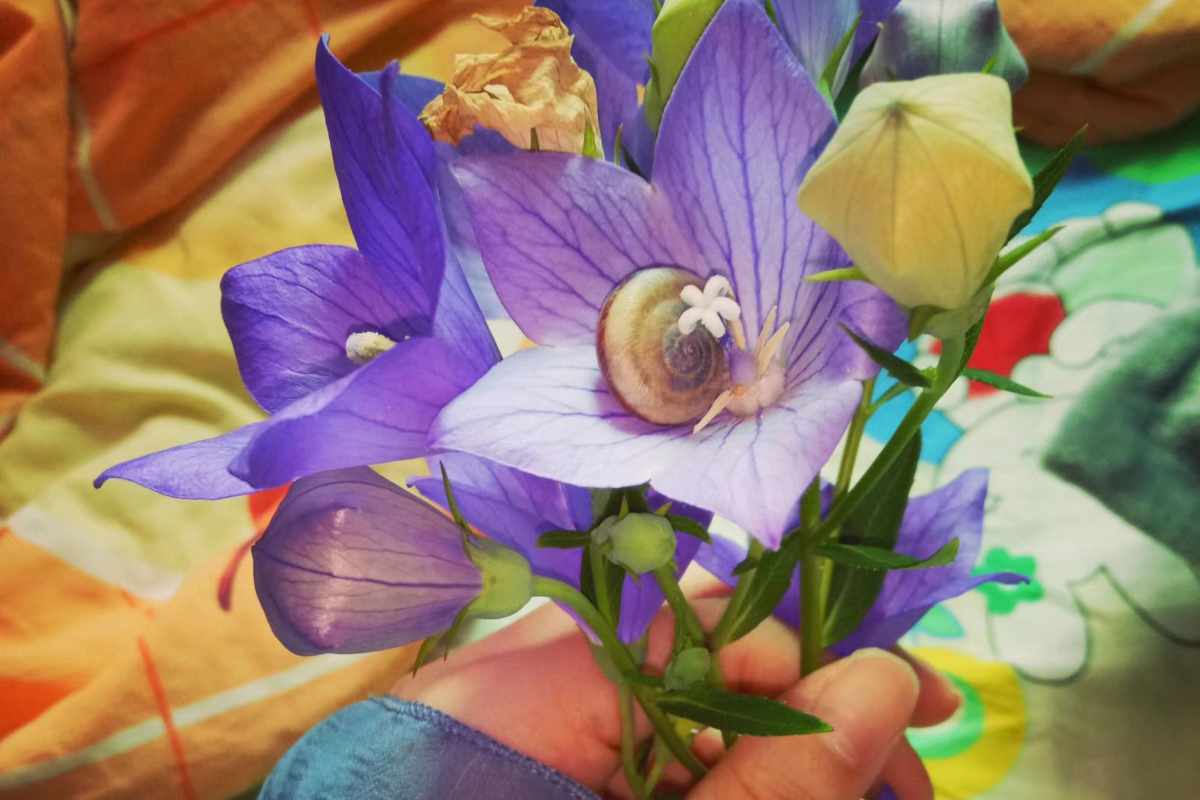
Their charming blooms also work well in cutting gardens. While they may not last as long in vases as some flowers, they make a delightful addition to mixed arrangements and bouquets, especially if picked early in the day.
Planting balloon flowers near walkways or patio edges allows you to appreciate their interesting bud stage up close. Children especially enjoy watching the puffy balloons swell and burst open, making this plant a fun choice for family-friendly gardens.
Making the Most of Seasonal Color
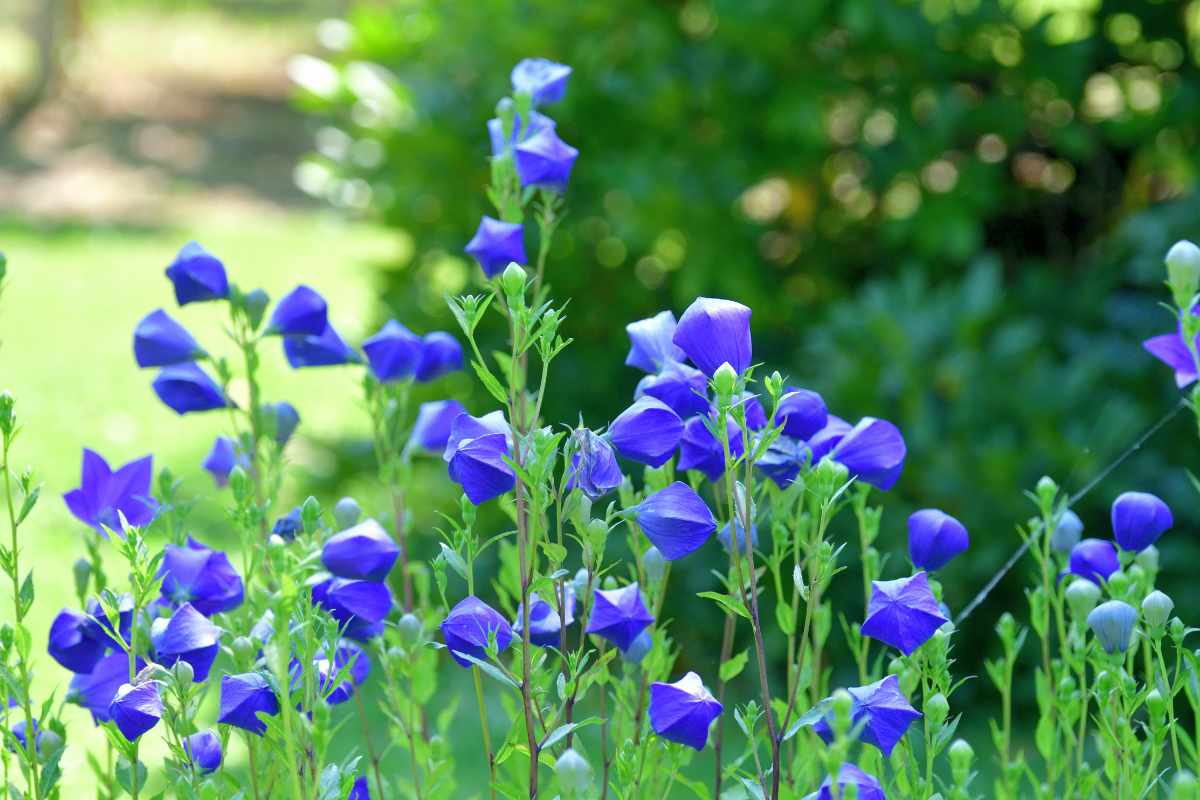
Balloon flowers tend to bloom from mid to late summer, depending on the climate and conditions. Their vibrant blue varieties are especially popular, but don’t overlook the white and pink cultivars, which offer gentle contrast or work well in pastel-themed gardens.
For extended visual interest, pair them with perennials that bloom either before or after their peak season. Columbines, irises, and peonies bloom earlier, while asters and sedums can follow them in the late-season spotlight.
This kind of planning helps ensure your garden stays colorful and dynamic throughout the growing months.
Bringing Balloon Flowers into Your Space
Whether you're new to gardening or have years of experience, balloon flowers are a cheerful and low-maintenance addition to any outdoor space. Their combination of resilience and charm makes them ideal for nearly every style, from traditional beds to more creative garden layouts.
Once you plant them and see their distinctive buds unfurl into elegant blooms, you'll understand why they’ve become a favorite among gardeners who appreciate both reliability and a touch of surprise.
Did you find this post useful or inspiring? Save THIS PIN to your GARDEN Board on Pinterest!
More Gardening Tips 👇🏼👇🏼