
13 Stunning Types of Lily Flowers to Grow in Your Garden

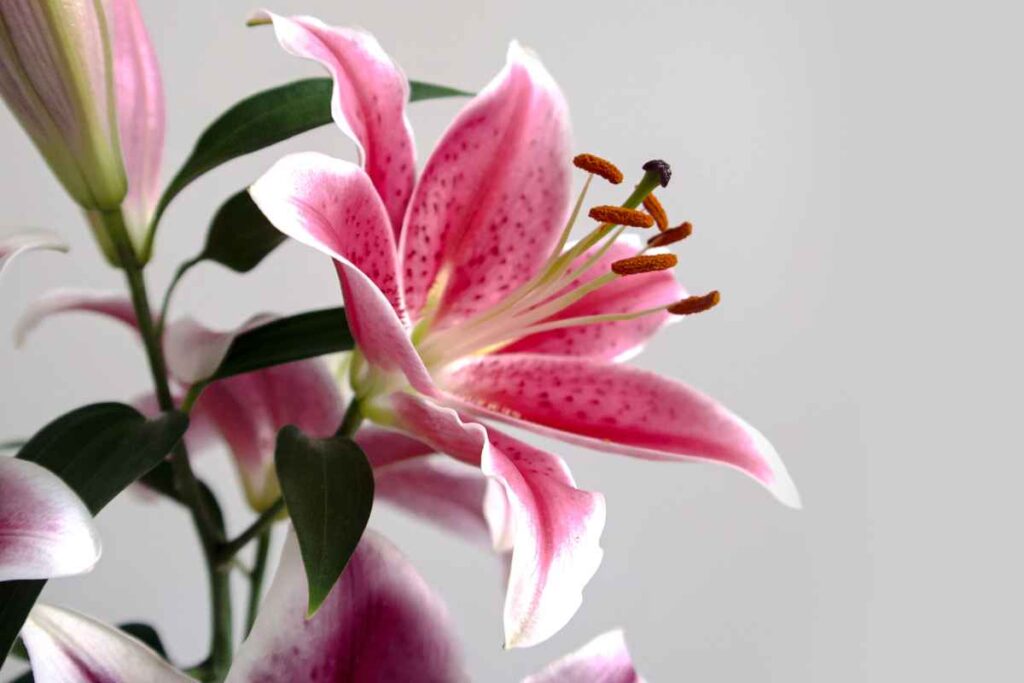
Lily flowers can bring incredible color, height, and elegance to almost any garden. With their dramatic blooms and wide range of colors, lilies can work beautifully in flower beds, borders, cottage gardens, and even containers.
Some varieties are known for bold upward-facing flowers, while others produce fragrant blooms with gracefully curved petals. Choosing a few different types can also help extend the lily season and give your garden more visual interest.
If you are looking for beautiful lilies to add to your landscape, these 13 stunning types of lily flowers are a wonderful place to start.
Why Lily Flowers Are Such a Beautiful Addition to the Garden
Lilies are prized for their large, distinctive blooms and tall stems that naturally add vertical interest to planting beds.
Depending on the variety, lily flowers can appear in shades of white, pink, yellow, orange, red, burgundy, and combinations of several colors. Many also feature spots, contrasting centers, or dramatic petal markings.
True lilies belong to the genus Lilium. They grow from bulbs and generally perform best in locations with good drainage and plenty of light.
One of the nicest things about growing lilies is the variety available. You can choose compact plants for containers, tall lilies for the back of a flower border, or fragrant varieties for areas near patios and walkways.
13 Beautiful Types of Lily Flowers to Grow
1. Asiatic Lilies
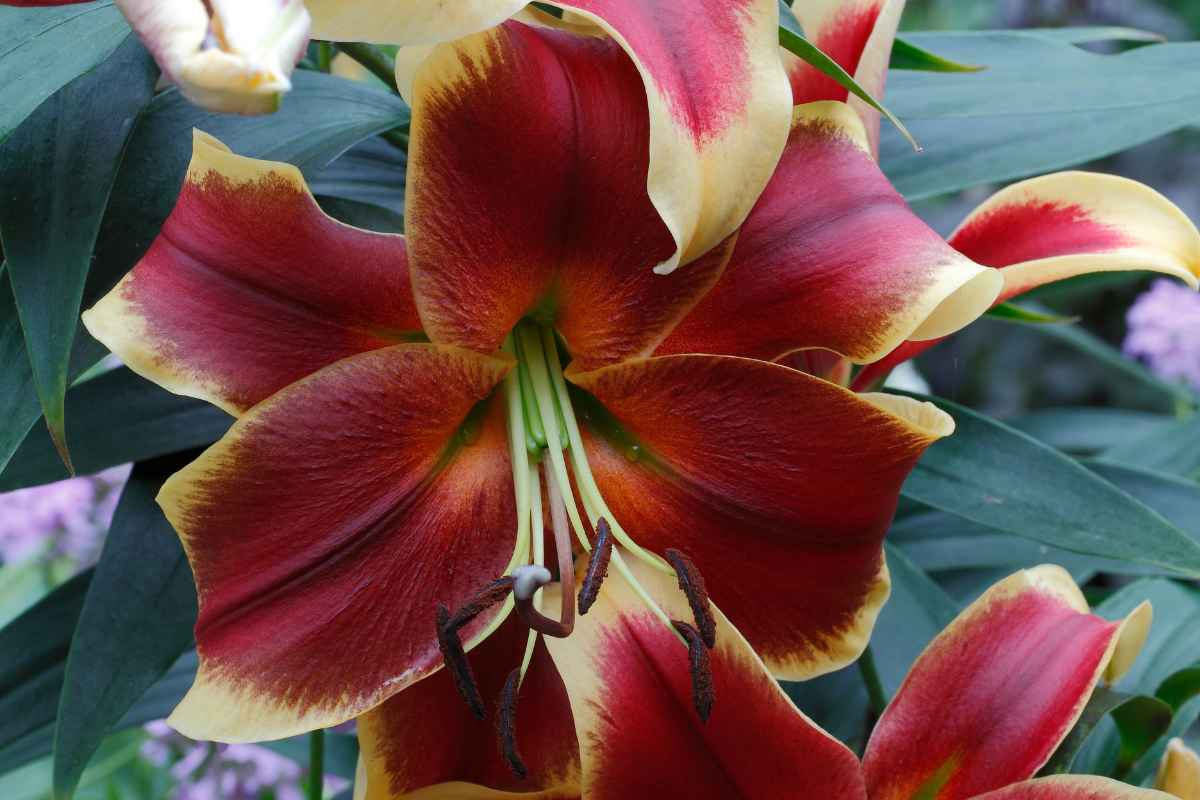
Asiatic lilies are among the most popular garden lilies, and for good reason. Their bright flowers come in an impressive range of colors, including yellow, orange, pink, red, white, and deep burgundy.
The blooms often face upward or outward, making them especially noticeable in flower beds.
Asiatic lilies are typically among the earlier lilies to flower and are usually less fragrant than Oriental varieties. They are an excellent choice when you want bold garden color without an overpowering scent.
2. Oriental Lilies
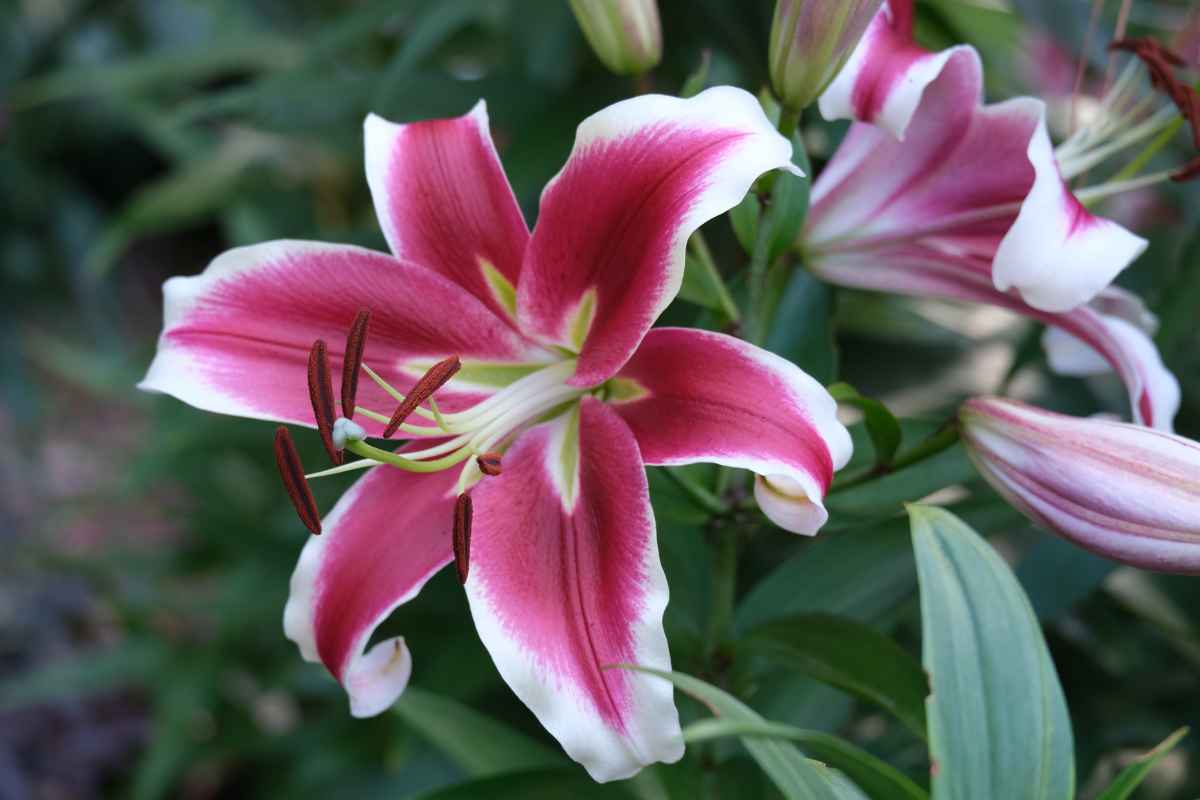
Oriental lilies are famous for their large, luxurious flowers and strong fragrance.
Their blooms are often white, pink, crimson, or combinations of these shades, sometimes with speckles or contrasting bands through the petals.
Because of their impressive size and scent, Oriental lilies make beautiful focal points in borders and cutting gardens. Planting them near an outdoor seating area can allow you to enjoy their fragrance when they are in bloom.
3. Stargazer Lily
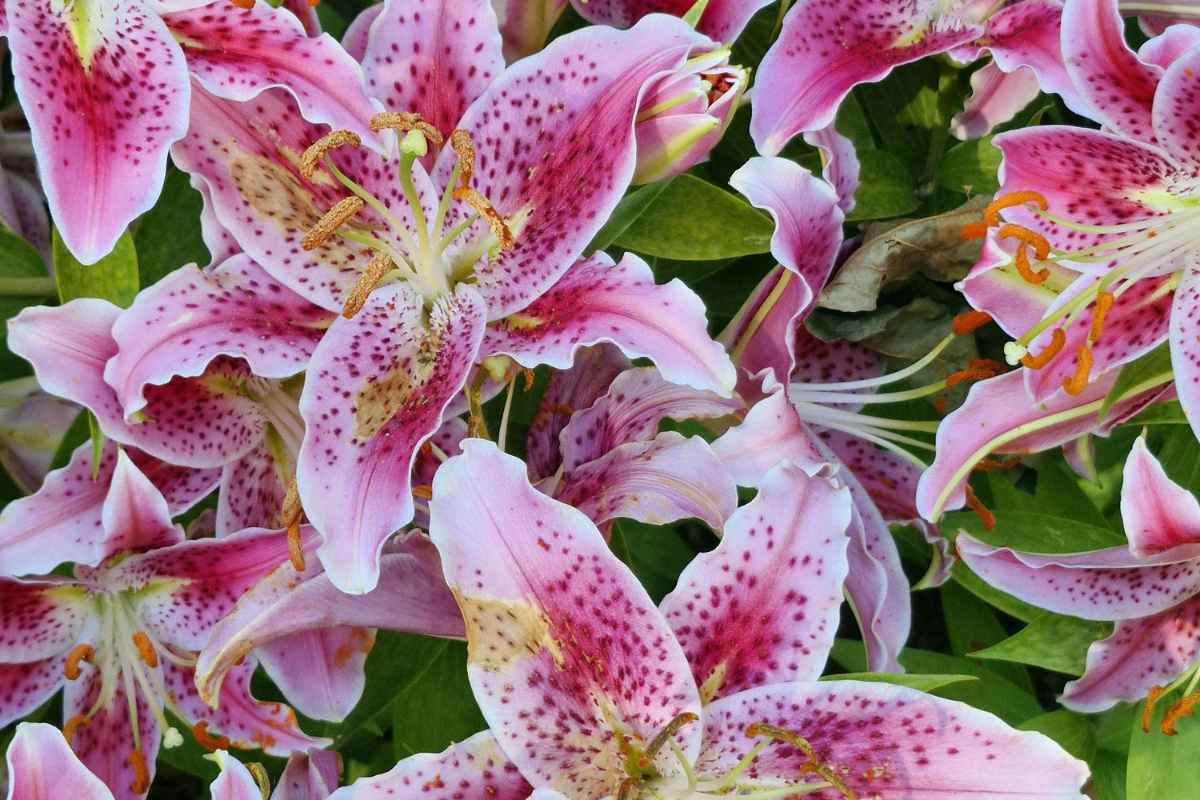
The Stargazer lily is one of the most recognizable Oriental lilies.
Its dramatic flowers feature deep pink to crimson centers surrounded by lighter petal edges and dark speckles. The blooms face upward, creating an especially striking display.
Stargazer lilies are also highly fragrant. Their vibrant coloring works beautifully among white flowers, purple perennials, and deep green foliage.
4. Casa Blanca Lily
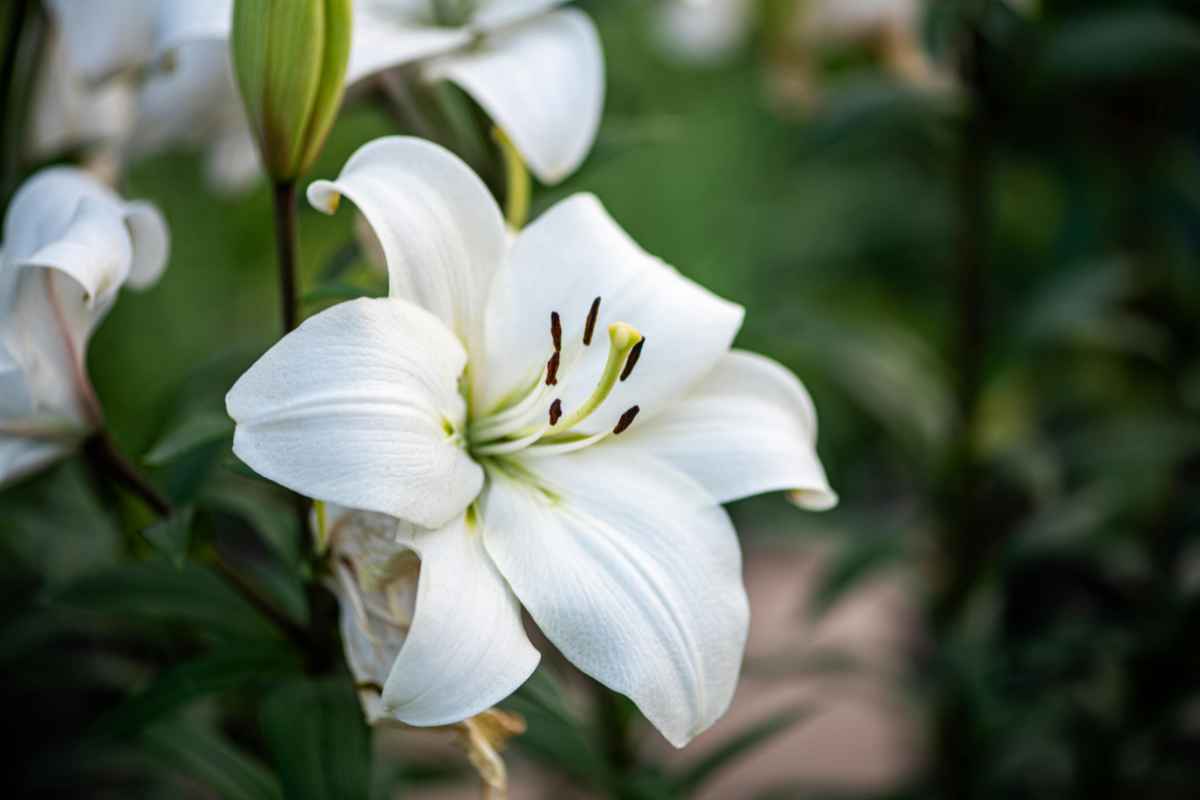
For an elegant garden look, it is hard to beat the Casa Blanca lily.
This Oriental lily produces large, creamy white flowers with gracefully curved petals and a rich fragrance. Its clean white color makes it easy to combine with almost any garden palette.
Casa Blanca lilies look especially beautiful in moon gardens, white-themed borders, and flower beds filled with soft pastel colors.
5. Tiger Lily
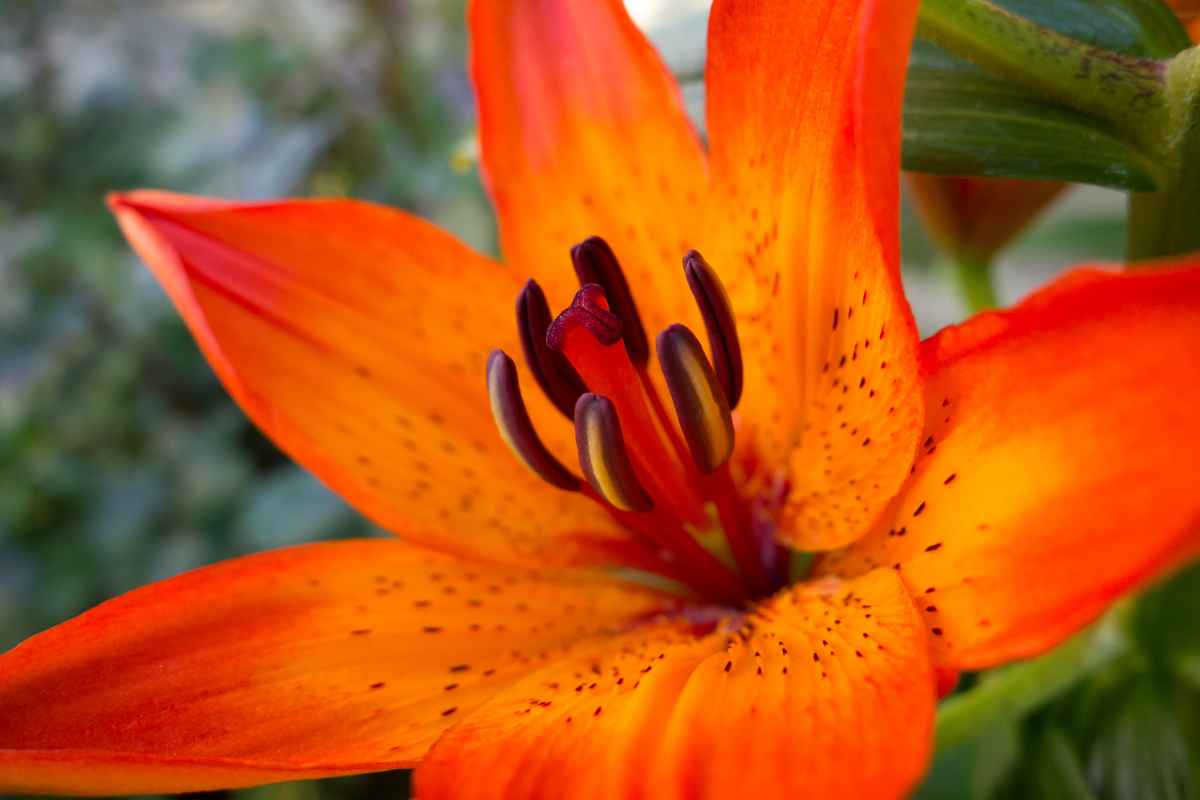
Tiger lilies are instantly recognizable thanks to their fiery orange flowers covered in dark spots.
Their petals curve strongly backward, giving each flower its distinctive shape. The bold orange color makes them particularly effective when planted against green foliage or beside contrasting blue and purple flowers.
Tiger lilies can create a natural, slightly wild look that works wonderfully in cottage-style and informal gardens.
6. Easter Lily
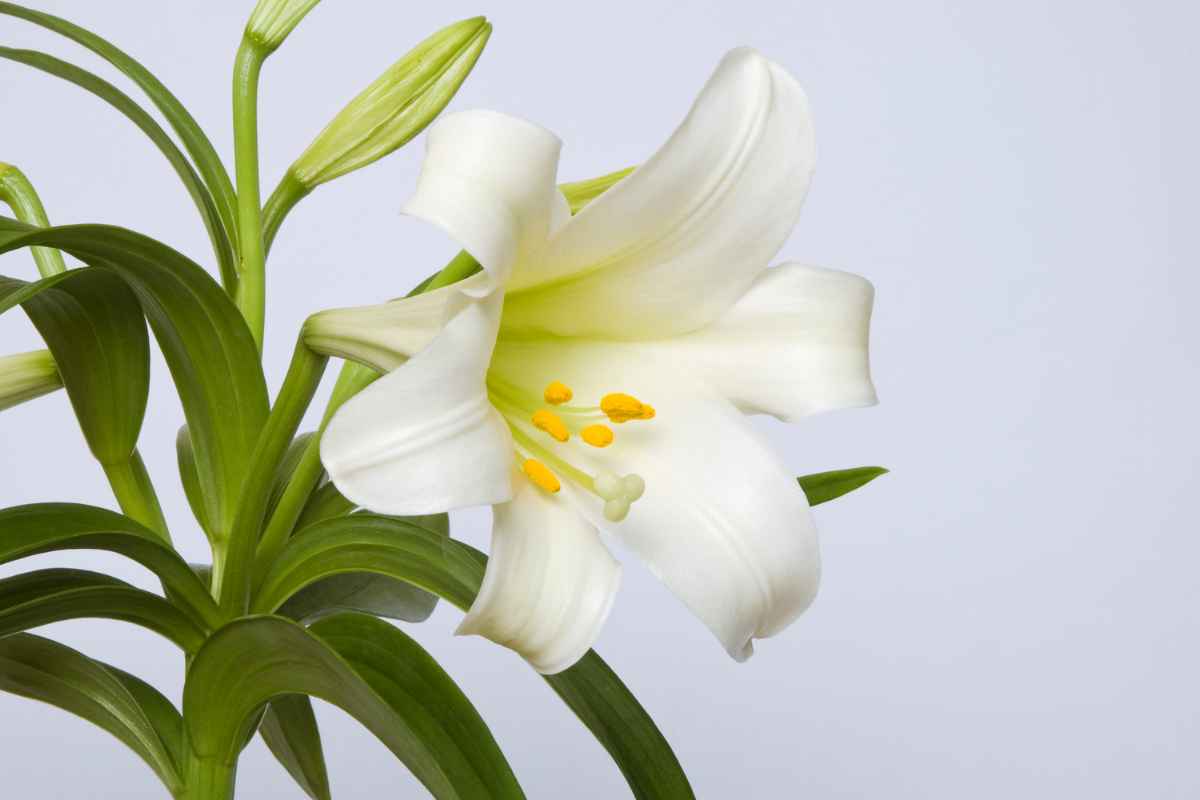
Easter lilies are best known for their elegant white trumpet-shaped flowers.
Although they are commonly seen as seasonal indoor plants, they are true lilies and can also be grown outdoors in suitable garden conditions.
Their classic white blooms bring a clean, timeless appearance to garden beds and pair beautifully with both colorful and monochromatic planting schemes.
7. Trumpet Lilies
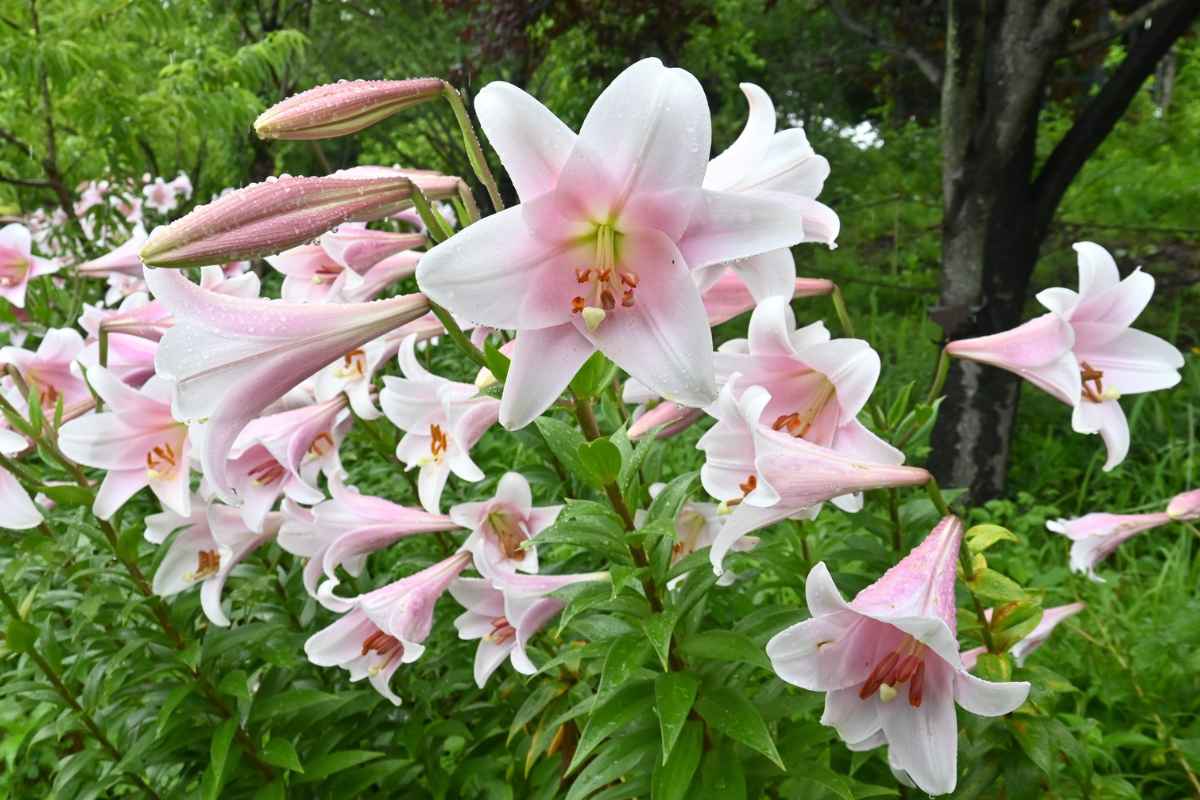
Trumpet lilies produce long, trumpet-shaped flowers that often have a wonderful fragrance.
Their flowers may be white, cream, yellow, pink, or combinations of these colors. Many varieties grow quite tall, which makes them ideal for adding height toward the back of a border.
Because of their strong vertical habit and dramatic blooms, trumpet lilies can make an impressive statement even when planted in small groups.
8. Martagon Lilies
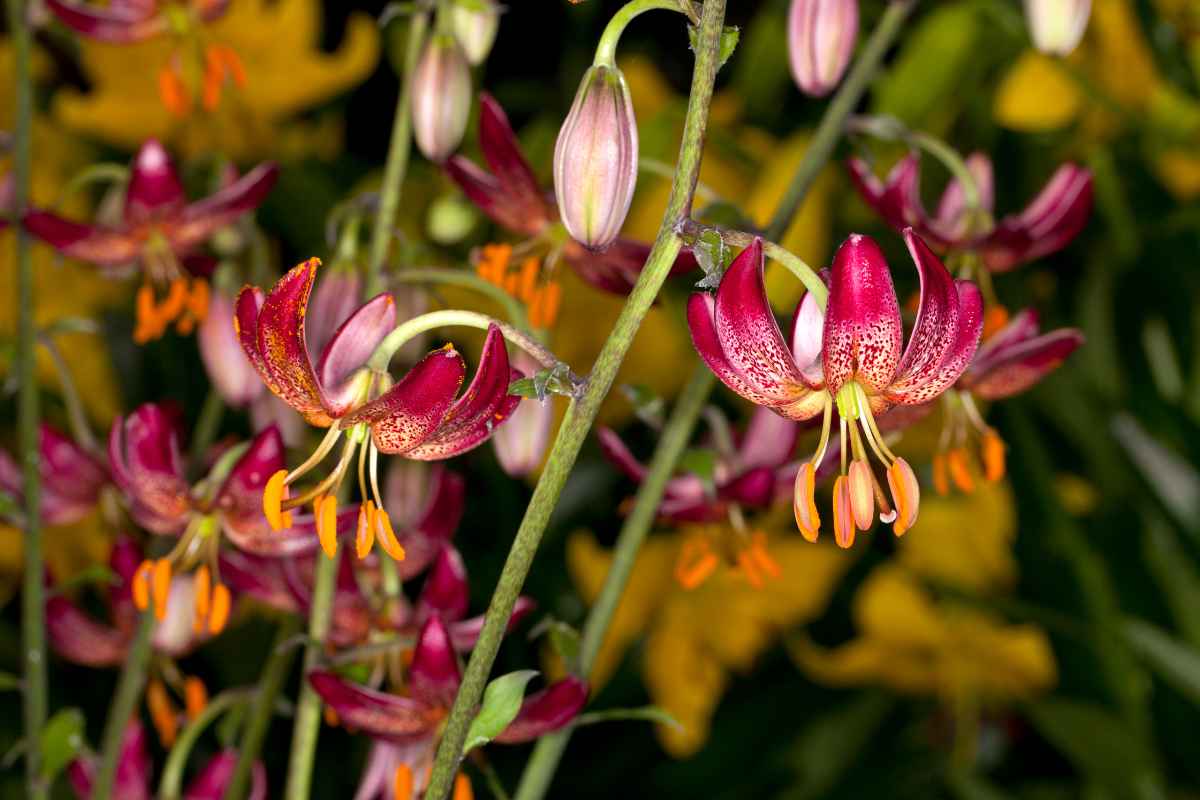
Martagon lilies have a very different appearance from many of the more familiar garden lilies.
Their smaller flowers typically point downward and feature sharply recurved petals, creating a distinctive turban-like shape. Depending on the variety, flowers may appear in pink, purple, orange, yellow, or white.
Multiple blooms can appear along tall stems, giving these lilies a light, graceful appearance.
Martagon lilies are especially attractive in woodland-inspired gardens and naturalistic planting schemes.
9. Turk's Cap Lilies
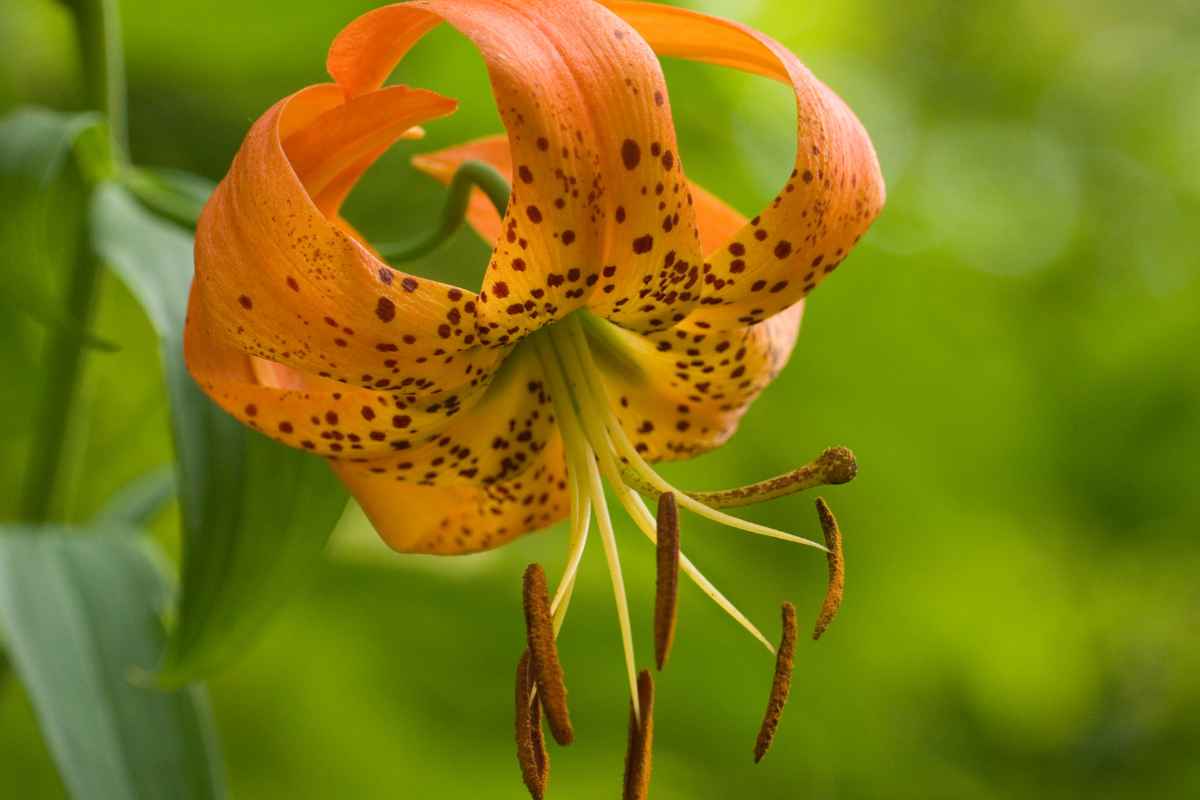
Turk's cap lilies are known for their downward-facing flowers and dramatically curved petals.
The unique shape creates a delicate, almost sculptural effect in the garden. Depending on the species or variety, their flowers may appear in warm shades of orange, red, yellow, or combinations of these colors.
They work particularly well in informal landscapes where their unusual flowers can stand out among softer foliage and flowering perennials.
10. LA Hybrid Lilies
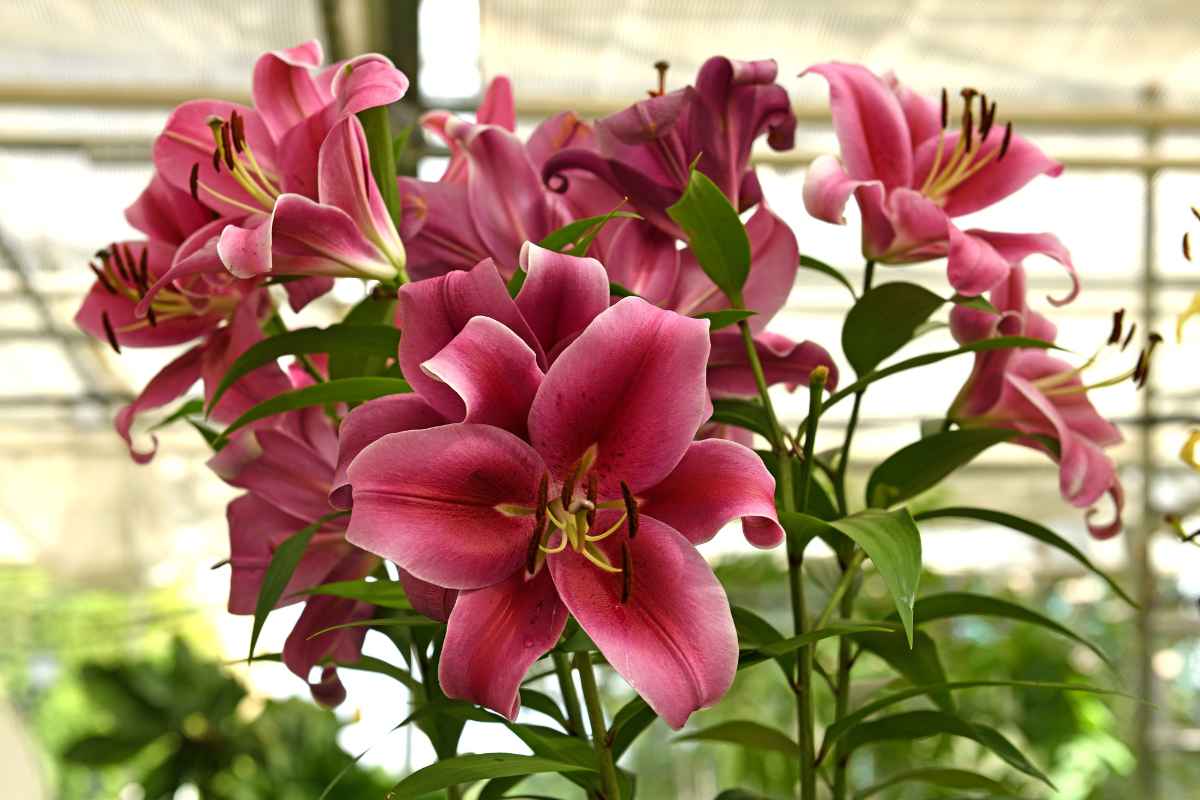
LA hybrids combine characteristics of Longiflorum and Asiatic lilies.
These lilies often produce large, upward-facing flowers with strong stems and vivid colors. Shades can range from soft pink and creamy white to yellow, orange, and rich red.
Their flowers tend to have a clean, polished appearance that works especially well in modern flower beds and cutting gardens.
11. Orienpet Lilies
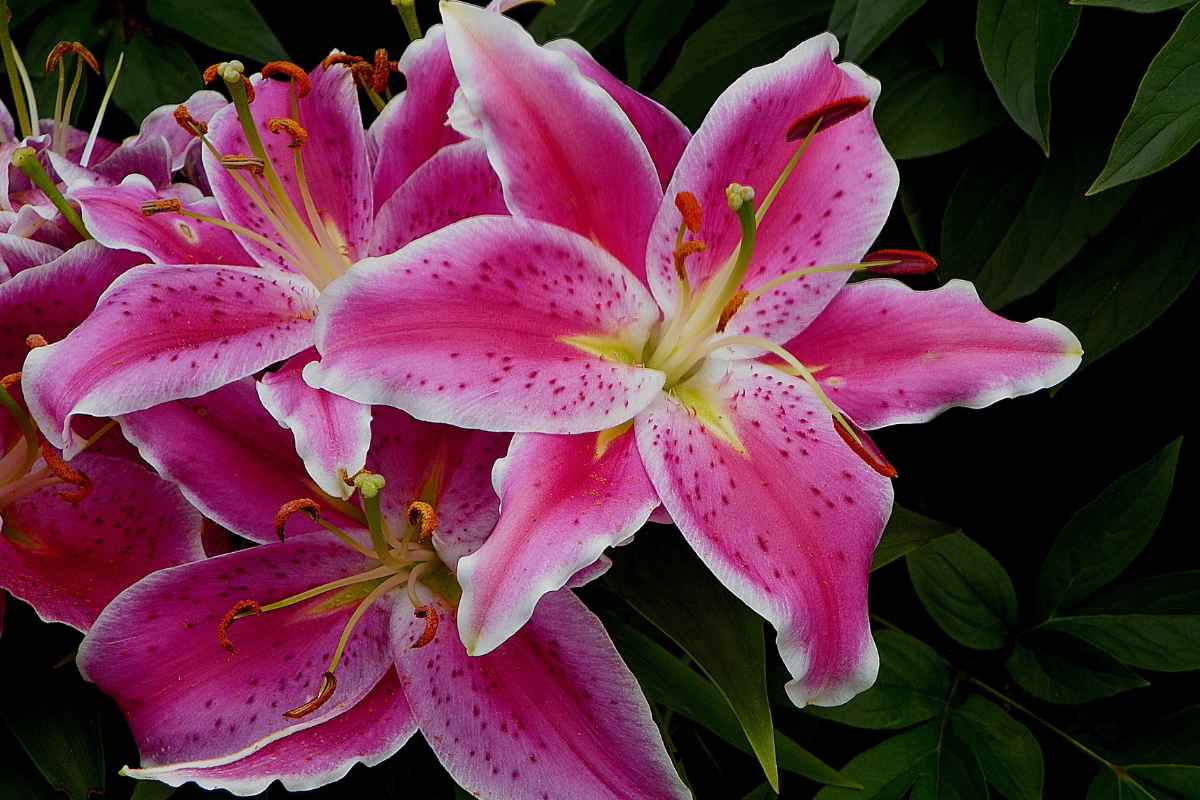
Orienpet lilies, sometimes called OT hybrids, combine characteristics of Oriental and trumpet lilies.
They are known for producing large, impressive flowers on sturdy stems. Many varieties are fragrant and can become quite tall, making them excellent statement plants.
Orienpets are especially useful when you want dramatic lily flowers with strong vertical impact in a mixed perennial border.
12. 'Muscadet' Lily
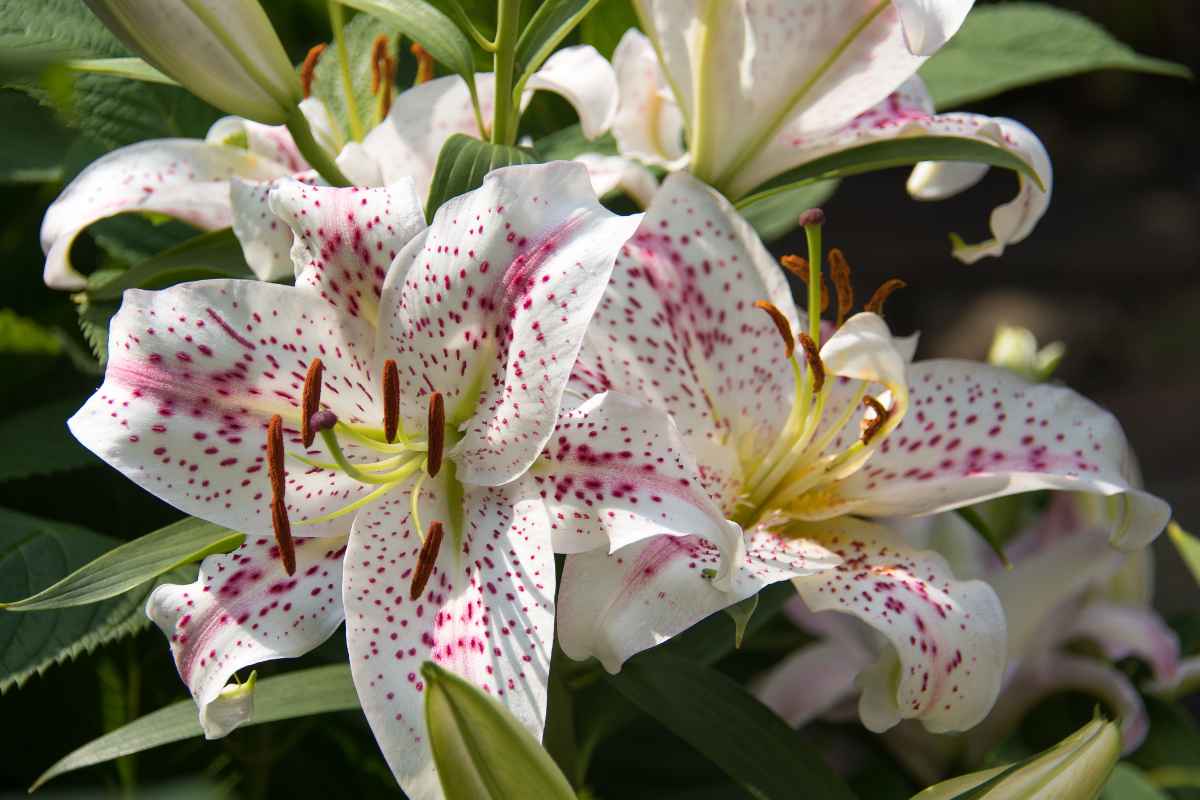
'Muscadet' is an Oriental lily with soft white flowers decorated with pink speckles and a delicate blush through the petals.
Its romantic coloring makes it a lovely addition to cottage gardens and pastel planting schemes.
Like many Oriental lilies, it also brings fragrance to the garden, making it a beautiful option near patios, paths, or cutting gardens.
13. 'Golden Splendor' Lily
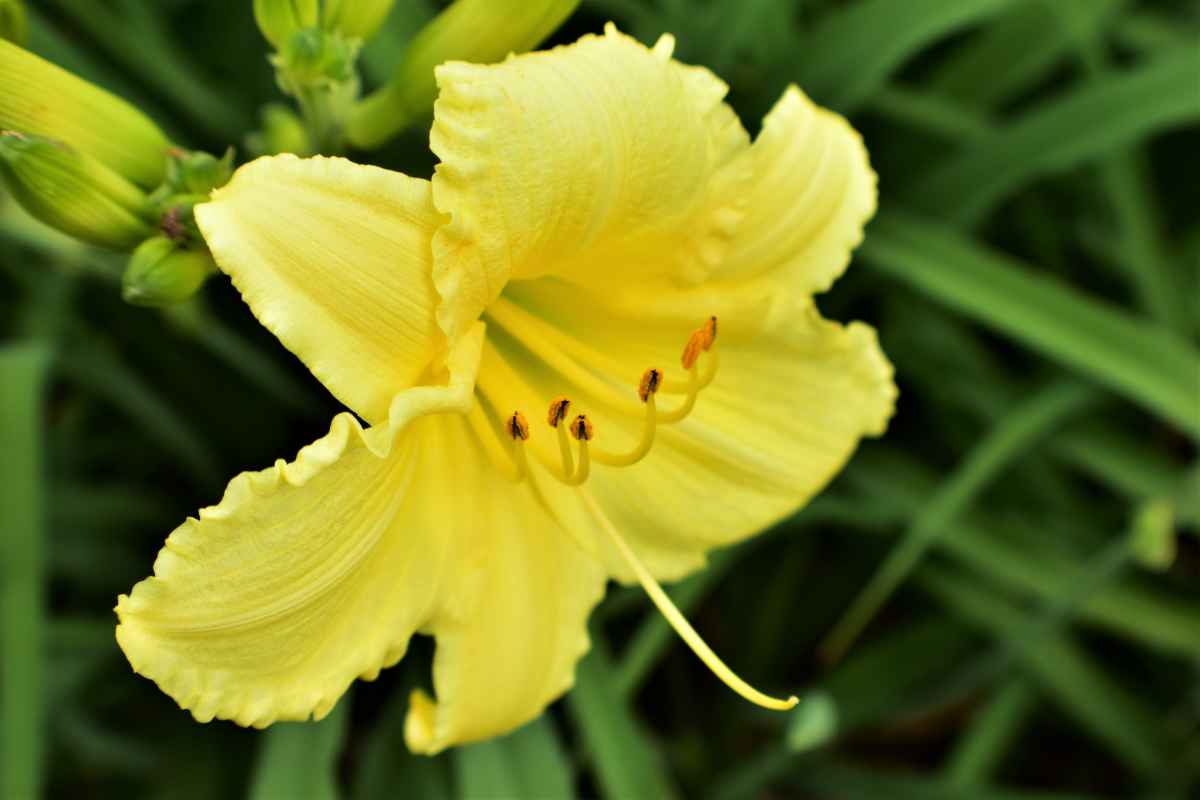
For gardeners who love sunny colors, 'Golden Splendor' offers beautiful golden-yellow trumpet-shaped flowers.
The rich yellow tones add warmth and brightness to garden beds, while the tall stems help introduce height.
These flowers look especially striking alongside purple, lavender, blue, or burgundy plants, which provide strong color contrast.
How to Choose the Best Lily Flowers for Your Garden
With so many types of lilies available, it helps to think about the role you want them to play in your landscape.
Start with flower color. Bright Asiatic lilies can bring bold color to a sunny border, while white Oriental lilies create a softer and more elegant look.
Height is another important consideration. Some lilies stay relatively compact, while taller trumpet and hybrid varieties can become strong vertical accents.
Fragrance also varies significantly. Oriental and trumpet lilies are often grown specifically for their scent, while Asiatic lilies generally have little fragrance.
You can also combine different lily groups to create a longer season of interest rather than relying on one type alone.
When planning your planting, consider:
- Flower color and markings
- Mature plant height
- Bloom season
- Fragrance
- Available sunlight
- Soil drainage
- Nearby plants and color combinations
A thoughtful mix can turn a simple lily planting into a layered display that feels intentional rather than crowded.
Simple Tips for Growing Healthy Lilies
Most garden lilies appreciate well-drained soil and a sunny location. Good drainage is particularly important because bulbs can struggle in soil that remains constantly waterlogged.
Planting depth can vary depending on the type and bulb size, so follow the recommendations provided with your specific bulbs.
Keep the Roots Cool
While lily flowers generally appreciate sunlight, the roots benefit from cooler conditions.
Low-growing perennials or a layer of mulch can help shade the soil around the base of the plants while allowing the stems and flowers to receive adequate light.
Support Tall Varieties When Needed
Some tall lilies may need support, especially in exposed or windy areas.
Adding a discreet plant support early in the growing season is much easier than trying to rescue stems after they begin leaning.
Leave the Foliage After Flowering
Once the flowers fade, avoid immediately cutting the entire plant to the ground.
Allow the leaves and stems to remain until they naturally yellow and decline. The foliage continues supporting the bulb during this period and helps prepare the plant for future growth.
Beautiful Ways to Use Lilies in Garden Design
Lilies become even more impressive when they are paired thoughtfully with surrounding plants.
For a cottage garden effect, combine lilies with plants that have softer forms and smaller flowers. The large lily blooms create a beautiful contrast against more delicate textures.
In modern gardens, repeating groups of one lily variety can create a cleaner, more structured look.
Lilies can also be used to add height to mixed borders. Position tall varieties behind shorter flowering plants so their stems rise above the surrounding foliage without leaving the lower portion of the bed looking empty.
Another option is to grow fragrant lilies near a path, patio, porch, or seating area where their scent can be appreciated.
For a balanced display, try combining lilies with plants that bloom at slightly different times. This keeps the bed interesting even before and after the lilies reach their peak.
Common Lily Growing Mistakes to Avoid
Even beautiful lily varieties can disappoint if their growing conditions are not right.
One of the most common problems is planting bulbs in poorly drained soil. Consistently wet conditions can cause bulbs to decline rather than establish healthy growth.
Another mistake is planting tall lilies in an exposed position without considering wind. Heavy flowers can put extra pressure on long stems, especially during storms.
Avoid cutting green foliage immediately after flowering as well. The leaves should be allowed to continue growing until they begin to fade naturally.
Finally, give lilies enough space. Crowded plantings can reduce airflow and make it harder to appreciate the individual flower shapes.
A little planning at planting time can make maintaining your lilies much easier throughout the season.
Create a Garden Filled With Colorful Lily Flowers
With their incredible colors, shapes, and fragrances, lily flowers can add something special to almost any garden. Whether you prefer cheerful Asiatic lilies, fragrant Oriental varieties, elegant trumpet lilies, or unusual Martagon blooms, there is a lily style for nearly every garden design.
Choose a few varieties that suit your space, pay attention to drainage and sunlight, and let these spectacular flowers become a highlight of your summer garden.
Happy gardening!
Emily
More Gardening Tips 👇🏼👇🏼