
Can Epsom Salt Give Roses One Last Bloom Before Fall?

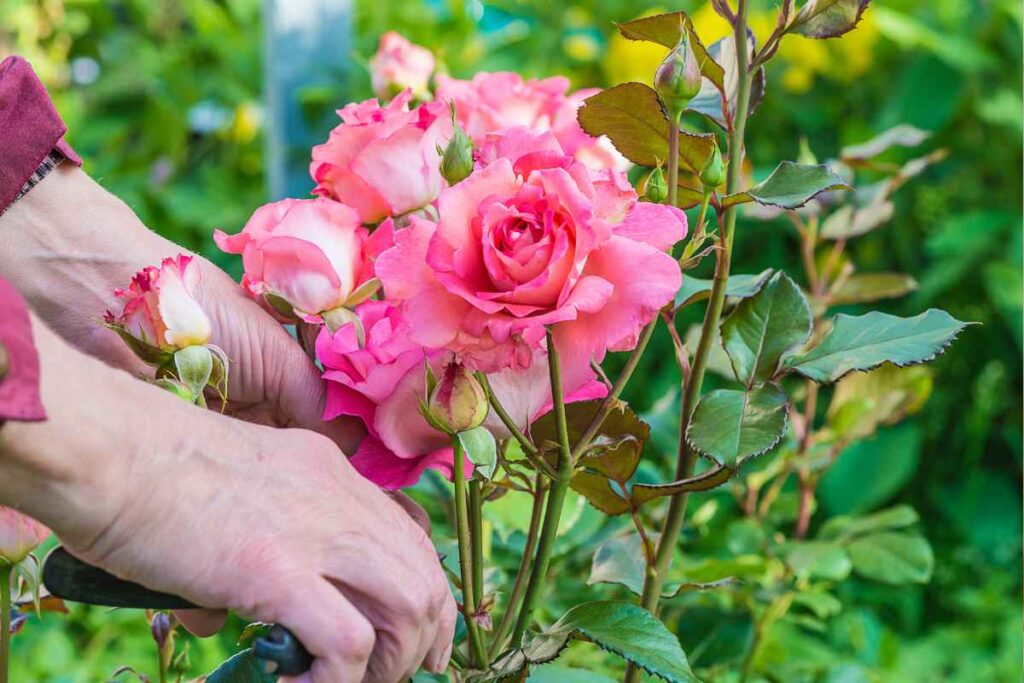
As summer winds down, you may be hoping for one more beautiful flush of roses before cooler weather arrives. Epsom salt is often recommended as a simple way to encourage greener plants and more flowers, but it is not a guaranteed bloom booster.
Epsom salt contains magnesium sulfate, so it can help when soil is genuinely low in magnesium. If your roses already have enough, however, adding more is unlikely to make them suddenly produce extra buds.
Here is what to check before using Epsom salt on roses late in the season.
Does Epsom Salt Make Roses Bloom More?
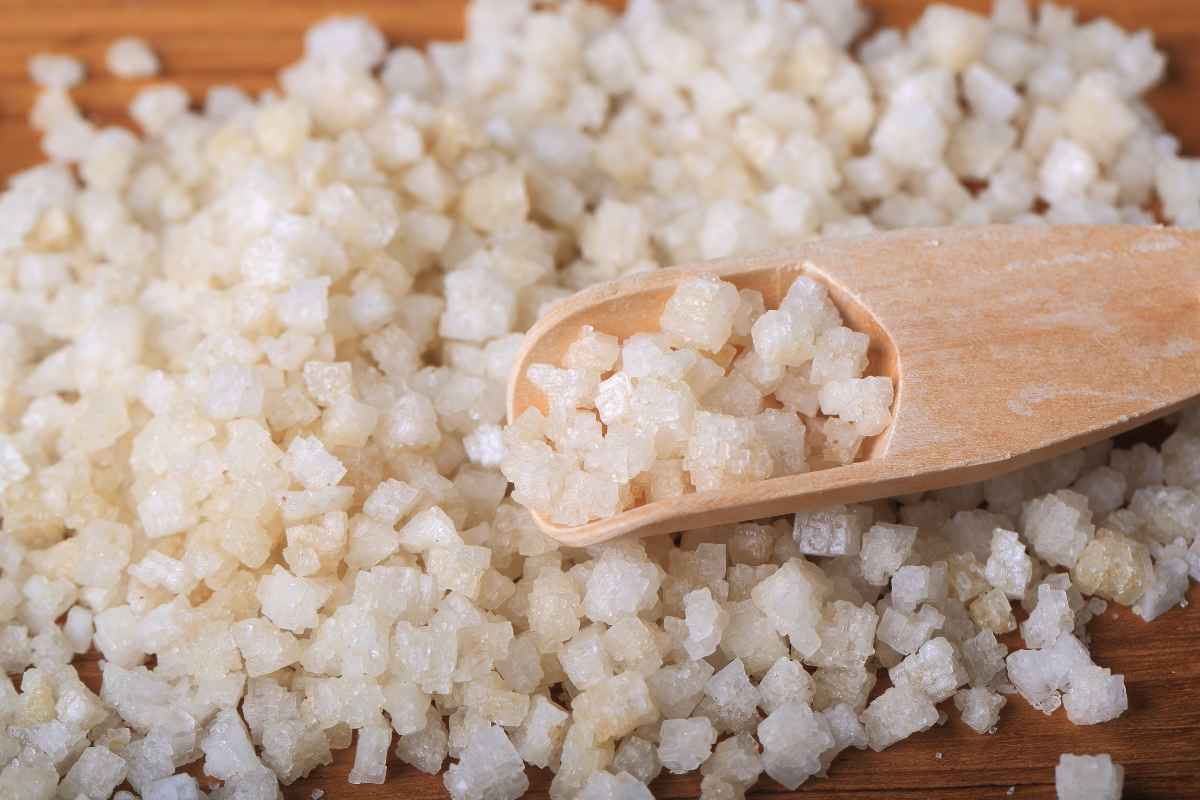
Magnesium is important for chlorophyll production and healthy plant growth, which is why Epsom salt has become a popular garden remedy.
But more magnesium does not automatically mean more flowers.
Epsom salt is most useful when a rose has an actual magnesium deficiency. Otherwise, unnecessary applications may upset the balance of nutrients in the soil.
If your main goal is more roses before fall, focus first on sunlight, water, plant health, and proper care.
When Epsom Salt May Help Roses
A rose growing in magnesium-deficient soil may benefit from additional magnesium.
One possible sign is yellowing between the veins of older leaves while the veins stay greener. However, yellow leaves can also result from watering problems, disease, root stress, soil pH issues, or other nutrient deficiencies.
That is why a soil test is much more reliable than guessing.
If a magnesium deficiency is confirmed, correcting it may help the rose return to healthier growth. That healthier plant may flower better, but Epsom salt itself is not directly forcing new blooms.
What Roses Need for Late-Season Blooms
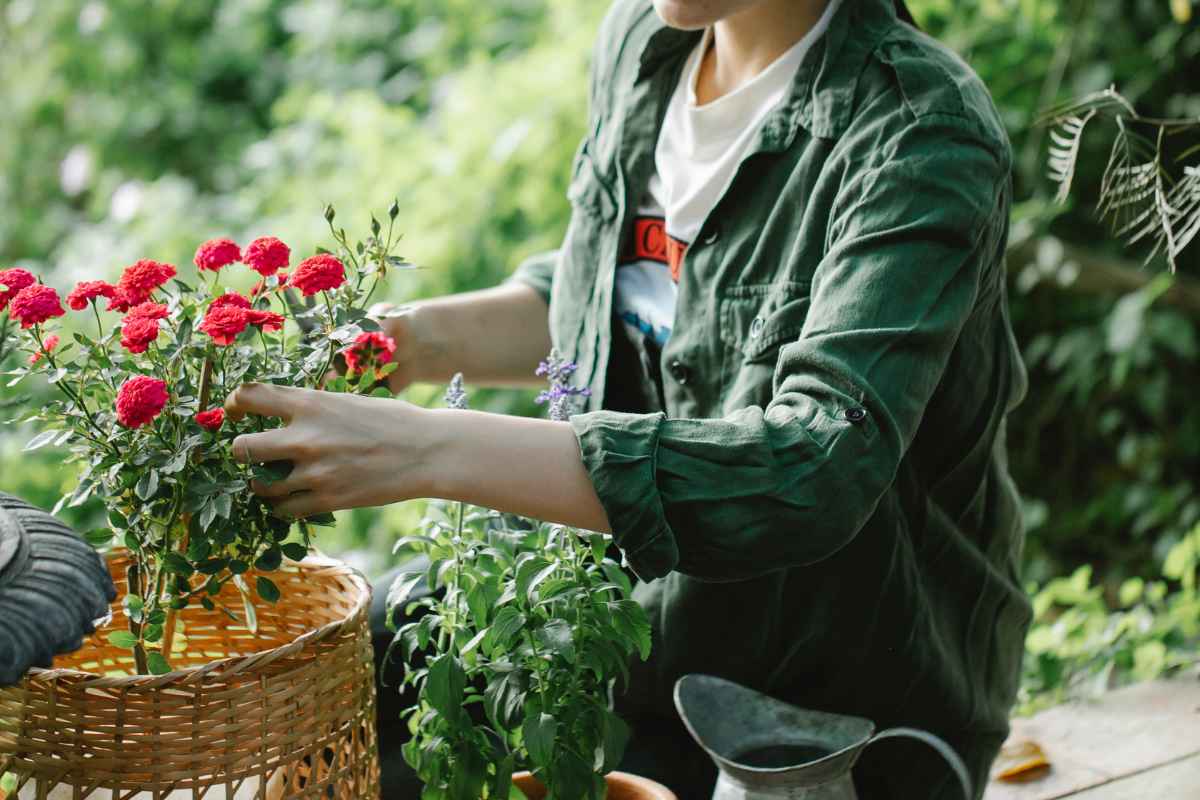
If your rose looks healthy but flowering has slowed, these factors are usually more important than adding Epsom salt.
Plenty of Sunlight
Most roses bloom best with several hours of direct sun each day. Late in summer, nearby trees and plants may create more shade than they did earlier in the season.
Consistent Watering
Dry soil can stress roses and reduce flowering. Water deeply so moisture reaches the root zone rather than lightly wetting only the surface.
At the same time, avoid keeping the soil constantly soggy.
Remove Spent Flowers
For repeat-blooming roses, deadheading faded flowers can help keep the plant tidy and encourage another bloom cycle while there is still enough growing season left.
Use clean pruning shears and avoid heavy pruning as cold weather approaches.
Balanced Nutrition
Epsom salt provides magnesium and sulfur, but it is not a complete rose fertilizer.
Roses need balanced nutrition, and adding extra fertilizer late in the season is not always helpful. Follow product directions and consider your local frost dates before encouraging tender new growth.
A Quick Late-Summer Rose Checklist
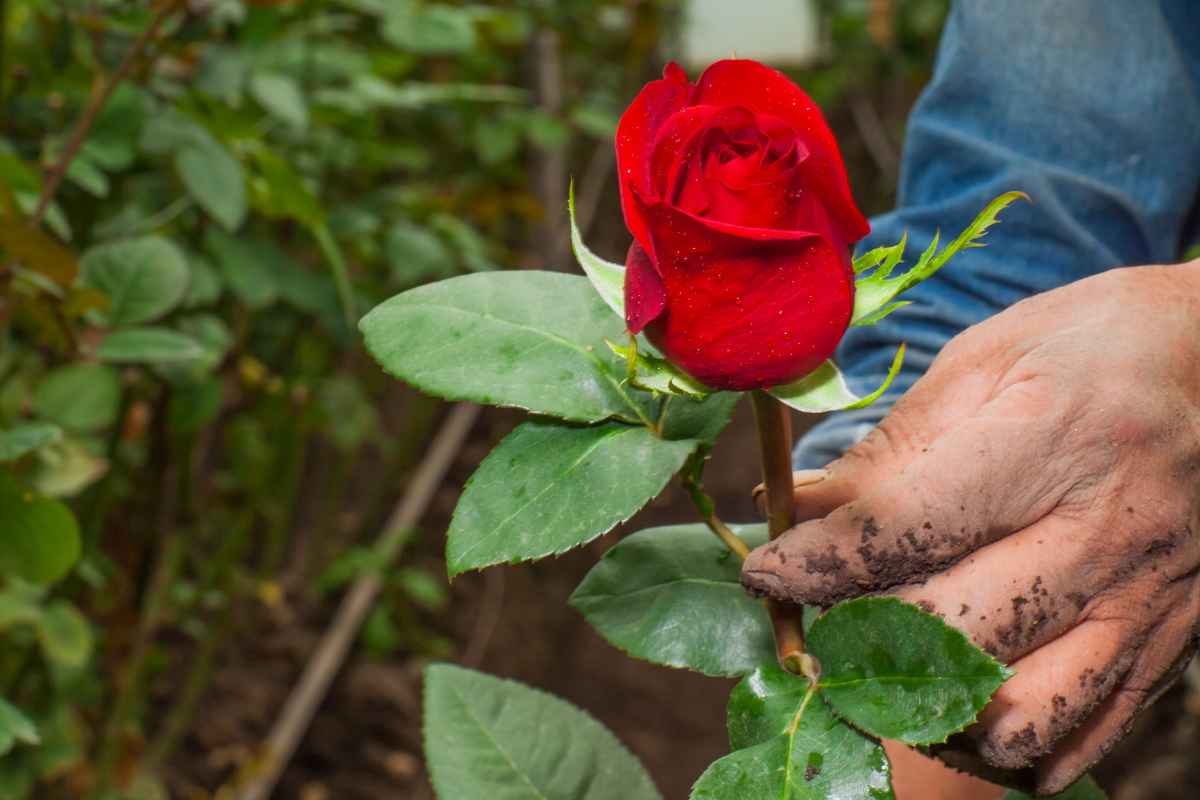
Before adding anything to your roses, check these basics:
- Make sure the plant is still receiving enough sunlight.
- Check the soil for excessive dryness or poor drainage.
- Remove faded blooms from repeat-flowering varieties.
- Inspect leaves for pests, spots, or unusual yellowing.
- Avoid automatically adding more fertilizer.
- Test the soil if you suspect a nutrient deficiency.
Often, correcting one of these simple issues can make a bigger difference than using a garden remedy.
Common Epsom Salt Mistakes
One common mistake is using Epsom salt on every rose simply because it is widely recommended online.
Healthy roses do not automatically need extra magnesium.
Another mistake is assuming every yellow leaf signals magnesium deficiency. Several problems can produce similar symptoms, so diagnosis matters.
Avoid using stronger or more frequent applications in hopes of getting faster results. Too much magnesium can interfere with the balance of other nutrients in the soil.
Foliar sprays should also be used cautiously because overly concentrated solutions can damage leaves.
What If Your Roses Still Aren't Blooming?
If your roses have slowed down near the end of summer, magnesium may not be the issue at all.
Heat stress, lack of sunlight, watering problems, pests, disease, or the natural bloom cycle of the variety may all reduce flowering.
Seasonal timing matters too. As days shorten and temperatures cool, roses naturally begin responding to the approach of fall.
Sometimes the best approach is simply to keep the plant healthy rather than trying to force one more flush of blooms.
Should You Use Epsom Salt Before Fall?
Epsom salt can be useful when your roses truly need magnesium, but it is not a reliable shortcut for producing more flowers.
For healthier late-season roses, focus first on sunlight, steady watering, appropriate deadheading, balanced nutrition, and overall plant health.
If you suspect a nutrient problem, test the soil before adding anything extra.
A healthy rose is much more likely to reward you with beautiful blooms than one receiving treatments it does not actually need.
Happy gardening,
Emily
More Gardening Tips 👇🏼👇🏼