
Bare Root vs. Potted Fruit Trees: Which to Choose?


Bare root vs. potted fruit trees is a classic gardener’s dilemma.
In this video from Epic Gardening in collaboration with The Busy Gardener, you’ll see clear, side-by-side comparisons that help you decide what to buy, when to plant, and how to get strong, fruit bearing trees without wasting time or money.
What’s the Real Difference?
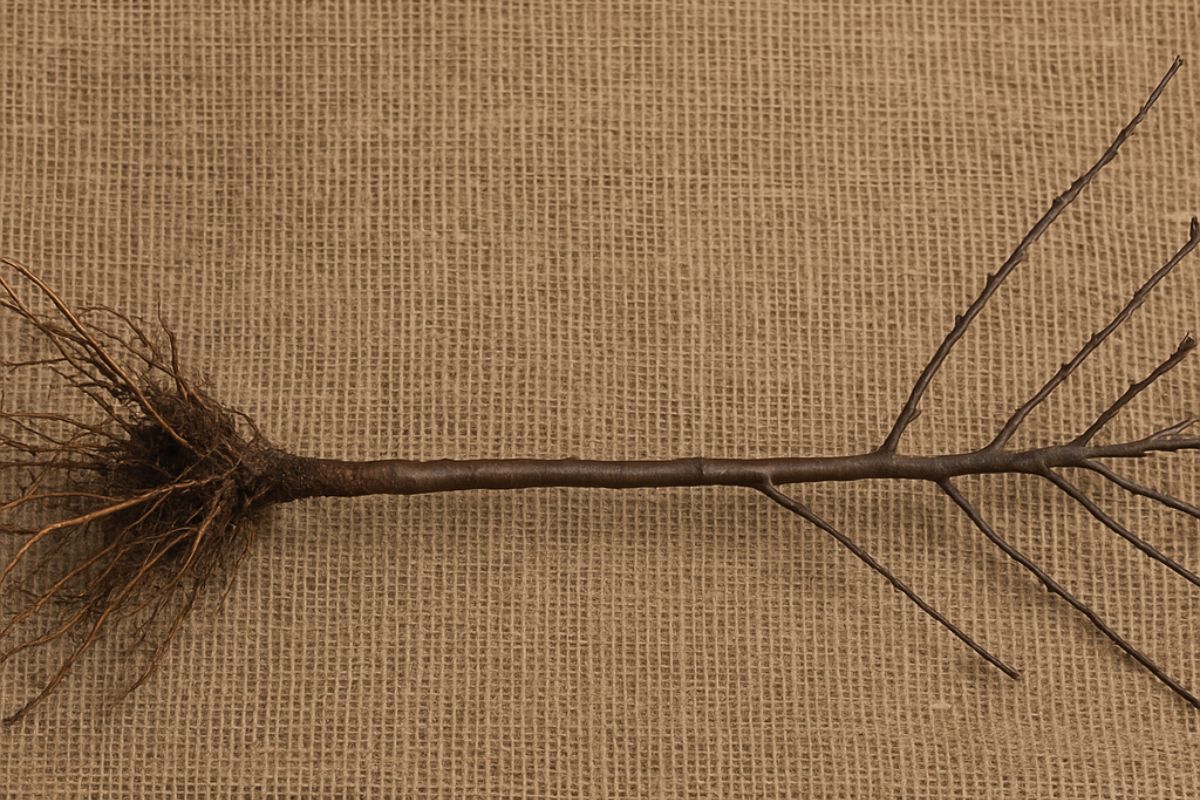
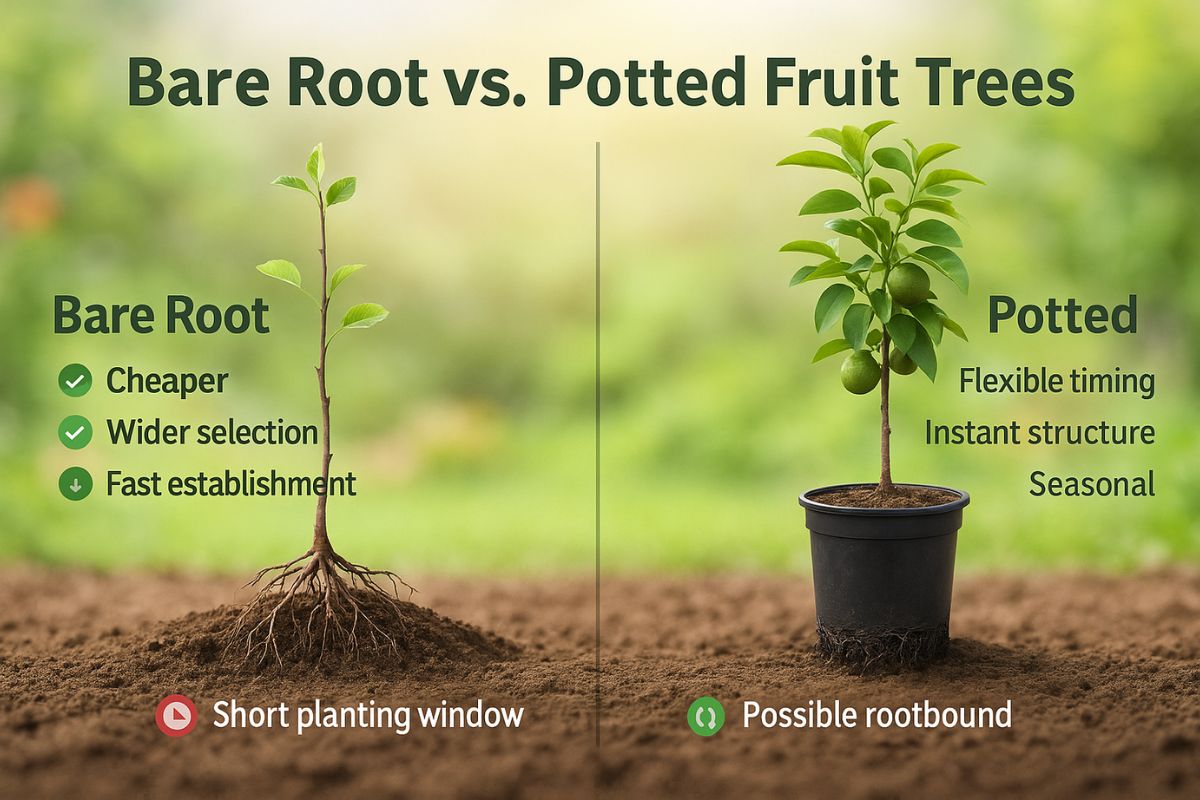 Bare root fruit trees are field-grown and shipped dormant with no soil around the roots. They’re lighter, usually cheaper, and give you a bigger selection at nurseries when winter rolls in.
Because there’s no heavy potting mix, the roots often establish quickly once planted into native soil.
By contrast, potted fruit trees—also called pot-grown fruit trees—live in containers with a developed root ball. They’re available most of the year and let you see foliage, flowers, or even small fruit at purchase time.
However, they can be root-bound if they’ve sat too long, which you’ll want to correct at planting.
In short: choose bare root for cost, selection, and fast establishment in season; choose containerized when timing is flexible and you want instant structure for your garden.
How To Choose for Your Garden
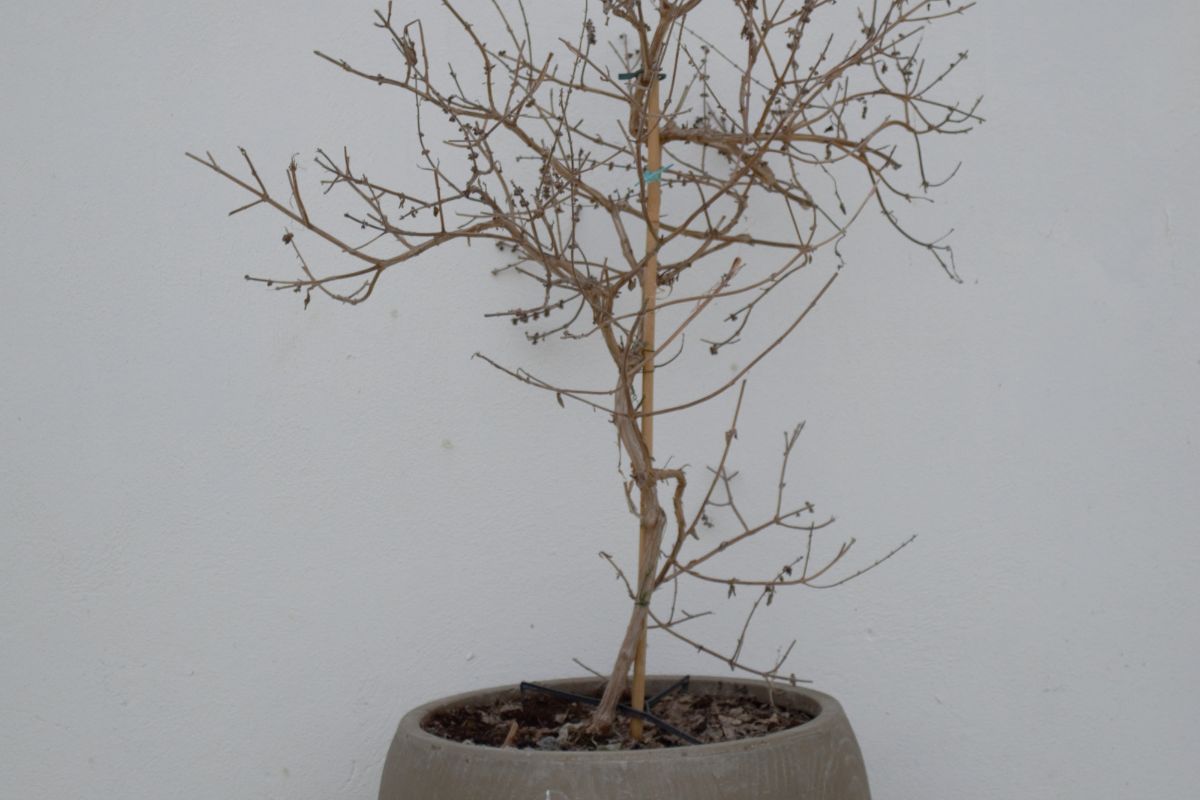 Start with goals and site conditions. If you’re planning a new food forest this winter, bare root makes sense: you can buy trees in batches and stage a single planting day.
If you’ve got a gap to fill in spring or summer, potted stock is convenient and keeps momentum in your design.
Think through chill hours, mature size, pollination partners, and harvest windows—this is the real “how to choose fruit trees” checklist. Dwarf and semi-dwarf options fit patios and small yards; standard trees suit larger spaces.
Match varieties so blossom times overlap if cross-pollination is required.
Inspect roots before purchase. For pot-grown fruit trees, slide the root ball out: circling roots are fixable if you tease or prune them.
For bare root, look for plump, fibrous roots with no mushy tips or mold. Healthy roots today mean easier growing fruit trees tomorrow.
Planting Basics That Matter
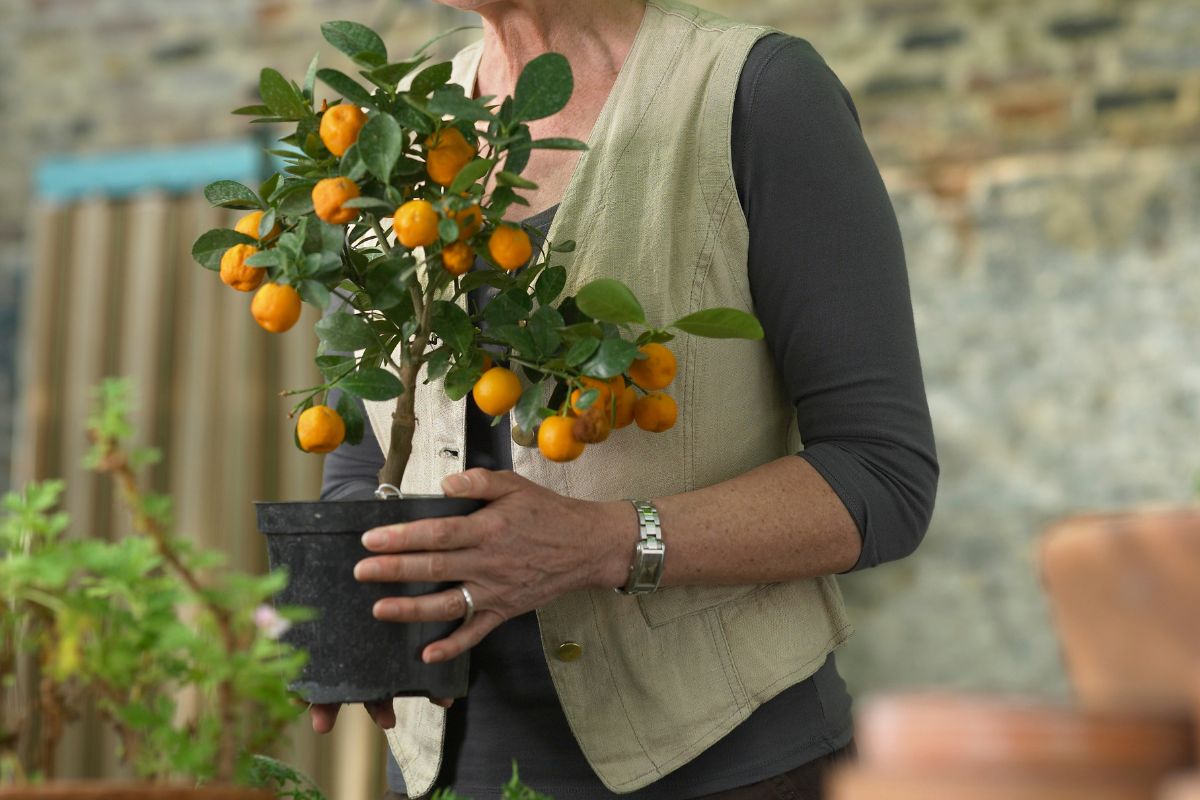 Timing drives success. Planting bare root trees is best in late fall through early spring while trees are dormant. That’s why planting bare root fruit trees delivers such rapid establishment—the roots wake up already in native soil.
Meanwhile, planting fruit trees from containers works almost year-round if extreme heat or frost is avoided.
Prepare a wide, shallow hole, not a deep one. Rough up glazed sides, set the graft union above grade, and backfill with the soil you removed.
Water in thoroughly to eliminate air pockets. If you use decorative tree planters on patios, ensure excellent drainage and choose dwarf varieties that thrive in containers.
Finish with a basin for irrigation and 5–8 cm of mulch, pulled back from the trunk. Stake only if your site is windy; remove stakes after the first season so the trunk can strengthen.
Early Care, Growth, and First Fruit
 Whether you chose bare root or containerized, the next few months define future yields. Keep soil evenly moist but never waterlogged. A light, balanced feed at bud-break jump-starts vigor, and a summer compost top-dress supports steady growth.
Formative pruning in year one sets scaffold angles and keeps trees compact—huge for small spaces and patio orchards.
With good tree care, many peaches, figs, and berries fruit quickly, while apples and pears may take longer. Expect earlier crops from vigorous stock, but remember: thoughtful training today equals heavy fruit bearing trees later.
Monitor pests and diseases with regular walk-throughs. Catching curled leaves, scale, or borer activity early prevents setbacks and keeps growing fruit trees stress-free.
What to Plant Under Fruit Trees
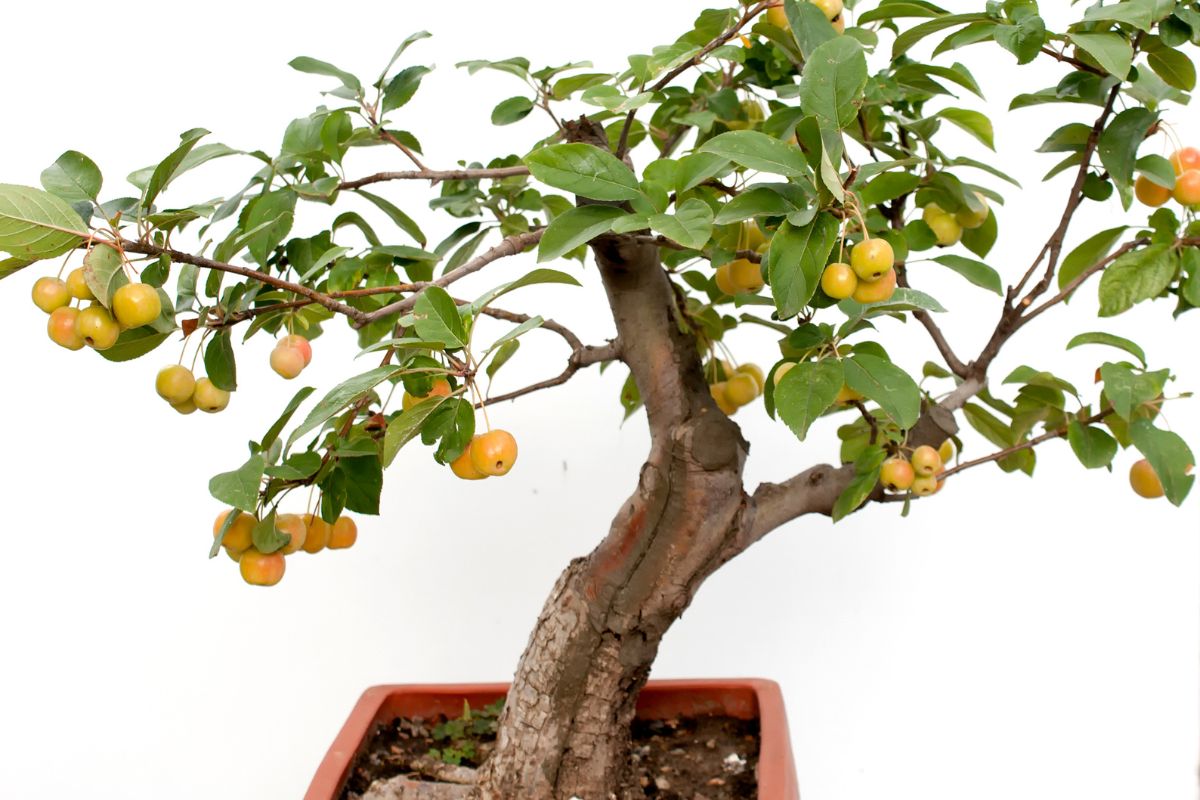 Don’t leave bare soil. A living mulch supports soil life, moderates temperature, and invites beneficial insects.
Wondering what to plant under fruit trees? Start with low-growing herbs like thyme and oregano, plus nitrogen fixers like clover to feed the system naturally.
Thoughtful companion plants for fruit trees can repel pests (chives near apples), attract pollinators (calendula, alyssum), and signal soil health.
Keep the immediate trunk zone clear for airflow and to discourage rot, but let your companions knit a resilient understory everywhere else.
Bare Root vs. Potted Fruit Trees: Quick Takeaways
Cost & Selection: Bare root wins in winter with broad variety and lower prices. Potted shines for convenience and instant landscape impact.
Root Health: Bare root shows you everything at a glance. Containers require a quick check for circling roots and gentle corrective pruning.
Timing: Bare root is seasonal; containers are flexible. Match your calendar—and climate—to the stock you choose.
Enjoy This Video Tutorial About Planting Fruits

Source: Epic Gardening
Don’t forget to Subscribe to our Newsletter to receive amazing tips and tricks about Gardening and the FREE Ebook Green Living Strategies!
Did you find this post Useful or Inspiring? Save THIS PIN to your GARDENING Board on Pinterest! 😊
 Once again, thank you for visiting our website!
We hope you've enjoyed exploring the content we've created for you.
Give yourself the chance to learn, get inspired, and have even more fun, keep browsing...
More Gardening Tips 👇🏼👇🏼