
Basic Care Guide for Bird of Paradise Flower!

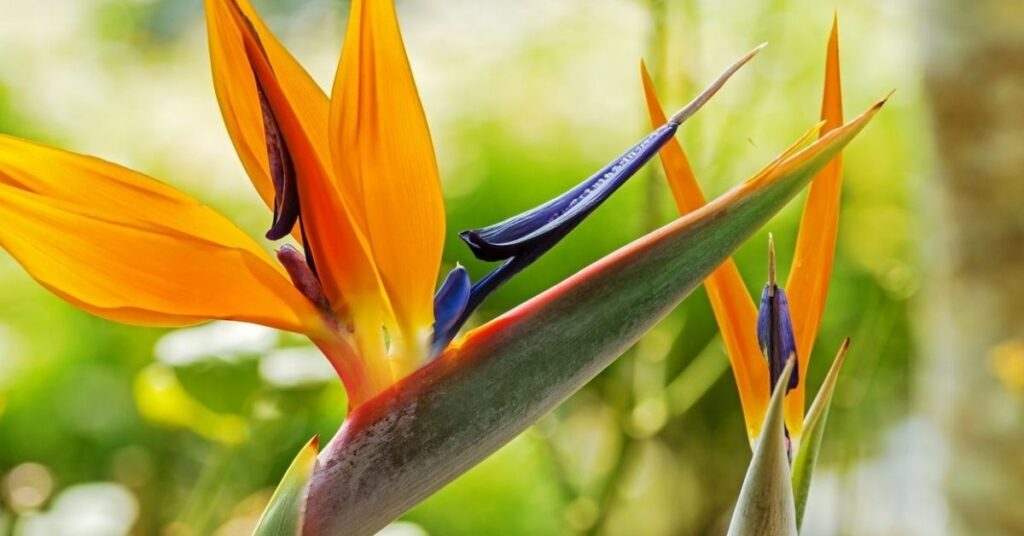
The Bird of Paradise (genus Strelitzia) is native to South Africa and is admired for its exotic, bird-shaped blooms and lush, tropical foliage.
While it can thrive outdoors in frost-free climates, it’s also a popular houseplant worldwide.
Patience is key: plants grown from seed may take 3–5 years to reach maturity before producing their first flowers.
Understanding the Bird of Paradise
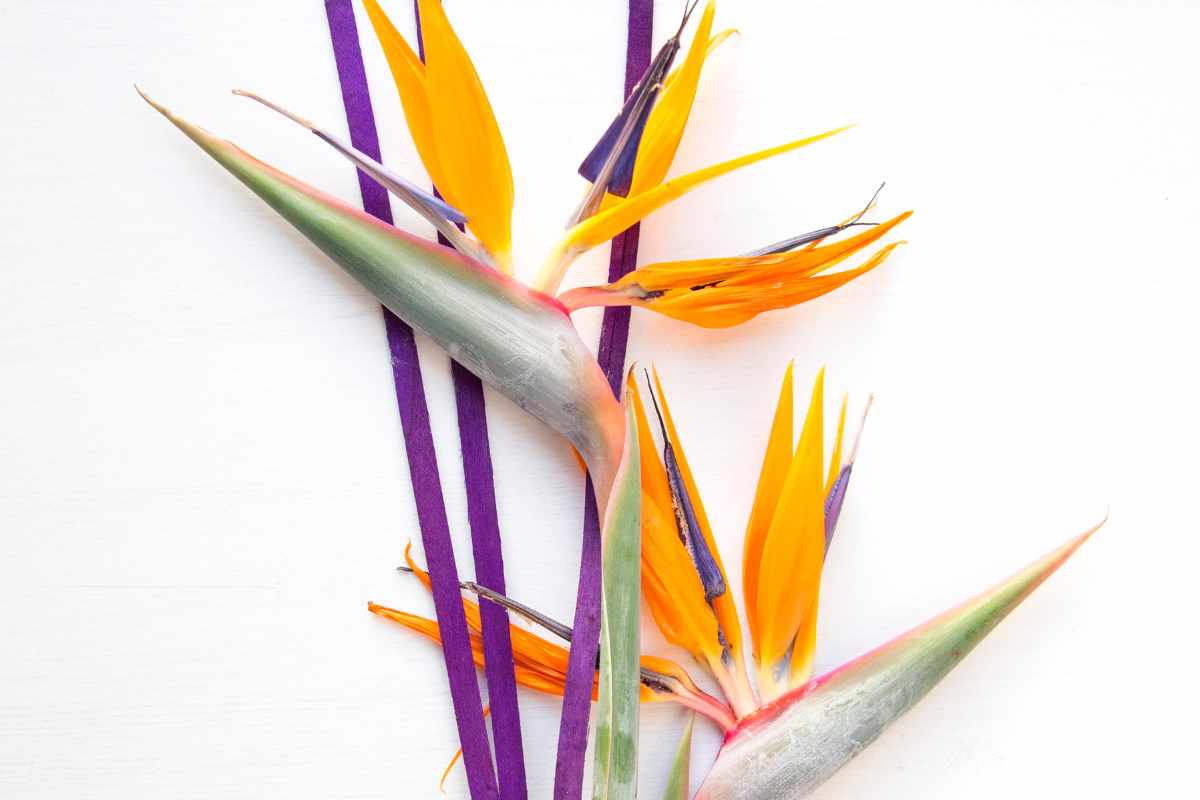
The Bird of Paradise gets its name from its unique, brightly colored blooms that resemble a bird in flight.
While it’s often grown as a houseplant, it can also thrive outdoors in warmer climates.
These plants can grow up to six feet tall indoors and even larger outdoors, making them a striking addition to your plant collection.
Light Requirements
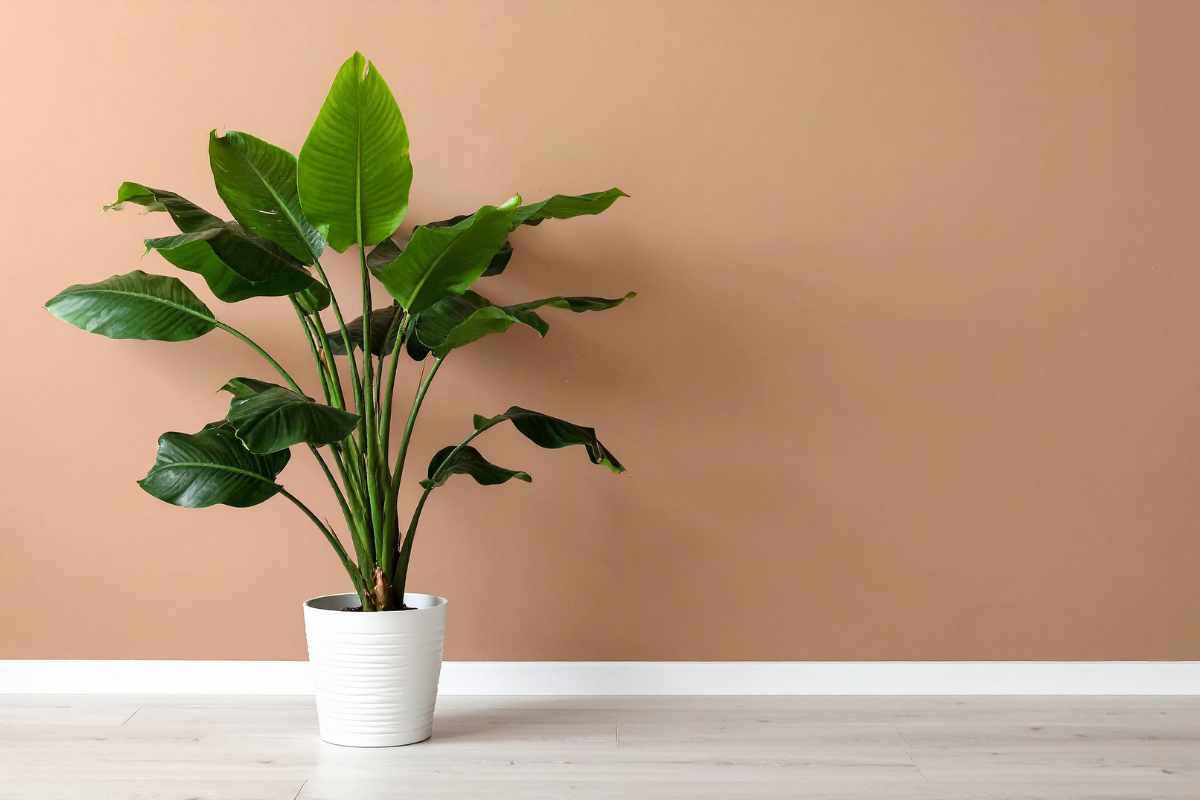
Bird of Paradise plants thrive in bright, abundant light.
For healthy growth and reliable blooms, aim for at least 5–6 hours of strong light daily.
Indoors, place your plant near a south-, southeast-, or southwest-facing window.
Outdoors, they can handle full sun, though in very hot climates, they’ll benefit from partial shade during peak afternoon hours. Rotate the plant every few weeks so it grows evenly and doesn’t lean toward the light source.
Watering Needs

Proper watering is crucial for a healthy Bird of Paradise. Water deeply until excess drains from the bottom of the pot, then wait until the top 1–2 inches of soil are dry before watering again.
During spring and summer, keep the soil consistently moist but never soggy. In fall and winter, reduce watering to match the plant’s slower growth.
Yellowing leaves often signal overwatering, while crispy edges and drooping leaves suggest the plant is too dry.
Soil and Fertilizer
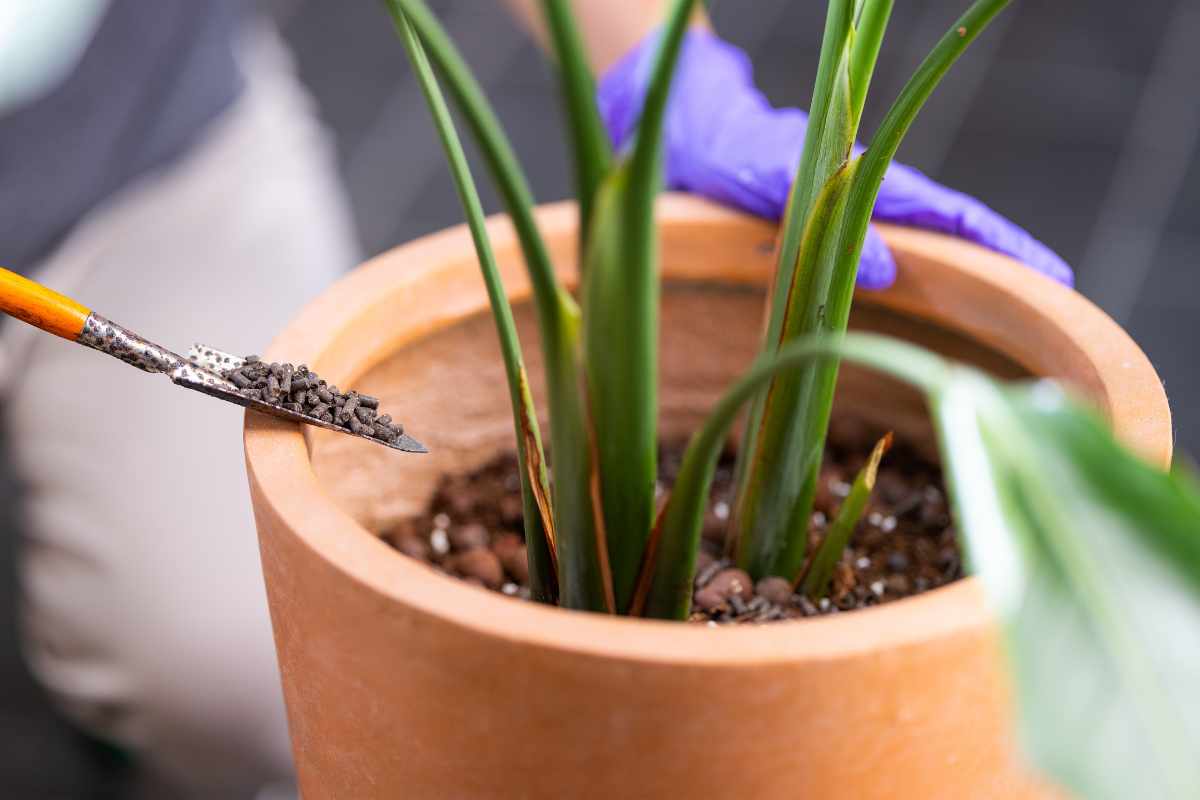
This plant does best in a rich, well-draining soil mix. A good option combines peat moss or coco coir, compost, and perlite or coarse sand for aeration. The ideal soil pH is between 6.0 and 7.0.
Feed your Bird of Paradise with a balanced fertilizer (such as 10-10-10 or 20-20-20) every 4–6 weeks during the growing season. Liquid fertilizers or slow-release pellets both work well.
Cut back on feeding in fall and winter. Avoid overfertilizing, as too much nitrogen promotes leaf growth at the expense of flowers.
Temperature and Humidity

As a tropical plant, the Bird of Paradise loves warmth. Keep temperatures between 65–85 °F (18–30 °C) for best results.
Protect it from drafts and avoid exposing it to temperatures below 50 °F (10 °C), which can damage the plant.
Moderate to high humidity (50–70%) helps keep the foliage lush and healthy.
In dry indoor environments, mist the leaves, use a humidifier, or set the pot on a pebble tray with water to increase humidity around the plant.
Pruning and Maintenance
Regular maintenance keeps your plant looking its best. Remove dead, damaged, or yellowing leaves by cutting them close to the base with clean, sharp tools.
Wipe down leaves occasionally with a damp cloth to remove dust, which improves photosynthesis and helps prevent pests.
Deadheading spent flowers not only tidies the plant but also encourages new growth.
Avoid over-pruning, as the leaves are essential for energy production.
Repotting Your Bird of Paradise
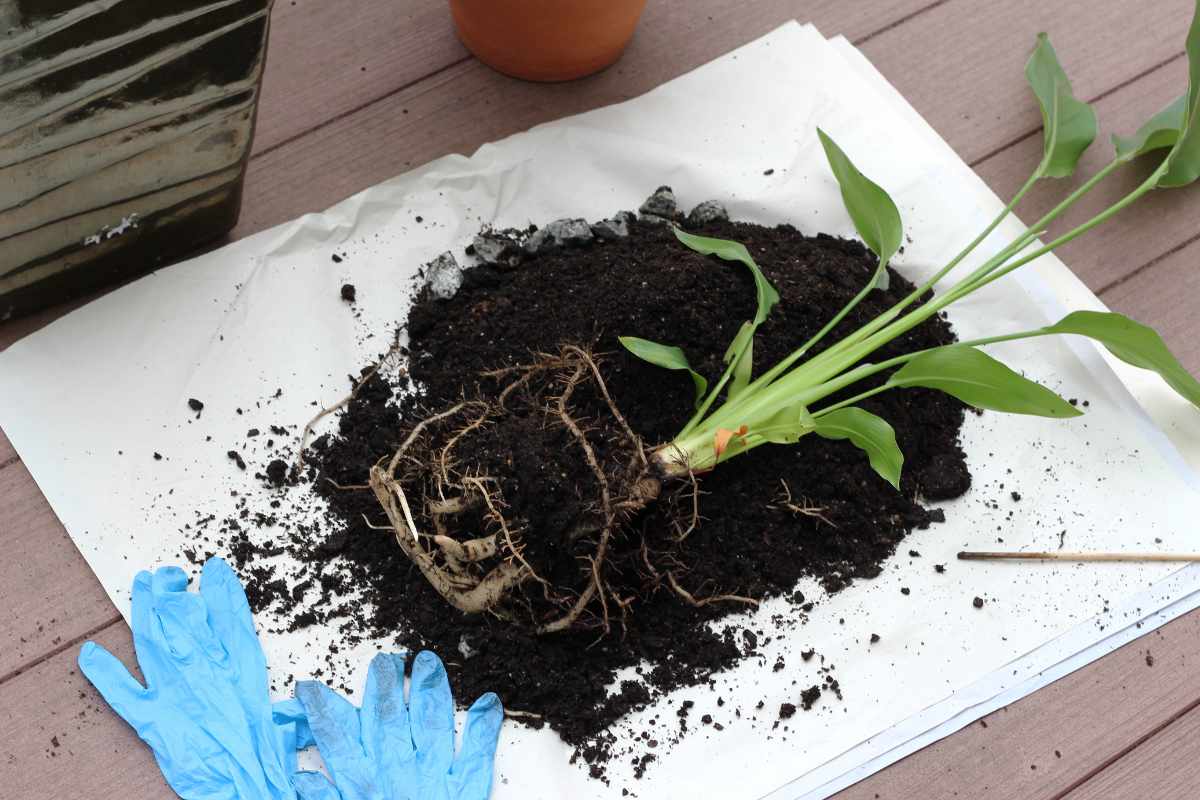
Repot every 2–3 years or when roots begin circling the pot or growing out of drainage holes.
Choose a container only 2–3 inches wider than the current one to avoid excess soil that can hold too much water.
Spring is the ideal time for repotting, as the plant is entering its active growth phase.
While repotting, trim away any damaged or rotting roots to promote a stronger root system.
Encouraging Flowers

Getting your Bird of Paradise to bloom can be challenging but rewarding. Keep these tips in mind:
Maturity matters: Plants usually need to be at least 4–5 years old before they flower.
Light is key: Without plenty of bright light, the plant will focus on leaves rather than blooms.
Pot size: A slightly snug pot encourages flowering, while oversized containers often delay it.
Balanced nutrition: Don’t overdo nitrogen; phosphorus and potassium help support flowering.
Patience: Even in ideal conditions, flowers may take time to appear.
Common Issues and Troubleshooting
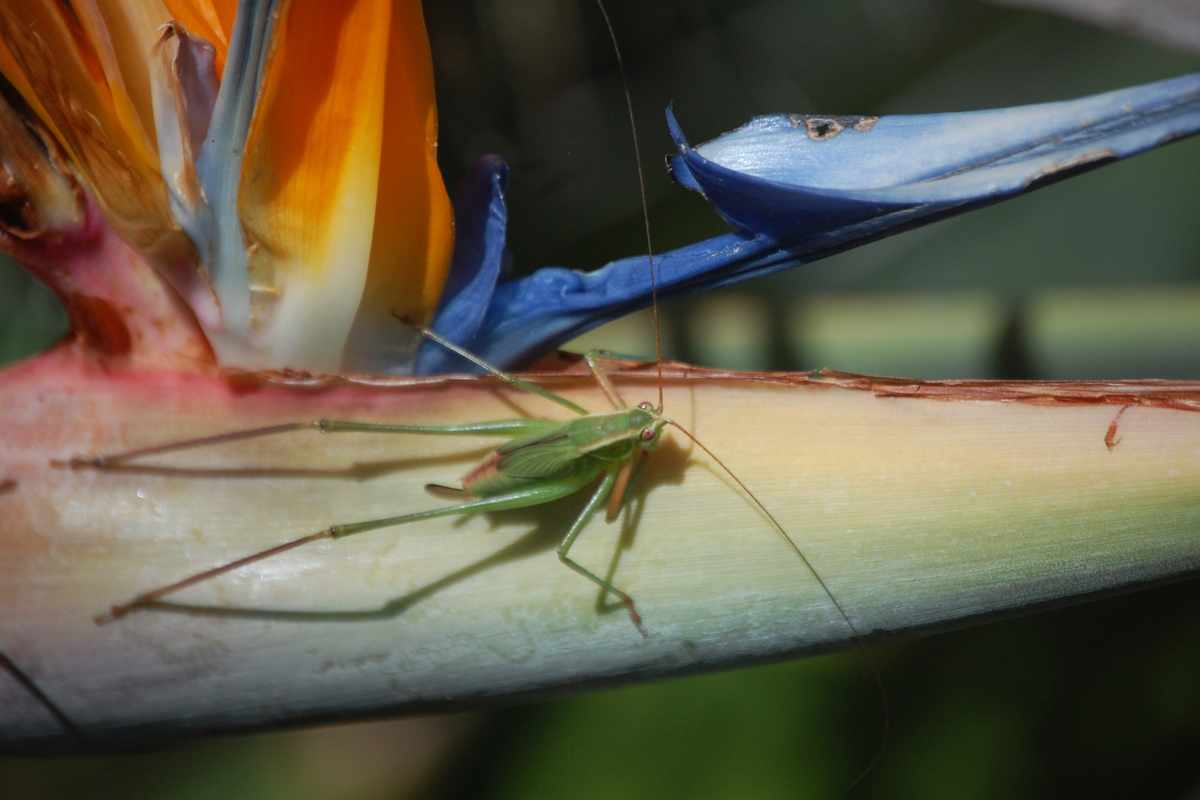
Despite its hardiness, the Bird of Paradise can face a few issues. Here’s how to address them:
Yellowing Leaves
- Cause: Overwatering or poor drainage.
- Solution: Allow the soil to dry out and ensure the pot has proper drainage holes.
Brown Leaf Edges
- Cause: Low humidity or underwatering.
- Solution: Increase humidity and water more consistently.
No Blooms
- Cause: Insufficient light or the plant is too young.
- Solution: Move it to a brighter spot and ensure it’s mature enough to flower.
Final Thoughts
The Bird of Paradise is a statement plant that rewards attentive care with bold leaves and, with time, spectacular blooms.
By providing bright light, the right soil mix, careful watering, and balanced feeding, you’ll keep your plant thriving for years.
With a little patience and consistency, your Bird of Paradise will eventually display its iconic flowers — the true highlight of any indoor or outdoor space.
Enjoy This Video Tutorial
Source: The Jungle Haven
Don’t forget to Subscribe to our Newsletter to receive amazing tips and tricks about Gardening and the FREE Ebook Green Living Strategies!
Did you find this post Useful or Inspiring? Save THIS PIN to your GARDENING Board on Pinterest! 😊

Once again, thank you for visiting our website!
We hope you've enjoyed exploring the content we've created for you.
Give yourself the chance to learn, get inspired, and have even more fun, keep browsing...
More Gardening Tips 👇🏼👇🏼