
Bird Feeding Myths


Bird Feeding Myths are everywhere, and many of them get repeated so often they’re simply Taken For Granted. Today we’ll separate rumor from reality with Real Facts about Feeding Birds in your yard.
Whether you’re just starting to make a bird feeder or you’ve been hosting backyard birds for years, this guide will help you offer a safe, nutritious diet and a reliable food source for a diversity of bird species.
Bird Feeding Myths: Real Facts vs Common Myths
One of the most Common Myths is that feeding will make birds dependent on us. Myth Busted: wild birds are expert foragers.
Feeders are a supplement, not a substitute, and most birds still obtain the majority of their Natural Food from the landscape. Your role is to reduce risk and add reliable calories during tough weather.
Another misconception claims that feeding only helps a few Common Birds. In reality, smart choices can support All Birds that frequent your region—from finches to sparrows to nuthatches—so long as you offer varied, safe foods and keep equipment clean.
That’s how a simple habit turns into a resilient bird garden that welcomes a broad range of bird species.
Finally, some say feeding harms the planet. Done well, it can actually help save environment goals by fostering local stewardship.
Bird-friendly yards educate families, inspire bird watchers, and encourage native plantings that benefit pollinators and Wild Birds year-round.
 What Counts as a Natural Diet?
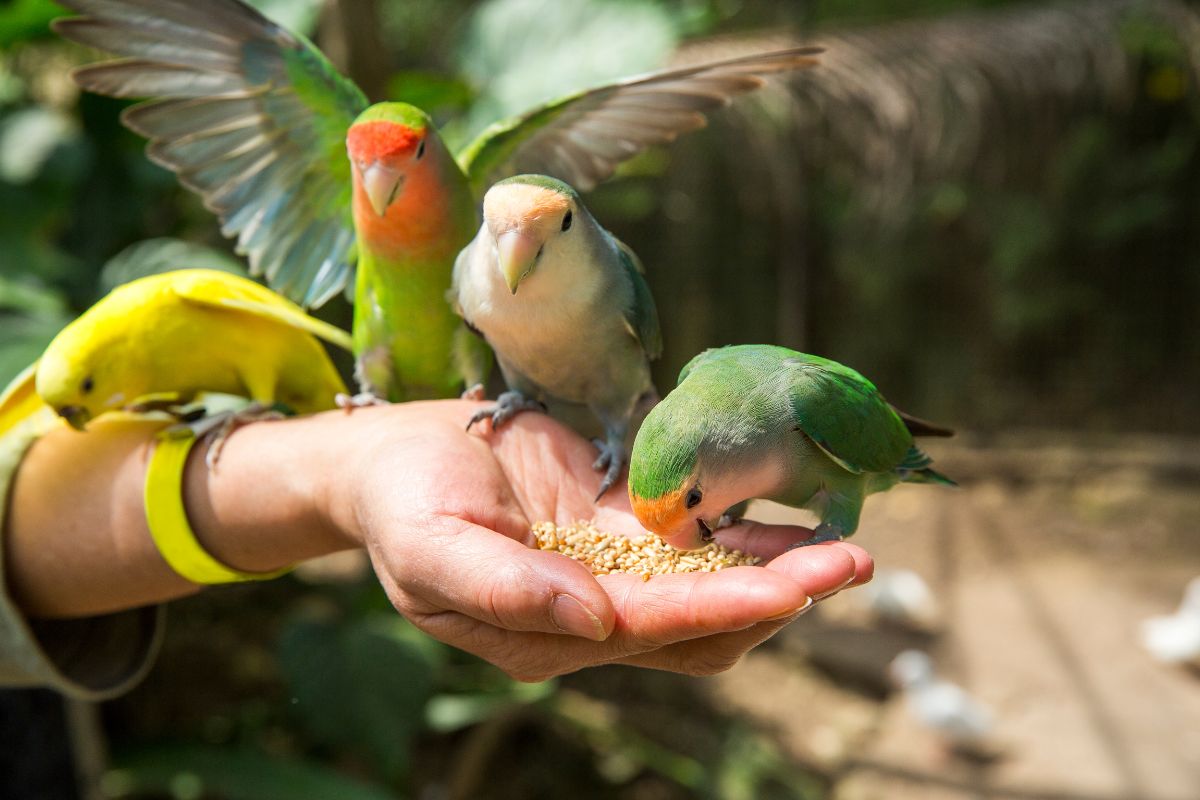
We often hear that feeders “aren’t natural.” But a Natural Diet is about ingredients and balance, not where a seed is placed.
Sunflower, millet, peanuts, and suet mimic foods birds already seek. Offering high energy foods during cold snaps supports migration and survival.
Think in terms of a Nutritious Diet with fats, protein, and fiber. Quality Bird Food includes black-oil sunflower and quality suet; these are excellent energy foods that small birds can digest quickly.
Cheap mixes heavy on fillers waste money and create mess, which can attract pests.
Don’t forget water. A heated birdbath can be life-saving in winter and keeps birds clean for efficient insulation and flight. Hydration is as fundamental as any Food Source.
Choosing Bird Seed and Other Foods
Good Bird Seed blends feature black-oil sunflower, safflower, and white proso millet. These provide dense calories and are widely accepted by common birds and pickier visitors alike.
Add shelled peanuts or peanut hearts to boost fat and protein when temperatures plunge.
Suet and no-melt cakes are classic High Energy Foods. Place them in a spot with shade and airflow. If you live in hot climates, look for heat-resistant formulas labeled for warm weather to avoid spoilage.
Liquid options matter too. homemade hummingbird Nectar (plain sugar and water, no dyes) offers a quick fuel source for tiny, high-metabolism birds.
Clean and refresh it frequently, especially in warm weather, to prevent fermentation.
 Species Notes: From Hummingbirds to Wild Turkey
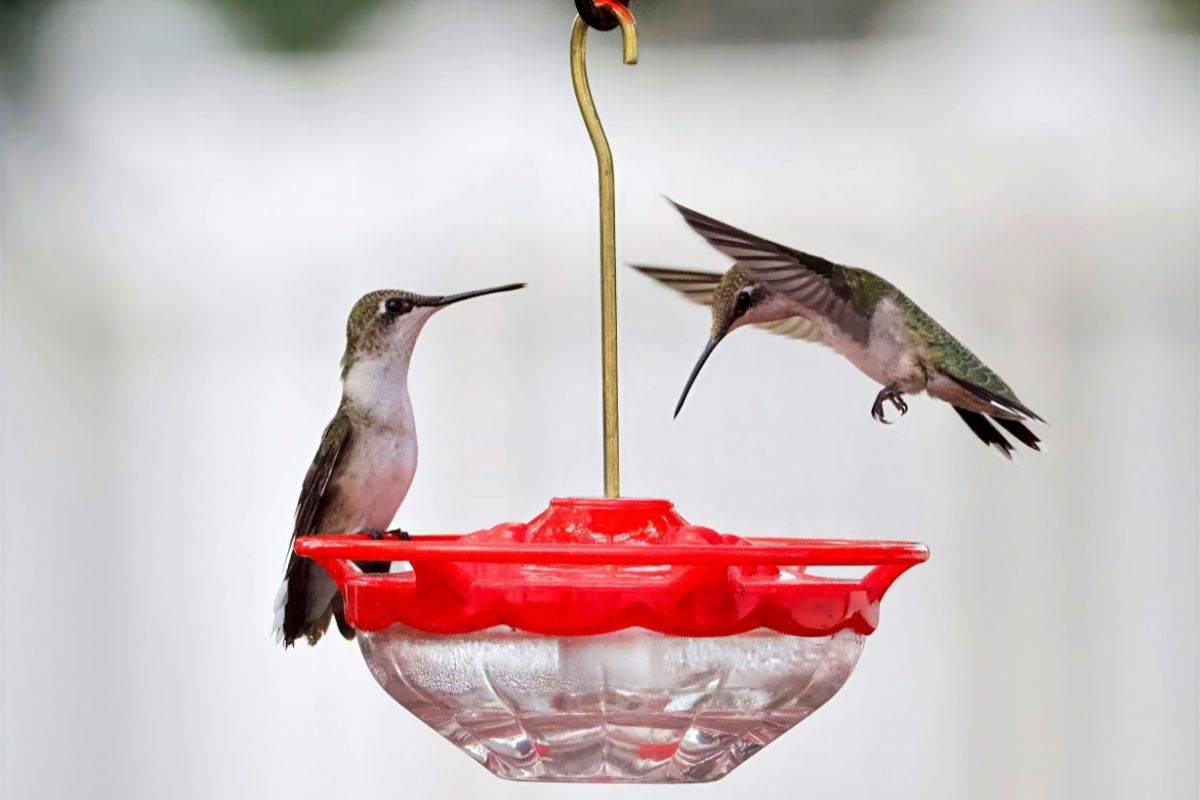
Hummingbirds thrive on clean, dye-free hummingbird nectar. Use simple saucer or bottle feeders that are easy to scrub.
Position near flowers so the birds can combine natural blooms with supplemental nectar—a perfect blend of feeder and Natural Food.
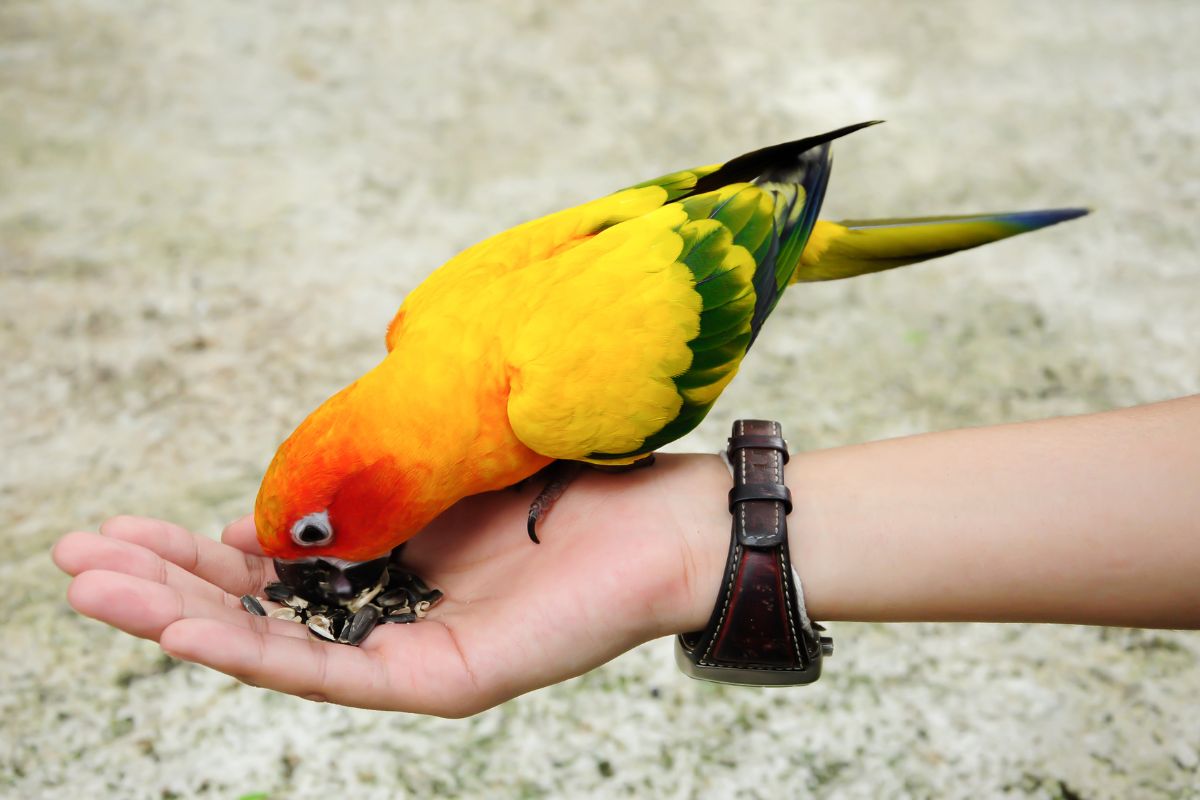
Ground-feeding birds like doves and towhees appreciate scattered seed on low platforms, but keep the area tidy to limit waste. Larger birds, including Wild Turkey, may wander through rural properties.
If they do, consider habitat management—native shrubs and acorns—rather than bulk piles of grain, so that your setup still prioritizes small Backyard Birds while respecting natural foraging for bigger species.
Safety First: What Not to Offer
“Natural” doesn’t mean “safe.” For instance, Apple Seeds contain compounds that are best avoided. Offer apple flesh in modest chunks if desired, but discard cores.
The same principle applies to bread and salty snacks—birds need nutrients, not empty calories.
Cleanliness is essential. Disinfect feeders and birdbaths regularly, especially during outbreaks reported by local organizations. Rotating multiple feeders helps prevent crowding and keeps your bird garden healthier.
 Smart Setups: Make A Bird Feeder That Works
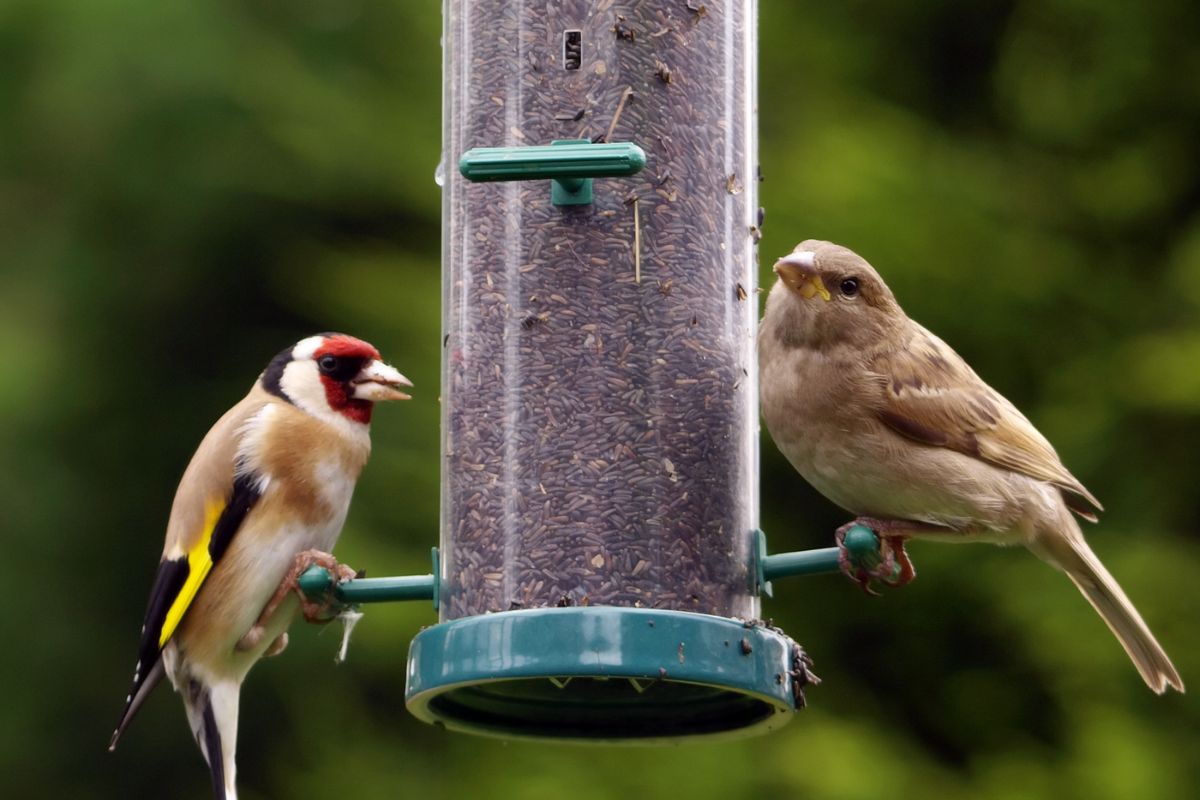
You don’t need a fancy rig to Make A Bird Feeder. A sturdy tube or hopper feeder with metal ports resists chewing and weather. Place it near shrubs (for quick cover) but far enough from branches to deter squirrels. Add a baffle where needed.
Match feeder to food: tubes for sunflower, trays for mixed Bird Food, cages for suet. This welcomes both common birds and occasional surprises, expanding the list of Bird Species you’ll see.
If you’re handy, upcycle weathered wood into a platform feeder and plant natives around it. native plants supply natural food, shelter, and nesting materials, making your yard a true food source for wild Birds.
Why Feeding Birds Supports Conservation
Thoughtful feeding can help Save Environment goals when paired with pesticide-free gardening and native plantings. Fewer chemicals mean more insects, which are critical protein for nestlings and part of a balanced Natural Diet.
Feeding also builds community. Curious neighbors become Bird Watchers, and kids learn to recognize Common Birds and seasonal migrants. As awareness grows, so does support for habitat protection beyond the backyard.
 Myth Busted Roundup
Myth Busted: Feeders cause dependency—birds still forage widely. Feeders add crucial calories during storms and migration.
Myth Busted: Only a few species benefit—smart choices help all birds that visit, from seed eaters to nectar lovers.
Myth Busted: Feeding isn’t “natural”—offer quality ingredients that mirror what birds find as natural food and you’re reinforcing a healthy nutritious diet.
Practical Checklist for Energy Foods
Keep a rotation of energy foods like suet, sunflower, and peanuts. In winter, high energy foods are essential for thermoregulation; in summer, keep everything fresh and smaller in portion to prevent spoilage.
Refresh Hummingbird Nectar often, rake under feeders, and move setups periodically to protect turf and reduce waste. Small actions keep your bird garden vibrant and safe for Backyard Birds.
 Where to Go From Here
Feeding birds is not a shortcut; it’s a gateway to better habitat. Start with clean feeders, quality Bird Seed, and attention to hygiene.
Blend supplemental food with native plants and clean water. You’ll enjoy richer sightings while supporting Wild Birds across seasons.
Ready to go deeper? Explore planting plans, seasonal feeding calendars, and ways to monitor visitors so your yard becomes a dependable Food Source—and a daily joy.
Keep Exploring with Urbaki Gardening
Enjoyed this guide? browse more practical tips for backyard birds, habitat design, and safe feeding birds. build a thriving bird garden that welcomes All birds and inspires new bird watchers every season.
Did you find this post Useful or Inspiring? Save THIS PIN to your GARDENING Board on Pinterest! 😊

More Gardening Tips 👇🏼👇🏼