
Clematis "The President": Plant Care & Growing Guide


Garden Clematis Plant Care for Clematis ‘The President’ is all about smart placement, steady moisture, and light-handed pruning.
This classic large-flowered cultivar delivers rich violet-blue blooms in late spring and again in early fall, making it a standout clematis flower for small gardens, balconies, and entry trellises. Use the tips below for reliable performance when growing clematis at home.
Variety Snapshot: Why Choose ‘The President’

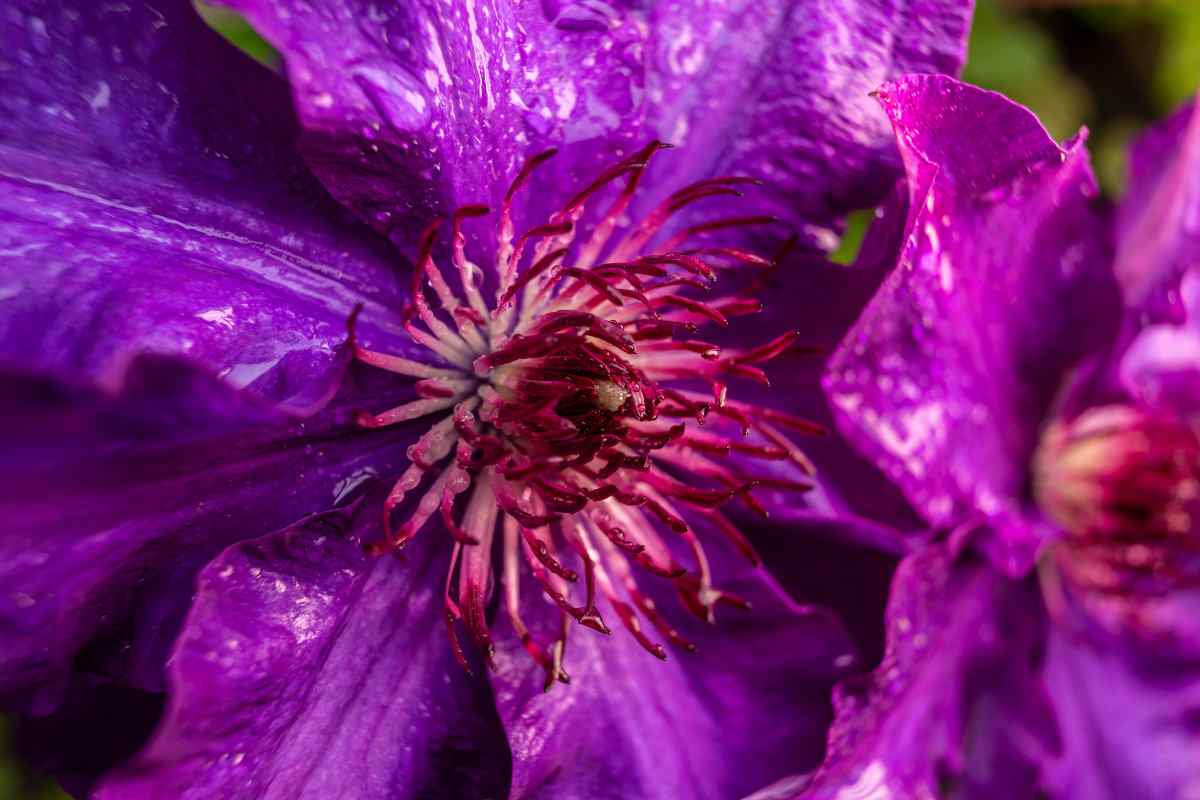
‘The President’ is a vigorous yet tidy climber (2–3 m / 6–10 ft) with broad tepals and contrasting central filaments that glow in morning light. It’s ideal for obelisks, fences, and mailboxes where you want long-season color from compact clematis plants.
This cultivar belongs to the large-flowered, reblooming group and rewards consistent care with two flushes of showy blooms. It’s a forgiving introduction to clematis care if you’re training your first vine.
Light & Location (Sun Above, Shade Below)

Clematis thrive with “head in the sun, feet in the shade.” Give your vine 6+ hours of bright light, then keep roots cool with mulch or low groundcovers. Morning sun with light afternoon shade helps flowers hold their color longer in hot climates.
Choose a site with airflow but away from intense, drying winds. When grown in containers, select a tall, stable trellis and a pot at least 35–40 cm (14–16 in) wide for root depth and insulation.
Soil & Planting (The Foundation For Success)
Use fertile, well-drained soil: loam amended with compost plus a handful of coarse grit or perlite for drainage. A slightly alkaline to neutral pH suits most clematis. Mix in slow-release, balanced fertilizer at planting time.
Plant 5–7 cm (2–3 in) deeper than the original pot so the crown sits just below the surface—an insurance policy that encourages new shoots and helps recovery if stems are damaged. Water in thoroughly to settle the mix around roots.
Watering & Feeding (Steady, Not Soggy)
Keep soil consistently moist during the first growing season. Once established, water deeply when the top 5 cm (2 in) are dry—deep soaks encourage a resilient root system. Mulch 5–8 cm (2–3 in) thick to stabilize moisture and temperature.
Feed lightly in spring with a balanced liquid fertilizer, then again after the first flush to support the fall bloom. Avoid excess nitrogen, which pushes leaves over flowers.
Clematis Vine Plant Care: Training & Supports

Provide something slender to grip: jute twine, netting, or a trellis with thin rungs. Young stems twine better around narrow supports than thick posts. Tie in shoots loosely with soft ties to shape the vine and fill your frame evenly.
For gateways or arches, direct several stems in opposite directions early on. This simple step creates a fuller display and is one of the most effective Gardening Tips For Clematis.
How To Care For Clematis Vines: Pruning Group 2

‘The President’ flowers on old and new wood (Group 2). In late winter, remove weak or dead stems and shorten remaining stems by roughly one-third to a pair of strong buds; this keeps the framework neat while preserving old-wood blooms.
After the first flush, lightly trim spent flowers to tidy the plant and encourage rebloom. Avoid hard cuts to the base unless rejuvenating an overgrown vine—gentle pruning preserves the spring display.
Pests, Problems & Prevention
Wilt: Sudden collapse of a stem can happen. Cut affected stems to healthy tissue and keep the crown slightly buried; the plant often resprouts. Good airflow and even moisture help prevention.
Aphids & slugs: Rinse aphids with water or treat with insecticidal soap. Protect emerging shoots from slugs/snails with barriers or traps. Clean, mulched soil and steady care reduce most issues in Garden Clematis Plant Care.
Container Growing Clematis (Small-Space Wins)
Choose a 40–50 cm (16–20 in) container with generous drainage. Use a premium potting mix enriched with compost and bark fines; elevate the pot on feet to prevent waterlogging. Water more frequently than in-ground vines.
Undersow the container with shallow-rooted companions (alyssum, creeping thyme) to shade roots, or add a light-colored mulch layer. This container strategy makes growing clematis feasible on patios and balconies.
Seasonal Checklist: Gardening Tips For Clematis

Spring: Feed lightly, tie in new growth, and watch for aphids. Summer: Deep water in dry spells; deadhead after first flush. Autumn: Enjoy the second bloom and reduce feeding. Winter: Prune Group 2 style and refresh mulch.
Consistent routines beat complicated tricks. A few minutes each week equals healthier vines and more abundant clematis flower displays.
Propagation & Refreshing An Older Plant
Layering is easy: bend a flexible stem to soil level, nick lightly, secure with a pin, and cover with mix. Roots form in a few months; separate and pot up in the next season.
You can also take semi-ripe cuttings in summer. Root in a sterile, airy medium under bright, indirect light to expand your collection of clematis plants or share with friends.
Design Ideas: Color Pairings & Companions

The violet-blue of ‘The President’ pairs beautifully with white roses, silver foliage (artemisia), and spring bulbs at its base. Try an obelisk set in a mixed border where the vine threads through shrubs for a layered, romantic look.
For long-season interest, interplant with clematis that bloom earlier or later. This staggered approach, paired with solid clematis care, keeps your structure flowering for months.
Quick Recap: Success With ‘The President’
Sun for flowers, cool shaded roots, fertile draining soil, deep watering, light feeding, and Group 2 pruning—that’s the heart of Garden Clematis Plant Care. Follow these fundamentals and your vine will reward you year after year.
Ready to grow confidently? Explore more guides on training frames, soil mixes, and seasonal maintenance to refine your Clematis Vine Plant Care at home.
Enjoy The Video Tutorial
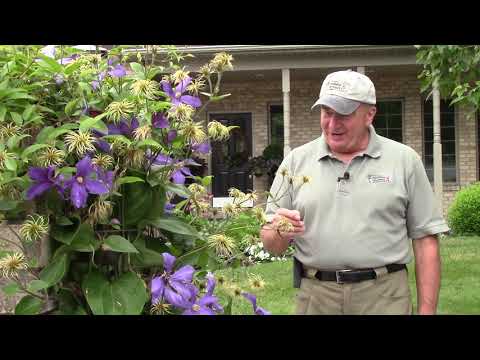
Source: Overdevest Nurseries
More Gardening Tips 👇🏼👇🏼