
Growing Perfect Blueberries in Containers: Step-by-Step


Embarking on the journey of cultivating blueberries in containers not only brings the joy of growing your produce but also provides an ingenious solution for individuals with limited space.
In this comprehensive guide, we will delve into the intricacies of container gardening, guiding you through each step of the process to ensure the successful growth of perfect blueberries right in the convenience of your own space.
From the initial selection of the right blueberry varieties to the rewarding experience of harvesting your homegrown bounty.
Selecting the Right Varieties
When embarking on container gardening for blueberries, consider critical factors such as size and chill hours for your climate.
Opt for compact or dwarf varieties like 'Sunshine Blue,' 'Blueberry Hill,' or 'Top Shelf' for smaller spaces.
In warmer climates, low chill-hour options such as 'South Blue' or 'Bonanza' are ideal.

Choosing the Right Container
Choosing an appropriate container is essential for successful blueberry cultivation.
Opt for a pot with a capacity of at least 30-40 liters per plant, ensuring it has proper drainage holes.
Materials like terracotta or wood promote good air circulation, while plastic can suffice if it includes sufficient drainage.
Preparing the Substrate
Blueberries thrive in acidic soil with a pH between 4.5 and 5.5.
Create an optimal substrate by mixing equal parts blonde peat, composted pine bark, and sand.
Alternatively, specialized blueberry substrates are available in most nurseries.
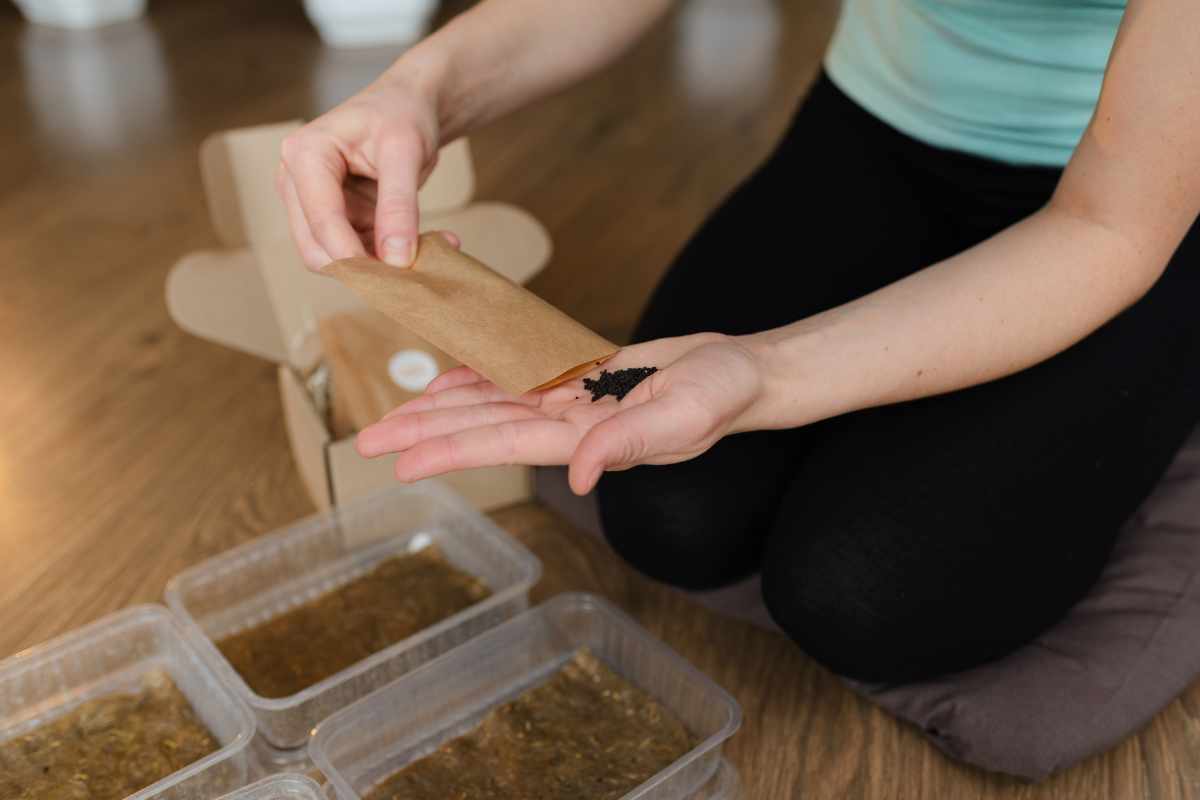
Planting Blueberries
Successful planting involves creating an adequate hole, placing the plant, and filling it with the prepared substrate. Ensure the soil is thoroughly watered to kickstart healthy growth.
General Care
Maintaining optimal conditions for your blueberries involves a few key care practices.
Provide at least 6-8 hours of sunlight daily and keep the soil consistently moist, avoiding waterlogging. During the growing season, apply acid-formulated blueberry plant fertilizer once a month.
Lightly prune young bushes to encourage compact growth, and after a few years, trim old or unproductive branches to maintain plant health.
Additionally, apply organic mulch around the base of the plant to retain moisture and suppress weeds.
Harvesting
Enjoy the fruits of your labor with these harvesting tips: Blueberries are ripe when they turn dark blue and easily detach from the branch.
Harvest berries carefully by hand, and enjoy them fresh or freeze for later use.

Additional Tips
Enhance your blueberry container gardening experience with these extra suggestions: Water with acidic sources, such as rainwater or distilled water, to maintain soil pH.
Protect plants from late frosts by covering them with frost cloth, and be vigilant against common blueberry pests and diseases, such as Japanese beetles and leaf spots.
With attention to detail and proper care, you can cultivate a thriving blueberry container garden on your balcony or terrace, ensuring a bountiful harvest of these delicious berries.
Did you find this post Useful or Inspiring? Save THIS PIN to your GARDENING Board on Pinterest!

Once again, thank you for visiting our website!
We hope you've enjoyed exploring the content we've created for you.
Give yourself the chance to learn, get inspired, and have even more fun, keep browsing...
More Gardening Tips 👇🏼👇🏼