
Hellebore: Plant Care & Growing Guide


The hellebore plant is winter’s quiet show-stopper—blooming when most beds are bare and rewarding gardeners with long-lasting color.
This guide covers Hellebore Plant Care from site selection and planting to watering, feeding, and troubleshooting, so you can enjoy a resilient, low-maintenance perennial that brightens the shoulder seasons.
Hellebore Plant Care Basics

Hellebores prefer partial shade, cool roots, and evenly moist, well-drained soil. Think of their native habitat: woodland edges with dappled light and rich leaf litter. Mimic that environment and you’ll set the stage for years of reliable blooms.
Most types are evergreen or semi-evergreen, so they provide structure in winter. In cold climates, protect crowns with a light mulch; in warm climates, afternoon shade prevents heat stress. These simple practices form the backbone of practical Hellebore Plant Care.
Choosing the Right Spot
Select a site with morning sun and afternoon shade, or bright open shade beneath deciduous trees. Avoid waterlogged areas—soggy soil invites crown rot. If drainage is questionable, mound the bed slightly or plant on a gentle slope.
Windbreaks help protect early buds. Close to a path or entry is ideal so you can admire flowers at eye level during cool months. For a cohesive hellebore garden, repeat colors or forms in small drifts rather than scattering single plants.
Soil Preparation and Planting

Amend clay or sandy soils with compost to improve structure. Aim for a slightly acidic to neutral pH (6.0–7.0). Mix in a slow-release, balanced fertilizer at planting time and water in deeply to settle the soil around roots.
Plant crowns level with the soil surface—too deep and flowering may stall. Space 18–24 inches apart; mature clumps appreciate room for air circulation, which keeps foliage clean and healthy.
Watering and Mulching
Water newly planted hellebores weekly during their first season, allowing the top inch of soil to dry slightly between waterings.
Established plants are drought-tolerant but bloom best with steady moisture, especially from late summer into fall when next year’s buds are formed.
Mulch with shredded leaves or compost in spring to keep roots cool and replenish organic matter. Pull mulch back from the crown to prevent rot—think “collarbone exposed, feet warm.” This routine supports vigorous hellebore flowers year after year.
Feeding and Seasonal Grooming

Feed lightly in early spring with a balanced, slow-release formula or a top-dress of compost. Overfeeding encourages weak, floppy growth. A mid-summer compost refresh is usually enough for rich soils.
In late winter, remove tattered older leaves to showcase buds and reduce disease pressure. Snip spent flower stalks after bloom if you don’t want seedlings. This tidy-as-you-go approach keeps a hellebore garden fresh without heavy maintenance.
Light Through the Seasons
Because hellebores bloom when trees are leafless, they can handle more sun in late winter and early spring. As canopies fill in, shade increases naturally—perfect timing for foliage health. If plants scorch in summer, provide dappled shade with a light fabric or relocate to a gentler exposure in fall.
Container growers should rotate pots quarterly for even growth and move them to a sheltered porch during heat waves or deep freezes. Consistent light equals consistent flowering on every hellebore flower stalk.
Propagation and Division

Many hellebores self-seed; you’ll often find seedlings near mature clumps. Transplant these in early spring or early fall when soils are cool and moist. Named hybrids may not come true from seed, but seedlings still add charming variety.
Divide clumps only when necessary—usually every 5–7 years—to rejuvenate bloom or share plants. Lift carefully, slice with a clean, sharp knife, and replant divisions at the same depth. Water in and mulch to encourage quick recovery.
Pests, Diseases, and Prevention
Hellebores are generally trouble-free. Slugs may nibble young growth; a ring of grit or iron phosphate bait keeps them in check. Keep foliage clean to discourage fungal spots, and water at the base rather than overhead to reduce leaf wetness.
If leaves show black streaks or blotches, remove affected parts and improve airflow. Sanitize tools between plants. Healthy soil and smart siting remain the best insurance for long-lived hellebore flowers.
Design Tips for a Hellebore Garden
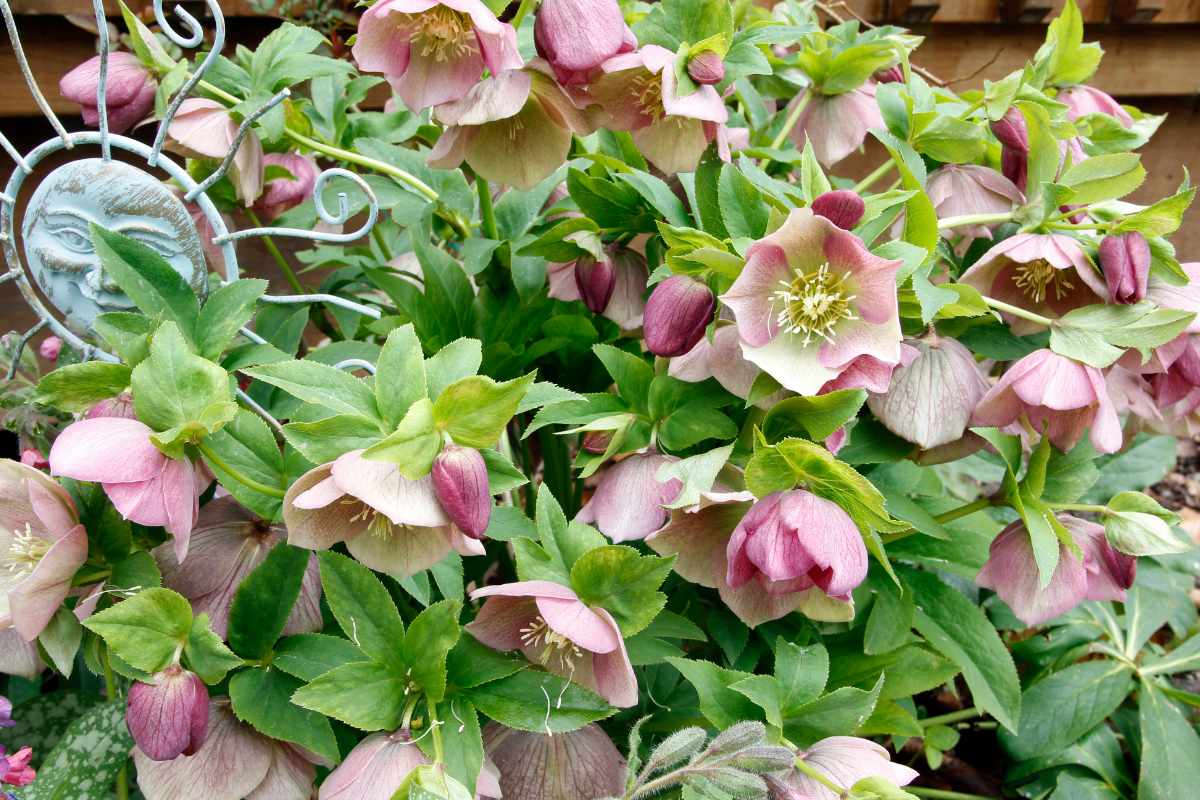
Pair hellebores with early bulbs (snowdrops, crocus) and textural evergreens (ferns, heuchera) for four-season interest. Their nodding blooms invite close-up viewing, so plant along paths, near benches, or in raised beds.
For containers, choose a wide, frost-resistant pot with excellent drainage. Underplant with moss or low sedums to frame each hellebore flower and keep soil evenly moist. Groupings of three to five create a soft, naturalistic feel.
Indoor Enjoyment and Cut Blooms
While hellebores are outdoor stalwarts, you can bring a few stems indoors. Harvest when the stamens drop and seed pods begin to form; this “ripe” stage lasts longest in the vase. Float blooms in a shallow bowl to showcase intricate patterns.
Avoid forcing plants indoors long-term; they’re woodland perennials, not typical houseplants. Grow them outside, then enjoy cut hellebore flowers as a seasonal treat.
Common Questions
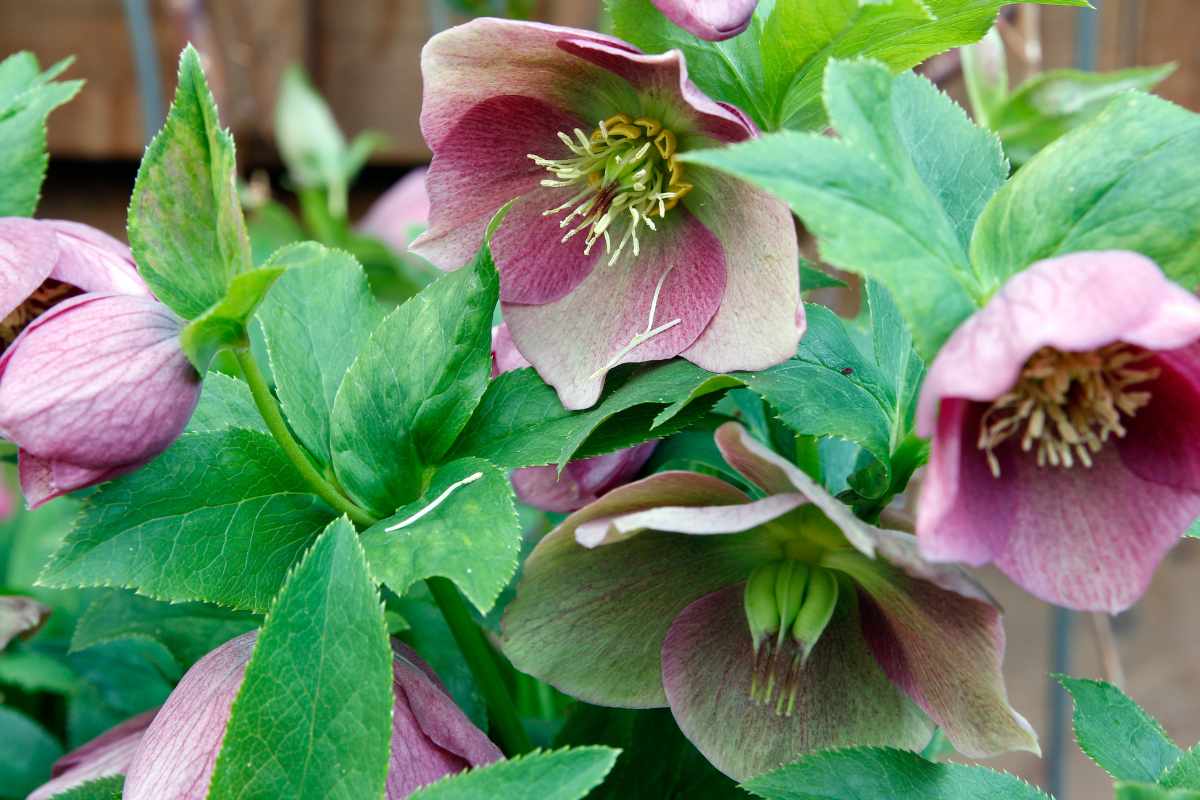
Why isn’t my hellebore blooming? Usually it’s too much shade in winter, planting too deep, or nutrient-poor soil. Lift the crown slightly, thin nearby shrubs to allow more winter light, and top-dress with compost.
Can I grow hellebores in hot climates? Yes—choose afternoon shade, use thick organic mulch, and water during dry spells. In containers, move pots to a cooler patio during heat waves to protect your hellebore plant.
Quick Reference: Hellebore Plant Care Summary
Light: Morning sun/afternoon shade or bright open shade. Soil: Rich, well-drained, slightly acidic to neutral. Water: Even moisture; avoid waterlogging. Feed: Light, compost-forward nutrition in spring. Groom: Remove old leaves late winter, deadhead if desired.
With these fundamentals, your hellebore plant will deliver texture and color precisely when your garden needs it most.
Keep Growing With Urbaki
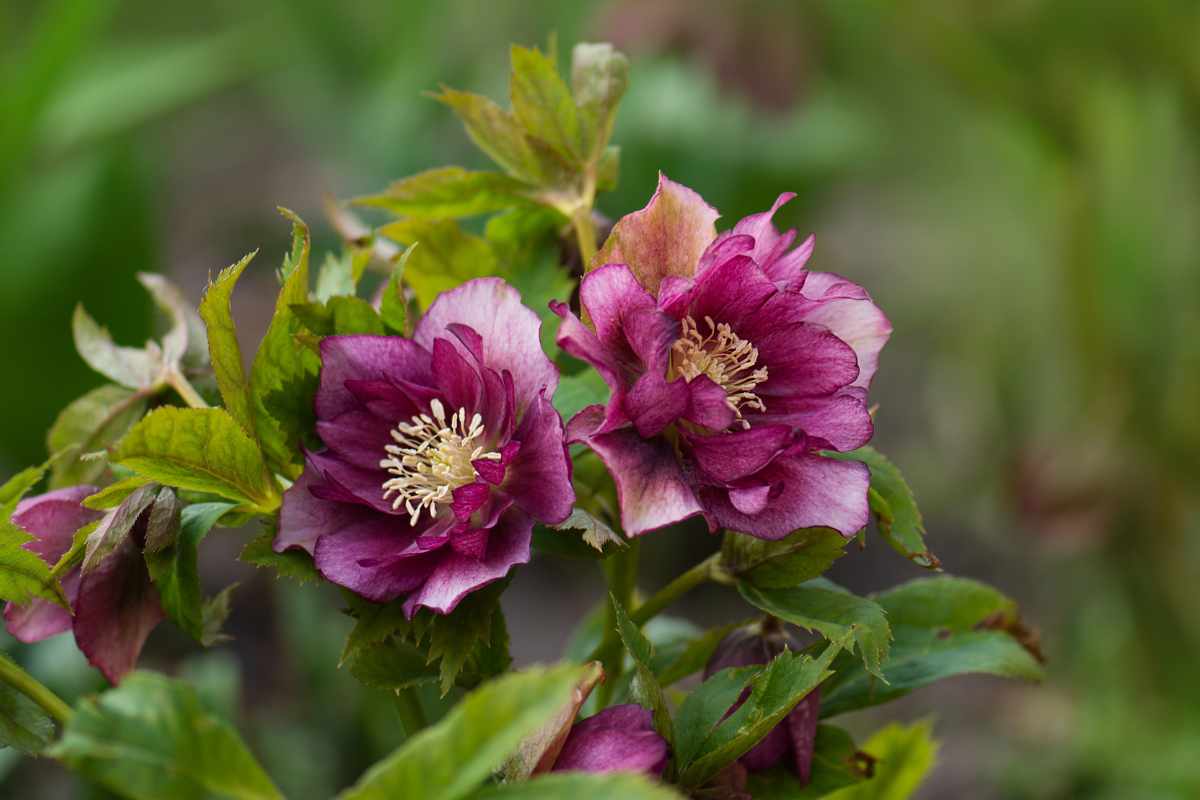
Want more seasonal ideas for shade beds and winter color? Explore our guides on companion plants, soil building, and design strategies to elevate your hellebore garden and beyond.
Enjoy The Video Tutorial
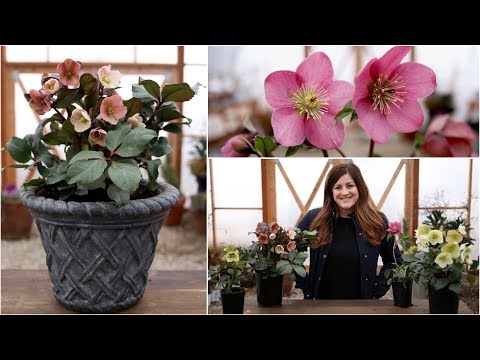
Source: Garden Answer
More Gardening Tips 👇🏼👇🏼