
How to Care for Euphorbia Trigona (or African Milk Tree)


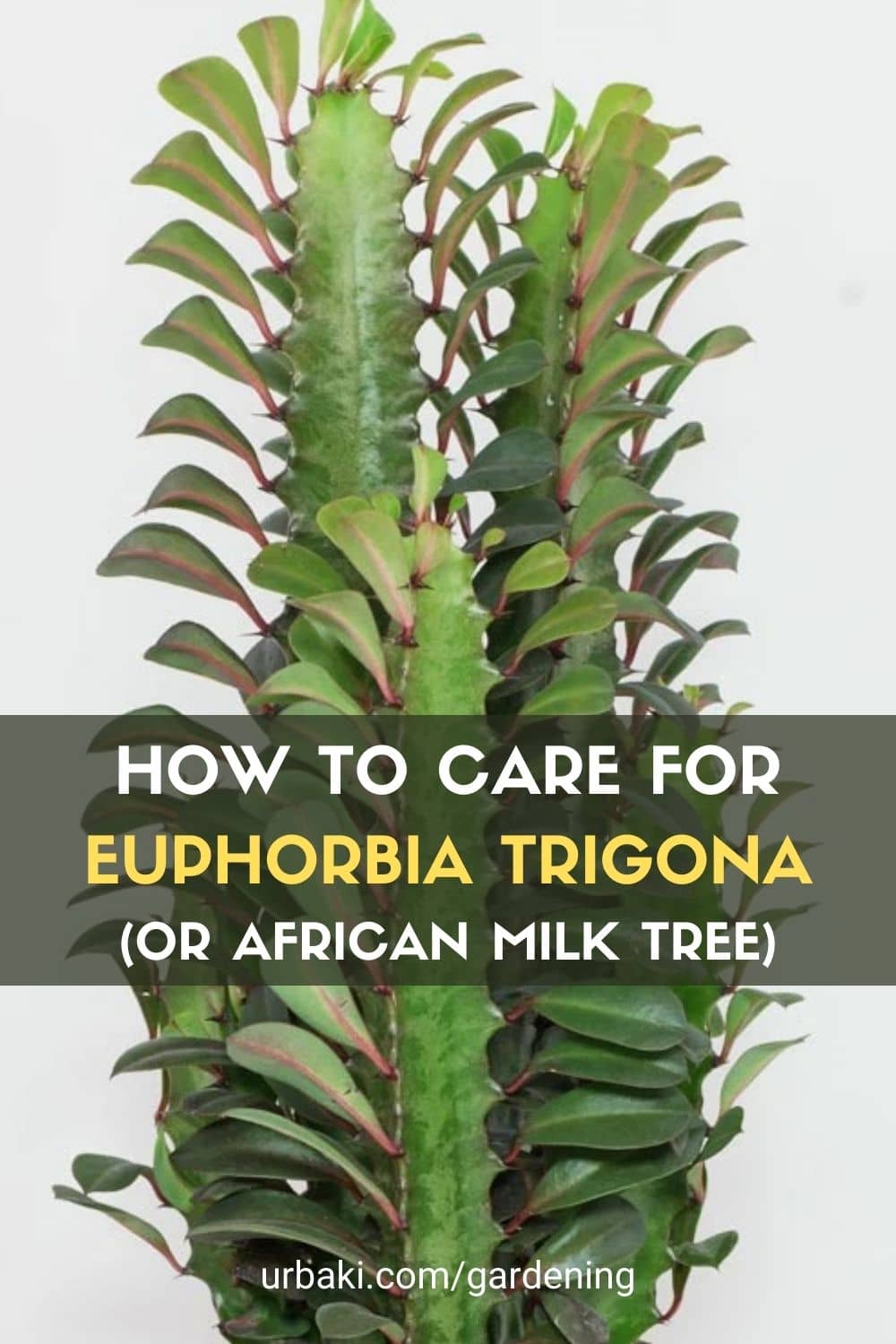
The Euphorbia trigona, also known as the African Milk Tree, is one of those plants that instantly catch your eye. With its tall, cactus-like stems and deep green color, it adds a sculptural element to any room or garden.
Despite its spiky appearance, it’s not a cactus but a succulent native to Central Africa.
This hardy plant is easy to grow, but it does require some specific care to keep it thriving for years.
Light and Placement
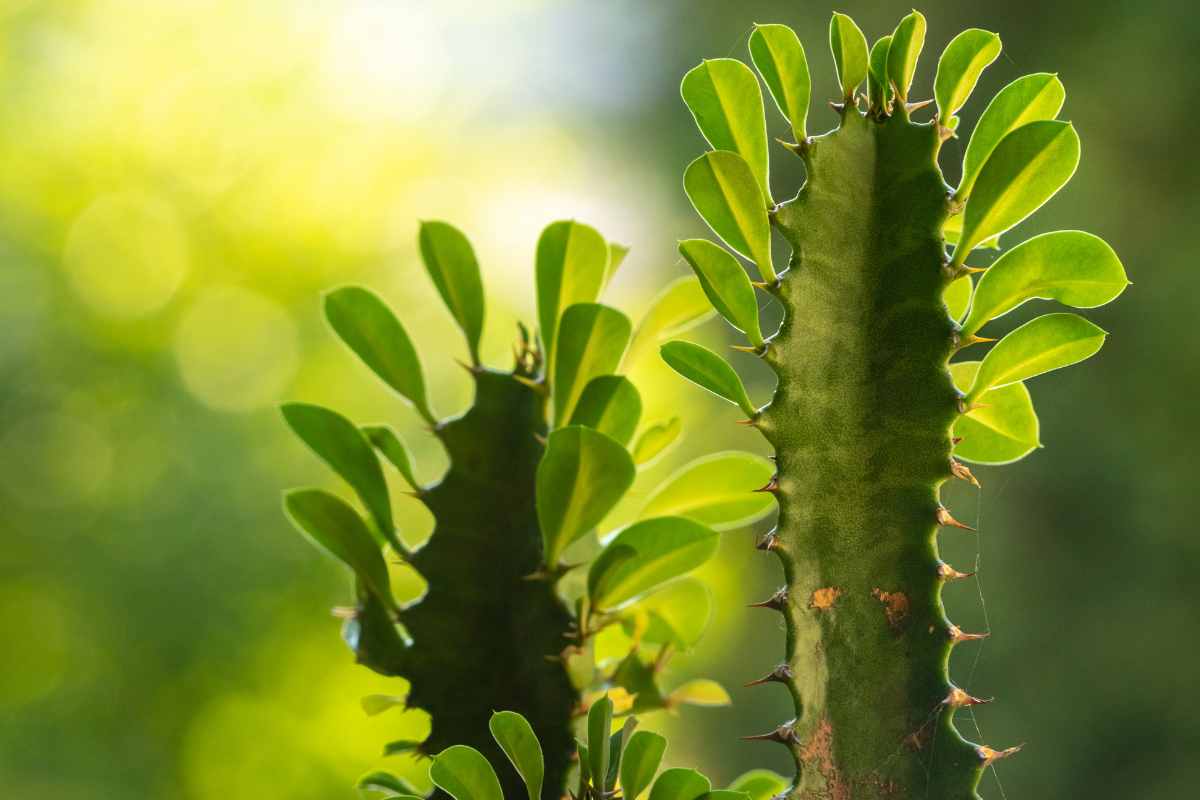
The African Milk Tree loves sunlight. Place it near a bright window where it can receive several hours of indirect light each day.
It can tolerate some direct morning sun, but harsh afternoon rays may cause burns on its skin.
If you grow it outdoors, choose a spot with filtered light or partial shade.
When kept indoors, rotate the plant occasionally to encourage even growth and prevent it from leaning toward the light.
A bright, warm corner of your home will help it stay strong and upright.
Watering Routine
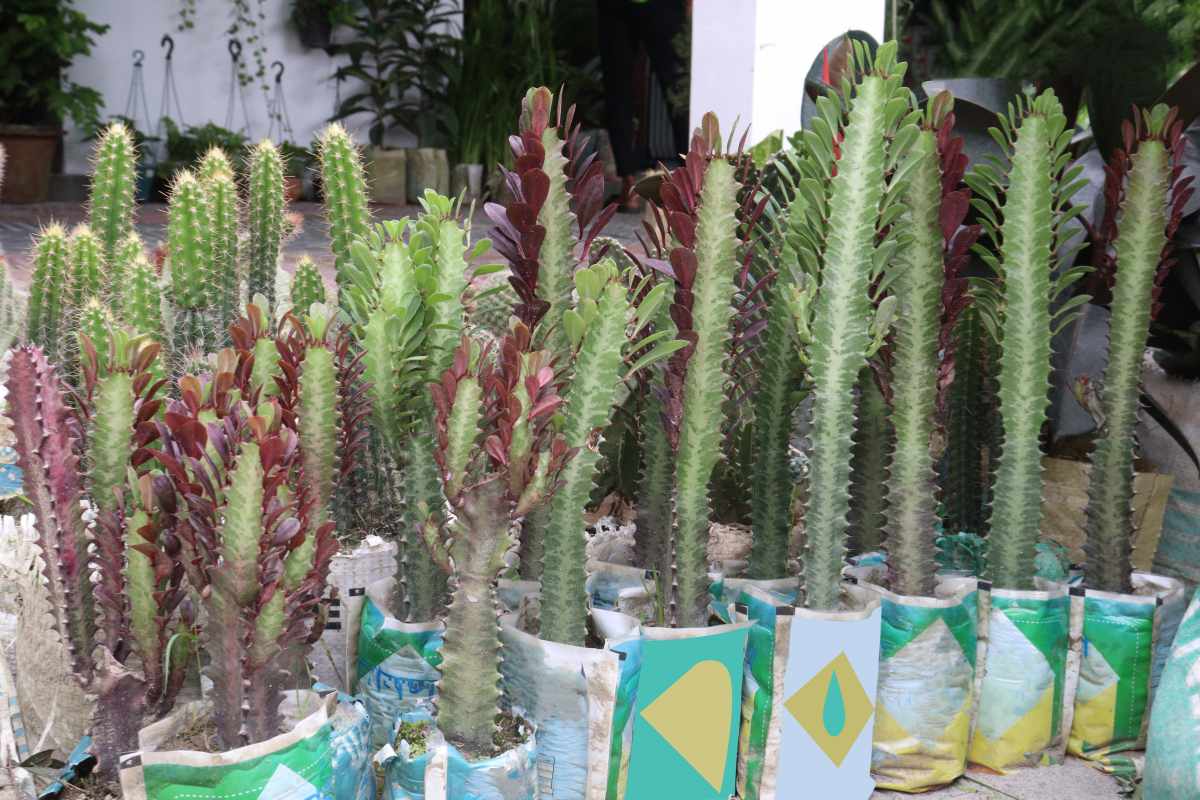
Like most succulents, Euphorbia trigona prefers a “soak and dry” watering method. Let the soil dry out completely between waterings to avoid root rot.
During spring and summer, water once every two to three weeks, depending on the temperature and humidity.
In the cooler months, reduce watering to once a month or less.
If you notice soft stems or yellowing, that’s a sign of too much water. On the other hand, shriveled edges indicate it’s time for a drink. Always use pots with drainage holes to protect the roots.
Soil and Repotting
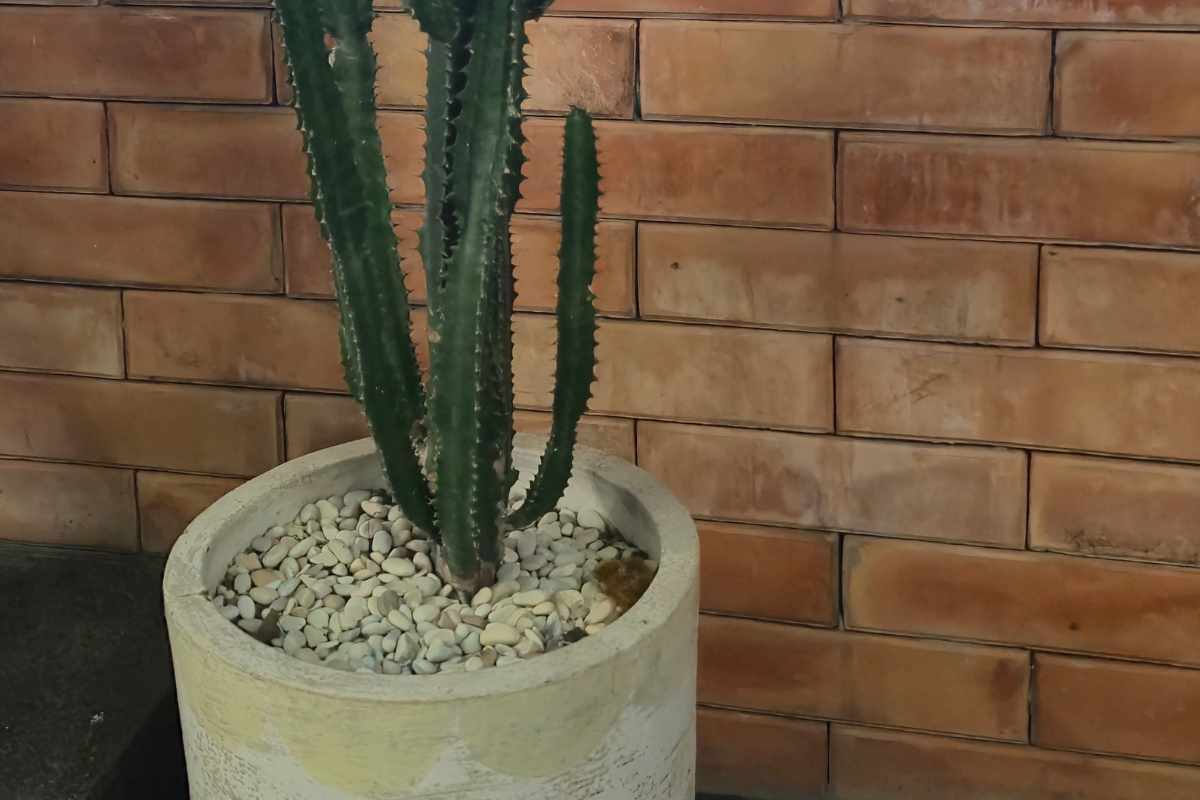
Well-draining soil is key. A cactus or succulent mix works perfectly, or you can create your own blend using regular potting soil, sand, and perlite in equal parts.
The goal is to allow water to flow easily through the pot, preventing soggy conditions.
Repotting every two to three years is usually enough.
Choose a slightly larger pot when you notice the roots filling the container or water running straight through too quickly.
Handle the plant carefully—its spines are sharp, and the sap can irritate your skin.
Temperature and Humidity
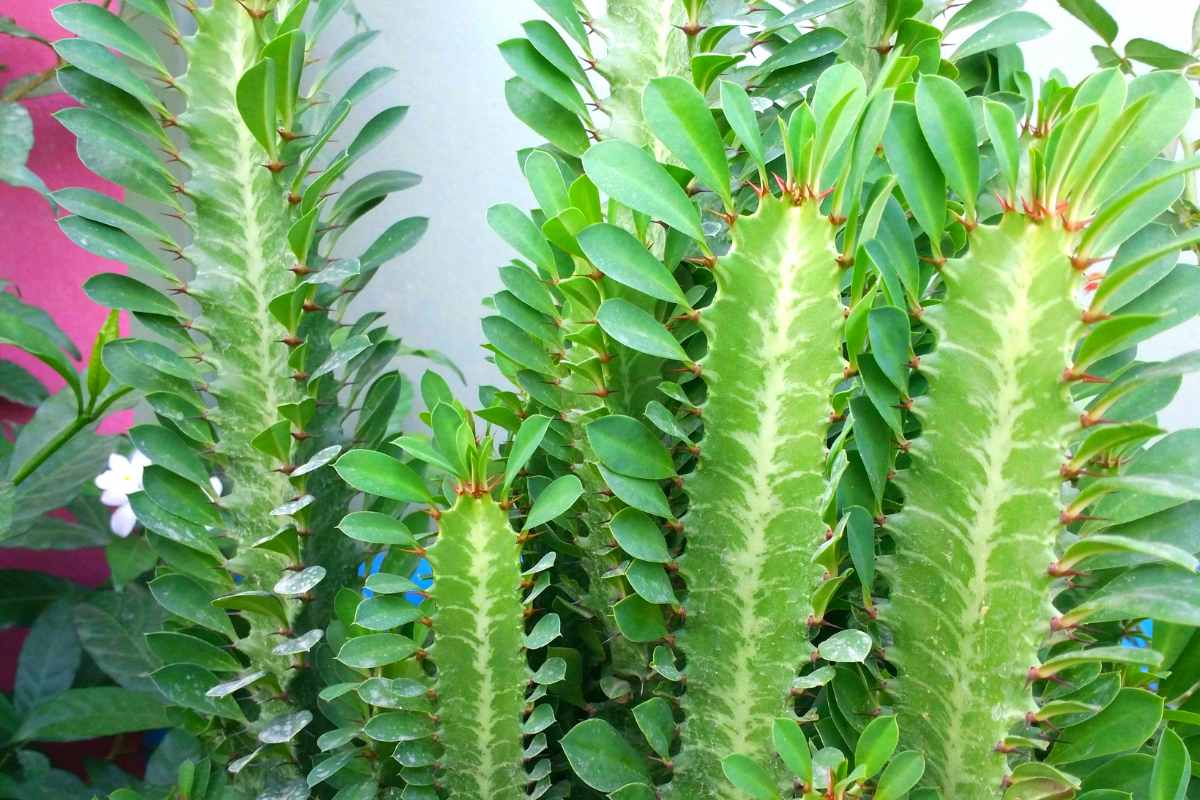
Euphorbia trigona thrives in warm, dry environments. It prefers temperatures between 60°F and 85°F (15°C–29°C).
Avoid exposing it to drafts, sudden temperature changes, or frost, as cold weather can damage or even kill the plant.
Average indoor humidity is perfect, so there’s no need to mist it.
If you live in a very humid area, make sure there’s proper air circulation around the plant.
Feeding and Fertilization
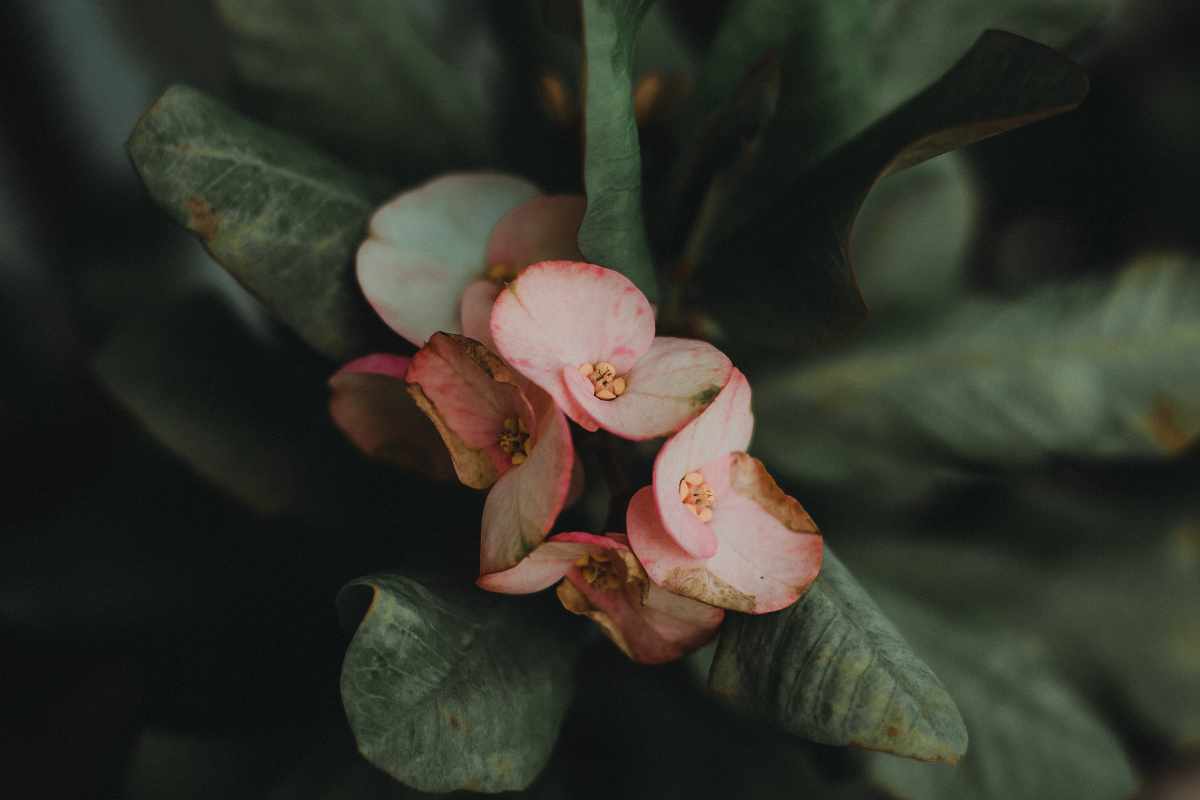
During the active growing season (spring and summer), feed your African Milk Tree once a month using a diluted succulent fertilizer.
Avoid overfeeding, as this can lead to weak growth or salt buildup in the soil.
Stop fertilizing in fall and winter when the plant naturally slows its growth.
Pruning and Propagation
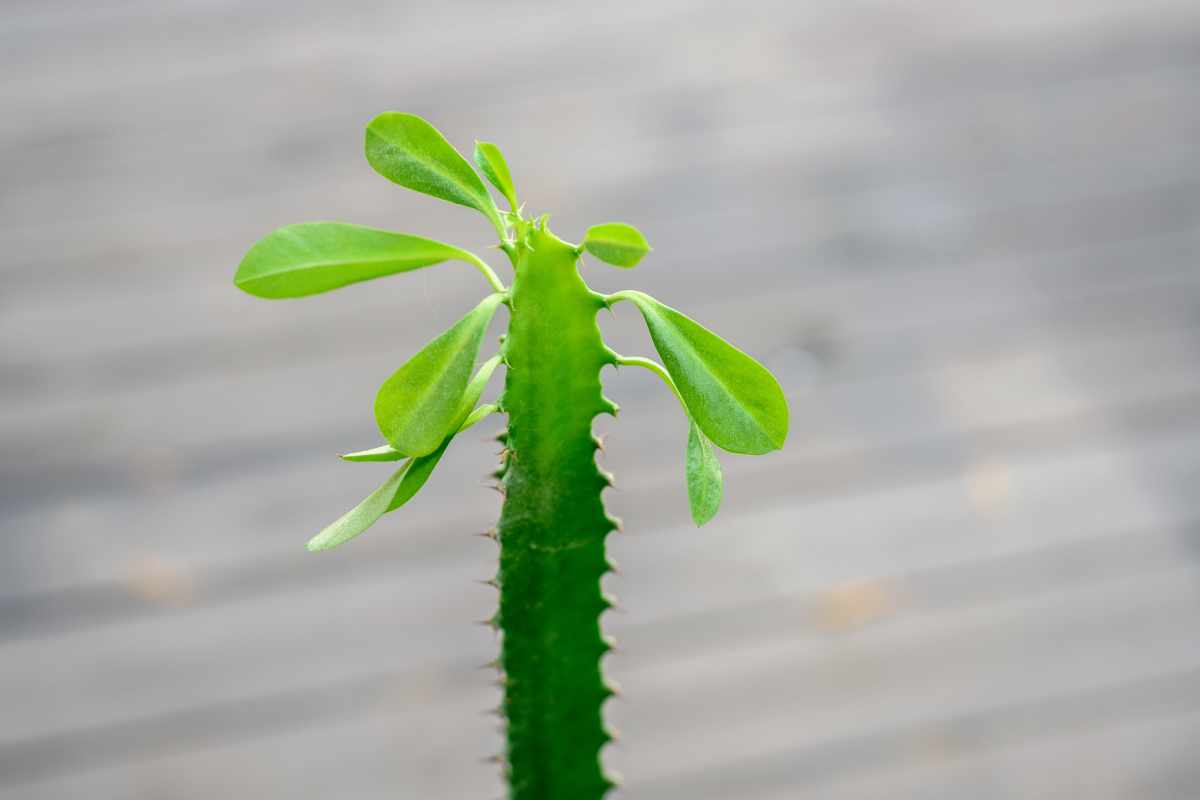
Pruning helps keep the Euphorbia trigona at a manageable height and encourages new growth.
Always wear gloves and protective eyewear before cutting any part of the plant to avoid contact with the milky sap.
Propagation is simple: cut a healthy stem, let it dry for a few days until the cut end forms a callus, then plant it in a small pot with cactus mix.
Water lightly until roots develop. This method is an easy way to expand your collection or share with friends.
Common Problems and How to Fix Them
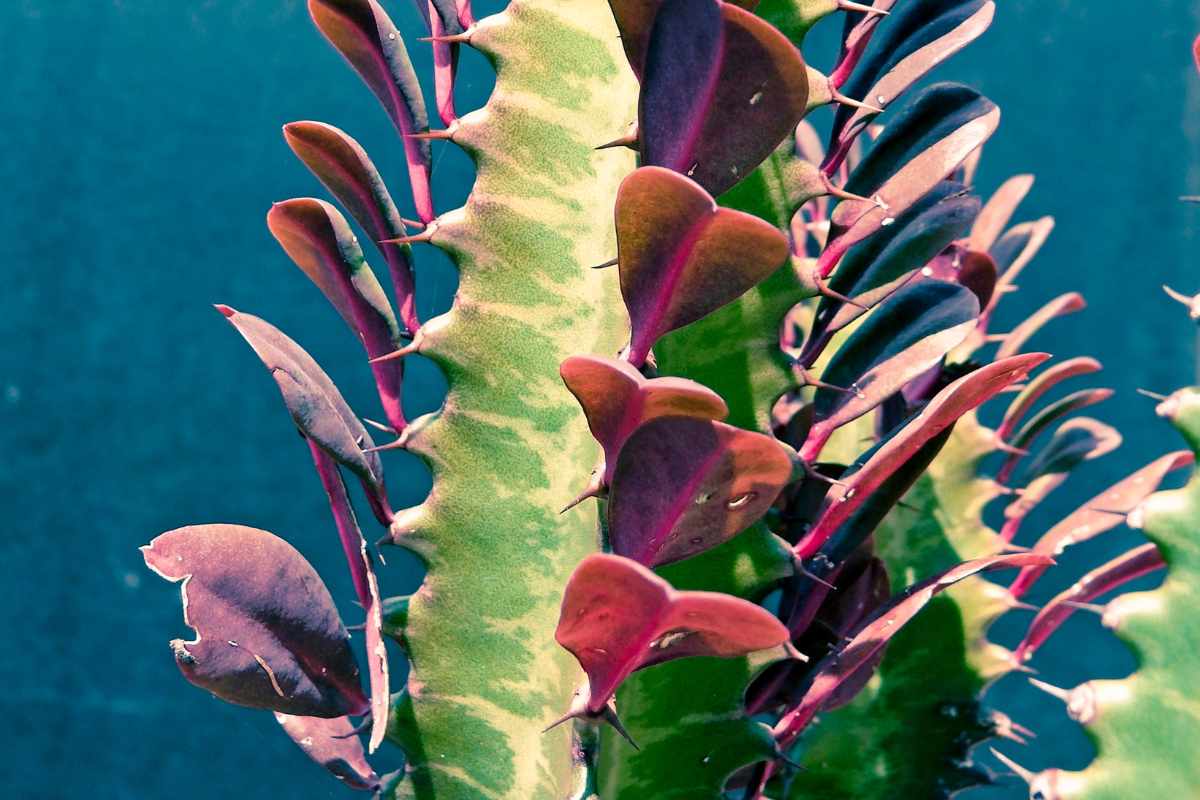
Soft or mushy stems: Usually caused by overwatering. Trim away affected parts and repot in dry soil.
Wrinkled or drooping stems: The plant needs water—give it a thorough soak and let excess drain out.
Brown or scorched patches: Too much direct sunlight. Move the plant to a slightly shadier spot.
Lack of growth: The plant may not be getting enough light or nutrients. Try relocating it to a brighter place and resume light feeding.
Keeping an eye on these early signs helps maintain a healthy, upright plant.
Safety and Final Tips
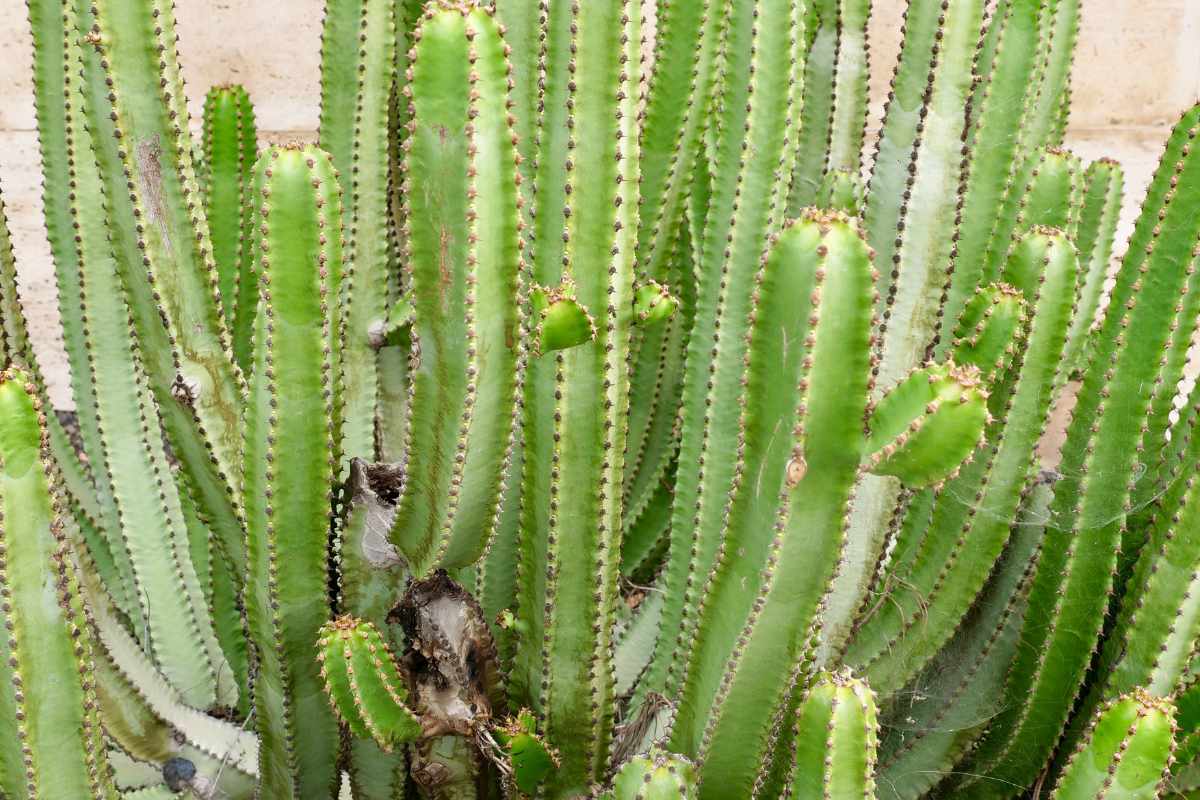
While Euphorbia trigona is low-maintenance, its sap is mildly toxic.
Always wash your hands after handling it and keep it out of reach of pets and small children.
With the right balance of light, water, and care, the African Milk Tree can live for many years, growing into a tall, elegant statement piece for your home.
Its sculptural beauty and resilience make it a rewarding choice for anyone who loves unique, easy-care plants.
Enjoy This Video Tutorial

Source: Plants and Lucia
Did you find this post Useful or Inspiring? Save THIS PIN to your GARDENING Board on Pinterest! 😊
More Gardening Tips 👇🏼👇🏼