
How To Grow Jalapeno Peppers

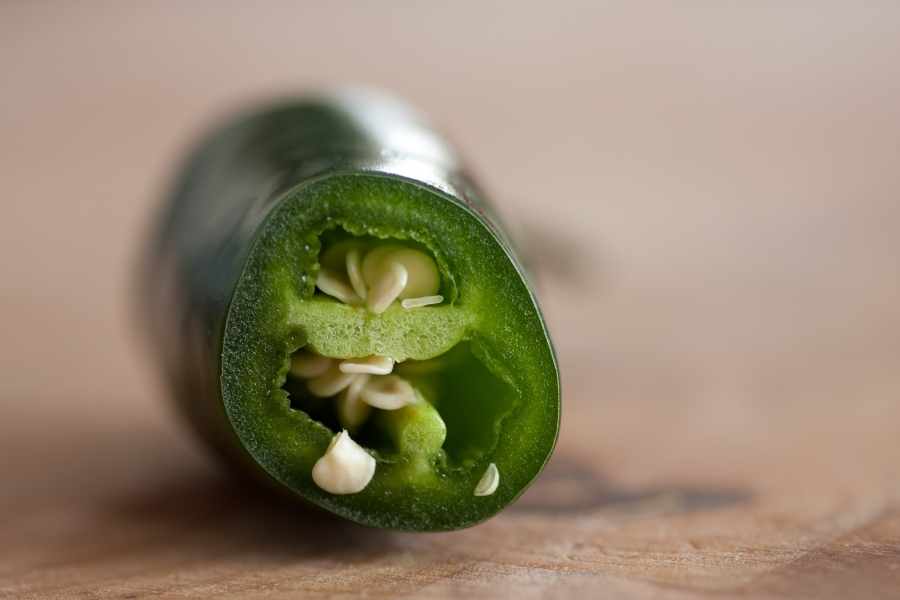
The jalapeno pepper plant is a member of the bell pepper family and shares the company with other hot pepper varieties such as Tabasco, cayenne, and cherry.
Jalapenos are the only bell pepper that cannot fully ripen and change color before being harvested. Growing jalapeño peppers is not difficult if you provide the plants with good soil, plenty of sunlight, and plenty of water.
Jalapeno peppers are planted in spring from the beginning of the nursery or from seeds planted indoors.
Peppers need warm temperatures to germinate, so they should be planted after the soil temperature reaches at least 25 degrees Fahrenheit.
It takes three to four months from germination for jalapenos to produce fruit that can be harvested.
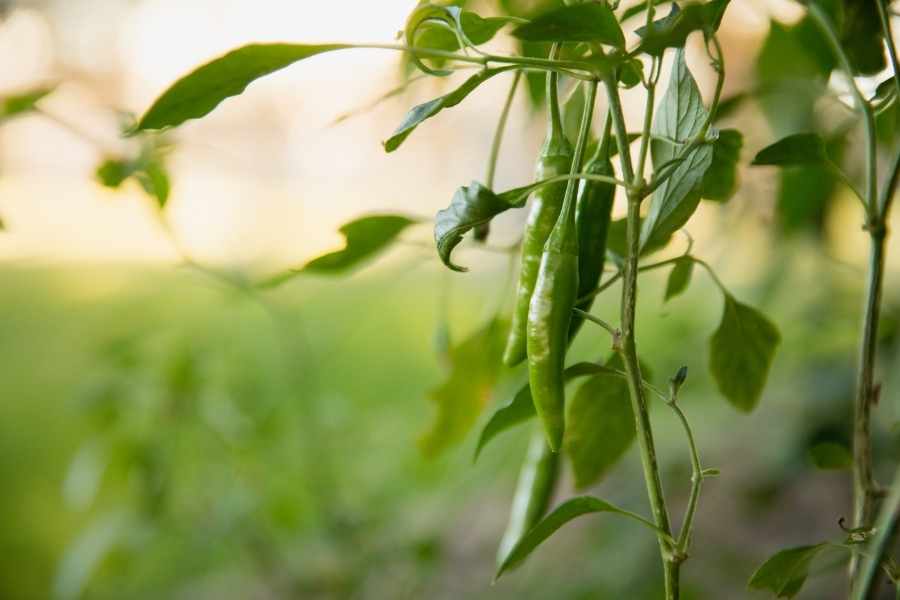
Jalapeño for pepper care
Light
Plant jalapeno peppers in a place with full sun. Although they tolerate some shade, the plants will be thin and fruit production will not be ideal.
Soil
The ideal soil for peppers is fertile, moist, and well-drained. If the soil is not ideal, mix plenty of organic matter before planting. Peppers do not do well in dense, soggy soils.
If you grow bell peppers in containers, any general-purpose potting mix will suffice.
Water
Unlike other members of the belladonna plant family, bell peppers need a lot of water. Water them deeply every two to three days, but don't allow the roots to sink into the water constantly; well-drained soil is crucial.
A thick layer of mulch will help conserve soil moisture.
Temperature and humidity
Peppers grow best in a fairly narrow range of warm temperatures. Temperatures below 65 degrees Fahrenheit can cause flowers to drop, and the same is true when temperatures regularly exceed 90 degrees.
Fertilizer
Feeding is generally not necessary if the soil is rich, but peppers grown in poor soil or in containers will benefit from applying a balanced granular fertilizer around the base of each plant immediately after the fruit begins to set.
Jalapeno plant problems
Jalapenos are deadly nightshade plants like tomatoes, potatoes, and eggplants and are vulnerable to similar diseases and pest problems.
Keeping pepper plants well-watered and the garden area clean of rotting debris will help minimize pest problems. Cutworms, aphids, and flea beetles are common pests of the pepper plant.
Spray the plants with a large dose of water to kill aphids or use an organic insecticide such as neem oil. The worms or caterpillars must be removed from the plants and discarded.
It is a good idea to check the plants daily for pests.
Harvesting the jalapeno pepper plant
Another aspect of jalapeño plant care involves a proper harvest. Harvest jalapeno peppers by carefully pinching off the stem when firm and solid in color before they change color.
Reserve jalapeños for dishes that call for very strong pepper.
You can dry jalapenos, freeze them, or use them in sauces and gravies if you dare! Learning how to grow jalapeno peppers is a great way to add that extra flair to your dishes.
Also, taking good care of your peppers will help prevent future problems with the jalapeño plant.
We hope you enjoy this video about growing guide for Jalapeno Peppers:
Source: Give it a Grow
Did you find this post Useful or Inspiring? Save THIS PIN to your GARDENING Board on Pinterest! 
Once again, thank you for visiting our website!
We hope you've enjoyed exploring the content we've created for you.
Give yourself the chance to learn, get inspired, and have even more fun, keep browsing...
More Gardening Tips 👇🏼👇🏼