
How to Grow Sunflowers from Seed!


Sunflowers are one of the most vibrant and easy-to-grow flowers, making them a perfect addition to any garden.
Not only do they brighten your outdoor space, but they also provide vital resources for pollinators like bees and butterflies.
In this guide, we’ll walk you through everything you need to know to successfully grow sunflowers from seed, from choosing the right variety to troubleshooting common issues.
Choosing the Right Sunflower Variety
Sunflowers come in many varieties, each with its unique characteristics. When choosing the right variety for your garden, consider the following factors:
Height: Some sunflowers grow tall, reaching heights of over 10 feet, while others remain shorter, ideal for smaller gardens or containers.
Bloom Time: While most sunflowers bloom in late summer to early fall, some varieties bloom earlier or later depending on the climate.
Seed Type: Choose between varieties meant for ornamental purposes or those that produce edible seeds.
Popular sunflower varieties include the giant Mammoth sunflower, perfect for large gardens, and the Dwarf Sunspot, which grows to about 2 feet tall, ideal for small spaces.
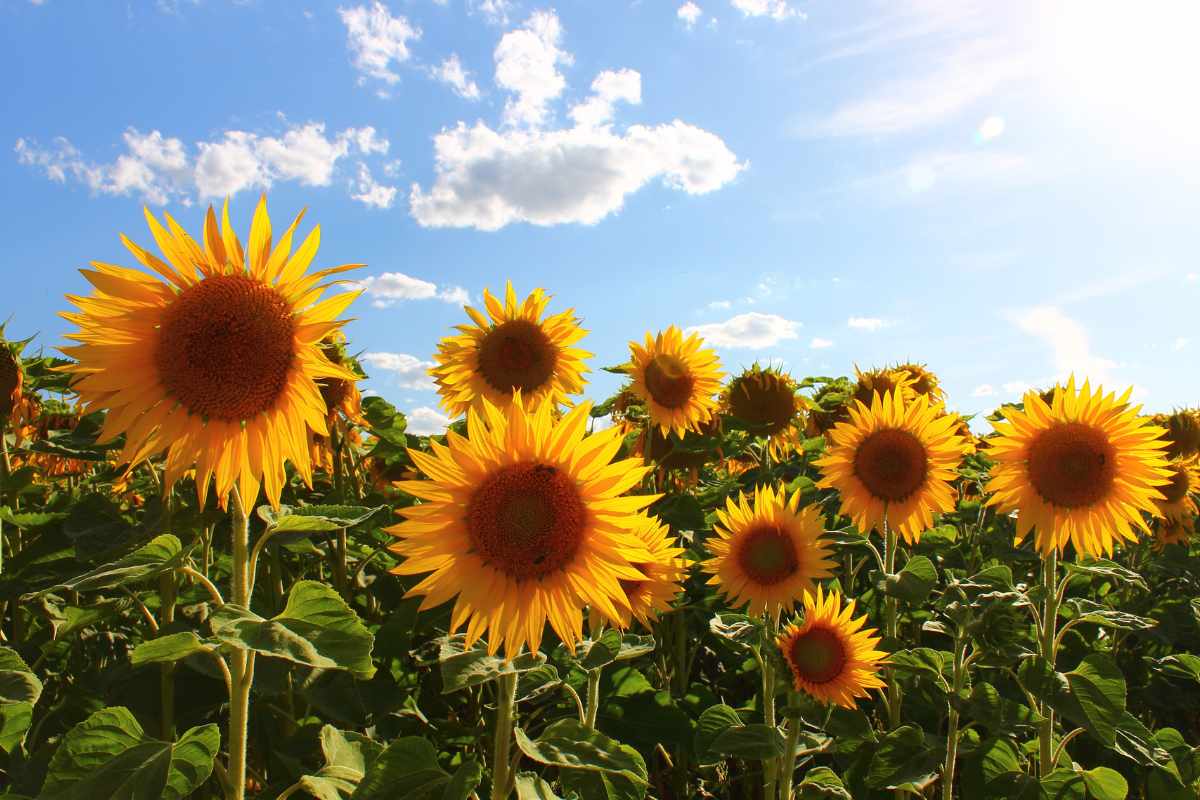
Soil Preparation: Laying the Foundation for Healthy Growth
The right soil is essential for growing healthy sunflowers. Here’s how to prepare your soil for planting:
Soil Type: Sunflowers thrive in well-draining, loamy soil. If your soil is heavy clay, amend it with organic matter to improve drainage.
Soil pH: Sunflowers prefer slightly acidic to neutral soil with a pH range of 6.0 to 7.5. You can test your soil's pH using a simple home kit.
Fertilization: Add compost or a slow-release fertilizer to enrich the soil with essential nutrients. This will give your sunflowers a healthy start.
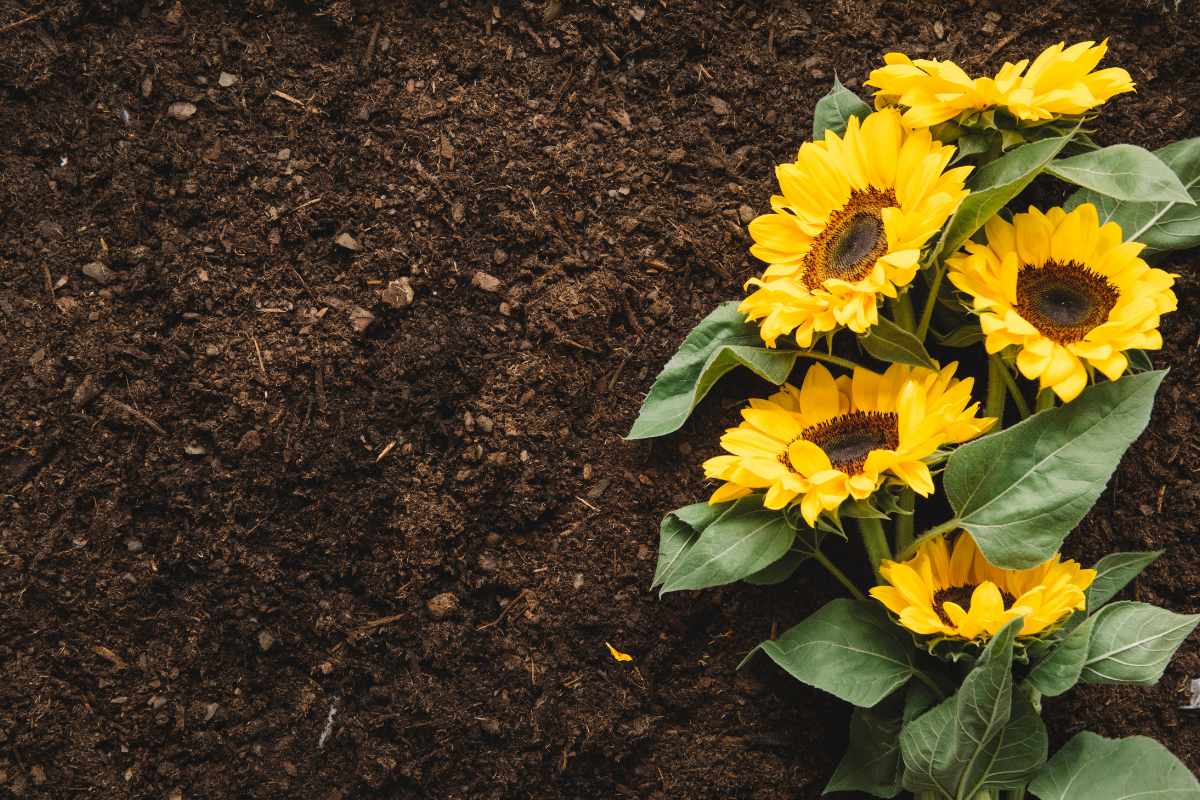
Planting Sunflowers: A Step-by-Step Guide
Now that your soil is ready, it’s time to plant your sunflower seeds. Follow these steps for optimal growth:
Planting Depth: Dig a hole about 1 to 2 inches deep. For larger sunflower varieties, you may need to plant the seeds deeper, around 2 inches.
Spacing: Space the seeds 6 to 12 inches apart. This will allow room for the sunflowers to grow tall and healthy.
Timing: Plant sunflower seeds in the spring, after the last frost, when the soil has warmed to about 70°F (21°C). Sunflowers are heat-loving plants and need plenty of sunlight.
Once the seeds are planted, cover them with soil and water them gently. Make sure to keep the soil moist, but not waterlogged, during the germination period.
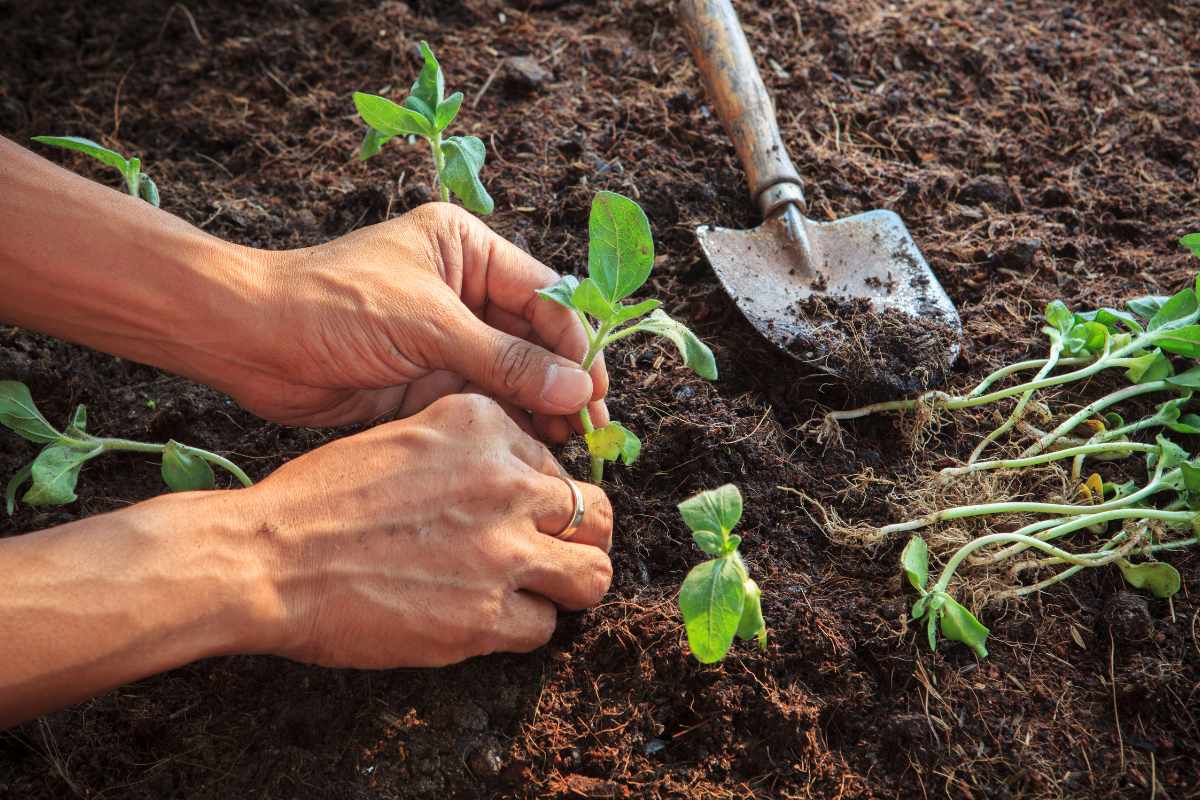
Caring for Sunflowers: Ensuring Healthy Growth
Sunflowers are relatively low-maintenance but do require some attention to thrive. Follow these care tips:
Watering: Water sunflowers deeply but infrequently. Sunflowers have deep roots, so they prefer deep watering over frequent light watering. Water once or twice a week, depending on weather conditions.
Staking Tall Varieties: If you're growing taller sunflower varieties, use stakes to prevent them from toppling over in the wind. Drive the stakes into the ground and tie the sunflower stalks loosely with twine.
Fertilization: Once your sunflowers have sprouted, apply a balanced fertilizer once a month to promote healthy growth. Avoid over-fertilizing, as this can result in lush foliage with fewer flowers.

Troubleshooting Common Issues: What to Do When Problems Arise
Even though sunflowers are relatively easy to grow, you may encounter some common problems. Here’s how to address them:
Pests: Watch out for aphids, beetles, and caterpillars, which can damage sunflower leaves. To prevent an infestation, regularly check the undersides of leaves for pests.
Diseases: If your sunflowers develop yellowing leaves or mold, they may be suffering from fungal diseases. Ensure good air circulation around your plants and avoid overhead watering to reduce the risk of disease.
Poor Growth: If your sunflowers are growing slowly, check the soil quality and make sure they’re getting enough sunlight. Sunflowers need at least 6 to 8 hours of direct sunlight daily.

Harvesting and Using Sunflowers: Beyond the Garden
Once your sunflowers have bloomed, it’s time to enjoy their beauty and benefits:
Harvesting Seeds: Wait until the back of the flower heads turns yellow and the seeds are plump and black. Cut the heads off with a sharp knife or pruning shears, leaving a few inches of stem attached. Hang the flower heads upside down in a dry, cool place to finish drying.
Creative Uses: Sunflowers aren’t just for the garden! The seeds can be roasted for a tasty snack, or you can save them for planting next season. Additionally, sunflower stems can be used in craft projects.

Embrace the Sunshine!
Growing sunflowers from seed is a rewarding and enjoyable experience.
Whether you’re planting a field of towering giants or a small patch of colorful blooms, sunflowers are sure to bring joy to your garden.
By following these simple steps, you’ll be on your way to cultivating a beautiful sunflower garden that attracts pollinators and brightens your outdoor space.
Enjoy This Video Tutorial

source: FRESHCUTKY Cut Flower & Vegetable Garden
Don’t forget to Subscribe to our Newsletter to receive amazing tips and tricks about Gardening and the FREE Ebook Green Living Strategies!
Did you find this post Useful or Inspiring? Save THIS PIN to your GARDENING Board on Pinterest! 😊

Once again, thank you for visiting our website!
We hope you've enjoyed exploring the content we've created for you.
Give yourself the chance to learn, get inspired, and have even more fun, keep browsing...
More Gardening Tips 👇🏼👇🏼