
How to Grow the Beautiful Wisteria


Few garden sights are as breathtaking as a Wisteria in full bloom. Its cascading clusters of purple, pink, or white flowers and its sweet fragrance can transform any garden into a dreamlike scene.
But while Wisteria vines are undeniably stunning, they require the right care and structure to thrive for years.
Let’s explore how to plant, grow, and maintain this charming climbing plant so it can flourish beautifully in your garden.
Why Choose Wisteria for Your Garden
Wisteria brings timeless elegance to any outdoor space. These vigorous climbers can cover pergolas, trellises, or fences, creating a romantic canopy of blooms in late spring or early summer.
Beyond its beauty, wisteria provides shade, attracts pollinators, and can live for decades when properly maintained.
However, because it grows quickly and aggressively, it’s essential to guide its growth with pruning and strong support.
Choosing the Right Wisteria Variety
Before planting, it’s important to know there are several types of Wisteria vines, and each has its own strengths.
Chinese Wisteria (Wisteria sinensis)
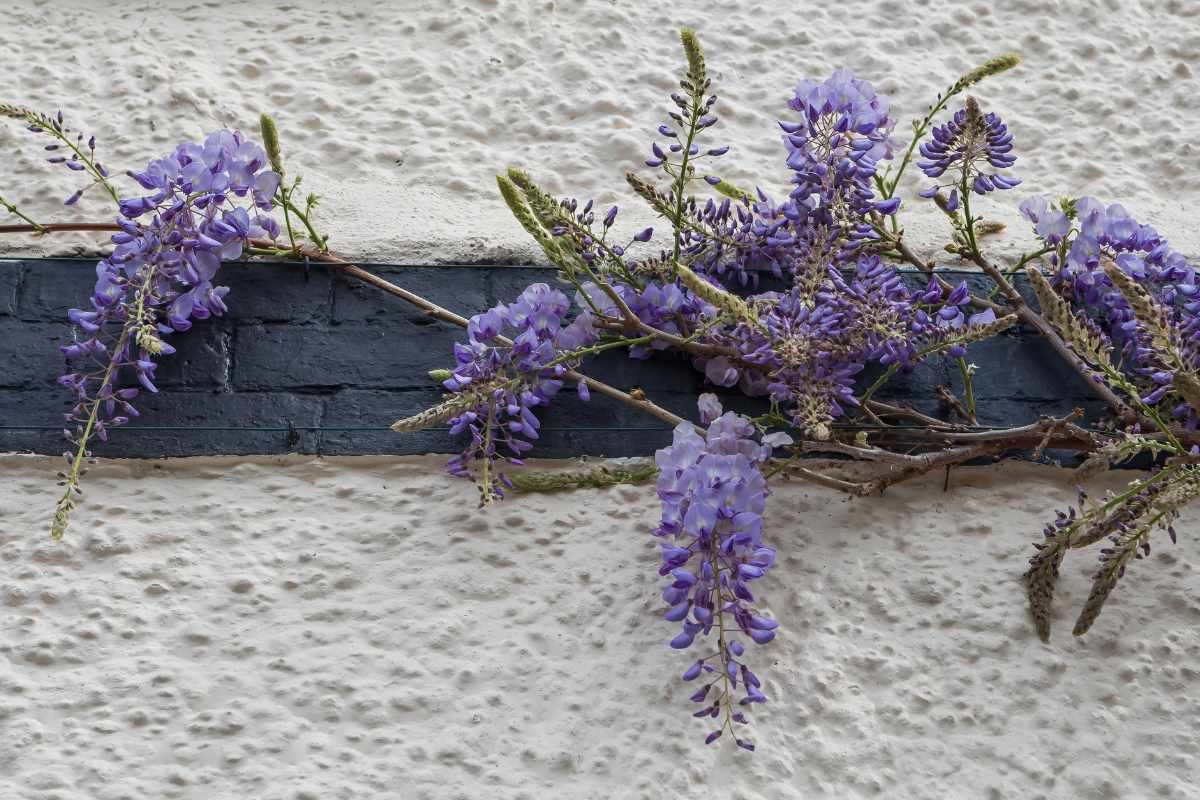
Known for its long, fragrant clusters and counterclockwise twining stems.
It’s a favorite for its abundant flowers, but it can become invasive in warmer regions.
Japanese Wisteria (Wisteria floribunda)
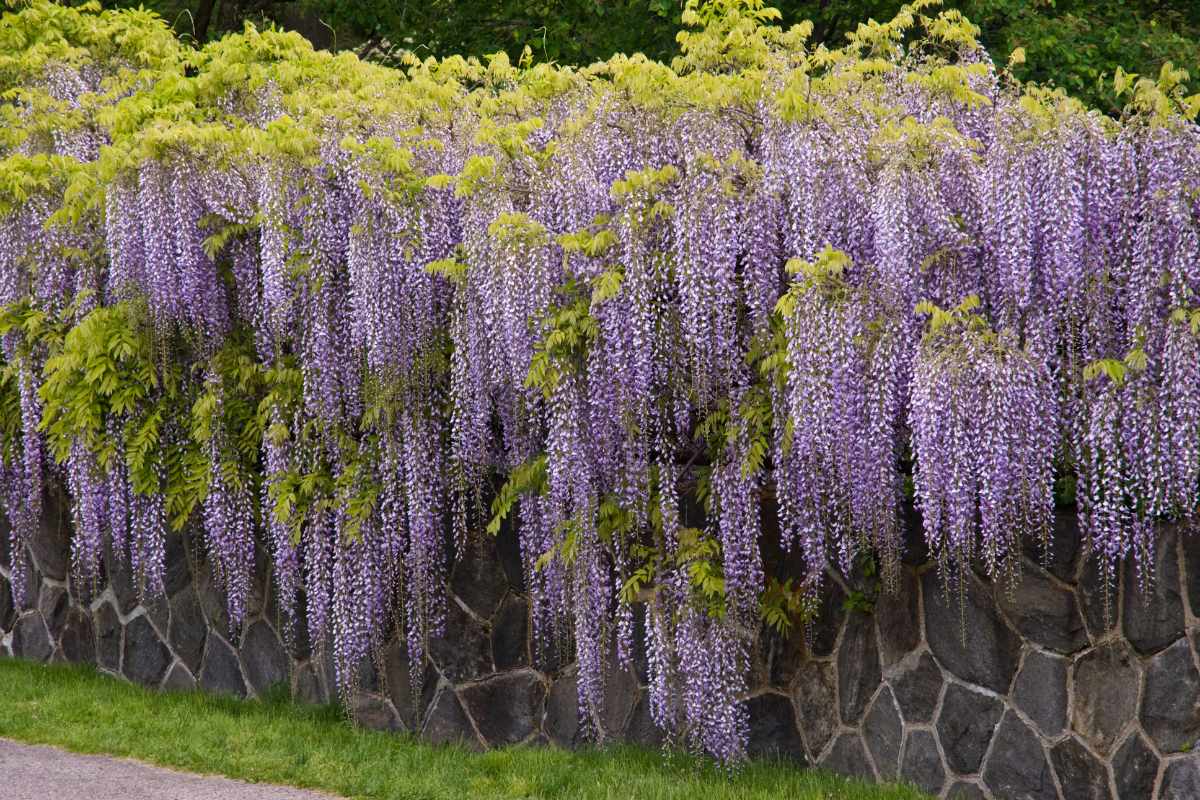
This variety twines clockwise and produces longer, more elegant flower clusters in a wide range of colors—from violet to pink and white.
American Wisteria (Wisteria frutescens)
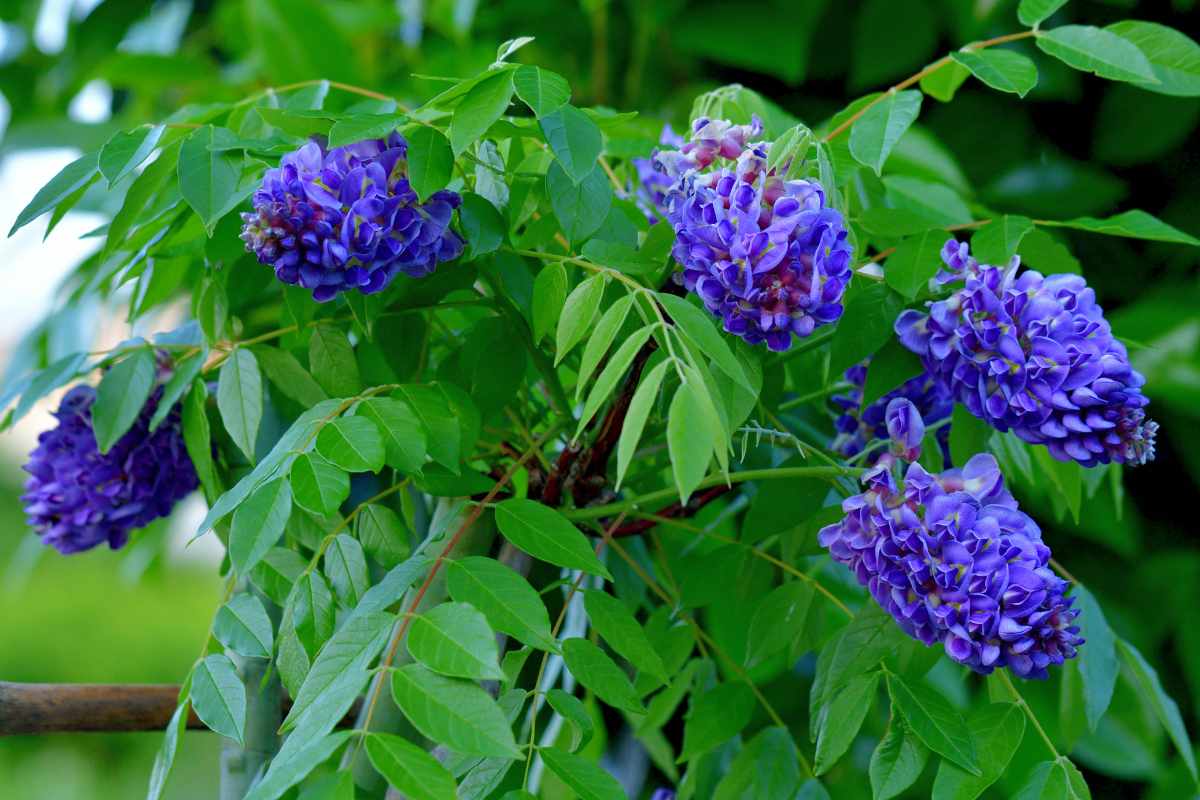
A great choice for gardeners in North America who prefer a non-invasive wisteria.
It’s more manageable, slightly less fragrant, but still offers abundant blossoms.
How to Plant Wisteria
Best Time to Plant
The ideal time to plant wisteria is in spring or fall, when the soil is warm and easy to work with. Avoid planting during extreme heat or frost.
Choosing the Perfect Spot
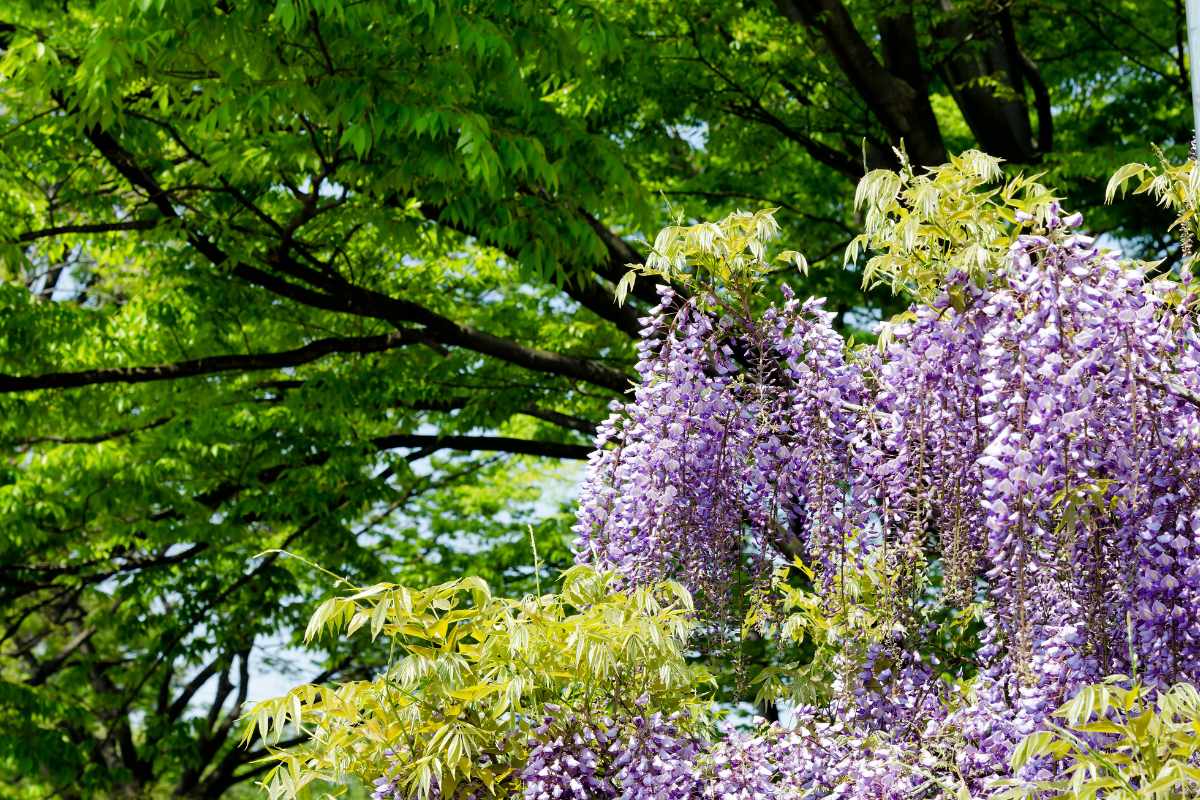
Wisteria thrives in full sun—at least six hours of direct light daily ensures the best flowering.
Choose a location with well-draining, fertile soil and space for the vine to expand.
Planting Steps
Dig a hole twice as wide as the root ball.
Mix in compost or organic matter to enrich the soil.
Place the plant at the same depth it was growing in the pot.
Water deeply after planting.
Install a sturdy trellis, arbor, or pergola as mature vines become heavy.
Caring for Wisteria
Watering and Feeding
Keep the soil evenly moist during the first year to help roots establish.
Mature plants tolerate some drought but benefit from watering during dry spells. Avoid high-nitrogen fertilizers—they promote leafy growth instead of flowers.
Use a balanced fertilizer in early spring.
Pruning and Training

Pruning is the secret to a healthy, blooming wisteria.
In late winter, remove unwanted shoots to define the structure.
In mid-summer, shorten new growth to about six inches to encourage more flowers next season.
Regular pruning also prevents the vine from becoming too woody or invasive.
Support Structures
Because wisteria vines grow vigorously, they need strong support—wood, metal, or wire trellises that can handle their weight.
Train young vines early to climb in the desired direction, and tie them loosely with garden tape.
Common Problems and How to Fix Them
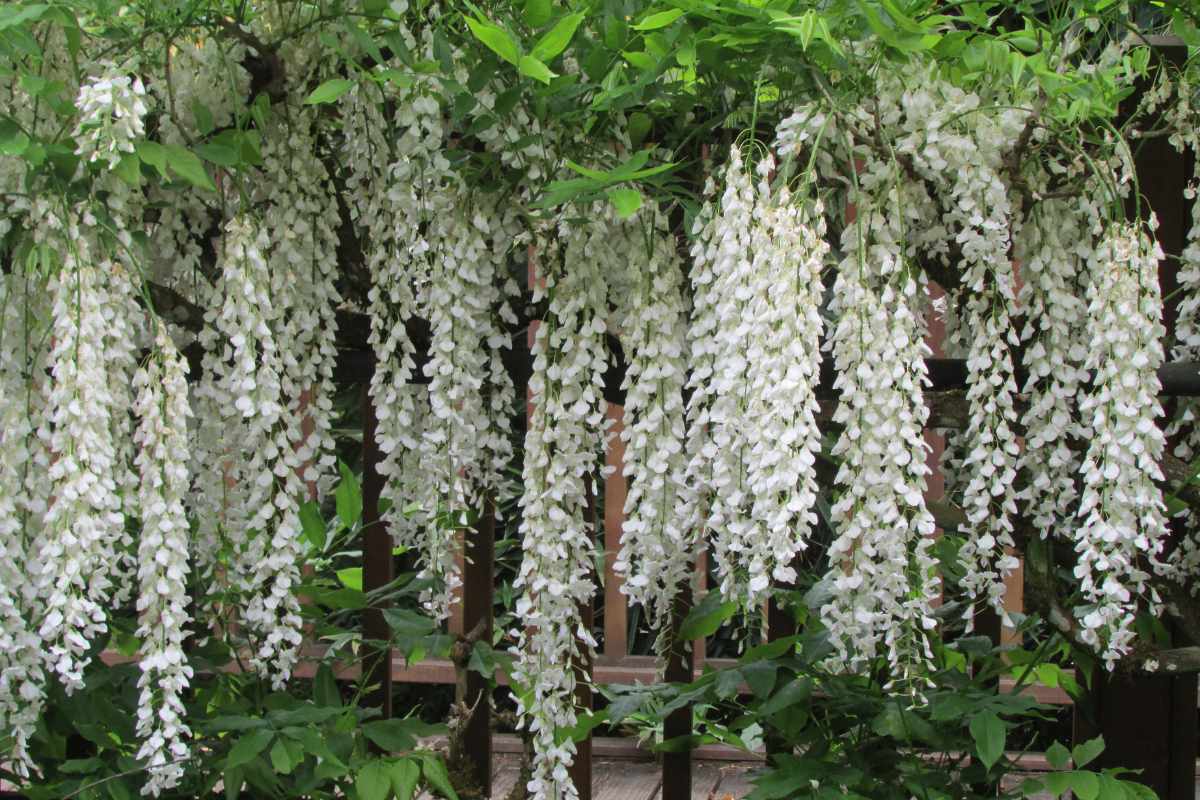
Lack of Blooms
If your wisteria isn’t flowering, it may be too young—most take 3–5 years to bloom.
Too much nitrogen or excessive shade can also reduce flowering. Prune regularly and ensure at least six hours of sunlight.
Pests and Diseases
Aphids, scale insects, and leaf miners occasionally affect wisteria.
Treat infestations with neem oil or insecticidal soap.
Ensure good air circulation to prevent fungal problems.
Overgrowth
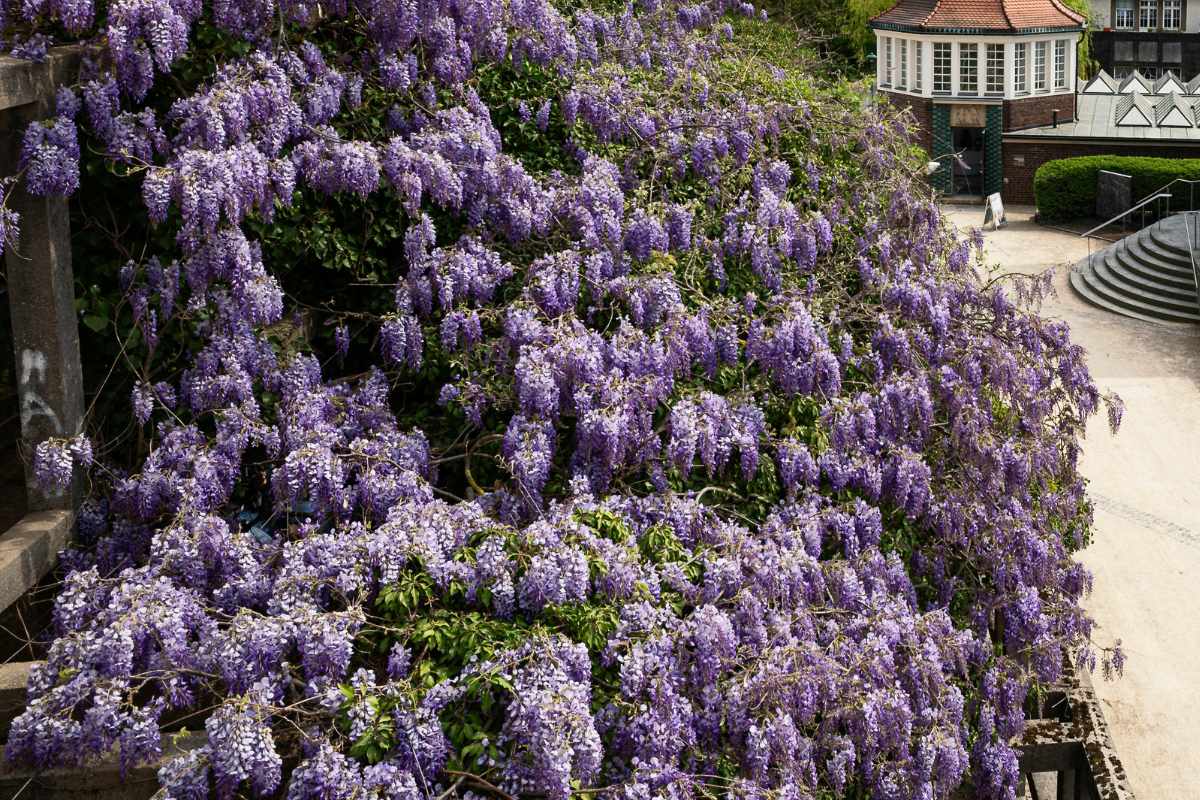
Uncontrolled vines can damage gutters, roofs, or nearby trees.
Regular pruning and guiding the growth are essential to avoid structural issues.
Final Thoughts on Growing Beautiful Wisteria
Growing beautiful wisteria takes patience, structure, and consistency, but the reward is spectacular.
With the right location, pruning routine, and care, this graceful climber can bring decades of color, fragrance, and charm to your garden—turning it into a true outdoor haven.
Enjoy This Video Tutorial

Source: StoneAgeMan
Don’t forget to Subscribe to our Newsletter to receive amazing tips and tricks about Gardening and the FREE Ebook Green Living Strategies!
Did you find this post Useful or Inspiring? Save THIS PIN to your GARDENING Board on Pinterest! 😊

Once again, thank you for visiting our website!
We hope you've enjoyed exploring the content we've created for you.
Give yourself the chance to learn, get inspired, and have even more fun, keep browsing...
See you in the next post, Have a Wonderful Da
More Gardening Tips 👇🏼👇🏼