
How to Prune Your Succulents Correctly

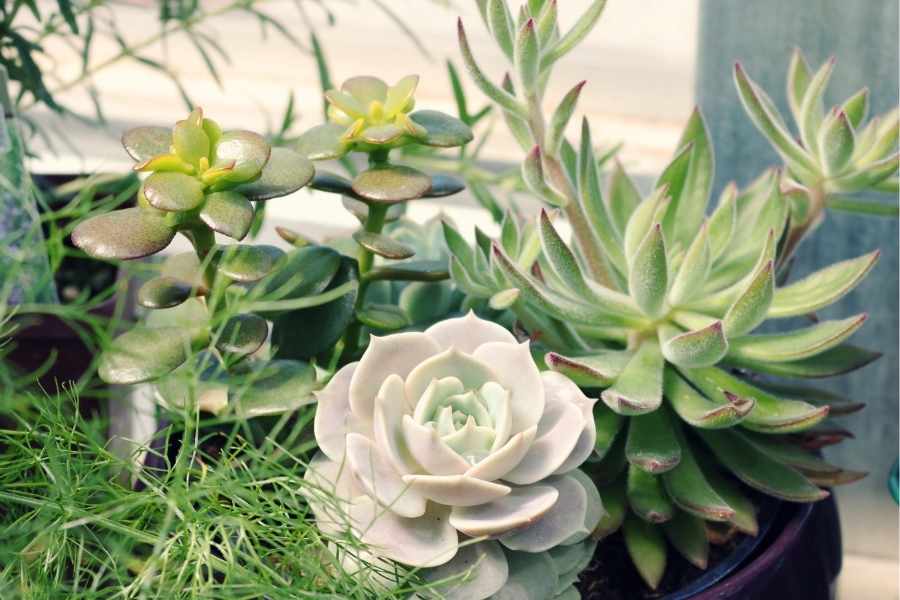
Succulents start compact and neatly arranged, but over time, they can become leggy or lose their shape. Pruning is an easy, effective way to help them stay healthy and attractive year-round. Here’s a complete guide to pruning succulents correctly, so they continue looking as beautiful as the day you got them.
Benefits of Pruning Succulents
Pruning isn’t strictly necessary for succulents, as they are generally low-maintenance plants. However, trimming offers several advantages:
- Encourages Healthier Growth: Regular pruning helps succulents grow stronger and healthier by removing dead or damaged leaves and stems.
- Improves Appearance: Pruning keeps succulents compact and organized, maintaining the aesthetic appeal of your arrangement.
- Stimulates Faster Growth: Succulents that are pruned annually often grow faster as they put energy into new growth.
When to Prune Your Succulents
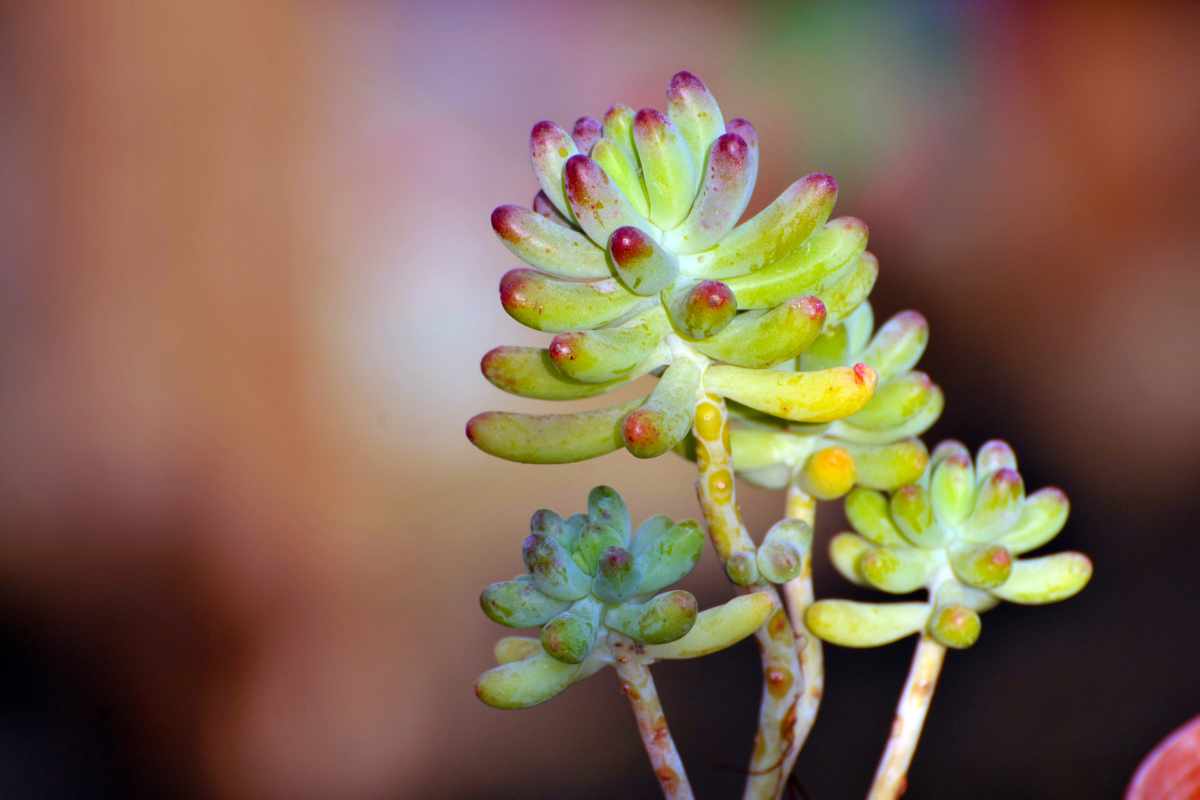
Most succulents only require pruning once a year, making it a quick and easy task to incorporate into your plant care routine. Occasional emergency trims may also be needed if a plant becomes overgrown, damaged, or suffers from pest infestations.
Plan to prune during the plant’s growing season, typically spring and summer. This gives it the best chance to recover and grow new leaves.
Pruning Tools and Preparation
Gather these basic tools to make the pruning process smooth:
- Sharp Scissors or Pruning Shears: Clean blades prevent infections and make clean cuts.
- Isopropyl Alcohol: Wipe down your tools before pruning to avoid introducing bacteria.
- Gloves: Some succulents have sharp edges, so gloves are helpful for safety.
Once you have your tools ready, decide which parts of the plant need attention. Look for overgrown stems, damaged leaves, or any signs of disease that should be removed.

Step-by-Step Guide
- Identify Parts to Prune: Start by examining your succulent closely. Remove any dried or damaged leaves first. For leggy plants, select the overgrown sections you want to trim down.
- Make Clean Cuts: Use sharp scissors or pruning shears to cut the stem just above a leaf node. For best results, make a clean, angled cut to promote faster healing and reduce the chance of infection.
- Remove Dead or Damaged Leaves: Gently pluck away any leaves that are yellowed, shriveled, or damaged. This step not only improves appearance but also helps prevent the spread of disease.
- Cut Back Leggy Growth: Succulents can become stretched or “leggy” when they don’t receive enough light. Trim long, spindly stems, keeping the cuttings for propagation if desired.
- Let the Cuttings Heal: Allow the freshly pruned areas to heal for a few days before watering. This helps prevent rot, especially in humid environments.
Caring for Succulents After Pruning
After pruning, your succulent may look a bit sparse. To encourage healthy regrowth:
- Provide Bright, Indirect Light: Adequate sunlight helps the plant recover and prevents new growth from becoming leggy.
- Hold Off on Watering: Wait a few days before watering to give the cuts time to heal completely.
- Fertilize Lightly: During the growing season, consider a small dose of succulent fertilizer to support new growth.
Using Pruned Cuttings for Propagation
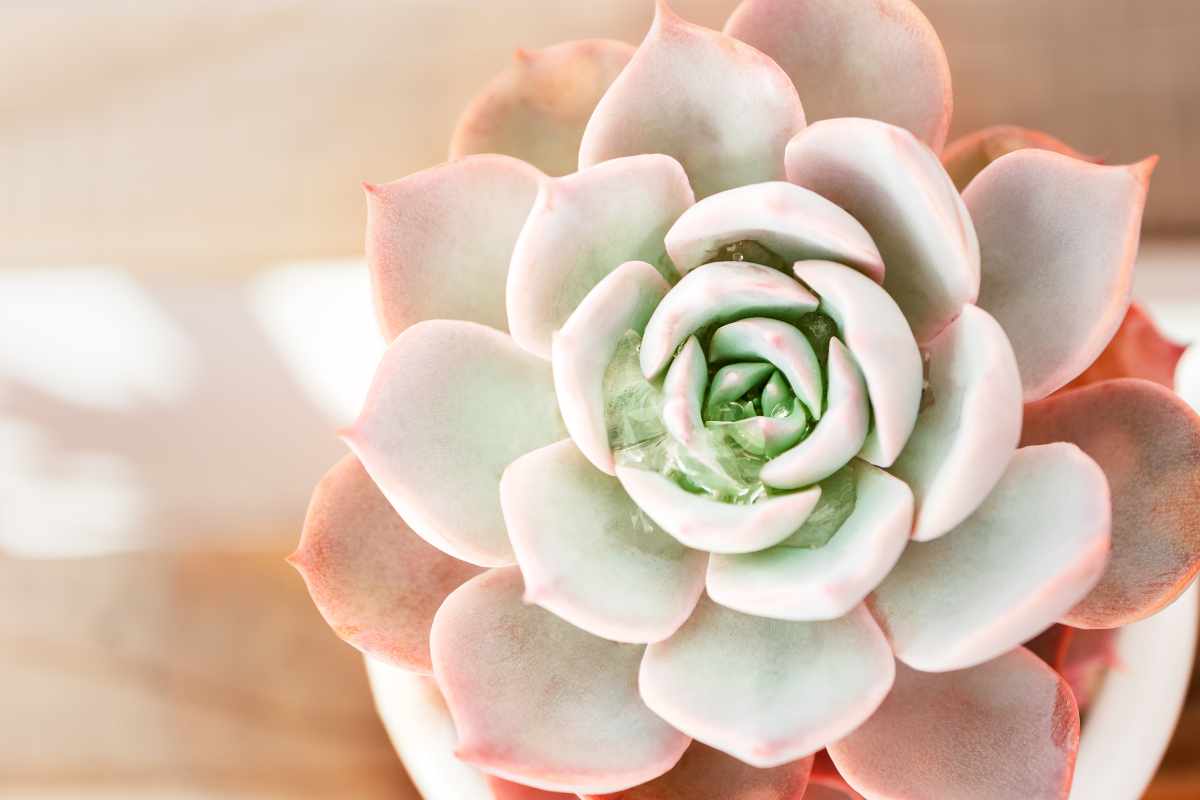
One of the great benefits of pruning succulents is that you can often use the trimmings to propagate new plants:
- Choose Healthy Cuttings: Select stems or leaves that look healthy and undamaged. Allow them to dry for a few days until the cut-end callouses are over.
- Place in Soil: Plant the dried cuttings in a well-draining succulent mix. Keep the soil lightly moist until roots form, then water sparingly.
- Watch for Growth: With a little time and care, the cuttings should root and grow into new plants.
Final Tips for Successful Succulent Pruning
Pruning succulents is a quick, satisfying way to keep them healthy and visually appealing. Remember, less is more—avoid over-trimming, as succulents grow slowly and don’t require frequent pruning. By following these steps, you can ensure your succulents remain vibrant and ready to thrive in their space.
We hope you enjoy the video tutorial
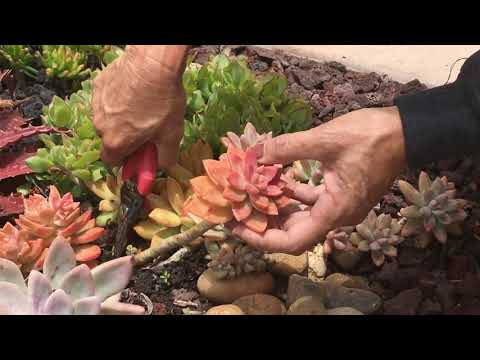
Source: Laura Eubanks
Did you find this post Useful or Inspiring? Save THIS PIN to your GARDENING Board on Pinterest! 

Once again, thank you for visiting our website!
We hope you've enjoyed exploring the content we've created for you.
Give yourself the chance to learn, get inspired, and have even more fun, keep browsing...
More Gardening Tips 👇🏼👇🏼