
How to Repot Bonsai Trees for Maximum Growth and Beauty


Caring for a bonsai is a delicate balance between patience, artistry, and understanding nature’s rhythms.
Among the most important tasks in this journey is repotting, a process that helps keep roots healthy and allows the tree to thrive in its container.
Repotting is not only about maintaining size but also about giving your bonsai the right foundation for growth and beauty.
Understanding the Purpose of Repotting
Bonsai trees grow in small containers where the soil eventually becomes compacted and depleted of nutrients.
Over time, roots can circle the pot, restricting water and air circulation. By repotting, we refresh the soil, trim excessive roots, and ensure the plant has room to develop new feeder roots that absorb nutrients effectively.
Rather than thinking of repotting as a cosmetic step, it’s a vital part of the tree’s long-term health. It prevents stagnation, supports balanced growth, and keeps the miniature landscape vibrant.
Without regular repotting, even the most carefully shaped bonsai can lose vitality.

Choosing the Right Time for the Process
Timing plays a significant role in repotting.
Most bonsai varieties benefit from this procedure in early spring, just before new growth appears. At this stage, the tree is coming out of dormancy, making it resilient to stress and quick to recover.
However, not every tree follows the same rhythm. Some tropical or evergreen species may tolerate repotting at other times, provided conditions are stable.
Observing the plant itself often gives the best cues: if roots push against the surface of the soil or escape through drainage holes, it’s a clear sign the tree is ready for a new home.
Preparing Tools and Soil
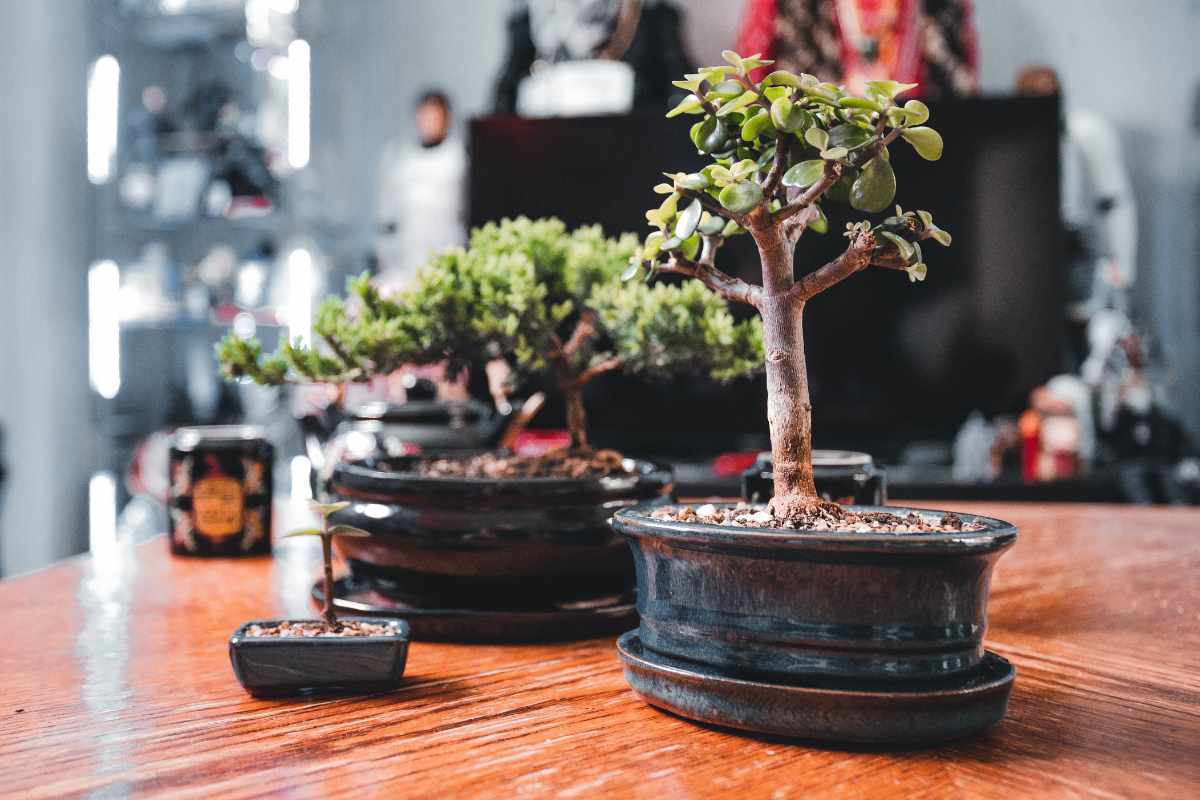
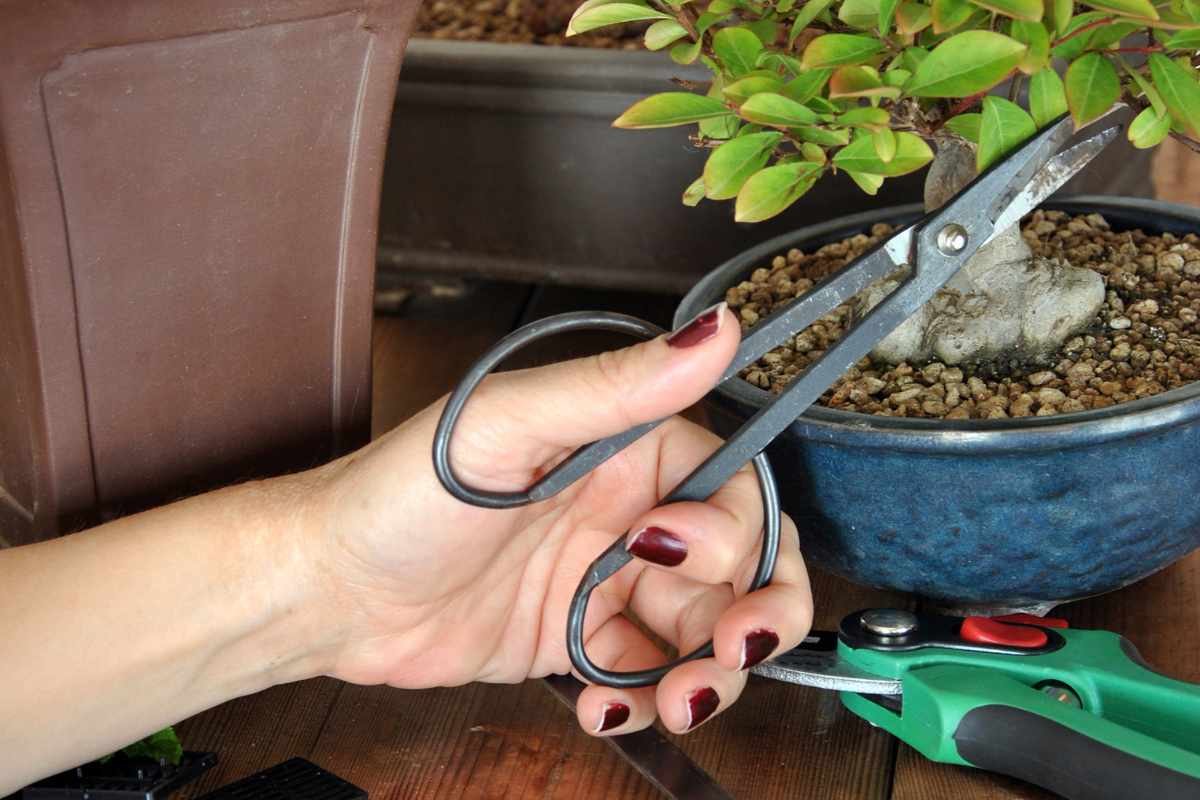
Before starting, having the right materials nearby makes the process smoother. Basic tools include scissors or root pruners, chopsticks to untangle roots, mesh to cover drainage holes, and fresh soil.
The soil mix is crucial—it must hold moisture yet allow water to drain freely. A typical bonsai substrate combines akadama, pumice, and lava rock, but alternatives like perlite or coarse sand can work as well.
Fresh soil ensures the roots breathe properly and prevents waterlogging, one of the most common causes of bonsai decline.
The container also matters: it should complement the tree’s aesthetics while providing enough space for root development.

Removing and Inspecting the Root System
When lifting the tree from its pot, roots may appear dense and tangled.
This is normal, and gentle handling avoids unnecessary damage.
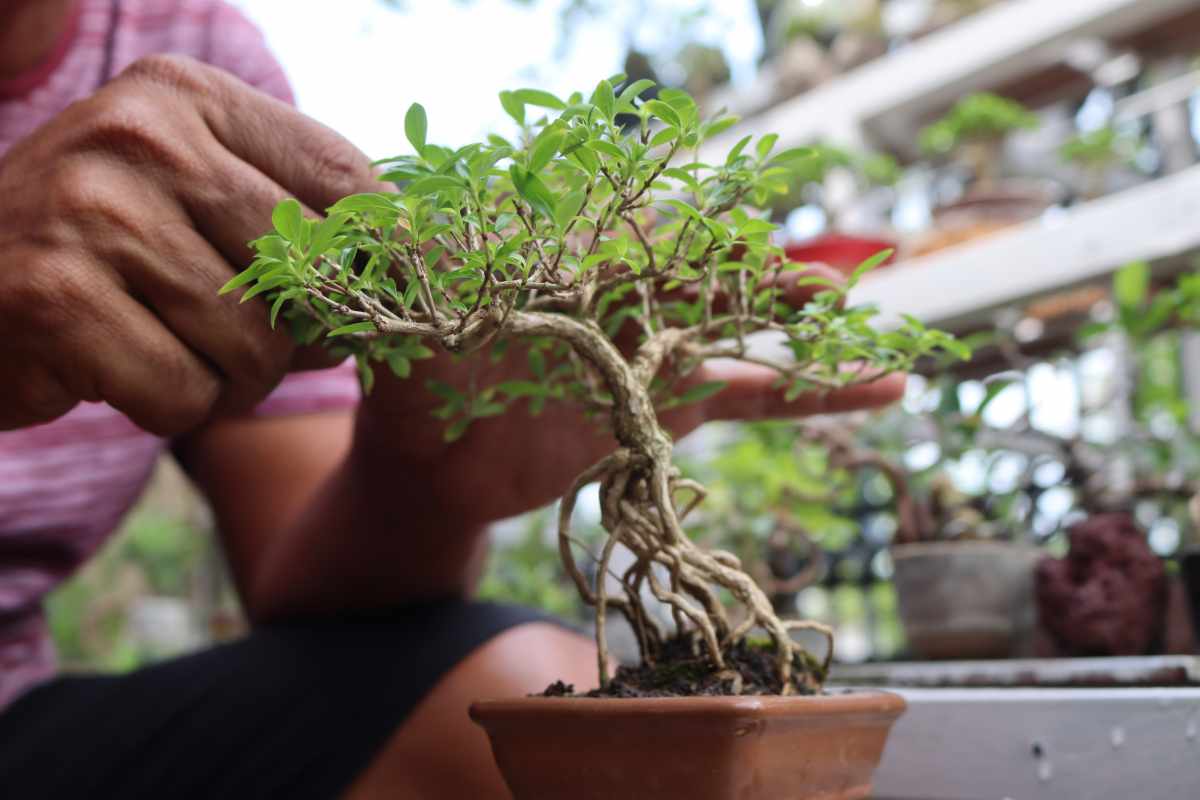
Using chopsticks or a small rake, we can tease apart the outer roots and inspect the overall health of the system. Healthy roots are firm and white, while dark or mushy ones may indicate rot.
Trimming is essential to maintain the balance between roots and foliage. Cutting away up to one-third of the root mass is common, as long as it’s done with care.
The aim is to promote the growth of new fine roots, which are more effective at taking up nutrients than old, thick ones.

Positioning the Bonsai in Its New Pot
Once the root system is prepared, the next step is placing the tree in its container.
Mesh pieces cover drainage holes to prevent soil loss, and a thin layer of substrate forms the base. Positioning matters both for stability and aesthetics.
The bonsai should not sit exactly in the center; slightly off-center placement creates a more natural and visually pleasing composition.
Wires may be used to secure the tree in place, especially for freshly pruned roots that need support until they anchor into the soil.
After positioning, new soil is added gradually, and chopsticks help work it between roots, eliminating air pockets that could dry them out.
Caring for the Bonsai After Repotting
Repotting is stressful for a tree, so proper aftercare makes a difference. The bonsai should be placed in a shaded, sheltered spot for several weeks, avoiding strong winds or direct sunlight.
During this period, roots are recovering and adjusting to their new environment.
Watering must be consistent but not excessive. The goal is to keep the soil slightly moist without drowning delicate new roots.
Fertilizers should be avoided until new growth appears, as fresh roots are sensitive and can be damaged by concentrated nutrients.
Once the tree stabilizes, gradual feeding supports vigorous development.
Long-Term Benefits of Regular Repotting
Consistent repotting every two to five years, depending on species and age, maintains the health of bonsai trees. Younger specimens often require more frequent attention, while mature trees may remain stable for longer.
By keeping the root system refreshed and the soil active, repotting promotes stronger trunks, healthier foliage, and better flowering or fruiting in suitable species.
Beyond physical health, this process enhances the artistry of bonsai. It allows enthusiasts to refine the design, adjust positioning, and maintain proportion between the canopy and roots.
Repotting thus becomes not just horticultural care but also part of the creative relationship between grower and tree.
Did you find this post useful or inspiring? Save THIS PIN to your GARDEN Board on Pinterest!
More Gardening Tips 👇🏼👇🏼