
Why Bonsai Trees Are Considered Living Sculptures

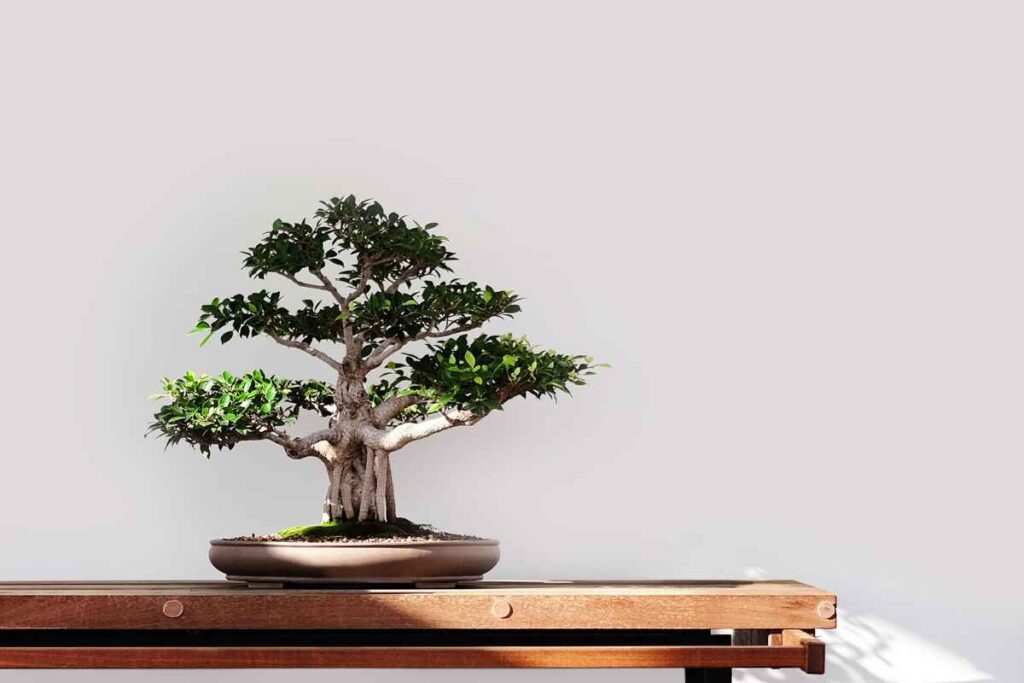
Few art forms combine nature, time, and human intention as beautifully as the cultivation of bonsai trees. These miniature trees, carefully shaped and nurtured over many years, are often referred to as “living sculptures”—and with good reason.
Bonsai represents far more than just small trees in pots. It’s a practice that blends horticulture with artistry, resulting in dynamic, evolving works that reflect both the hand of the grower and the natural world.
In this article, we’ll explore the fascinating reasons why bonsai trees are considered living sculptures, from their artistic origins to the techniques that shape them and the emotional impact they create.
The Artistic Origins of Bonsai
The term bonsai comes from the Japanese words bon (tray or shallow container) and sai (planting). But the practice itself originated in ancient China, where it was known as penjing.
These early versions of bonsai were intended to recreate natural landscapes in miniature, often depicting entire scenes with trees, rocks, and figurines.
It wasn’t until the art form reached Japan that bonsai evolved into what we recognize today—a single tree artistically shaped over time, celebrating simplicity, asymmetry, and the elegance of imperfection.
Bonsai reflects the core principles of Japanese aesthetics, including wabi-sabi (the beauty of impermanence and imperfection) and ma (space and balance).
Unlike traditional sculpture, which uses stone or metal, bonsai uses a living medium. This means that the work is never truly finished—it continues to grow and change, requiring the artist’s attention and vision for years, even decades.
Shaping Nature Through Human Hands
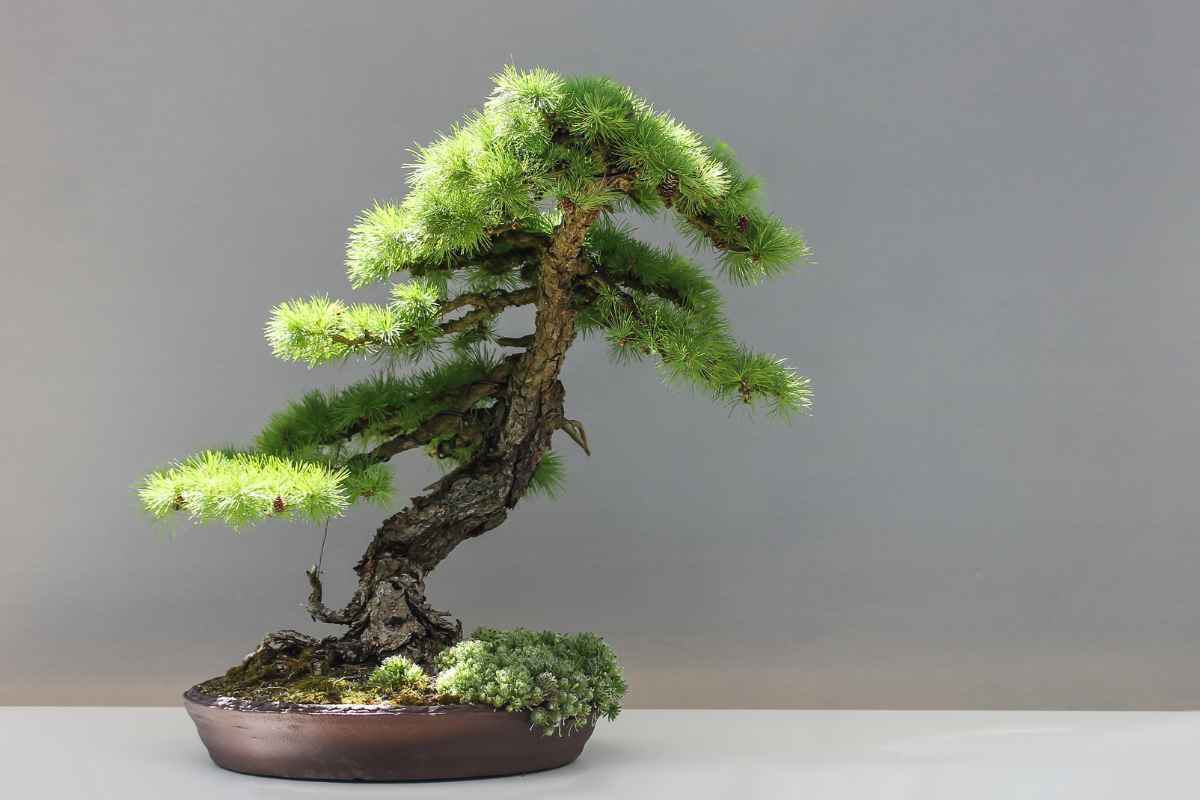
What truly elevates bonsai into an art form is the intentional manipulation of the tree’s natural growth. Gardeners use a variety of techniques to shape the trunk, branches, and foliage in visually compelling ways.
Wiring and Pruning
Wiring allows growers to gently bend and direct branches into desired shapes. Over time, the tree holds these forms naturally. Pruning is used not just to control size, but to define structure, open space, and maintain the illusion of maturity in a miniature form.
This process is a delicate balance between control and cooperation—the artist doesn’t force the tree into submission but works with its natural tendencies to create a harmonious design.
Root Trimming and Potting
The tree’s root system is pruned regularly to maintain size and health. The shallow container plays a key role in restricting growth and emphasizing the tree’s form. Choosing the right pot—its size, shape, and color—is as much a part of the artistry as shaping the tree itself.
The relationship between the pot and the tree must feel intentional and balanced, just like the frame of a painting enhances the work it contains.
Symbolism and Storytelling in Form
Each bonsai tells a story. The chosen style, the direction of the branches, and the shape of the trunk all carry symbolic meaning and emotional tone.
Styles That Evoke Nature
There are several classic bonsai styles, each inspired by natural tree forms found in the wild:
Formal upright (Chokkan): Straight and symmetrical, symbolizing strength and order
Informal upright (Moyogi): Slight curves in the trunk, reflecting resilience and natural growth
Slanting (Shakan): A trunk that leans, often representing adaptation to wind or light
Cascade (Kengai): Branches that spill downward, mimicking trees on cliffs or riverbanks
Forest (Yose-ue): Multiple trees planted together to resemble a woodland scene
These styles are not just visual choices—they represent human experiences, natural forces, and emotional landscapes, captured through the form of a tree.
The Role of Time in Bonsai Art
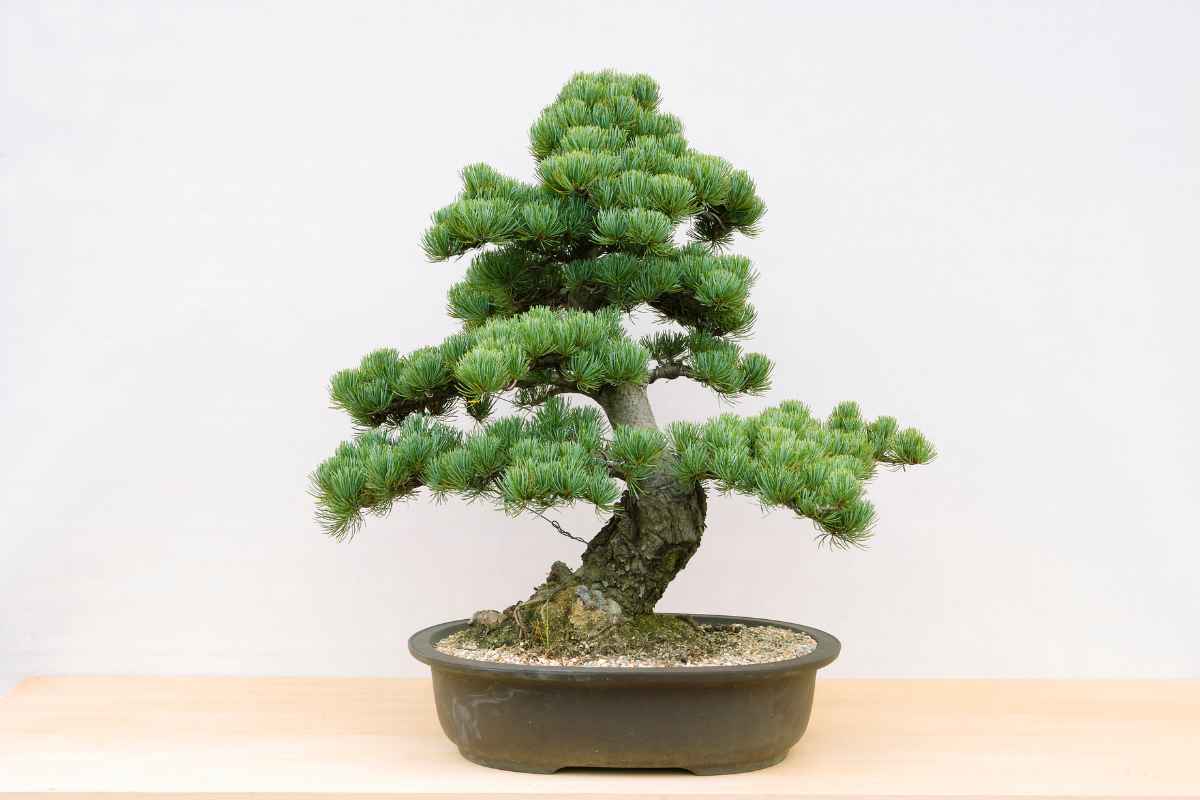
One of the most profound aspects of bonsai is its relationship with time. Creating a bonsai tree is not a weekend project—it’s a process that unfolds over years, even generations.
This long-term investment adds depth to the work. The tree becomes a reflection of the artist’s patience, care, and evolving vision. It matures alongside its caretaker, changing with the seasons and responding to the smallest changes in its environment.
A bonsai tree is never static. Its beauty lies in its constant transformation, much like a dancer moving through time rather than a single frozen pose.
Emotional Impact and Connection
Because bonsai involves ongoing care, it creates a powerful emotional bond between the grower and the tree. The gardener must observe, respond, and adapt—learning to read subtle signals and anticipate needs. This process cultivates not only the tree but also the artist’s own sense of mindfulness and presence.
Many bonsai enthusiasts describe the experience as meditative, providing a quiet rhythm and grounding presence in daily life. The tree becomes a living companion, reflecting the seasons, the weather, and even the emotional state of the grower.
When viewed by others, a well-crafted bonsai tree invites contemplation. Its small scale draws the viewer in, encouraging close observation and reflection. Like a great piece of art, it stirs emotion without saying a word.
Bonsai in Modern Context
Today, bonsai continues to captivate people around the world—not just for its artistic value, but also for its connection to sustainability, mindfulness, and slow living. In an age of fast trends and instant gratification, bonsai reminds us of the rewards of patience, discipline, and long-term beauty.
From minimalist apartments to public exhibitions, bonsai trees are being embraced as both decor and living art. They challenge our idea of what sculpture can be—not cold and fixed, but breathing, growing, and full of life.

A Living Art That Never Ends
Bonsai trees are considered living sculptures because they embody art, nature, and time in one evolving form. Shaped by human hands but never fully controlled, they reflect a unique blend of discipline and freedom, structure and spontaneity.
Each tree holds a story of the environment it grew in, the person who shaped it, and the years of quiet care behind every bend and branch. Whether you’re growing your bonsai or simply admiring one, you’re engaging with a form of art that is alive in the truest sense.
In a world full of fleeting images, bonsai offers something deeper: a chance to create and witness beauty that changes, matures, and breathes—just like life itself.
Did you find this post useful or inspiring? Save THIS PIN to your GARDEN Board on Pinterest!

More Gardening Tips 👇🏼👇🏼