
The History of Bonsai: From Samurai to Modern Art

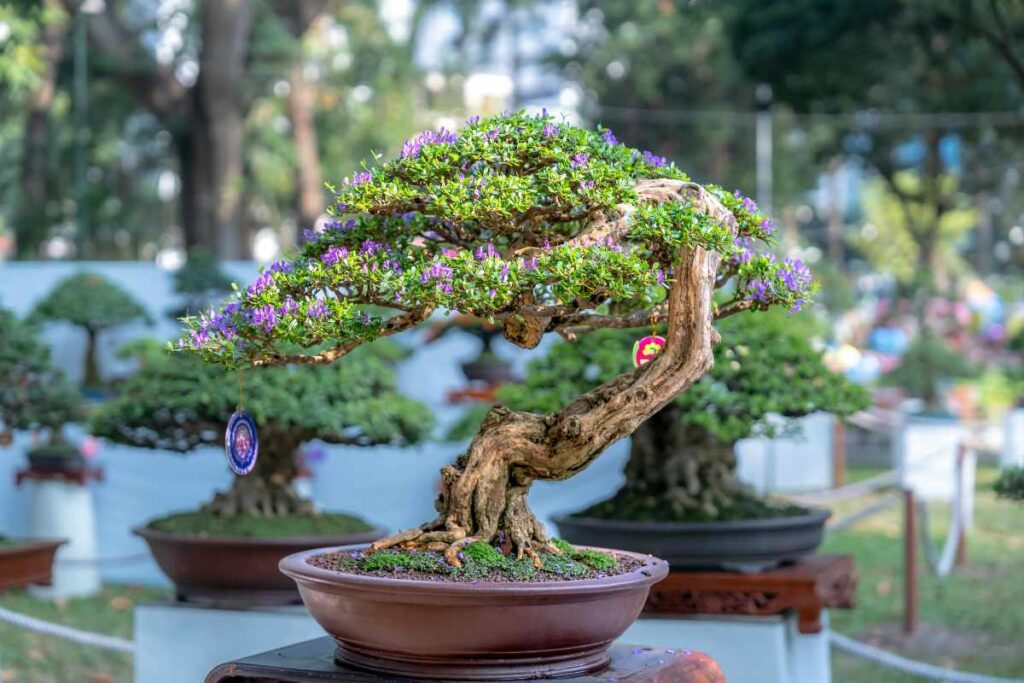
Bonsai, the art of growing miniature trees, has captivated gardeners, artists, and nature lovers for centuries. With its delicate balance between nature and human creativity, bonsai offers a way to bring the beauty of the natural world into the confines of a small container.
But where did this fascinating practice originate? The history of bonsai is a journey that spans centuries, cultures, and continents.
From its early beginnings in ancient China to its flourishing in Japan and eventual rise as a modern art form, the story of bonsai is rich with tradition, symbolism, and innovation.
The Roots of Bonsai in Ancient China
While bonsai is most closely associated with Japan today, its roots can be traced back to ancient China. The practice of growing miniature trees in containers dates back over a thousand years to the Tang Dynasty (618–907 AD), when it was known as “penjing” or “penzai.”
The word "penjing" translates to "potted landscape" and refers to the art of cultivating miniature trees, rocks, and other natural elements in small containers. Unlike the modern concept of bonsai, which focuses mainly on the trees themselves, penjing also includes elements of landscaping, such as water features and miniature structures.
In ancient China, penjing was not just a horticultural practice—it was a symbol of wealth and status. The art was often reserved for the elite and nobility, and it was deeply intertwined with Chinese philosophy, particularly Taoism.
The practice of creating miniature landscapes was seen as a way to represent the harmony between nature, man, and the universe.
The miniature trees were considered to embody the timeless wisdom of nature, and they were admired for their graceful appearance and philosophical depth.

Bonsai's Arrival in Japan
The practice of penjing made its way from China to Japan in the 6th century, but it wasn’t until the Kamakura period (1185–1333 AD) that bonsai began to take shape as the distinct art form we recognize today. During this time, the Japanese developed their unique approach to the practice, focusing primarily on the cultivation of miniature trees rather than landscapes.
The Japanese began to refer to this art as “bonsai,” derived from the Japanese words “bon” (meaning tray or pot) and “sai” (meaning plant or tree).
While the Chinese penjing tradition was often grand and elaborate, the Japanese took a more minimalist approach, emphasizing simplicity, elegance, and the beauty of individual trees.
The practice of bonsai flourished under the patronage of the samurai class, who admired the art for its spiritual and aesthetic qualities. Bonsai became a symbol of refinement and discipline, with each tree carefully cultivated to express the principles of balance, harmony, and nature’s cycles. The art form was passed down through generations, and bonsai became an essential part of Japanese culture and tradition.
The Influence of Zen Buddhism
One of the key factors that shaped the development of bonsai in Japan was the influence of Zen Buddhism. Zen teachings emphasize simplicity, mindfulness, and the pursuit of enlightenment through direct experience with nature.
Bonsai became a way for practitioners to meditate on the fleeting nature of life and to cultivate patience and mindfulness.
The Zen aesthetic deeply influenced the design principles of bonsai, particularly the emphasis on asymmetry, natural forms, and the appreciation of imperfections. Bonsai trees were not merely decorative objects; they were seen as living representations of the cycles of nature, with each tree reflecting the beauty and fragility of life itself.
During the Edo period (1603–1868), bonsai reached its peak in Japan. The practice became more refined, with specific styles and techniques developed to shape and care for the trees. This period also saw the rise of bonsai as a popular hobby among the merchant class, further cementing its place in Japanese culture.
Bonsai and the Samurai Spirit
For the samurai, bonsai was more than just an artistic endeavor; it was a reflection of their philosophy and values. The samurai adhered to a strict code of conduct known as the “bushido” code, which emphasized honor, discipline, and self-control.
In many ways, bonsai mirrored these values, as the cultivation of a bonsai tree required patience, dedication, and a deep understanding of nature.
The samurai were drawn to the stoic beauty of bonsai trees, which seemed to embody the strength and resilience of the warrior spirit. Much like the samurai themselves, bonsai trees were shaped and pruned to create a sense of balance and harmony, with each branch and leaf carefully tended to achieve a perfect form.
Bonsai became a way for the samurai to express their inner discipline and reverence for nature.
Bonsai in the Modern Era
In the late 19th and early 20th centuries, bonsai began to spread beyond Japan’s borders. With the opening of Japan to the West in the mid-1800s, bonsai gained international attention, particularly during the 1876 Centennial Exposition in Philadelphia, where the art form was showcased to the public for the first time.
Westerners were captivated by the beauty and intricacy of bonsai, and the practice quickly gained popularity in Europe and the United States.
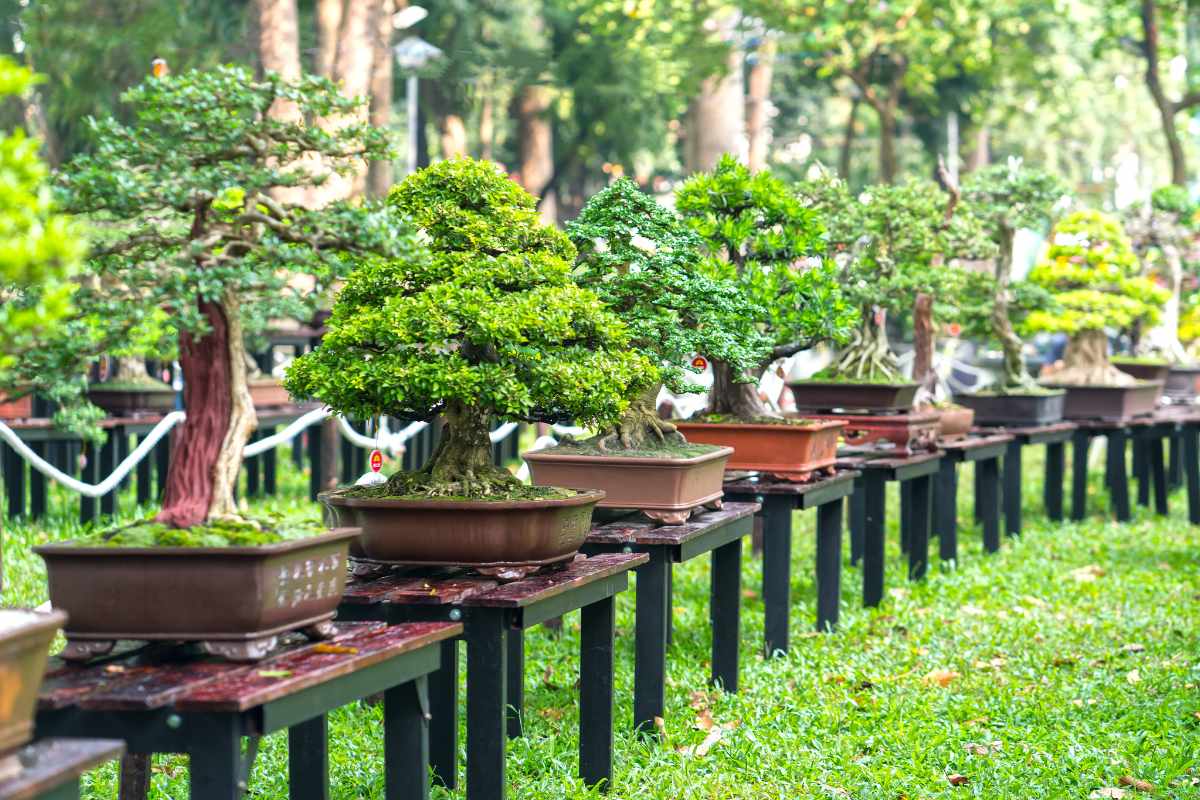
As bonsai entered the modern era, it evolved from a traditional Japanese pastime into a global art form. Bonsai exhibitions and competitions became common worldwide, with bonsai practitioners gathering to showcase their trees and share techniques.
In many ways, bonsai became a symbol of global interconnectedness, as people from different cultures embraced the art form and infused it with their unique styles and influences.
Today, bonsai is celebrated as both a horticultural craft and a form of living art. The practice has continued to evolve, with new techniques and innovations constantly being developed. Modern bonsai artists experiment with various styles and approaches, incorporating elements from different cultures while staying true to the traditional principles of balance and harmony.
The Art of Bonsai: A Timeless Practice
Bonsai’s history is a testament to the enduring appeal of nature’s beauty and the human desire to capture and shape it.
From its origins in ancient China to its transformation in Japan and its rise as a global art form, bonsai has remained a deeply meaningful practice that connects us to the natural world and our sense of creativity and inner peace.
Whether you’re a seasoned bonsai enthusiast or a beginner just starting to explore the art, there’s no denying the power of these miniature trees to inspire wonder and admiration.
Bonsai is more than just an ornamental practice—it’s a way to connect with the past, express creativity, and find tranquility in the rhythms of nature.
Did you find this post useful or inspiring? Save THIS PIN to your GARDEN Board on Pinterest!
More Gardening Tips 👇🏼👇🏼