
Indoor vs Outdoor Bonsai Trees: Which One Is Right for You?

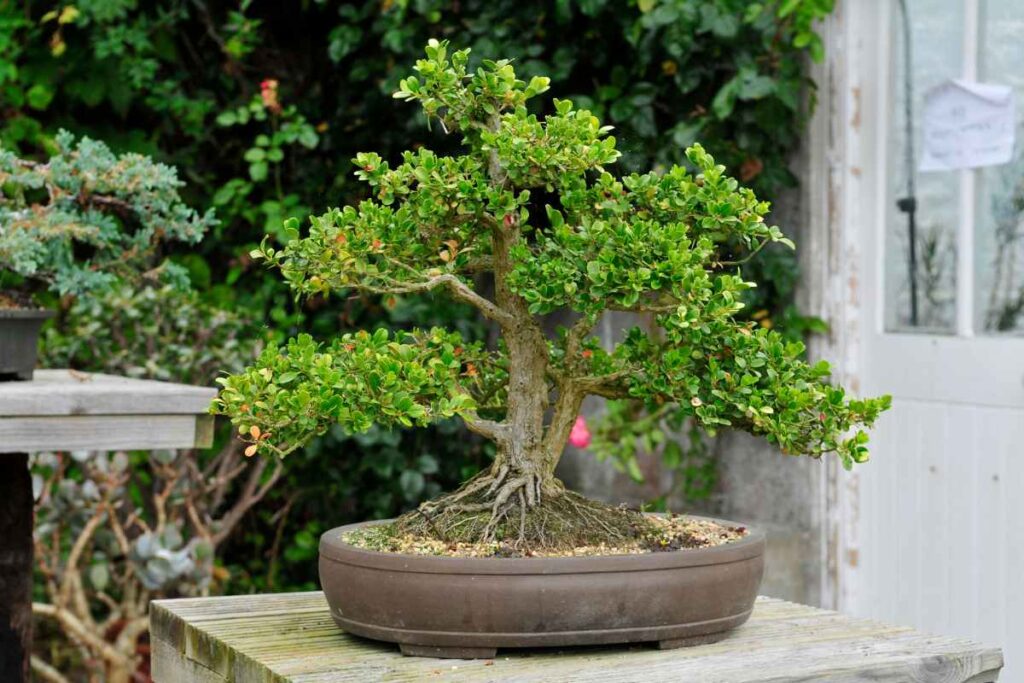
Bonsai trees combine nature, artistry, and patience into one rewarding hobby. One of the first decisions every beginner faces is whether to choose an indoor bonsai tree or an outdoor bonsai tree. While both offer beauty and satisfaction, they have very different care requirements and thrive in different environments.
In this guide, you'll learn the key differences between indoor and outdoor bonsai trees, what each type needs to stay healthy, and how to choose the best option based on your home, climate, and experience level.
Indoor Bonsai Trees vs Outdoor Bonsai Trees
The biggest misconception about bonsai is that they are all indoor plants. In reality, most bonsai species naturally belong outdoors and require seasonal changes to stay healthy.
Indoor bonsai are typically tropical or subtropical species that can tolerate the stable temperatures found inside homes. Outdoor bonsai, on the other hand, need fresh air, sunlight, and natural seasonal cycles.
Understanding this distinction is the first step toward long-term bonsai success.
What Makes a Good Indoor Bonsai Tree?
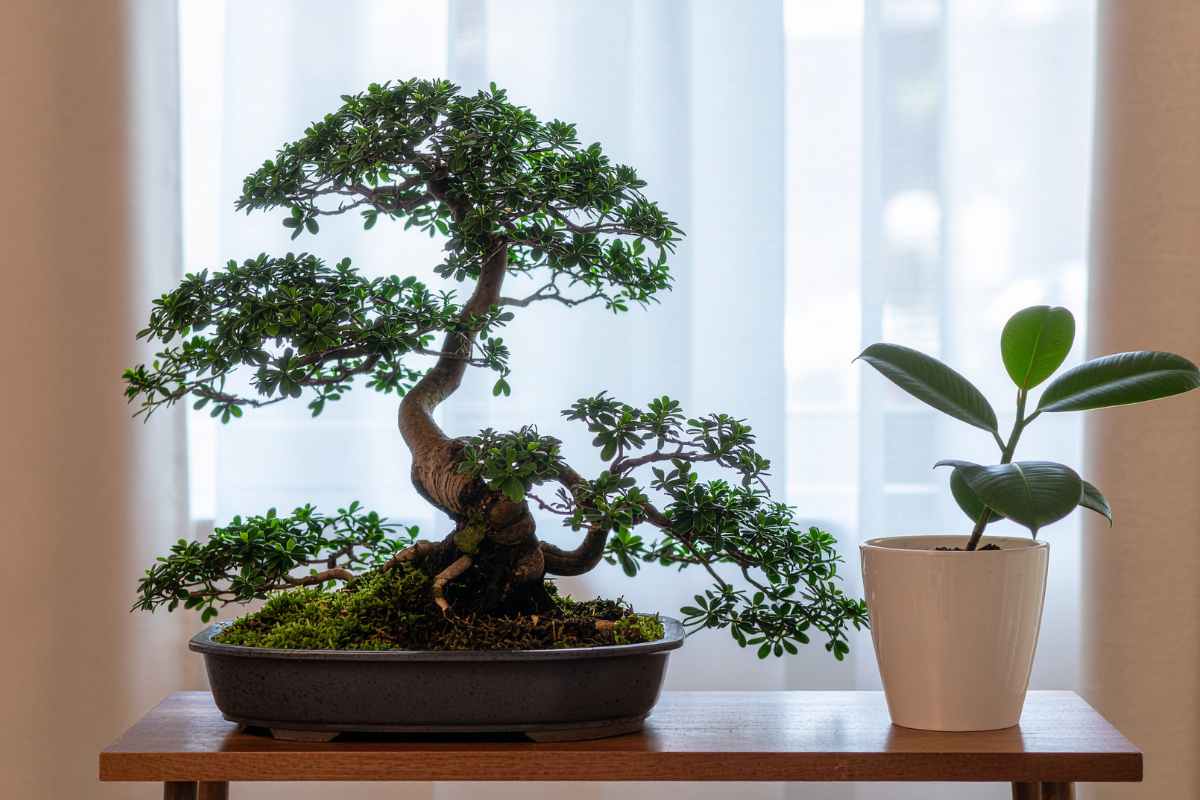
Indoor bonsai trees are ideal for people who live in apartments or regions with harsh winters where year-round outdoor growing isn't practical.
Some popular indoor species include:
- Ficus Bonsai
- Chinese Elm (depending on climate)
- Fukien Tea
- Dwarf Jade (Portulacaria afra)
- Hawaiian Umbrella Tree
These trees generally prefer:
- Bright, indirect light or several hours of direct morning sun
- Consistent indoor temperatures
- Moderate to high humidity
- Regular watering without waterlogged soil
Indoor Care Tips
- Place your bonsai near a bright south- or east-facing window whenever possible.
- Rotate the pot every few weeks for even growth.
- Increase humidity with a humidity tray or room humidifier if indoor air becomes dry.
- Avoid placing your tree near heating vents or air conditioners.
Why Outdoor Bonsai Trees Thrive Naturally
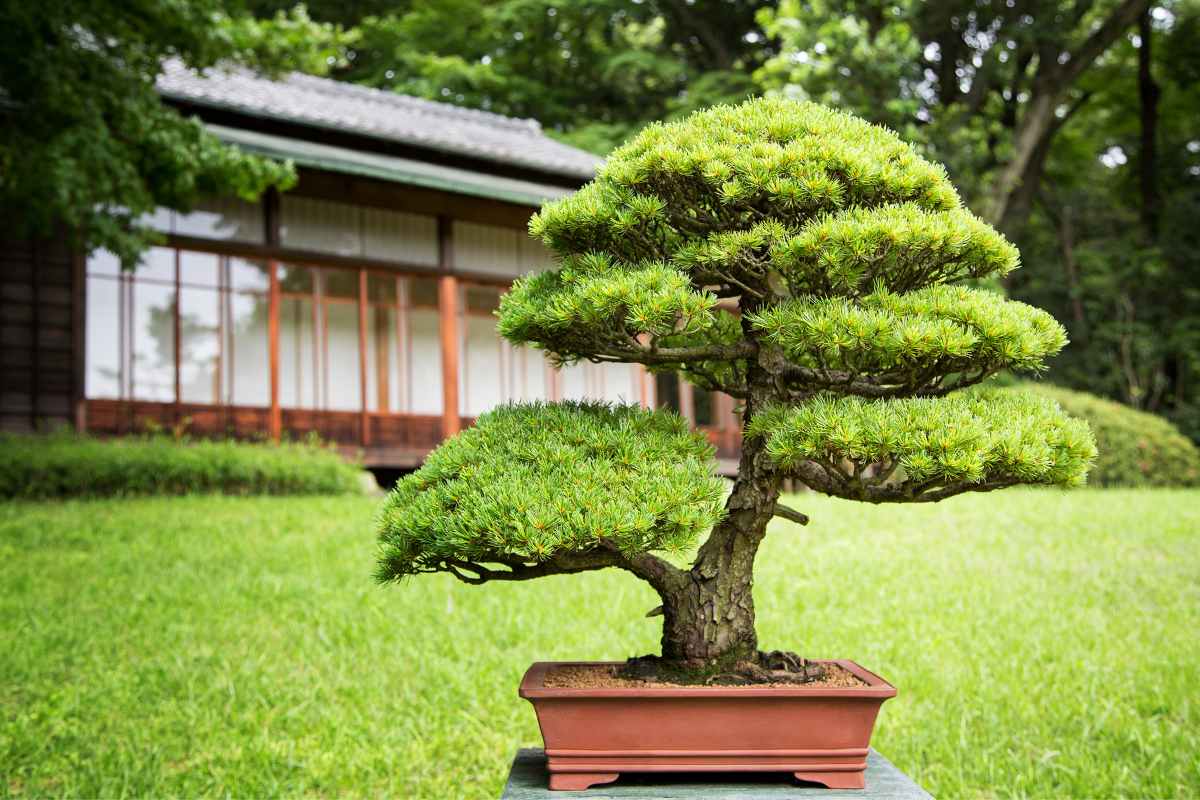
Outdoor bonsai are grown from hardy tree species that naturally experience changing seasons. These seasonal changes help regulate growth, dormancy, and overall health.
Common outdoor bonsai species include:
- Japanese Maple
- Juniper
- Pine
- Elm
- Spruce
- Crabapple
Outdoor bonsai generally need:
- Several hours of direct sunlight daily
- Natural rainfall combined with regular watering
- Protection from extreme weather when necessary
- Winter dormancy for temperate species
Because they receive natural sunlight and fresh air, outdoor bonsai often develop stronger growth and more vibrant foliage.
How to Choose the Right Bonsai Tree
The best bonsai isn't simply the most beautiful one—it's the one that matches your environment and daily routine.
Consider these questions before buying:
Your Living Space
If you have only indoor space with bright windows, an indoor bonsai is usually the better choice.
If you have a balcony, patio, or garden with adequate sunlight, outdoor species offer more options.
Your Climate
Warm climates may allow some tropical bonsai to spend much of the year outdoors.
Cold climates require careful planning for tropical species during winter.
Your Available Time
All bonsai require regular attention, but outdoor trees may need more frequent watering during hot summer weather.
Indoor trees often require closer monitoring for humidity and light levels.
Essential Tools and Supplies
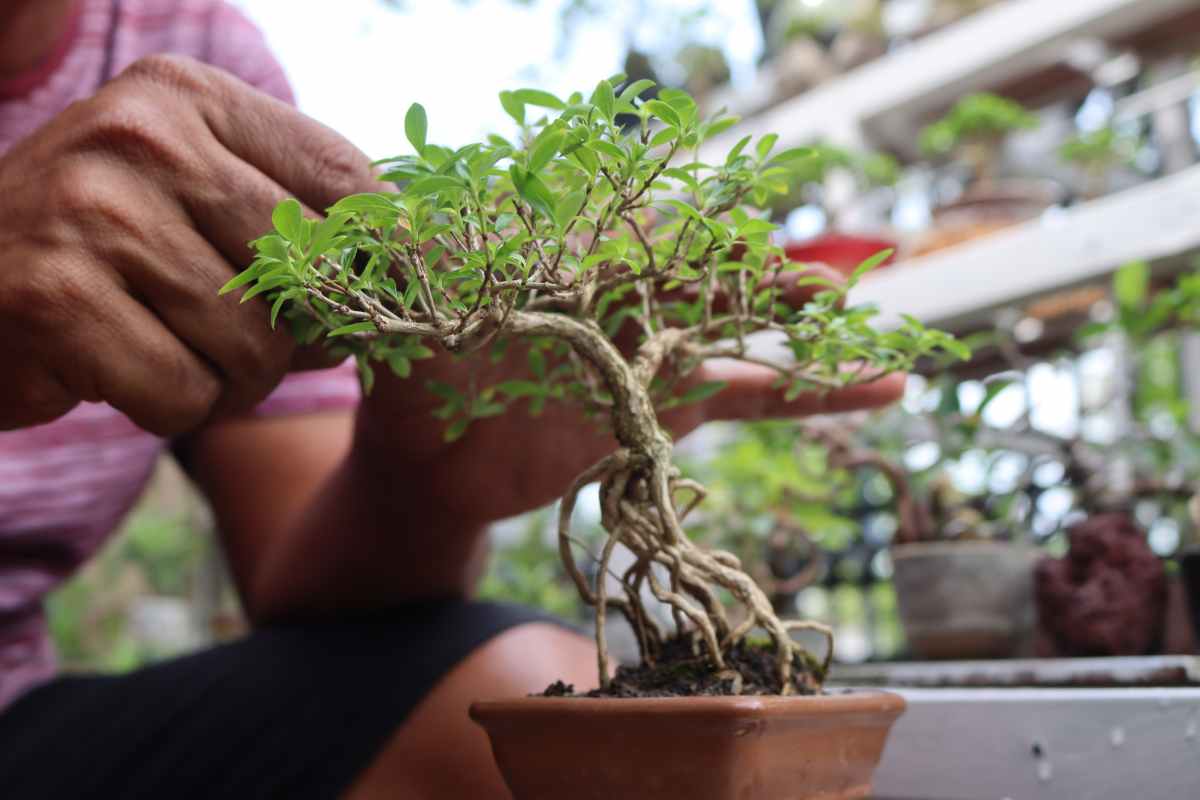
Getting started doesn't require an extensive collection of equipment, but a few quality tools make bonsai care much easier.
Basic supplies include:
- Bonsai pruning scissors
- Concave branch cutter (optional for beginners)
- Bonsai soil mix
- Watering can with a fine rose
- Bonsai fertilizer
- Wire for shaping branches
- Drainage trays
Investing in good tools helps you care for your bonsai more accurately while reducing stress on the tree.
Common Mistakes to Avoid
Many bonsai problems come from treating every species the same way.
Some of the most common mistakes include:
Keeping Outdoor Species Indoors
This is one of the leading reasons bonsai decline. Trees like junipers and pines need seasonal weather and should not live inside permanently.
Overwatering
Water only when the soil begins to dry rather than following a fixed schedule.
Not Providing Enough Light
Insufficient sunlight weakens growth, reduces leaf size, and makes trees more vulnerable to pests.
Ignoring Humidity
Indoor bonsai often struggle in dry homes, especially during winter heating season.
Choosing a Tree That Doesn't Match Your Lifestyle
Select a species that fits your growing conditions instead of choosing based solely on appearance.
Practical Checklist Before Buying Your First Bonsai
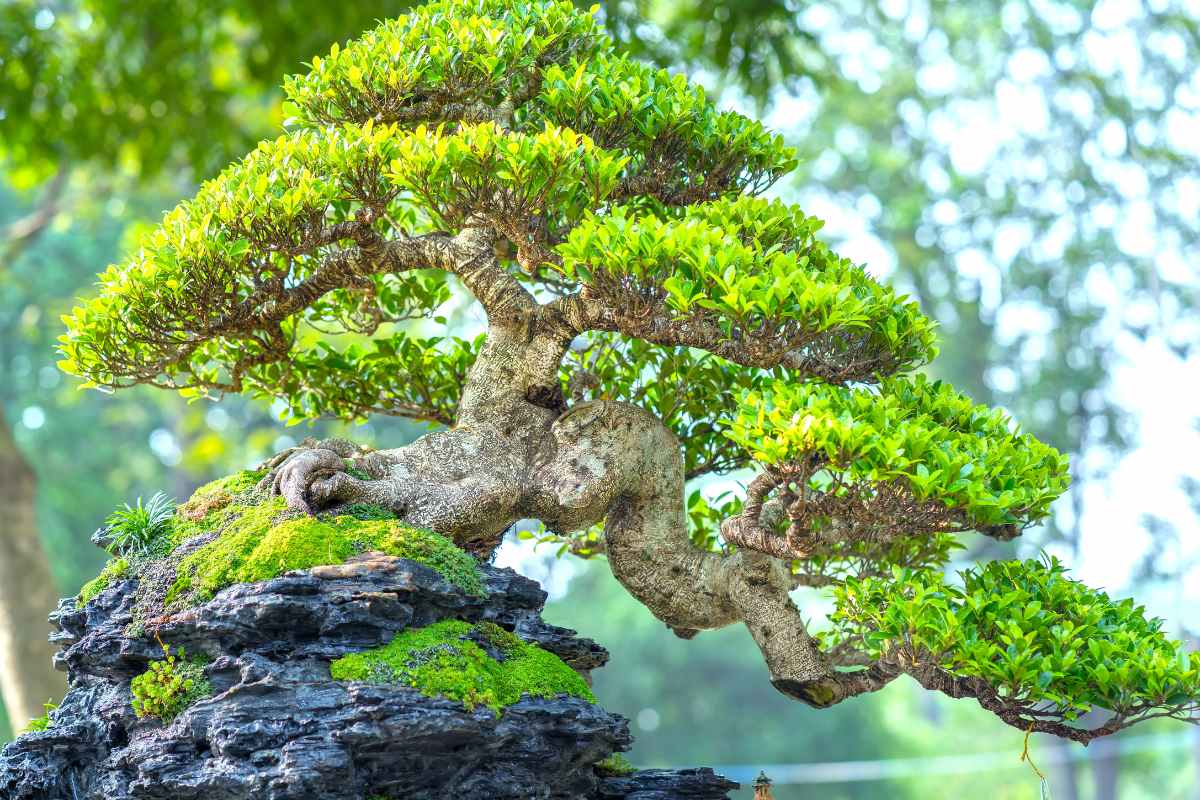
Use this quick checklist to make a confident choice:
- ✔ Determine whether your bonsai will live indoors or outdoors.
- ✔ Research species suited to your local climate.
- ✔ Make sure you have adequate sunlight available.
- ✔ Purchase proper bonsai soil instead of regular potting mix.
- ✔ Learn the watering needs of your chosen species.
- ✔ Be prepared for regular pruning and seasonal care.
Starting with the right expectations makes bonsai care much more enjoyable.
Closing
Both indoor and outdoor bonsai trees can become stunning living works of art when they're matched with the right environment. The key is understanding the natural needs of your chosen species instead of trying to make every bonsai fit the same conditions.
Take time to choose a tree that suits your home, climate, and lifestyle, and you'll be rewarded with a beautiful companion that can thrive for many years.
— Emily
More Gardening Tips 👇🏼👇🏼