
How to Start a Worm Farm in 4 Steps (Vermiculture Made Easy)

Worm farming, or vermiculture, is an eco-friendly way to recycle organic waste and enrich your garden soil.
Imagine turning kitchen scraps into nutrient-rich compost, all while reducing landfill waste.
If you're looking for a sustainable gardening solution, starting a worm farm is a fantastic way to go.
Get Your Garden Growing – Discover Essential Gardening Tools and Supplies!


In just four simple steps, you can create your own worm farm and begin harvesting nutrient-packed worm castings for your plants.
Let's dive in and see how you can get started!
Step 1: Choose the Right Worms
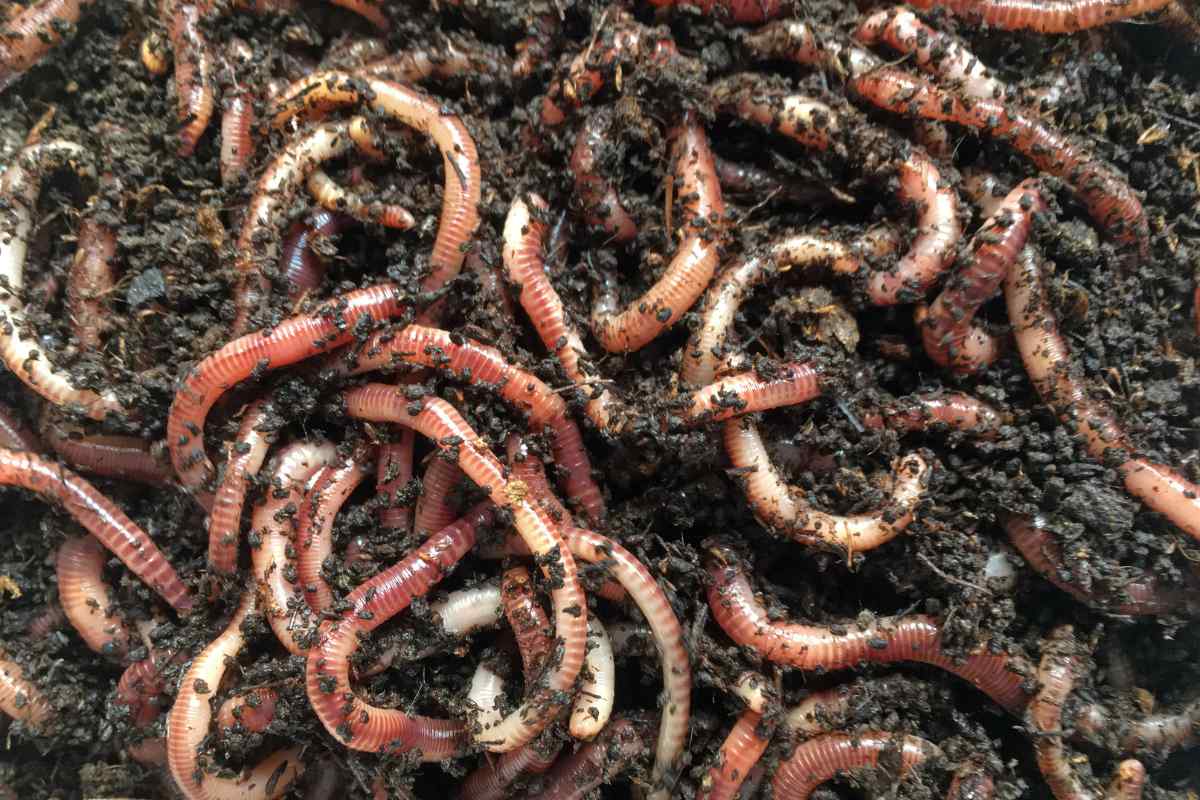
The first step to a successful worm farm is choosing the right worms.
Red wigglers (Eisenia fetida) are the most popular choice for composting because they thrive in organic waste and are highly efficient at breaking it down.
These worms are easy to find at local bait shops, online retailers, or even composting centers.
When selecting your worms, keep in mind that you'll need about 1 lb (approximately 1,000 worms) for every square foot of your worm bin.
Tip: Red wigglers are different from earthworms, so avoid using garden soil worms, as they prefer deep soil and are less effective in a composting environment.
Step 2: Select a Suitable Container
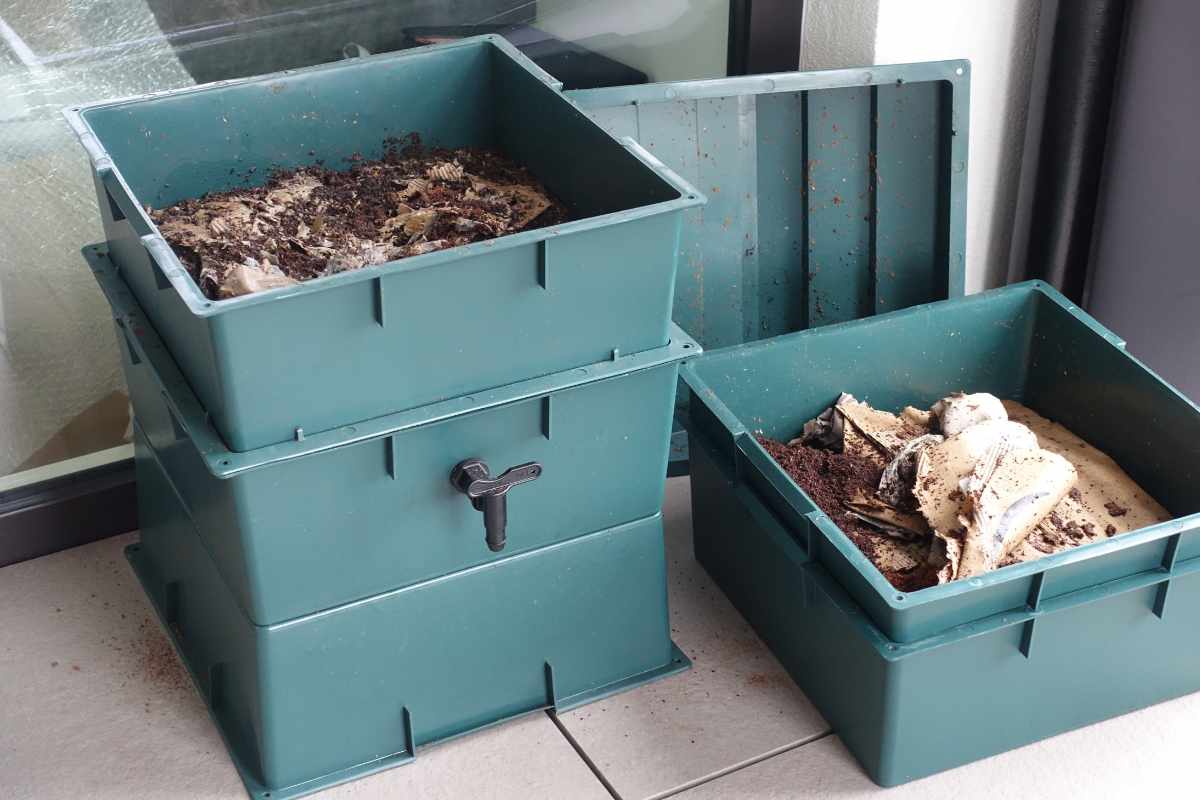
Choosing the right container is crucial for creating a comfortable home for your worms.
Worm bins come in various shapes and sizes, from simple plastic bins to wooden boxes, depending on your preference.
The size of your container should be based on how much organic waste you plan to compost each week.
As a general rule, aim for 1 square foot of surface area per 1 lb of worms.
Here are a few container options to consider:
Plastic bins: Easy to find and affordable, these bins can be stacked for space efficiency.
Wooden boxes: More breathable, wooden bins are great for natural ventilation but might need extra care to avoid moisture loss.
DIY bins: You can also build your own bin with simple materials, ensuring proper ventilation and drainage.
Tip: Drill small holes at the bottom of your bin to allow for drainage and prevent your worms from drowning in excess moisture.
Step 3: Prepare the Bedding
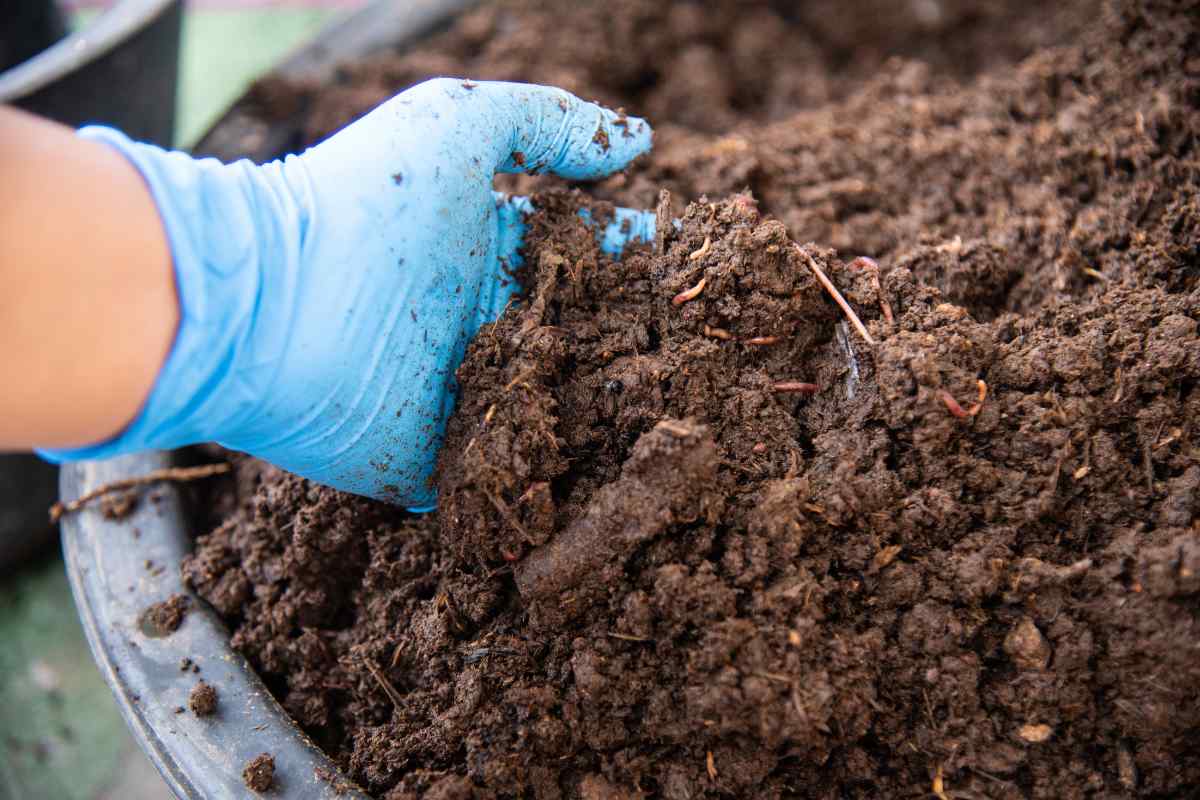
Worms need a moist, comfortable environment to thrive, and that’s where bedding comes in.
A good bedding mix provides worms with both moisture and aeration while allowing them to burrow comfortably.
The best bedding materials include:
Shredded newspaper (avoid glossy paper)
Coconut coir
Shredded cardboard
Peat moss
Once you’ve chosen your bedding material, soak it in water until it’s damp but not soaking wet, and fluff it up to allow for airflow.
Fill your bin about halfway with bedding, making sure it's moist enough to maintain humidity but not too wet.
Tip: Keep the bedding damp, but not soggy. If it’s too wet, the worms could drown. If it's too dry, they might not be able to digest food properly.
Step 4: Feed and Maintain Your Worm Farm
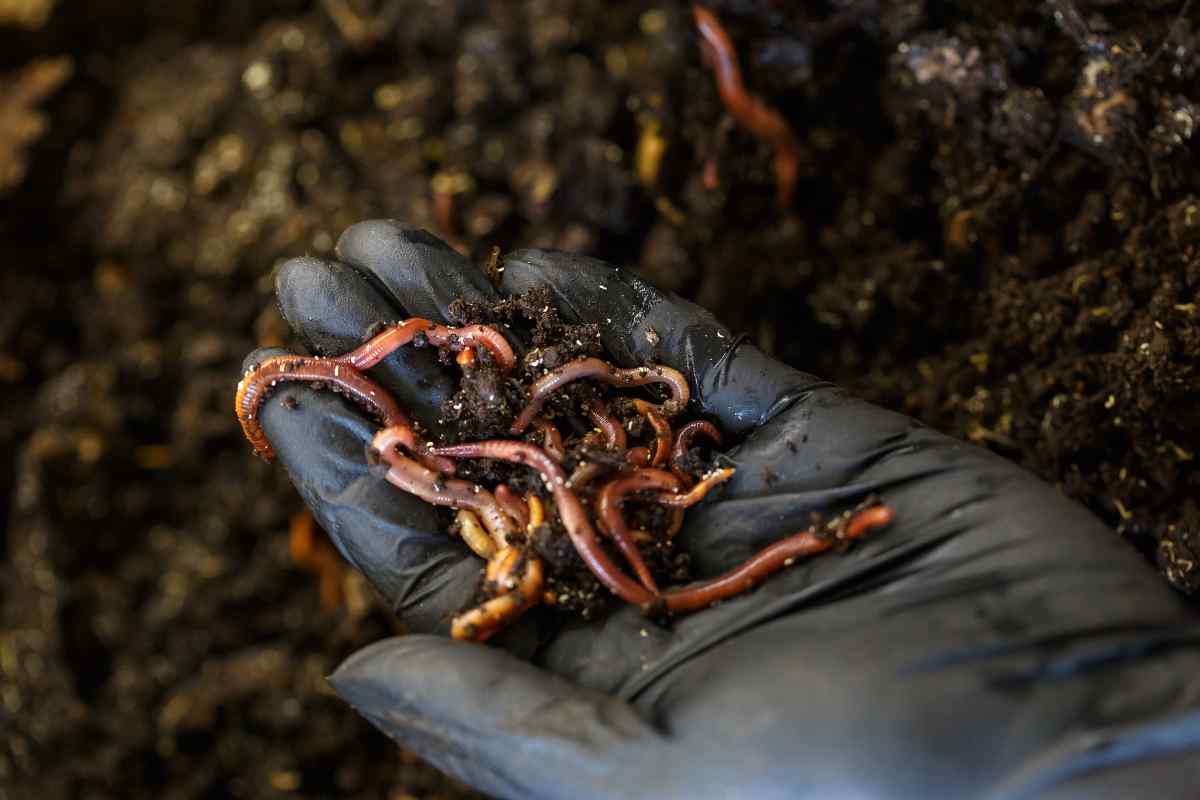
Now that you have your worms and bedding set up, it’s time to start feeding them!
Worms eat organic material, turning food scraps into rich compost. Here's what you can feed them:
Fruit and vegetable scraps (avoid citrus and onions, as they can be too acidic)
Coffee grounds and tea bags
Crushed eggshells for added calcium
Shredded paper or cardboard as extra bedding and fiber
Avoid feeding your worms meat, dairy, or oily foods, as these can cause odors and attract pests.
It’s best to chop up food scraps into smaller pieces to make them easier for the worms to consume.
Tip: Maintain proper moisture and temperature. Keep your worm bin in a cool, dark place (ideally between 55°F and 77°F or 13°C to 25°C). Too much heat can stress out your worms.
Final Thoughts
Starting a worm farm is an easy and rewarding way to compost your organic waste while enriching your garden soil.
By following these four simple steps, you’ll create a thriving ecosystem that will help your plants flourish.
Plus, you’ll be contributing to a more sustainable environment by reducing waste and promoting natural fertilization.
Enjoy This Video Tutorial About Vermiculture

source: City of Sydney
Don’t forget to Subscribe to our Newsletter to receive amazing tips and tricks about Gardening and the FREE Ebook Green Living Strategies!
Did you find this post Useful or Inspiring? Save THIS PIN to your GARDENING Board on Pinterest! 😊

Once again, thank you for visiting our website!
We hope you've enjoyed exploring the content we've created for you.
Give yourself the chance to learn, get inspired, and have even more fun, keep browsing...
""
Last update on 2025-12-19 / Affiliate links / Images from Amazon Product Advertising API

More Gardening Tips 👇🏼👇🏼