
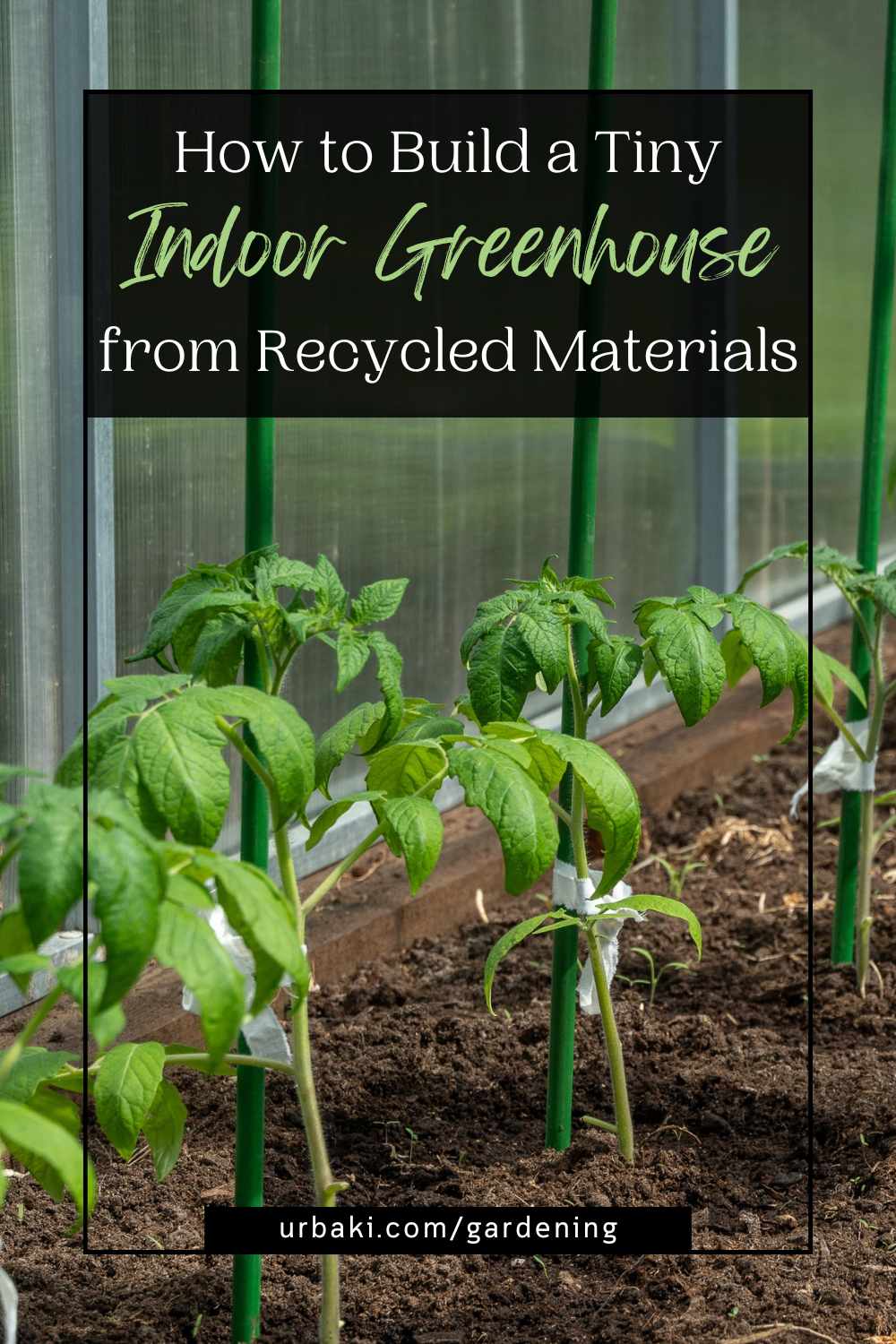
How to Build a Tiny Indoor Greenhouse from Recycled Materials

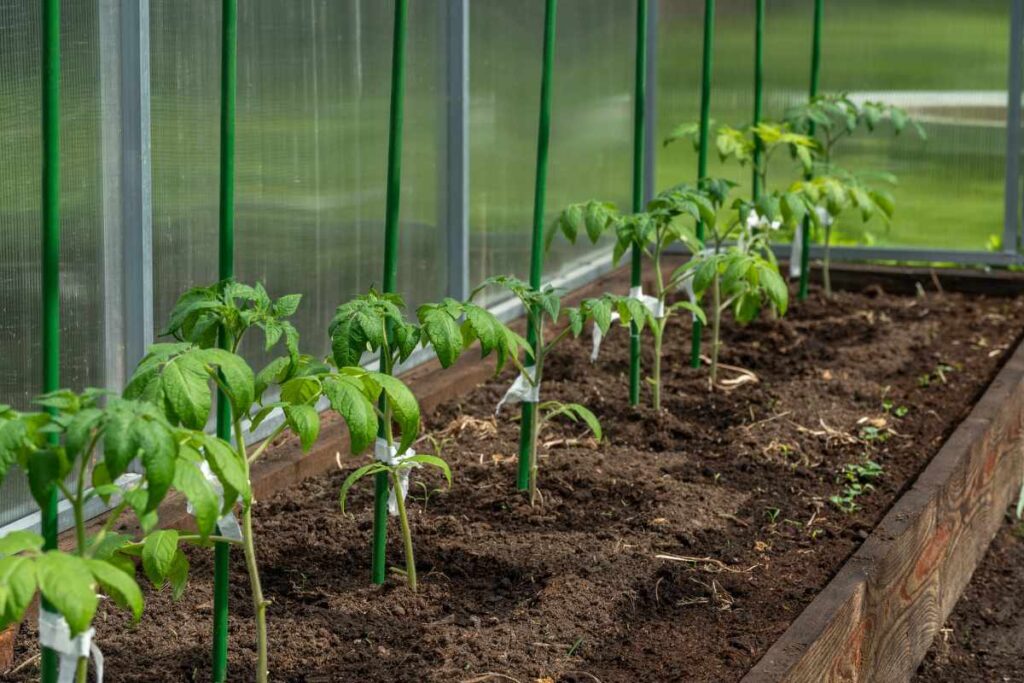
Creating a small greenhouse indoors doesn’t have to be expensive or complicated. By reusing everyday materials, you can build a functional and attractive mini greenhouse that protects seedlings, nurtures herbs, and even brightens your living space.
This project is not only budget-friendly but also eco-conscious, giving a second life to items that might otherwise end up in the trash. With a little creativity, you can have a productive garden corner inside your home, no matter the season.
Understanding the Purpose of Your Mini Greenhouse
Before gathering supplies, it’s helpful to know what you want your indoor greenhouse to achieve. Some gardeners use them for starting seeds early, while others enjoy growing herbs and leafy greens year-round.
Determining the purpose will guide your design choices, including size, materials, and location. If your goal is to grow delicate plants, you may need a structure with better insulation and controlled airflow. For more robust crops, a simpler setup will suffice. Knowing the end use helps you create a space that works for both your plants and your home.
Choosing the Best Spot Indoors
Light and temperature are key factors in greenhouse success. Look for a location with ample natural light, such as a sunny windowsill, a glassed-in porch, or near sliding doors. If natural sunlight is limited, you can incorporate LED grow lights to give your plants the boost they need.
The area should also be away from cold drafts and direct heat sources, as temperature extremes can stress young plants. Accessibility matters too—placing the greenhouse where you can easily water and check your plants will make maintenance far easier.
Gathering Recycled Materials
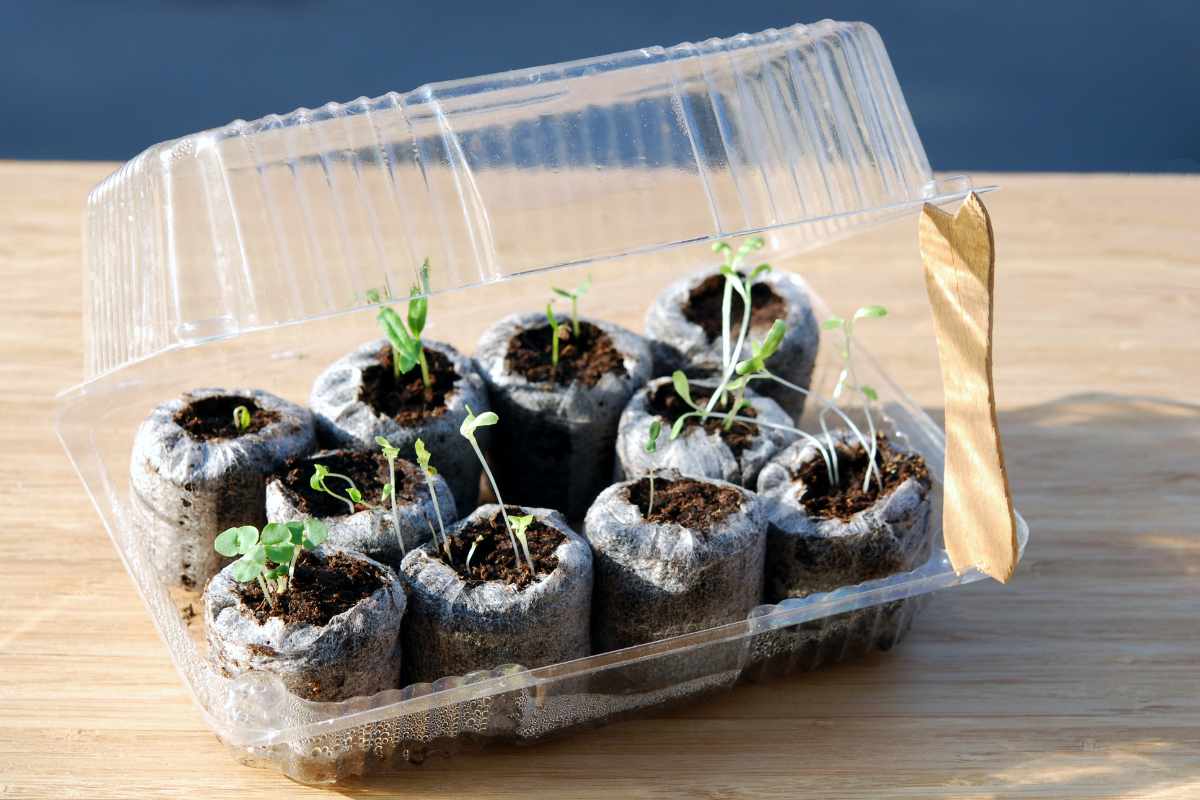
The beauty of this project lies in reusing what you already have. Clear plastic containers, old picture frames, and unused shelving units can all be transformed into greenhouse components. Transparent storage bins with lids make excellent seed-starting chambers, while wooden crates can form the base of your structure.
Even glass jars, beverage bottles, or old aquarium tanks can serve as protective covers for small plants. Before starting, clean and dry all materials to ensure they are safe for growing food or herbs.
Constructing the Frame
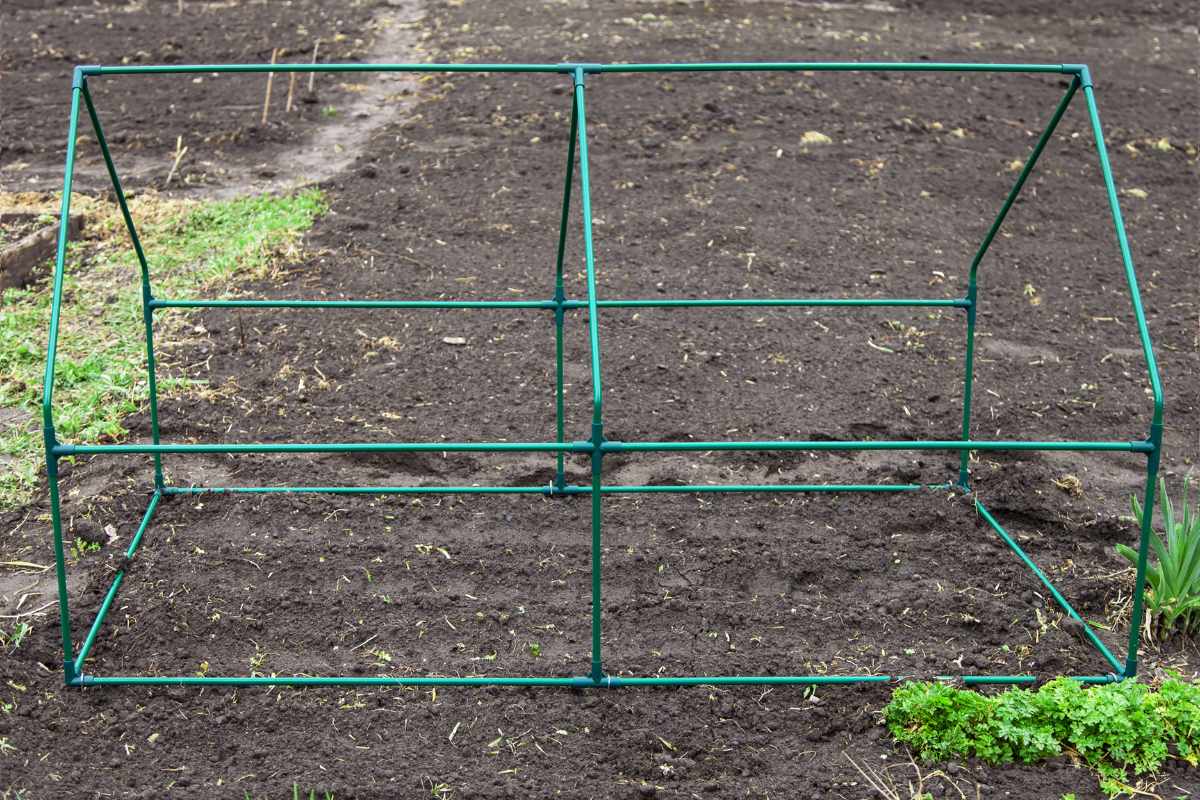
Your greenhouse frame provides stability and support. Old wooden pallets, metal racks, or disassembled furniture can be adapted into the framework. Arrange your chosen materials to create a sturdy structure with enough space for your plants to grow. For a basic tabletop model, an old wooden box fitted with transparent panels works well.
If you have a bit more room, stack lightweight shelves and cover them with clear plastic sheeting. Ensure there’s enough headspace for your plants and adequate access for watering and harvesting.
Creating Transparent Panels
To capture light while maintaining warmth, you’ll need clear coverings for the sides and top. Recycled glass from picture frames or windows offers a sturdy, long-lasting option. For a lighter structure, use cut-up soda bottles, clear food packaging, or shower curtains. Secure panels with tape, clips, or hinges so you can open them easily for ventilation.
Good airflow prevents mold and mildew while keeping your plants healthy. For small units, a simple lift-off lid made from a clear storage box works perfectly.
Managing Temperature and Humidity
Indoor greenhouses naturally trap warmth and moisture, but monitoring conditions ensures plants thrive. A small thermometer and humidity gauge can help you track the environment inside.
If heat builds up too much, open a panel or prop the lid slightly to allow fresh air in. For plants that prefer higher humidity, you can mist the interior with water or place a shallow dish of water inside. Finding the right balance creates an ideal microclimate without stressing your plants.
Adding Functional Details
Little extras can make your tiny greenhouse more efficient and enjoyable to use. Shelves inside help maximize vertical space, allowing you to grow multiple plant varieties. Hanging hooks can hold tools or spray bottles, while small trays catch excess water and prevent a mess.
You might even include decorative touches, such as painted wood or patterned fabric around the base, to help the greenhouse blend with your indoor décor. This personal touch turns your growing area into both a functional and attractive feature.
Selecting the Right Plants
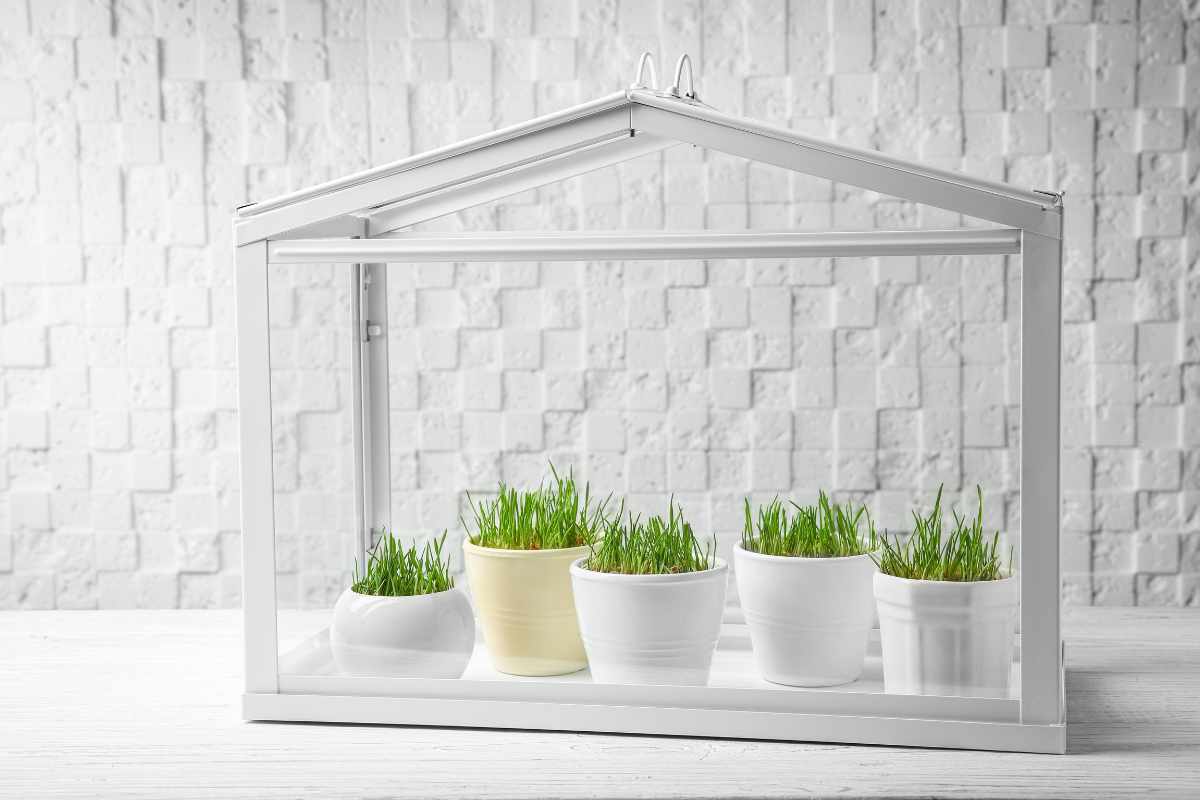
The beauty of a mini greenhouse is that it can host a variety of plants suited to your climate and preferences. Herbs like basil, parsley, and mint thrive in the consistent warmth, while leafy greens such as lettuce and spinach grow quickly and can be harvested repeatedly. For those who enjoy flowers, try marigolds or pansies for a burst of color.
Avoid overcrowding to give each plant space to develop. Rotating crops throughout the year keeps your indoor greenhouse productive and interesting.
Caring for Your Indoor Garden
Regular maintenance keeps plants healthy and your greenhouse in good condition. Check daily for signs of overwatering, pests, or disease. Trim dead leaves promptly to improve airflow and prevent rot.
Refresh potting soil between plantings to maintain nutrient levels. With consistent care, your small greenhouse can provide fresh greens, herbs, and flowers year-round, regardless of outdoor conditions. This ongoing attention also makes the gardening process more rewarding and keeps you connected to your plants.
A Sustainable and Rewarding Project
Building a tiny indoor greenhouse from recycled materials combines creativity, sustainability, and the joy of growing your plants. It’s an approachable project for beginners and a satisfying challenge for experienced gardeners. By repurposing what you already have, you reduce waste and save money, while adding a unique and productive element to your home.
Whether you’re starting seeds in winter or keeping fresh herbs within reach of the kitchen, this small-scale greenhouse can make a big difference in your gardening experience.
Did you find this post useful or inspiring? Save THIS PIN to your GARDEN Board on Pinterest!
More Gardening Tips 👇🏼👇🏼