
Side effects of eating unwashed fruit: how a small habit protects your everyday life

Why grabbing unwashed fruit feels harmless – but isn’t
An apple on your desk, a handful of grapes from the fridge, berries straight from the box on a busy morning — it all feels harmless. Most people grow up hearing that fruit is always good for you, so taking a bite without washing it barely registers as a decision at all. It is just a quick snack between meetings, on the way to the gym, or while you’re helping your kids with homework.
What usually stays out of sight is everything that touches that fruit before it gets to your hand. Soil, transport crates, store shelves, other people’s hands and shopping carts can all leave behind a thin, invisible layer of bacteria, viruses, parasites and pesticide residues. You do not see it, you do not smell it, and most of the time you might feel fine after eating unwashed fruit.
Problems start when this small habit repeats day after day. Side effects of eating unwashed fruit range from mild stomach discomfort to full-blown food poisoning, especially for children and anyone with a sensitive gut. The question is no longer “is it safe to eat unwashed fruit once?”, but whether it makes sense to keep taking that chance when a simple washing routine can quietly remove most of the risk.
What really happens when you skip washing your fruit
When you skip washing fruit, you are not just eating vitamins and fiber. You are also swallowing whatever is left on the skin after it has travelled from the farm to your kitchen. That can include soil particles, traces of manure, irrigation water, dust from roads, as well as bacteria like salmonella or E. coli and other microorganisms that cause foodborne illness. Even fruit that looks perfect and shiny can carry a mix of microscopic guests you would never invite to your plate.
Pesticide residues are another part of the story. Farmers use protective sprays to keep crops safe from insects and disease, and in many countries these products are strictly regulated. Still, tiny amounts can remain on the surface by the time the fruit reaches you. A single unwashed peach is unlikely to cause immediate poisoning, but regular exposure to residues and microbes together is not something you want to turn into a daily habit.
The side effects of eating unwashed fruit are not always dramatic. For some people they show up as a vague heavy feeling after a snack, a bit of nausea, or an afternoon spent with cramps and diarrhea that is easy to blame on “something I ate.” For children, older adults, pregnant women and people with weaker immune systems, the same germs can lead to more serious food poisoning, dehydration and a trip to the doctor. Washing fruit properly does not make life sterile, but it significantly reduces the chance that a quick bite will ruin the rest of your day.
From quick rinse to real protection: turning fruit washing into a daily ritual
For most people, washing fruit means holding it under the tap for a few seconds and moving on. It feels like enough, especially when you are hungry, tired after work, or trying to get your kids out the door. The problem is that a quick splash does not always remove the fine layer of dirt, microbes and residues that build up on the skin while fruit travels from fields to stores and then to your kitchen.
The easiest way to change this is to treat fruit washing as a small ritual, not an afterthought. Rinsing under running water, gently rubbing the surface, and giving a bit more attention to textured skins like apples, grapes or berries already cuts down a good part of what you do not want to eat. Many families set up a simple routine: unpack fresh produce, wash it right away and keep it ready to eat in a clean container so that healthy snacks are as convenient as anything else in the fridge.
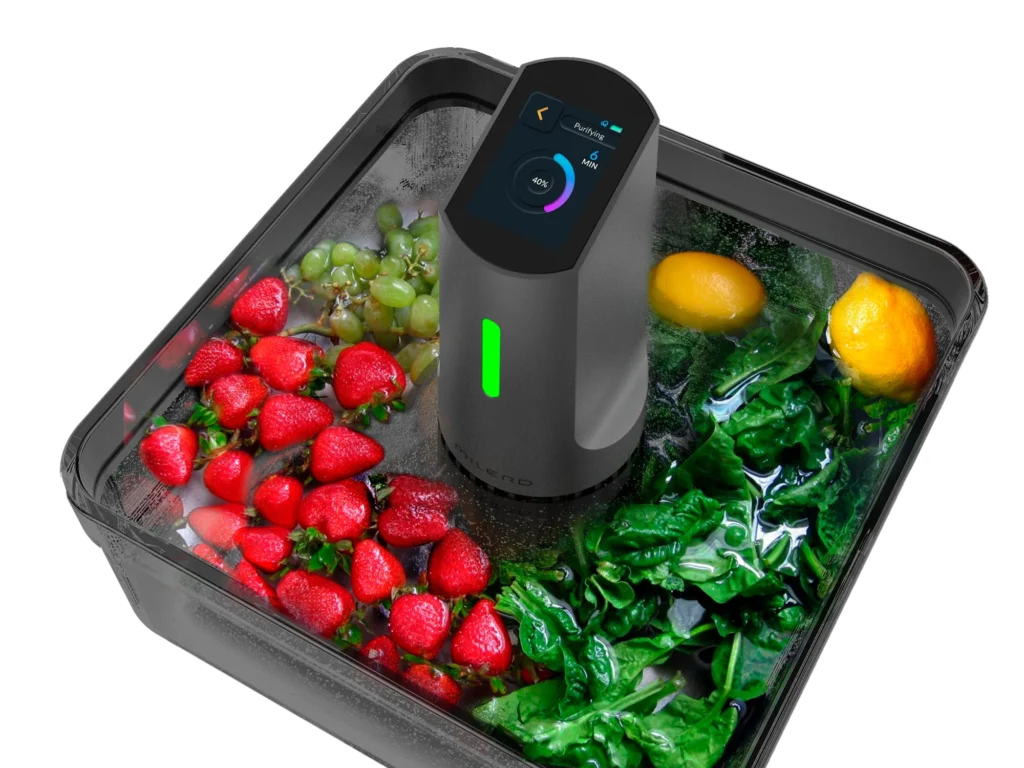
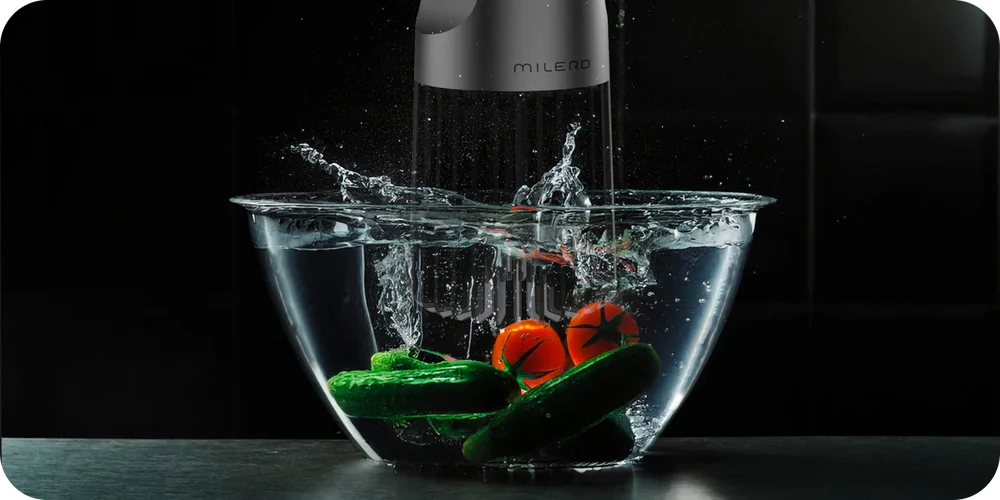
Some people also choose to go beyond tap water and bring technology into this routine. A compact food cleaner device can help reduce surface contamination more consistently, especially when you eat a lot of raw fruit and vegetables or have children and sensitive family members at home. With a smart food cleaner, washing does not depend on how long you hold fruit under the tap. You place it in a bowl, press a button, and let the device work while you prepare the rest of the meal. This turns careful washing from an occasional effort into a stable habit that quietly protects your everyday life.
Who is most at risk from unwashed fruit
Not everyone reacts to contaminated fruit in the same way. A healthy adult might feel only mild discomfort after eating unwashed fruit, while someone more vulnerable can end up with days of strong symptoms. That is why the same snack can be “nothing serious” for one person and a real problem for another.
Children are usually the first group at risk. Their immune systems are still developing, and they often eat fruit in small, frequent portions throughout the day. A few bites of unwashed berries or grapes can be enough to trigger stomach pain, nausea or diarrhea that drains their energy and worries their parents.
Pregnant women, older adults and people with weakened immune systems also need more protection. For them, foodborne illness is not just an unpleasant episode. Dehydration, high fever and repeated vomiting can be harder to manage and more dangerous, especially if there are existing health issues. When your body already works harder every day, even a single case of food poisoning adds extra stress.
Thinking in terms of risk does not mean you have to fear your fruit bowl. It simply shifts the mindset from “it looks clean, so it must be safe” to “I want the benefits of fresh fruit, not the hidden side effects.” A careful washing routine is a small adjustment that creates a safer default for everyone in the household, especially for those who cannot afford to “just wait it out” if something goes wrong.
How to wash fruit properly without overthinking it
Washing fruit well does not have to be complicated or time-consuming. It starts with a few simple habits. Before you even touch the fruit, wash your hands with soap and water. This prevents you from transferring germs from doorknobs, phones or keyboards straight onto the food you are about to eat. Then take a moment to look at each piece. If the skin is badly damaged or moldy, it is safer to cut away the affected part generously or throw it out.
For most fruits with smooth skins, such as apples, plums or pears, running water and a gentle rub are enough. Hold the fruit under a steady stream of cool water and rotate it in your hand while you rub the surface with your fingers. The goal is to loosen dirt and residues, not to scrub so hard that you damage the skin. You do not need soap or dishwashing liquid; they are not designed to be eaten and can leave their own film behind.
Textured or delicate fruits benefit from a slightly different approach. Grapes, cherries and berries can be placed in a colander and rinsed under running water while you gently move them around with your hand. Melons and other fruits with a thick rind should be washed before you cut them, because your knife can drag whatever is on the outside into the flesh. A soft brush reserved only for food works well on rough skins. Once you are done, dry the fruit with a clean towel or paper towel to remove any remaining droplets and reduce moisture on the surface.
The rest is about keeping your kitchen flow simple. Use separate cutting boards for raw meat and ready-to-eat foods like fruit. Clean knives and surfaces after preparing other ingredients, then bring out the washed fruit so it does not sit next to raw juices or crumbs. If you like to snack during the day, you can wash a batch of fruit in the morning and store it in a sealed container in the fridge. With a bit of planning, careful washing turns into an easy routine that fits naturally into your day instead of feeling like another chore.
A small daily habit for a calmer, healthier kitchen
Fresh fruit is meant to be a source of energy and pleasure, not a reason to worry about what might be hiding on the skin. When you turn washing into a simple, automatic step before eating, you take most of that worry out of the picture. Instead of wondering whether “this one time” will cause trouble, you know that whatever lands on your plate has already been through the same careful routine. That calm, confident feeling is just as important as the vitamins themselves.
Over time, this small habit shapes the way your whole kitchen works. You start to notice which surfaces stay clean, how you store food, and how your family moves around the space. Children grow up seeing that rinsing and preparing fruit properly is just what you do, not an optional extra for special occasions. For people with sensitive digestion or weaker immunity, this consistency becomes a quiet form of protection they can rely on every day.
Technology can support that mindset instead of replacing it. Companies like Milerd focus on making the invisible side of food safety easier to manage at home, so you do not have to choose between convenience and care. A few thoughtful steps, combined with tools that fit smoothly into your routine, let you enjoy the color, taste and comfort of fresh fruit with fewer doubts and a lot more peace of mind.
More Gardening Tips 👇🏼👇🏼