
Nasturtiums: The Plant You Must Grow! - Tips for Growing It


Nasturtiums Tips for Growing It is your friendly, no-fuss companion to get these cheerful blooms thriving.
If you’re curious about how to grow nasturtiums and want a practical nasturtium growing guide based on a clear video overview, you’re in the right place.
Below you’ll find what to expect from the video, why these plants deserve a spot in your beds and containers, and how to avoid the common pitfalls while keeping things simple and fun.
Why Nasturtiums Belong in Every Garden
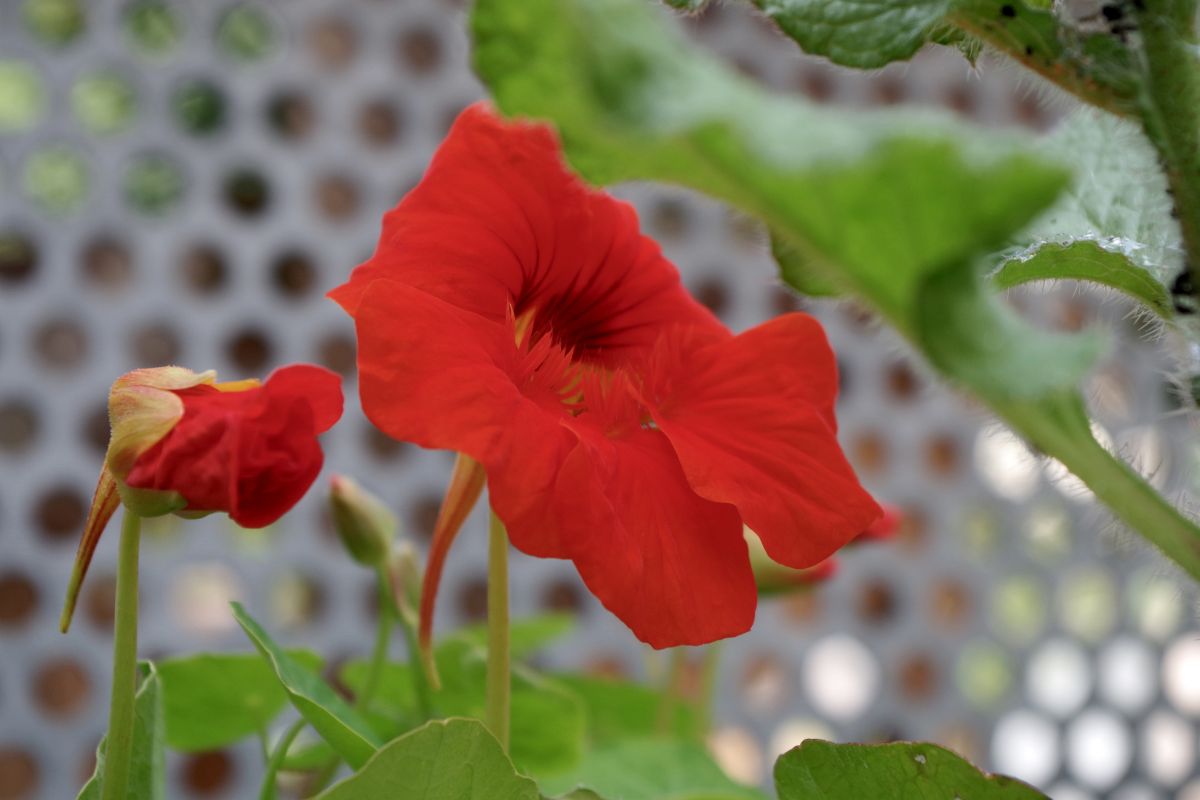
 Few plants bring as much color-for-effort value as the classic garden nasturtium. The peppery leaves and jewel-toned blooms add instant charm, and the edible petals make a lovely garnish.
In the video, you’ll see how easily nasturtiums flower from spring into summer with minimal fuss, rewarding you with a cascade of reds, oranges, and yellows.
If you’re thinking about nasturtiums in garden borders, they’re perfect for softening hard edges or filling gaps between perennials.
They’re also great companions around vegetables, where they can act as a visual beacon for pests—often sparing nearby greens. The footage highlights how their sprawling habit can decorate edges and raised beds elegantly.
And yes, a vibrant nasturtiums in summer garden display is absolutely possible even in heat. With decent soil drainage and regular watering, these plants flourish through warm spells while still looking lush and lively.
Nasturtiums Tips for Growing It: Quick Primer
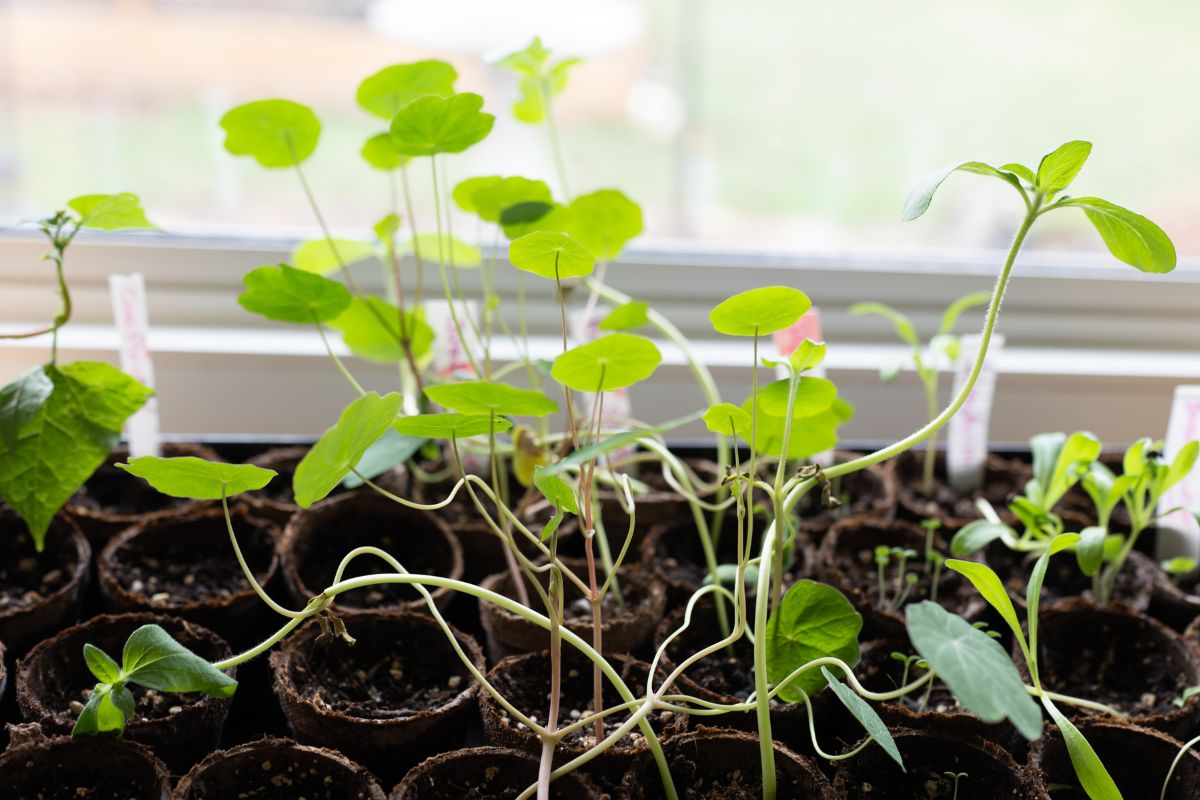
 Start with the basics of how to plant nasturtiums: they dislike root disturbance, so direct sowing is usually best. The video underscores this point by showing a simple, hands-on approach.
For planting nasturtium seeds, tuck them about 1/2 inch deep into loose, well-drained soil after frost has passed, then keep the area consistently moist until seedlings emerge.
As your plants take off, you’ll quickly understand why gardeners rave about nasturtium growing: the vines or mounding forms expand rapidly and bloom generously without heavy feeding.
If you’re still learning how to grow nasturtiums, remember that modest fertility often leads to more flowers; overly rich soil can push leafy growth at the expense of blooms.
This video works as a concise nasturtium growing guide for beginners: choose a sunny spot, sow when warm, water regularly, and avoid over-fertilizing. That’s the core recipe for a season of bright, edible color.
Containers and Small Spaces
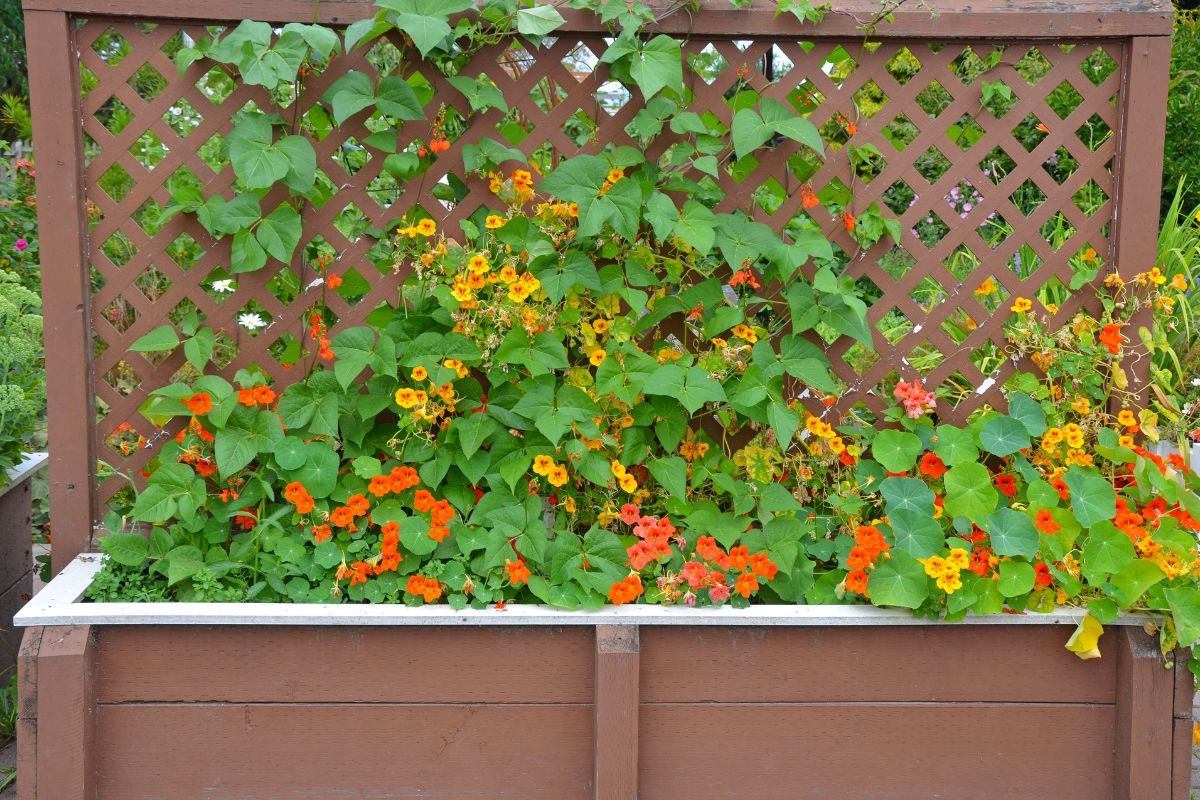 No garden beds? No problem. The tutorial shows nasturtium flowers in pots as a fast way to bring color to balconies and patios. Use a quality potting mix, ensure drainage holes are clear, and water when the top inch feels dry.
You’ll get a charming spill of blooms that trail over the rim.
If you’re growing nasturtiums in pots for the first time, choose a medium container and resist the temptation to overfeed. A balanced, diluted fertilizer every few weeks is plenty.
This keeps blooms coming without turning the plant into a leafy jungle.
Interested in vertical flair? Try a compact trellis for climbing nasturtium in pots. A few ties or clips guide the vines upward, saving floor space while creating a living curtain of flowers—ideal for privacy screens or colorful backdrops in small areas.
Care and Common Mistakes
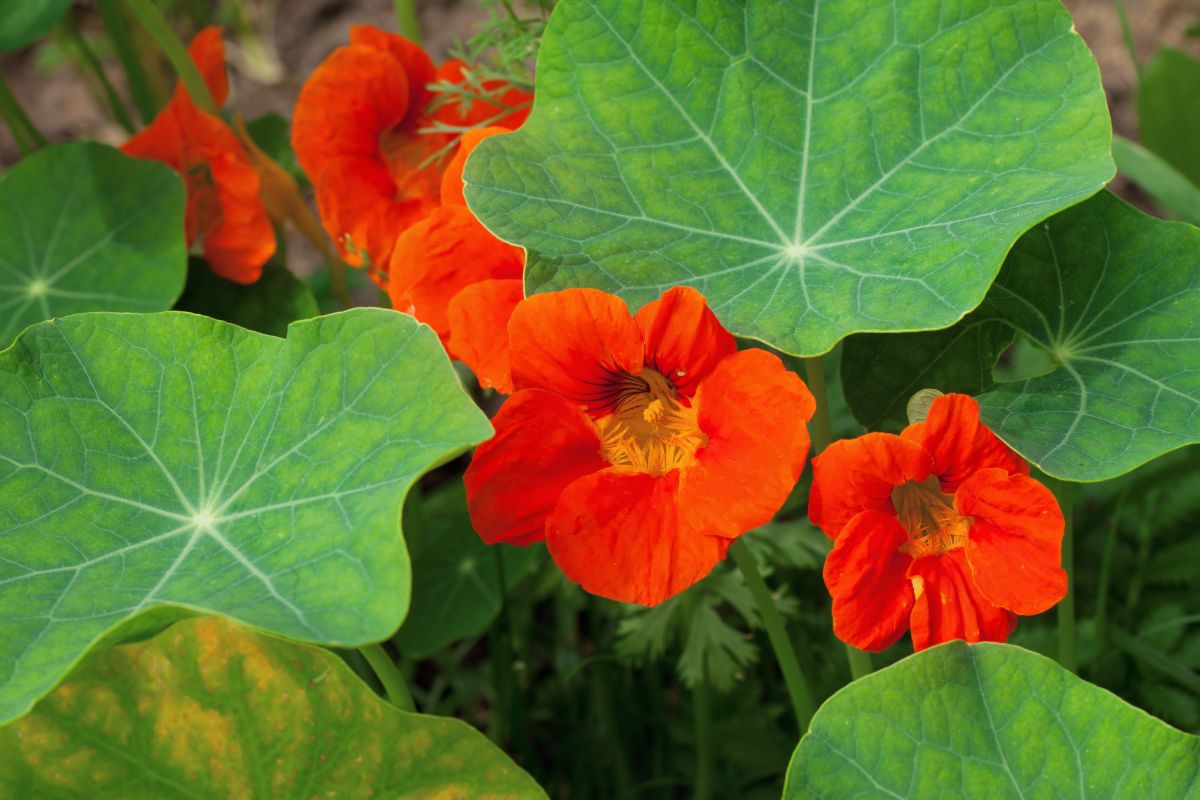 When it comes to nasturtiums care, watering rhythm and sunlight are your best tools. Aim for full sun to light shade and keep soil evenly moist—but not soggy.
Snip spent blooms to encourage fresh flushes, and harvest leaves or petals in the morning for the best flavor.
A frequent misstep is overfeeding. As the video notes, the less-is-more approach preserves blossoms. If pests appear, a quick rinse with water often does the trick; nasturtiums are resilient.
Keep these basics from the nasturtium growing guide in mind and you’ll enjoy steady color with minimal intervention.
Design Ideas You’ll Love
Looking for fresh nasturtium garden ideas? Pair hot-toned varieties with cool blues (like lobelia) for contrast, or let orange and yellow blooms echo terracotta pots for a warm Mediterranean vibe.
Edging a path with mounding types creates a welcoming, cottage-garden feel.
For edible landscapes, scatter nasturtiums near raised veggie beds. The vibrant petals liven up salads, and the rounded leaves add a peppery punch. Whether in beds or pots, these ideas make the most of your new nasturtium know-how.
Enjoy This Video Tutorial About Planting Flowers
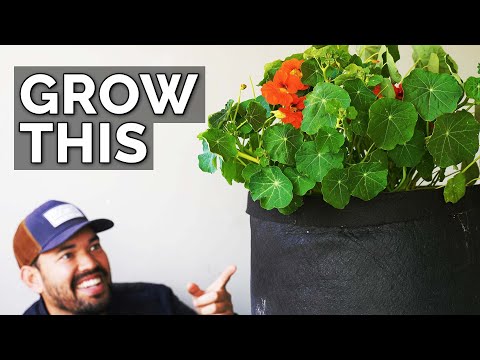
Source: Epic Gardening
Don’t forget to Subscribe to our Newsletter to receive amazing tips and tricks about Gardening and the FREE Ebook Green Living Strategies!
Did you find this post Useful or Inspiring? Save THIS PIN to your GARDENING Board on Pinterest! 😊

Once again, thank you for visiting our website!
We hope you've enjoyed exploring the content we've created for you.
Give yourself the chance to learn, get inspired, and have even more fun, keep browsing...
More Gardening Tips 👇🏼👇🏼