
Natural Solutions to Stop Leaf Miner Damage

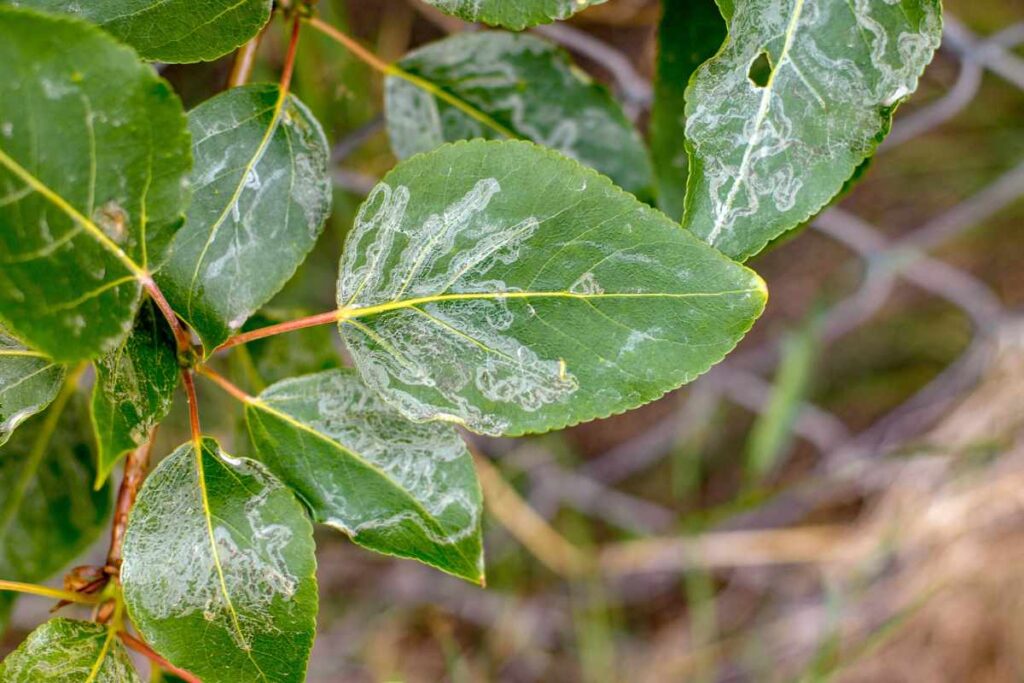
Leaf miners are tiny yet persistent pests that can quickly ruin the appearance and health of your plants.
Recognizable by the winding, silvery trails they leave behind on leaves, these pests live inside the foliage, making them harder to reach than typical surface insects.
While the damage they cause is often more cosmetic than fatal, a severe infestation can weaken a plant over time.
Knowing how to deal with leaf miners using eco-friendly and functional solutions can help restore your garden’s health and beauty without harming the surrounding ecosystem.
Understanding the Problem
Leaf miners aren’t a single insect species—they're the larval stage of several types of flies, beetles, or moths.
What they have in common is their tendency to tunnel between the upper and lower layers of a leaf, feeding on the tissue and leaving irregular trails behind.
Common host plants include vegetables like spinach, beets, tomatoes, and ornamental plants like columbines or citrus.
Because they live inside the leaf, traditional sprays often don’t work, and aggressive treatment can do more harm than good. That’s why targeted and natural methods are key.

Removing Affected Leaves Early
The simplest and most effective method for small infestations is to remove and dispose of infested leaves as soon as you spot them. This interrupts the pest’s life cycle and prevents larvae from maturing into adults, which would lay more eggs.
Be sure to discard the leaves in a sealed bag away from your garden—don’t compost them, or you risk reintroducing the pests. Frequent inspections during the growing season help you stay ahead of any new outbreaks before they spread.
Using Neem Oil as a Natural Treatment
Neem oil is one of the most trusted organic pest control solutions and works well against leaf miners. It doesn’t kill the larvae on contact but disrupts their growth and feeding behavior, eventually reducing the population.
When applied consistently, it offers long-term suppression without harming beneficial insects when used carefully.
Spray the oil directly onto the leaves, focusing on the undersides and areas with visible trails. Reapply every 7–10 days, especially after rain. For best results, apply it early in the morning or late afternoon to avoid leaf burn.

Introducing Beneficial Insects
Nature provides its pest control in the form of beneficial insects like parasitic wasps. These tiny helpers lay their eggs inside or on the leaf miner larvae, stopping them before they can mature.
These wasps are harmless to people and other plants but highly effective against miners.
You can attract them by planting flowers like dill, fennel, or yarrow nearby, or by purchasing them from garden suppliers.
Creating a habitat for natural predators helps your garden develop a more balanced and resilient ecosystem over time.
Floating Row Covers for Prevention
For vegetable gardens, floating row covers are a great physical barrier.
These lightweight fabrics protect plants from adult insects that lay eggs on the leaves while still allowing air, sunlight, and water to pass through.
Use row covers during the early growing season and remove them once flowering begins to allow for pollination. Be sure the edges are sealed to prevent insects from sneaking underneath.
This method is especially helpful for leafy greens and seedlings.

Avoid Over-Fertilizing
Overfeeding your plants with nitrogen-rich fertilizers can make them more attractive to leaf miners. Lush, tender growth provides a perfect environment for larvae to thrive.
Instead, opt for a balanced, organic fertilizer and feed moderately.
Keeping plants healthy through compost, mulching, and regular watering creates strong, resilient foliage that’s better equipped to recover from damage and resist pests.
Encourage Crop Rotation and Diversity
If leaf miners are a recurring issue in your garden, practicing crop rotation can make a big difference. Don’t plant the same type of crop in the same spot year after year.
This breaks the pest cycle by removing their preferred food source.
Mixing crops or planting companion species can also confuse and repel adult insects. Marigolds, basil, and garlic are known to help keep leaf miners at bay when planted near susceptible vegetables.
When to Use Organic Sprays
In cases where infestations are severe and other methods aren’t enough, you may consider using organic insecticides that are designed for leaf miners, such as spinosad.
Derived from natural bacteria, it targets larvae while being relatively safe for beneficial insects when applied correctly.
Use these products with care—only in the early morning or late evening, and never during peak pollinator activity. Always follow the label instructions to avoid unintended side effects.

Patience and Consistency Pay Off
Leaf miners can be stubborn, but with a bit of persistence and a gentle, eco-conscious approach, you can manage them effectively.
No single method works overnight, but combining leaf removal, natural deterrents, and beneficial insects builds a stronger, healthier garden over time.
Regular observation and early intervention are your best tools.
The more in tune you are with your plants, the easier it is to spot problems before they escalate and respond in a way that supports the overall ecosystem of your growing space.
Did you find this post useful or inspiring? Save THIS PIN to your GARDEN Board on Pinterest!
More Gardening Tips 👇🏼👇🏼