
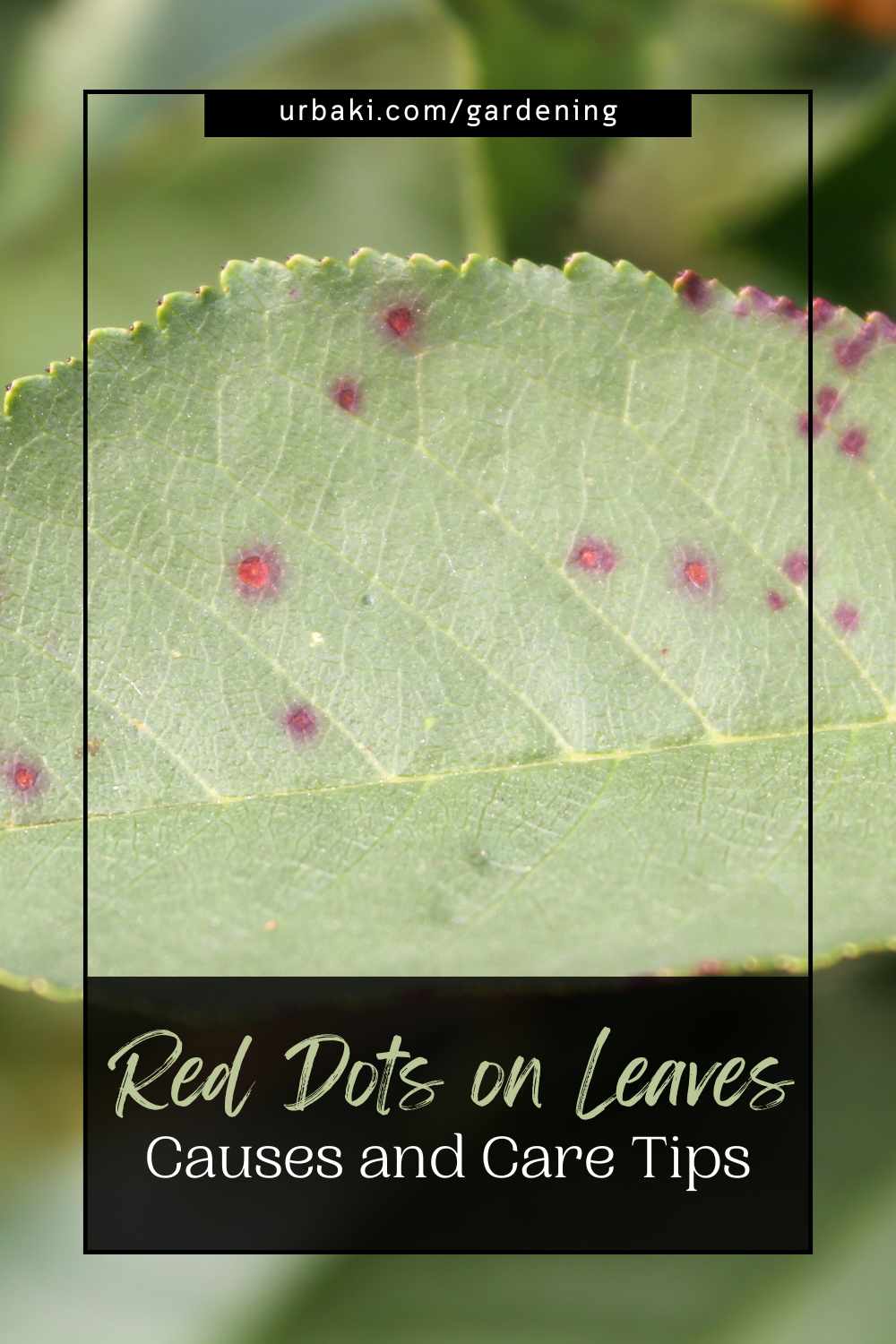
Red Dots on Leaves - Causes and Care Tips

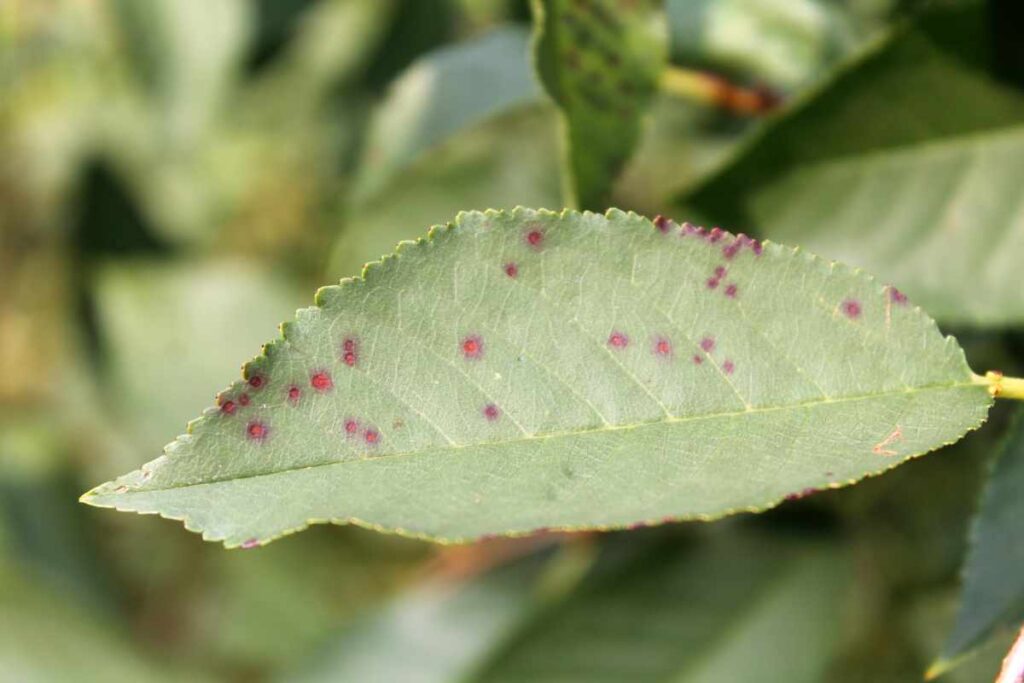
Gardening often brings surprises, and spotting unexpected red dots on your plants’ leaves can be both intriguing and concerning. These tiny marks may indicate a range of issues, from harmless natural features to signs of pests or diseases.
Knowing what causes these red spots helps you care for your plants better and maintain a healthy garden.
Red dots appearing on leaves can result from various factors, including environmental stress, pest infestations, fungal infections, or even plant genetics.
Identifying the cause involves observing additional symptoms and considering your plant’s overall condition and environment.
Insect Activity and Red Dots
One common reason for red spots is insect presence. Certain tiny pests, such as spider mites, leave reddish marks or stippling on leaf surfaces as they feed on plant sap.
These minute creatures are often hard to see with the naked eye but cause visible damage.
Another insect culprit is the red spider mite, which thrives in dry, warm conditions.
Their feeding punctures the leaf tissue, resulting in tiny red or rust-colored spots that may eventually cause leaf yellowing or drop if untreated.
Fungal Diseases Causing Red Spots
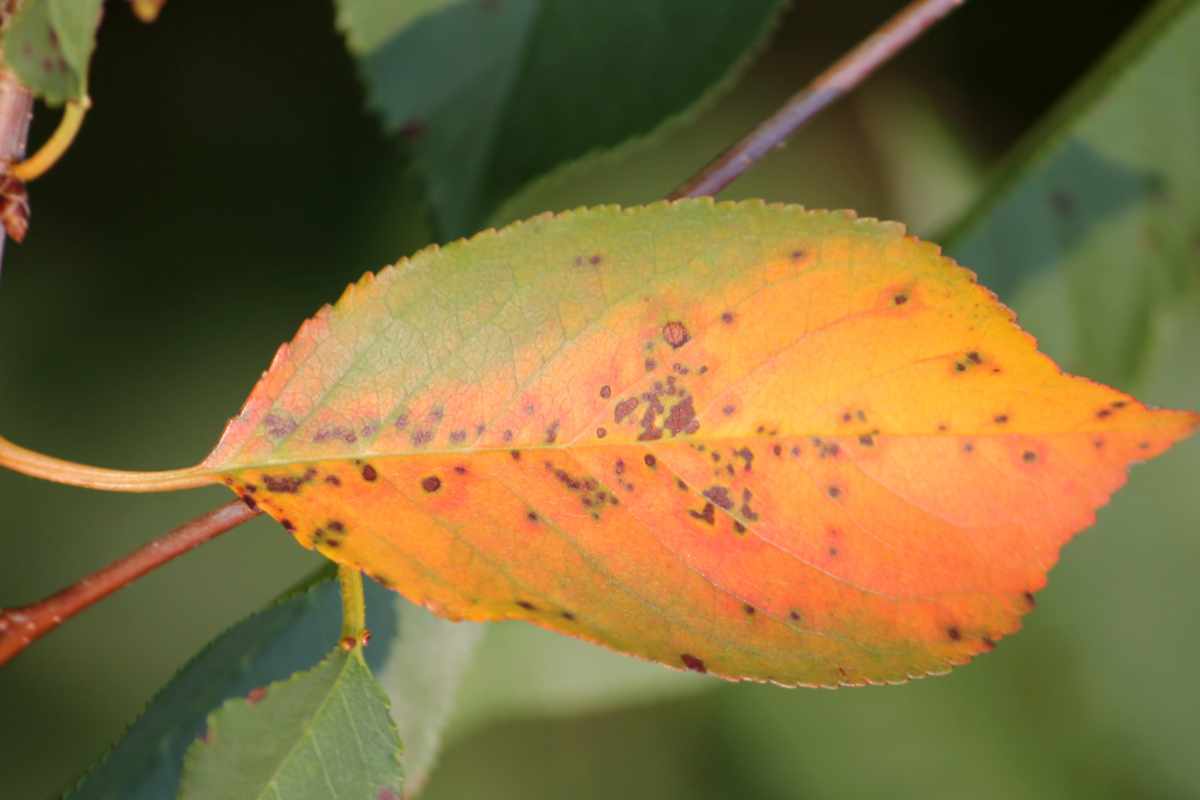
Fungi are frequent invaders in gardens, especially when humidity is high. Some fungal diseases produce red or reddish-brown spots on leaves as part of their progression.
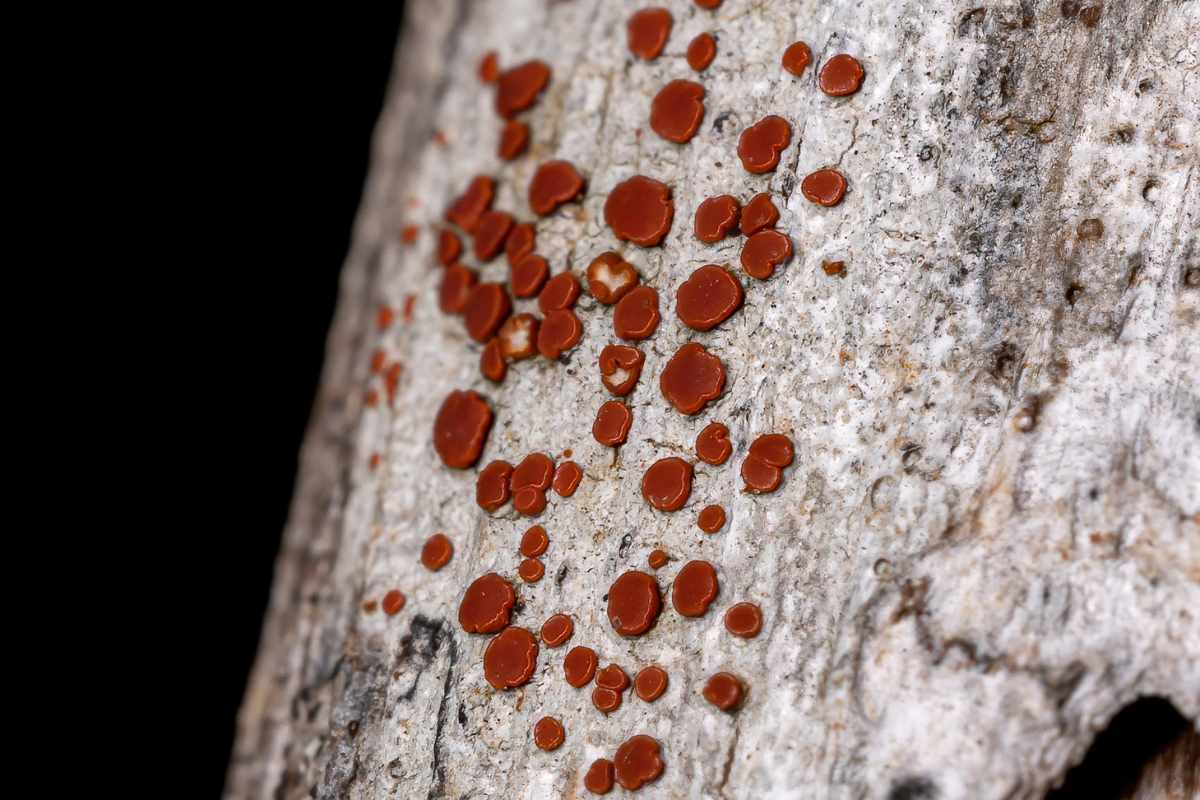
For example, rust fungi create pustules or spots that release spores and may have a powdery appearance.
Leaf spot diseases, caused by various fungal pathogens, can manifest as round red spots with distinct borders.
These infections may spread quickly in dense foliage or wet conditions, stressing the plant and reducing photosynthesis.
Environmental Stress and Physical Damage
Sometimes, red spots appear due to non-biological causes. Environmental stress, such as sunburn, nutrient deficiencies, or chemical exposure, can cause localized discoloration.
For instance, excessive sunlight may cause leaf tissue to develop red or purple spots as a protective response.
Physical damage from wind, handling, or insects other than sap-feeders can also create red marks that later dry and darken.
Observing the plant’s surroundings and care routine helps distinguish these causes from disease or pests.
Natural Plant Characteristics
Certain plants naturally develop red or purple dots on their leaves due to pigmentation or genetic traits.
Anthocyanins, pigments responsible for red and purple hues, may accumulate as part of a plant’s adaptation to light or temperature.
For example, some varieties of coleus or ornamental plants have colorful leaf patterns that include red spots or blotches, which are perfectly normal and part of their decorative appeal.
How to Identify the Cause Accurately
Diagnosing red spots requires careful inspection. Check the size, shape, and distribution of the dots, and note any other symptoms such as leaf curling, yellowing, or the presence of insects.
Using a magnifying glass can reveal tiny pests like mites or eggs.
For fungal infections, look for fuzzy growth or powdery textures on the leaf underside. Assess environmental factors such as watering habits, sun exposure, and recent use of fertilizers or pesticides.
Taking clear photos and consulting gardening resources or local extension services can provide additional guidance.
Managing and Preventing Red Spots
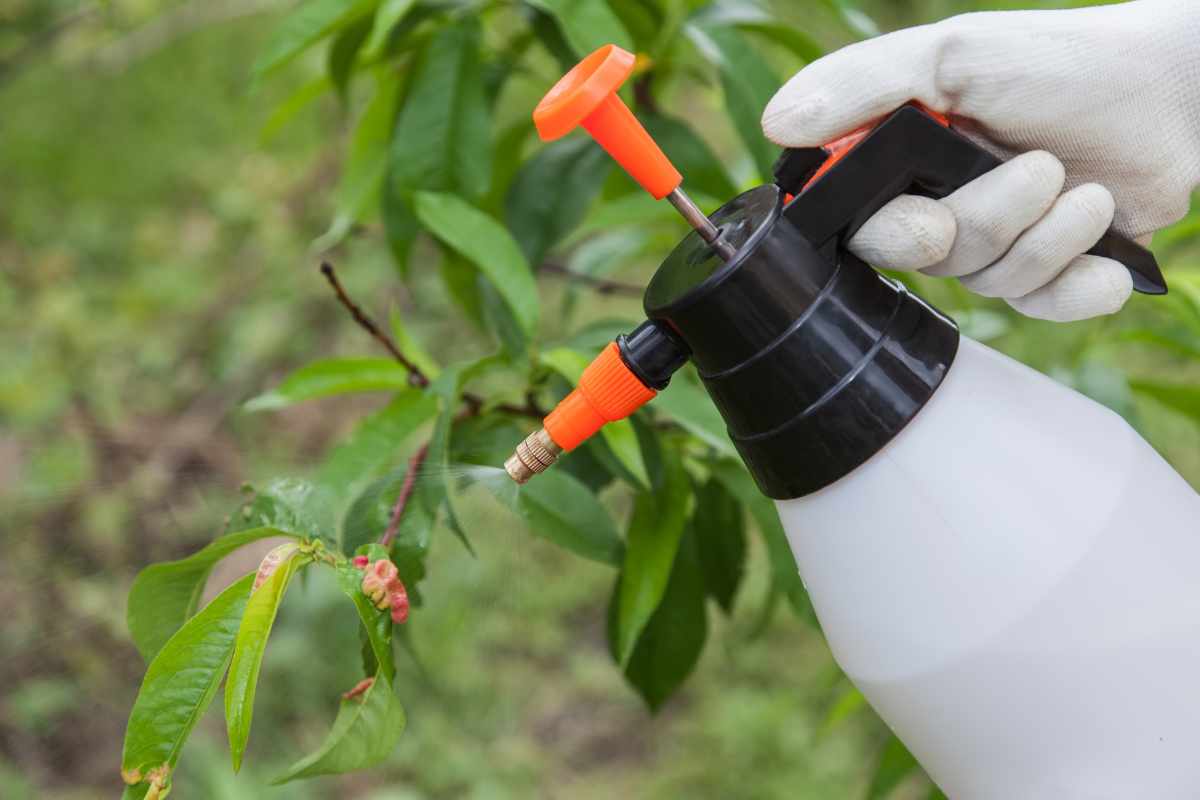
Treatment varies depending on the cause. For pests, insecticidal soaps or neem oil are effective and environmentally friendly options. Regularly cleaning leaves and improving air circulation reduces pest habitats.
Fungal diseases often require fungicides or the removal of affected leaves to prevent spread.
Avoiding overhead watering and ensuring proper spacing between plants helps reduce moisture buildup.
Addressing environmental causes involves adjusting sunlight exposure, correcting nutrient imbalances, and minimizing mechanical damage.
Maintaining Healthy Leaves for a Thriving Garden
Healthy leaves indicate a flourishing plant. Regular monitoring, proper watering, and balanced fertilization support strong foliage less prone to damage. Mulching and soil care contribute to overall plant resilience.
Incorporating companion plants that repel pests or attract beneficial insects can naturally protect your garden.
Diverse planting and good garden hygiene also minimize disease risks.
Did you find this post useful or inspiring? Save THIS PIN to your GARDEN Board on Pinterest!
More Gardening Tips 👇🏼👇🏼