
What Can I Use to Catch a Snail? Simple Solutions


Snails might be charming in storybooks, but in the garden, they’re anything but. These slow-moving creatures can cause rapid damage to leaves, stems, and even young fruits overnight.
Whether you're growing lettuce, strawberries, or tender seedlings, a single snail can undo hours of hard work.
Thankfully, you don’t need harsh chemicals or complicated traps to protect your plants. There are multiple methods you can try at home using everyday items or natural deterrents.
Let’s explore what works when it comes to catching these persistent garden pests.
Understanding Snail Behavior for Better Control
Before setting any traps, it helps to know your enemy. Snails are nocturnal feeders, preferring cool, damp environments. During the day, they often hide under rocks, mulch, or dense foliage to stay out of the sun.
They’re attracted to moisture and love feeding on soft, tender plant matter. That’s why seedlings and leafy greens are often the first to suffer.
By knowing where and when snails are most active, you can increase the chances of catching them efficiently. Focus your efforts during early mornings, evenings, or after rain when they're most likely to appear.

Beer Traps: A Classic and Effective Option
One of the most well-known methods for catching snails is using beer. The yeast in beer is irresistible to them, and once they crawl into the container, they’re unable to escape.
To set up a beer trap:
Use a shallow container (like a yogurt cup or small plastic dish)
Bury it in the soil so the rim is level with the ground
Fill it about halfway with any kind of beer (no need for the expensive stuff)
Place several traps around the garden, especially near plants under attack. Check them in the morning and discard any caught snails responsibly. Refill the beer every couple of days to keep the scent fresh.
Handpicking: Simple and Satisfying
If you’re not squeamish, handpicking snails is a highly effective method, especially for small gardens. Take a flashlight and a bucket of soapy water outside just after dusk. Walk through your garden slowly, inspecting the base of plants and moist hiding spots.
When you find a snail, drop it into the soapy water. This method may take a bit of effort, but it’s free, pesticide-free, and very targeted.
For those who prefer not to kill snails, you can collect them and release them far away from your garden, ideally in a wild area where they won’t pose a problem.
Fruit and Vegetable Bait Traps
Snails love fruits and vegetables just as much as we do. You can take advantage of this by using kitchen scraps to lure them in.
Try this simple method:
Place a halved orange, melon rind, or piece of cucumber upside down in the garden
Leave it overnight in a damp, shady area
In the morning, lift it and collect the snails hiding underneath
This method is gentle and reusable. It’s especially useful if you’re looking for a non-toxic and family-safe alternative to commercial baits.

Copper Barriers: A Preventive Strategy
While not technically a trap, copper strips or tape can help reduce the snail population by keeping them away from your plants in the first place. The metal reacts with the slime of the snail, creating a mild electric sensation that deters them.
Line the edges of raised beds, pots, or even individual plants with copper tape. While this won’t catch snails already present, it helps form a barrier they’re unlikely to cross, especially when combined with other strategies.
DIY Traps Using Cardboard and Clay Pots
Snails love dark, damp places to rest during the day. You can create a makeshift trap by placing pieces of damp cardboard, wooden planks, or upside-down clay pots near vulnerable plants.
After a night of activity, snails will often gather underneath these shelters. Simply lift them in the morning and collect the snails underneath.
This method is low-effort and works well when paired with consistent handpicking. Over time, it can help reduce the population without harming beneficial insects.
Using Natural Predators to Your Advantage
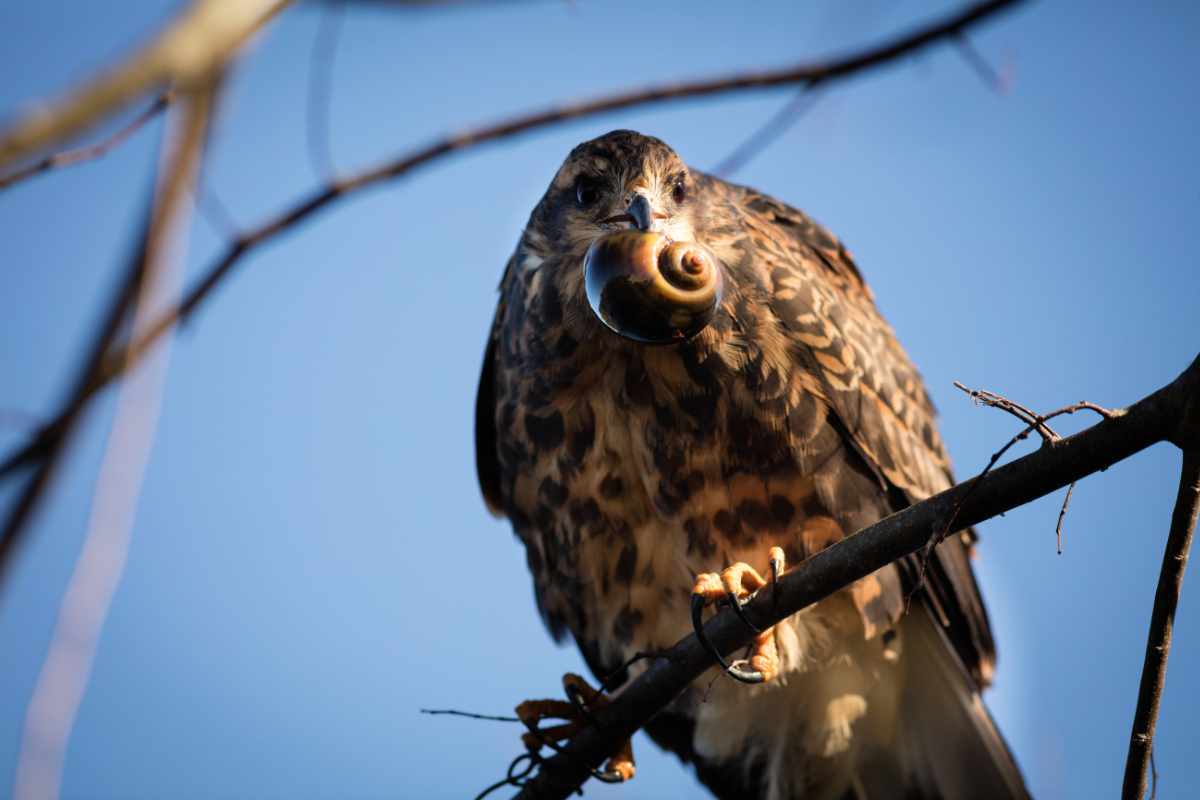
Another sustainable way to manage snails is by encouraging natural predators in your garden. Ducks and chickens are excellent snail hunters if you have a space for them.
Insects like beetles and some ground-dwelling wasps can also help control snails, as can certain species of frogs and toads. Creating a garden environment that supports biodiversity not only helps with snail control but also contributes to the health of your entire ecosystem.
You can do this by:
Avoiding pesticides that kill beneficial insects
Adding water features like shallow ponds
Providing shelter with stones, logs, or native plants
What to Avoid When Catching Snails
Some people resort to salt or harsh chemical baits to kill snails, but these methods can damage your soil, harm other wildlife, or affect pets and children.
Salt dehydrates snails painfully and leaves unsightly residue in your garden. Most chemical pellets contain metaldehyde, which can be toxic to pets, birds, and other animals.
Opt for gentler, eco-friendly alternatives when possible. Your garden will be healthier, and you’ll avoid unintended consequences.
Keeping Your Garden Less Inviting to Snails
Beyond catching snails, consider ways to make your garden less appealing to them in the first place. Try the following:
Water in the morning instead of at night to reduce overnight dampness
Keep pathways and beds free of debris
Trim back dense foliage where snails might hide
Use mulch sparingly or switch to rougher types like crushed eggshells or gravel
These adjustments can go a long way in creating a garden that discourages snails naturally, reducing the need for constant trapping.
Did you find this post useful or inspiring? Save THIS PIN to your GARDEN Board on Pinterest!
More Gardening Tips 👇🏼👇🏼