
Planting Strawberries from Seeds in a Garden


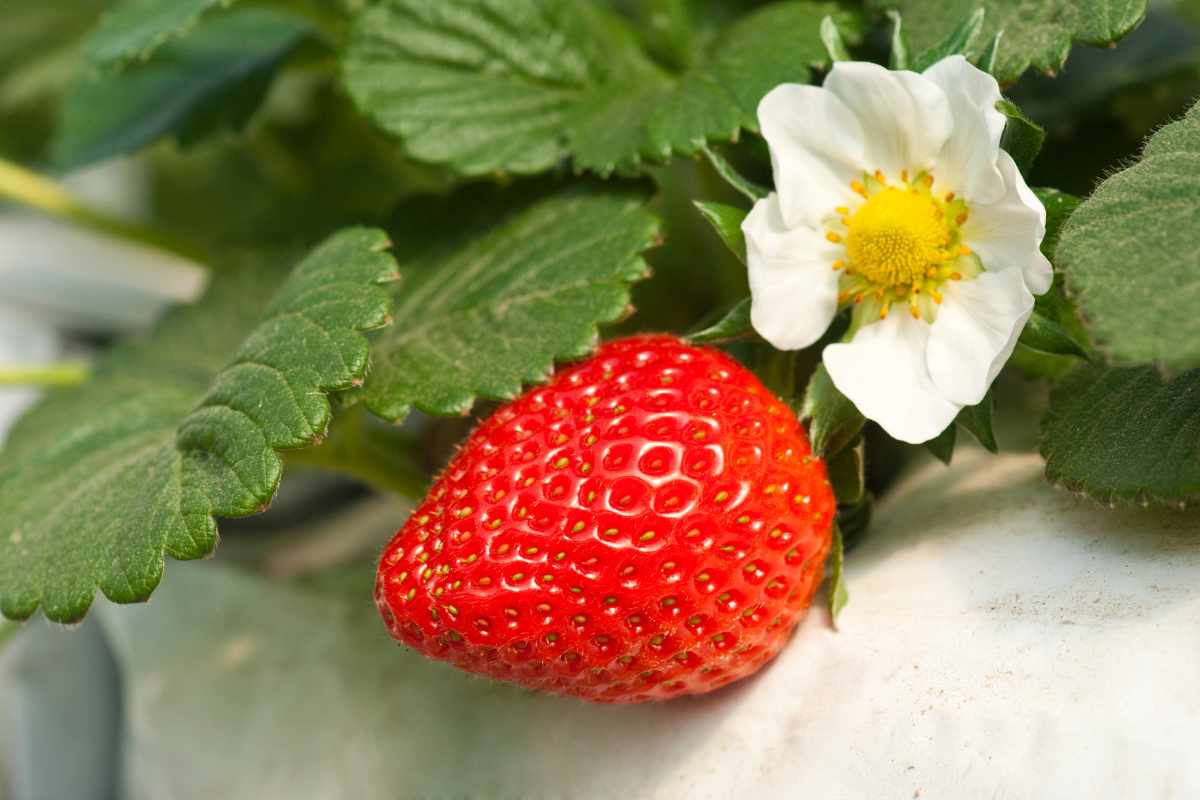
Few things compare to the joy of stepping into your garden and picking a handful of fresh strawberries.
Their bright red color, sweet aroma, and juicy bite instantly make the effort worthwhile.
While many gardeners start with young plants, planting strawberries from seeds is an adventure of its own.
It requires patience, care, and a little extra attention, but the reward of nurturing your plants from the very beginning is deeply satisfying.
Getting Familiar with Strawberry Seeds
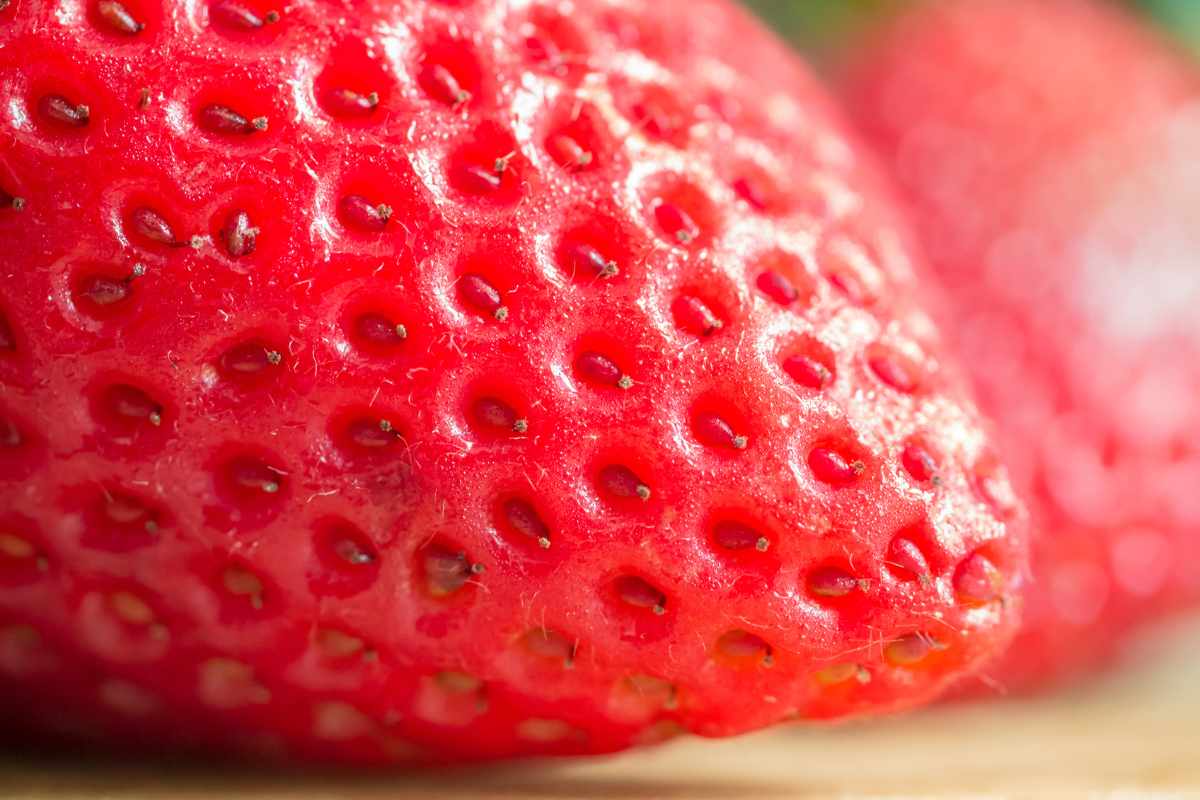
Strawberry seeds are tiny, and at first glance, they may not look like much.
Yet inside those specks is the potential for a sprawling patch of delicious fruit. One important detail to know before sowing is that strawberries can take longer to germinate compared to other garden plants.
Some varieties need a period of cold treatment, also called stratification, to trigger growth.
By placing the seeds in a refrigerator for a couple of weeks before planting, you mimic the natural winter cycle they would experience outdoors.
Another factor to consider is that not all strawberry varieties grown from seed will produce identical results. Some are bred for uniformity, while others may show small differences in fruit size, sweetness, or growth habit.
Rather than seeing this as a challenge, many gardeners enjoy the surprise and uniqueness each plant brings.
Preparing the Right Environment
Good preparation makes a significant difference when starting seeds. Strawberries appreciate a light and well-draining soil mix.
Many growers prefer a blend of peat moss and fine compost to create the right texture.
The soil should hold moisture without becoming soggy, as too much water can cause the seeds to rot before they sprout.
Containers or trays work perfectly for the first stage of growth. Because the seeds are so delicate, planting them directly in the garden can expose them to weather changes or pests.
A controlled environment indoors gives them a stronger start. Place the seeds on the surface of the soil rather than burying them deeply. A gentle misting of water will help settle them in place.
Light is another crucial element. Strawberries need long hours of brightness, ideally between 12 to 14 hours per day during the early stages.
If natural sunlight is limited, using a grow light ensures the seedlings stay strong and compact instead of becoming thin and weak.
Caring for Young Seedlings
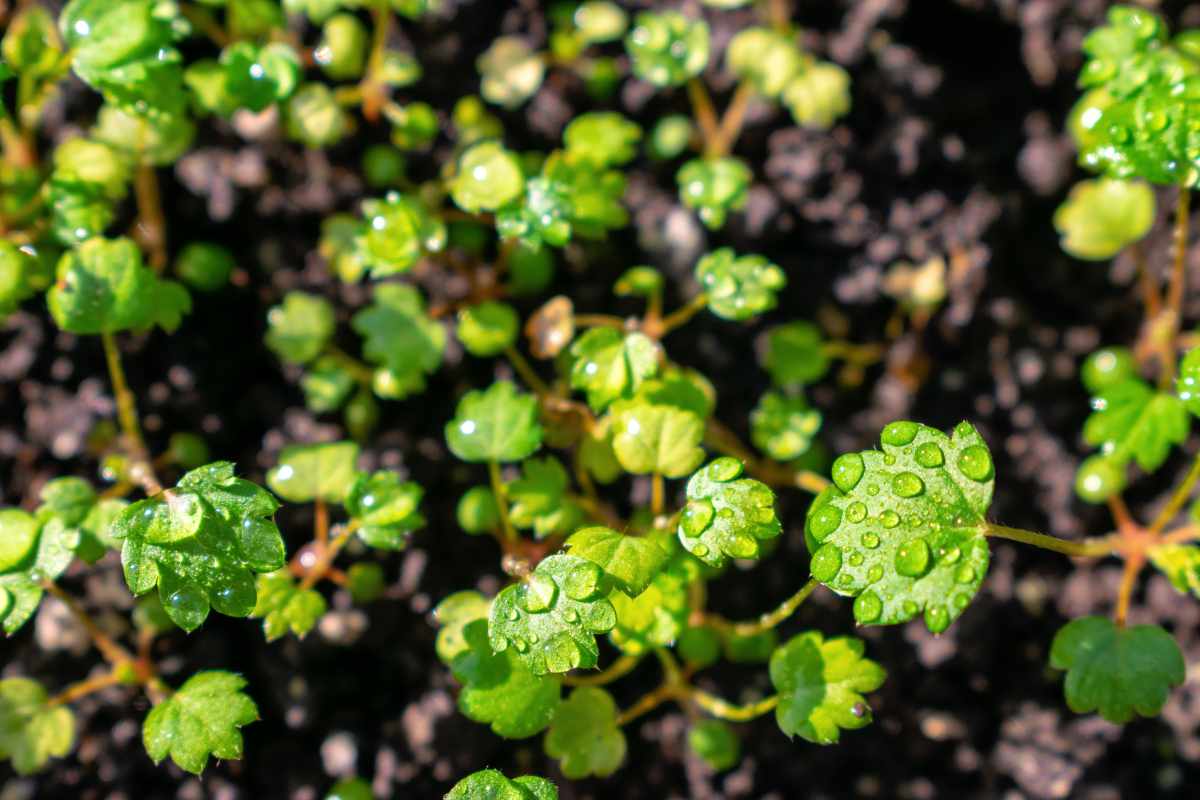
Once the seeds sprout, your role as caretaker becomes more active. Here are some key steps to keep your seedlings healthy and growing strong:
Water gently – The tiny green shoots are fragile, so use a spray bottle or a fine watering can to avoid disturbing the soil. Keep it moist but never waterlogged.
Provide light feeding – As the seedlings develop their first true leaves, they’ll need a little nutrition. A diluted liquid fertilizer gives them enough strength to grow steadily without stressing the roots.
Maintain airflow – Good circulation reduces the chance of mold and helps plants adapt to outdoor conditions. A small fan on low near the seedlings encourages resilience and lowers the risk of disease.
Moving Plants Outdoors
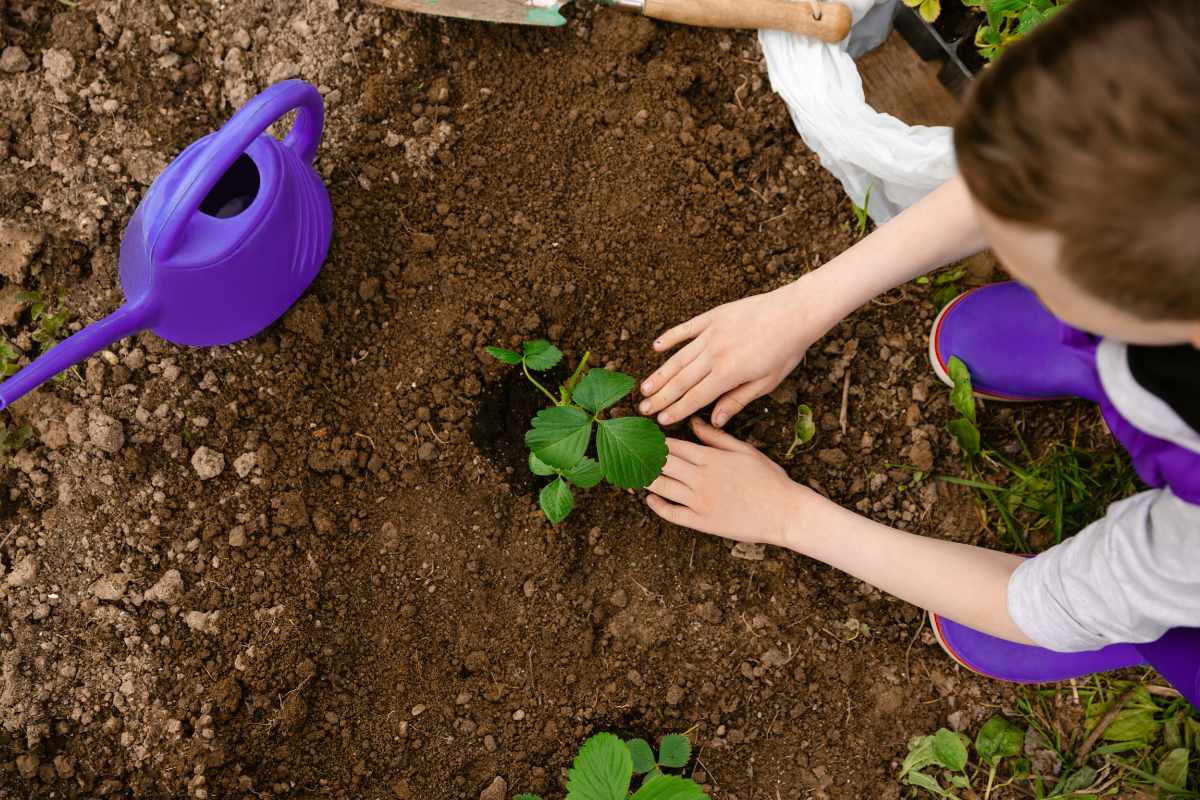
After several weeks, the seedlings will be ready for their next chapter: life in the garden. Before planting them outside, a process called hardening off is necessary.
This involves gradually introducing the seedlings to outdoor conditions, such as direct sunlight, wind, and fluctuating temperatures. A few hours outside each day, increasing the time little by little, allows them to adjust without shock.
Choosing the right location in the garden is key. Strawberries thrive in sunny areas where they can soak up at least six hours of light daily.
The soil should be fertile and free from weeds, with good drainage to prevent standing water. Raised beds or well-prepared garden plots both provide suitable conditions.
When transplanting, space each plant about a foot apart.
This gives them room to spread out and form runners, which are the stems that create new plants.
Covering the soil with mulch helps retain moisture, keep weeds down, and protect the developing berries from resting directly on the ground.
Ongoing Care for a Healthy Patch
Once established, strawberry plants require consistent care. Regular watering ensures the soil remains moist, especially during warmer months when fruit is developing.
Deep watering is better than frequent shallow watering, as it encourages the roots to grow strong and stable.
Fertilizing throughout the season supports both foliage and fruit production.
Organic options such as compost tea or well-rotted manure are gentle and effective, providing steady nutrition without overwhelming the plants.
It’s also worth keeping an eye on pests and diseases. Slugs, birds, and insects find strawberries just as appealing as we do. Netting, barriers, or natural repellents can help protect your harvest.
Periodically removing dead leaves and thinning out crowded areas keeps the patch healthy and productive.
Enjoy the Video Tutorial

Source: Project Diaries
Did you find this post useful or inspiring? Save THIS PIN to your Gardening Board on Pinterest!😊

Once again, thank you for visiting our website!
We hope you've enjoyed exploring the content we've created for you.
Give yourself the chance to learn, get inspired, and have even more fun, keep browsing...
More Gardening Tips 👇🏼👇🏼