
Planting Strawberries in Gutters


Growing strawberries in gutters has become increasingly popular, especially in small spaces like balconies, terraces, and urban gardens.
But before getting started, many people ask: Can you really grow strawberries in a gutter? The answer is yes.
As long as the gutter has enough depth for the roots and proper drainage, it can become a productive mini garden.
This method saves space, reduces weeds, and keeps plants at a convenient height for harvesting.
Materials You’ll Need
Before starting, make sure you have all the necessary materials:
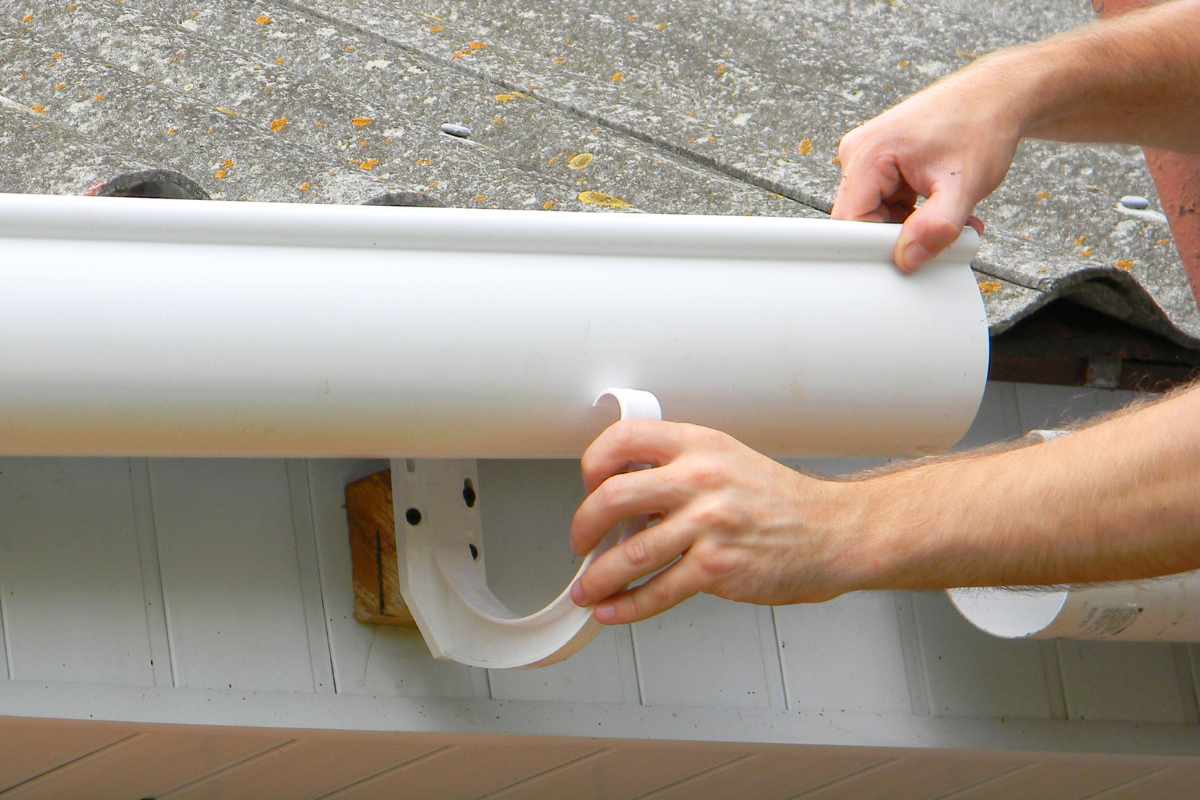
Gutters 6–8 inches deep (15–20 cm)
End caps for the gutters
Drill with a 1.5 cm (0.6 in) bit for drainage holes
Supports or brackets to hang the gutters
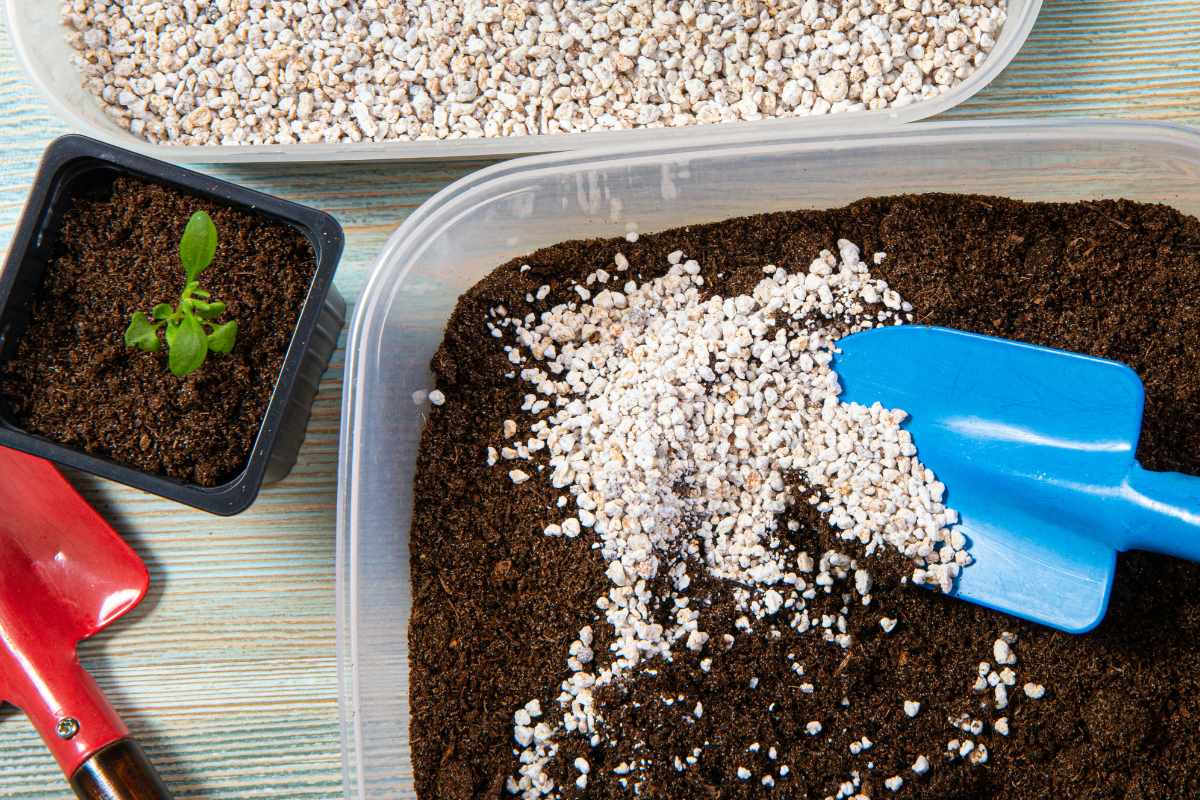
Potting soil, compost, and perlite or vermiculite for the planting mix
Measuring tape and level to ensure proper installation
Having all of these ready ensures that your strawberries have a healthy environment to grow.
Choosing the Right Location
Choosing the right spot is key to a successful crop. Strawberries need at least six hours of direct sunlight per day, so pick a bright location.
At the same time, protect the plants from strong winds, which can damage stems and fruits.
Accessibility is also important; with gutters, watering, and harvesting are much easier if the system is installed at a comfortable height and in a convenient area.

Preparing the Perfect Soil Mix
The soil is the foundation of healthy strawberry plants. A good mix provides enough air, nutrients, and moisture while preventing waterlogging.
Combine potting soil, compost, and perlite or vermiculite, and fill the gutters, leaving a few centimeters at the top to avoid water spillage.
This well-draining, light mixture promotes strong roots and juicy fruits, helping your plants thrive.
Strawberry Varieties That Work Best in Gutters
Not all strawberries are ideal for gutter growing. Some of the best options include:
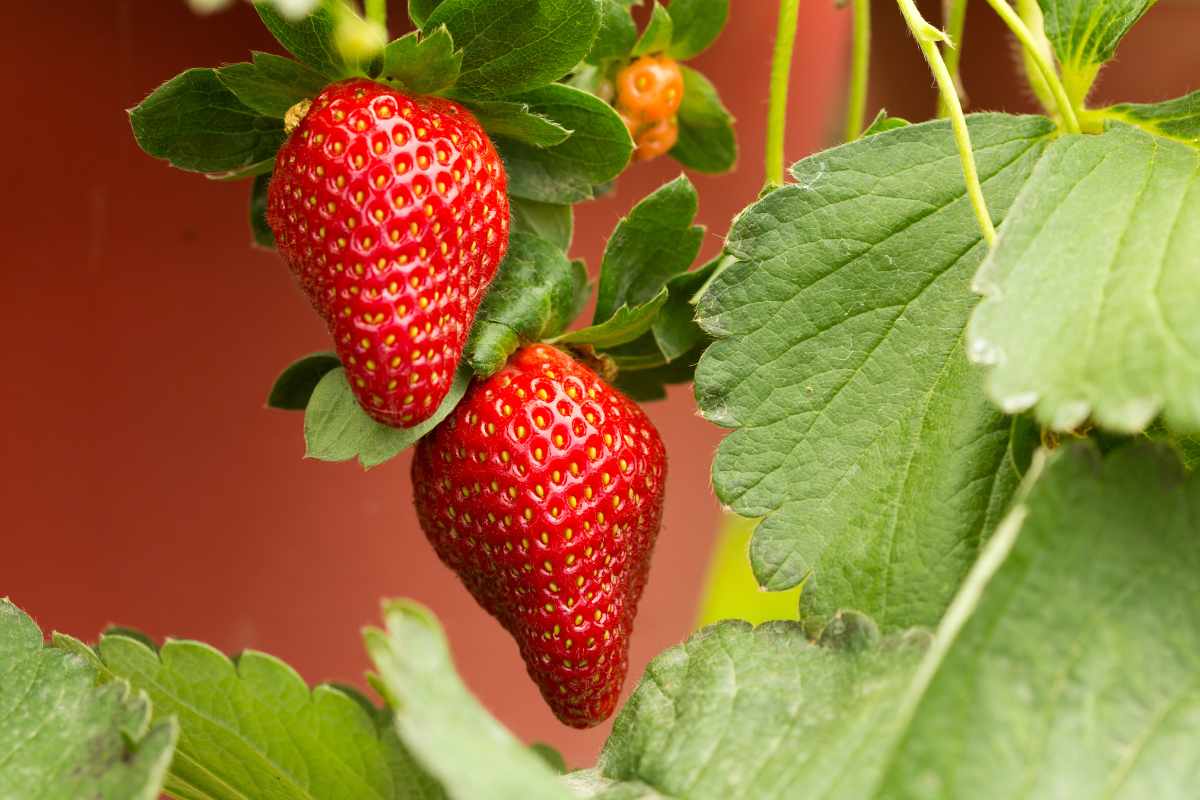
Everbearing: produces fruit throughout the season
Alpine: small, aromatic, and decorative
Day-neutral: flowers continuously regardless of day length
Choosing the right variety directly impacts your harvest and plant health. Strawberries in gutters benefit from compact plants with shallow roots.
How to Plant and Care for Strawberries
Once your gutters and soil mix are ready, it’s time to plant. Space the plants about 8–10 inches (20–25 cm) apart to allow leaves and fruits room to grow and reduce competition for nutrients.
Water regularly, keeping the soil moist but not soggy, as overwatering can lead to root diseases. Fertilize monthly with a balanced fertilizer to maintain fruit production and healthy leaf growth.
During hot summer months, a light shade cloth can protect plants from direct sunlight and prevent leaf burn.
Don’t forget to prune dead leaves and runners. This helps the plant focus its energy on producing higher-quality fruits rather than unnecessary new shoots.
Benefits of Growing Strawberries in Gutters
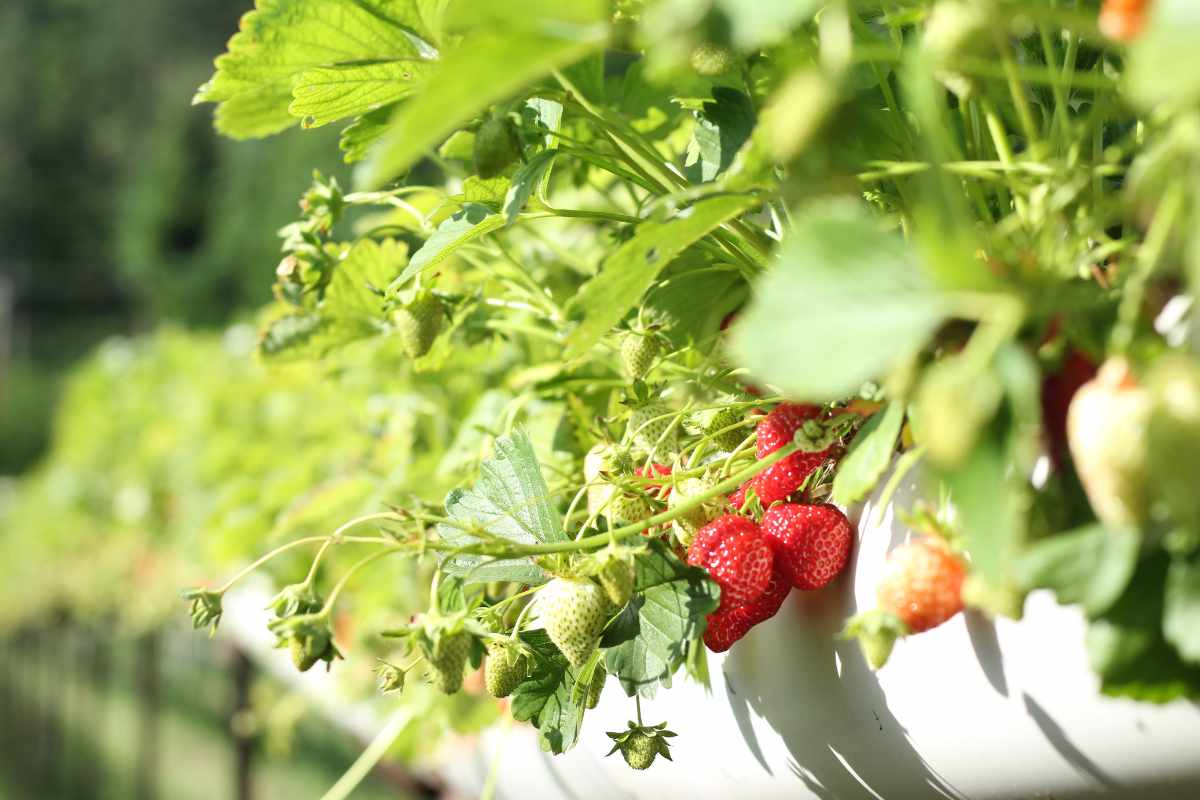
Gutter gardening offers more than just space-saving. Elevated plants are less prone to pests and weeds.
Harvesting is much easier, avoiding the need to bend down or work directly on the ground.
Proper drainage also reduces the risk of disease, helping your strawberries grow strong and flavorful.

Eco-Friendly Tips and Alternatives
For a more sustainable approach, use recycled gutters or biodegradable materials.
You can also stack multiple gutters vertically to create a compact vertical garden, maximizing production in small spaces.
This is especially useful for apartments or small patios where every inch counts.
Enjoy the Video Tutorial

Source: Backyard Eden
Did you find this post useful or inspiring? Save THIS PIN to your Gardening Board on Pinterest!😊

Once again, thank you for visiting our website!
We hope you've enjoyed exploring the content we've created for you.
Give yourself the chance to learn, get inspired, and have even more fun, keep browsing...
More Gardening Tips 👇🏼👇🏼