
Tips For Growing Kiwi Fruit

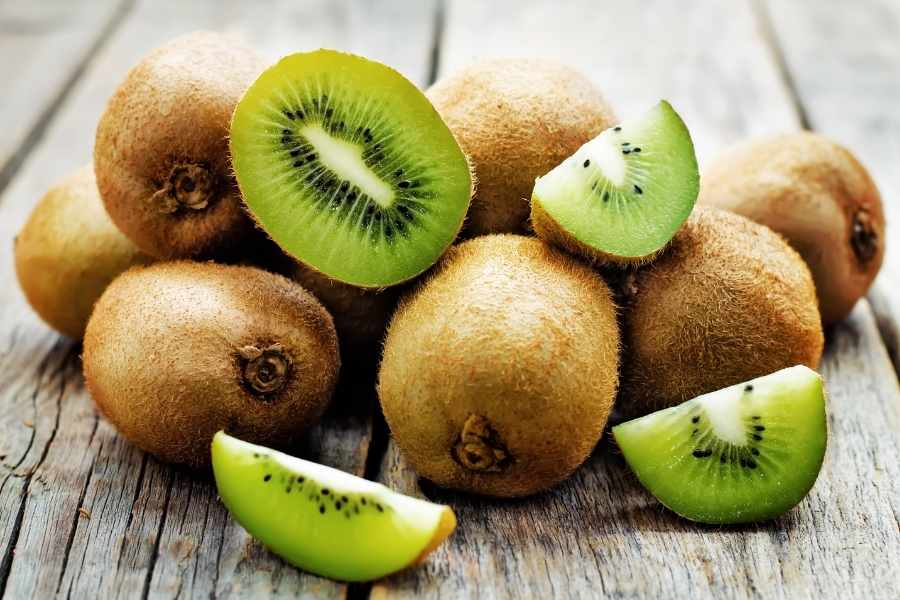
The kiwi is native to China, where there are records of its cultivation since the 12th century. In the early 1900s, it began to be grown and harvested commercially in New Zealand. The kiwi finally arrived in California around 1960.
Also, many people grow kiwis for their incredible health benefits.
This fruit has more vitamin C than lemons and oranges and is rich in antioxidants. There is also evidence that it can help you sleep, thanks to its high levels of serotonin.
There are also reports that kiwis can help reduce the risk of coronary heart disease due to high levels of dietary fiber.

How to plant kiwi
You should plant kiwi in spring after the last frost had passed. Although there are varieties that can withstand cold temperatures, small plants are not cold tolerant.
Growing from seed
Growing kiwi from the seeds of the fruit is time-consuming, but it can be fun, especially for children.
Use an organic kiwi, if possible, as the seeds are more likely to produce a fruitful plant.
Remove the seeds from the fruit and wash with water to remove as much of the pulp as possible, then place it in a coffee cup with warm, lukewarm water. Change this water every day for about seven days.
The seeds will begin to open. They are small, so you may need a magnifying glass.
Place the seeds on a damp paper towel before covering them with a plastic container or plastic wrap with vents. Store in a warm place.
If germination is successful, you will see them sprout in less than two to three days. Plant gently in small pots with a good quality seed mix.
The seeds are delicate, so be careful when watering them. Plant outside when spring temperatures are hot and the frosts are gone. If you plant when the risk of frost is not over, use a hood.
Sun requirements
Kiwis love the sun, but if you live in a warm area, the plants tend to struggle with the heat of the day. In that case, the plant where the garden has some partial shade at noon.
You can also use shade cloth on young plants. Otherwise, let the kiwi grow in full sun.
Soil requirements
Free draining soil is a must. When planting, load the soil with plenty of decomposing rich organic matter. Kiwis tolerate most pH levels. Ideally, provide kiwis with a pH between 6.0 and 6.5.
Spacing
You need to check the type of kiwi and its possible spread to determine to space. Plant some kiwis and separate them by 2.5 meters and about 18 meters depending on the size of the adult plant.
How to care for kiwi
Waterhole
Kiwis need a lot of water, but not so much that their roots are soggy, so they need well-drained soil. Water well on the roots only, not the leaves, and allow the surrounding soil to dry out a bit before watering again.
Protect yourself from the wind
Young kiwifruit should be set well, either on a large T-stake or on a trellis. If the winds are strong or dry, use a windshield while the plants are young.
Once fully grown, kiwis are usually strong enough to withstand the wind, as long as the trellis is sturdy.
Pruning
Kiwi pruning is essential for maximum fruit production. In the first year, cut back the side branches until the kiwi reaches the top of its stake or trellis.
Tie the vine to the stake loosely, rather than letting it wrap around the stake.
When you get to the top of the stand, cut off the end of the kiwi and let the branches spread out the sides.
In winter, trim the sides that are sick, crooked, or rubbing on other people. Kiwi in new shoots in last year's growth.
If left alone, the kiwi will become a mess, so pruning in the summer is a good option to help keep the plant in shape.
Fertilizer
The most effective fertilizer for kiwi is citrus fertilizer. Apply in early spring. You can also use a good quality versatile fertilizer if you can't get one that focuses on citrus fruits.
In late winter, apply a lot of very rotten organic matter.
Shredded
Kiwifruit appreciates a good layer of mulch to keep it moist. You can use a straw or whatever you want.
We hope you enjoy this video about how to grow a Kiwi tree or vine from seed:
Source: Rob Backyard Gardenerr
Did you find this post Useful or Inspiring? Save THIS PIN to your GARDENING Board on Pinterest! 

Once again, thank you for visiting our website!
We hope you've enjoyed exploring the content we've created for you.
Give yourself the chance to learn, get inspired, and have even more fun, keep browsing...
More Gardening Tips 👇🏼👇🏼