
Tips To Transplant Your Cactus Plants


Cacti are beloved for their low-maintenance nature, but there comes a time when even the most independent houseplants need a little care.
Transplanting your cactus is essential when its roots outgrow the pot or begin peeking through the drainage holes. Ensuring the process is done properly will help the cactus thrive in its new home without injury to you or the plant.
When to Transplant Your Cactus
Cacti are slow growers and generally only require repotting every 3–4 years. Faster-growing varieties may need repotting every 2–3 years.
The best time to transplant a cactus is during early to mid-spring, as this is when the plant enters its active growth phase. This timing ensures the cactus has enough energy to recover and adjust to its new pot.
Handling Spines Safely
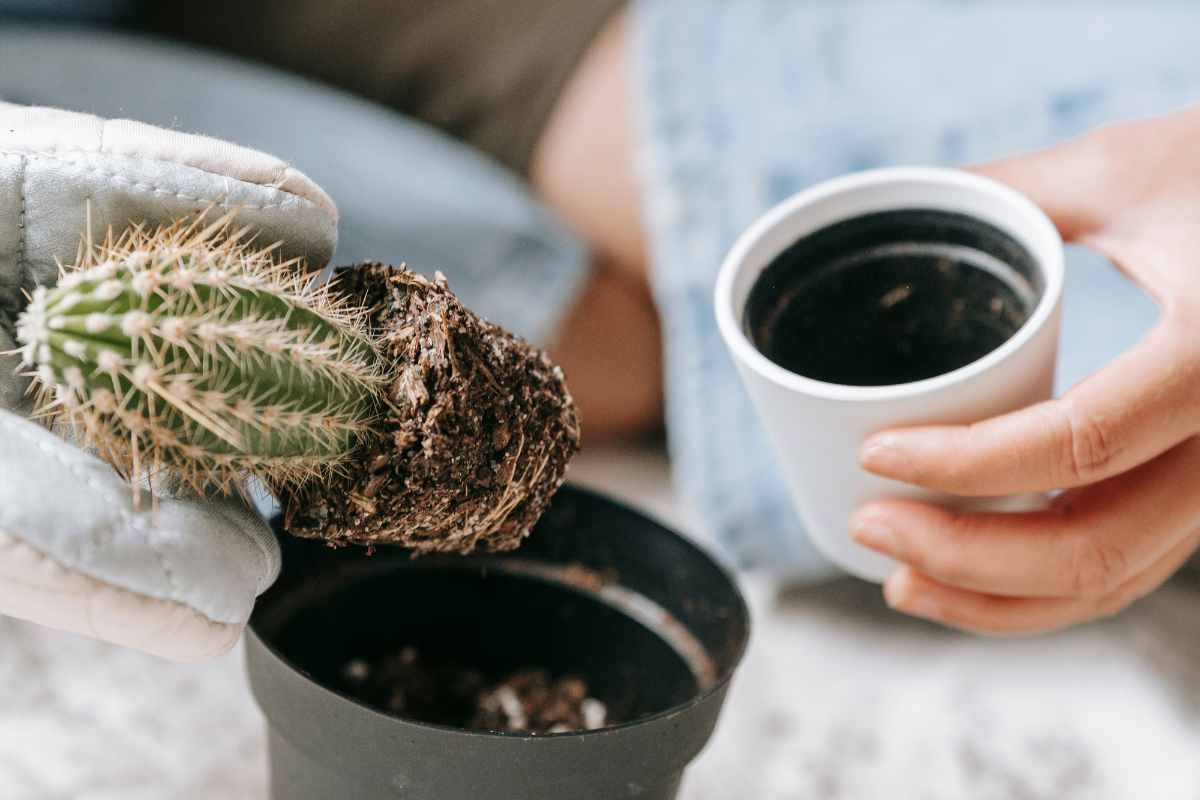
Cactus spines are the plant’s natural defense, but they can pose challenges during transplanting. To handle your cactus safely:
- Use a rolled-up towel or folded newspaper to hold the plant securely without coming into direct contact with the spines.
- Invest in a pair of thick gardening gloves made from heavy canvas or leather. Avoid cloth gloves, as they are not resistant to sharp spines.
Choosing the Right Pot
Select a pot slightly larger than the current one to give the cactus room to grow. Ensure the pot has drainage holes to prevent water from accumulating at the bottom, which can lead to root rot.
Preparing the New Soil
Cacti thrive in well-draining soil. Use a specialized cactus potting mix or create your own by combining regular soil with sand and perlite. This ensures the plant gets the drainage it needs to prevent overwatering issues.
Post-Transplant Care
Once transplanted, give the cactus a few days to adjust before watering. This waiting period allows any handling-related damage to heal and reduces the risk of rot. Place the cactus in a location with bright, indirect light to support healthy acclimatization.
Benefits of Proper Transplanting
Transplanting a cactus not only gives it room to grow but also helps refresh the soil, ensuring better nutrient absorption. Proper handling and timing will keep your cactus healthy and thriving for years to come.
With these tips, you can safely and effectively transplant your cactus plants, ensuring their continued growth and beauty. Happy gardening!
We Hope You Enjoy this Video

Source: Groovy Plants Ranch
Did you find this post Useful or Inspiring? Save THIS PIN to your GARDENING Board on Pinterest! 
More Gardening Tips 👇🏼👇🏼