
Tithonia (Mexican Sunflower): A Magnet for Monarchs

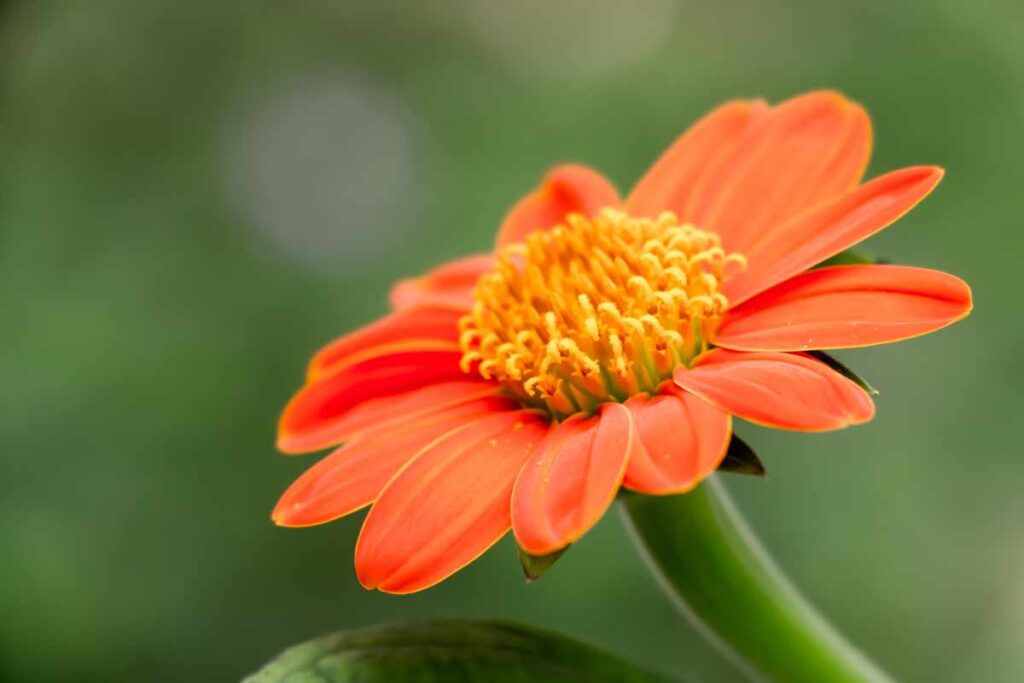
If you're looking for a stunning addition to your garden that not only brings vibrant color but also attracts wildlife and supports the local ecosystem, Tithonia, commonly known as the Mexican sunflower, should be at the top of your list. This beautiful, hardy annual is known for its striking orange flowers, which resemble sunflowers but are even more colorful and inviting. But beyond its beauty, Tithonia has another incredible benefit: it’s a magnet for monarch butterflies.
In this article, we’ll explore why Tithonia is a perfect choice for any garden, especially those hoping to attract monarchs and other pollinators. We’ll look at how to grow and care for this plant, and why it’s such an essential player in supporting the monarch butterfly population.
A Beautiful Addition to Your Garden
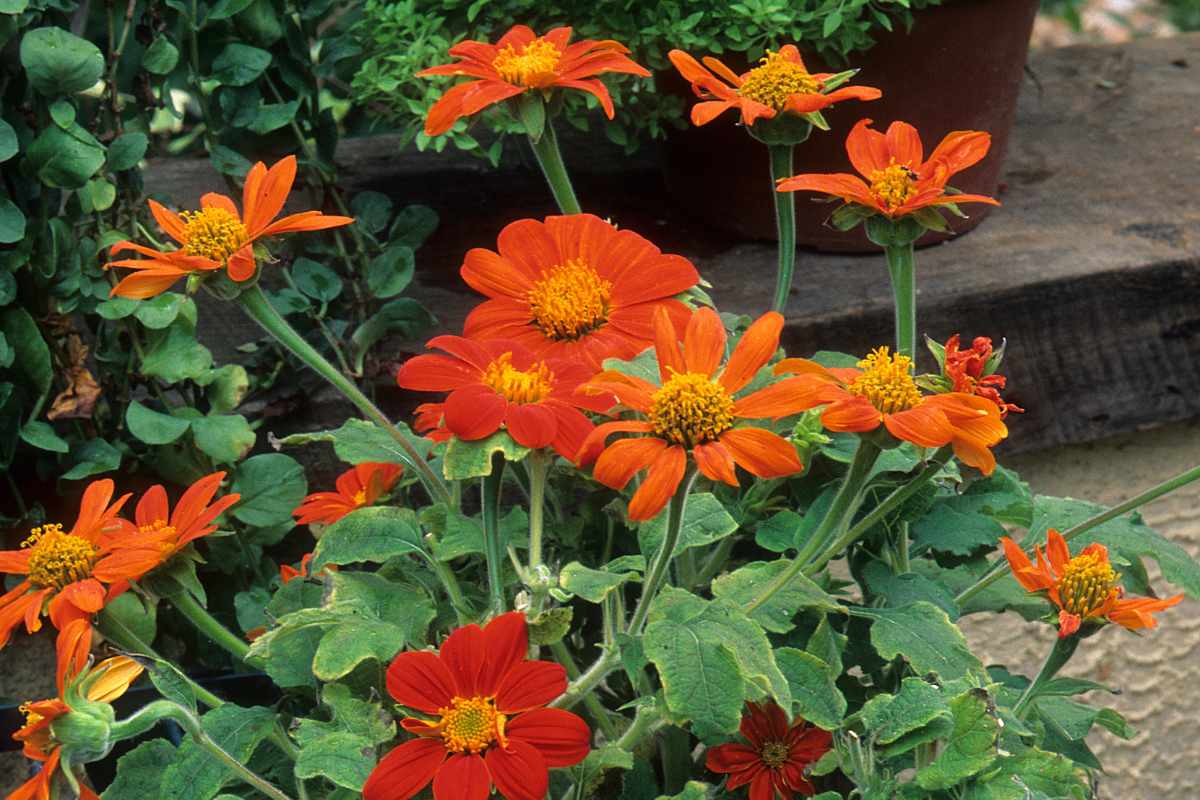
Tithonia’s vibrant orange blossoms are hard to miss. With their bold, daisy-like petals, they stand out against the lush greenery of your garden, creating a striking contrast. This plant can grow up to 5 feet tall and blooms from mid to late summer, making it a wonderful seasonal addition to your garden.
The plant itself is relatively easy to care for, making it ideal for gardeners of all levels. Tithonia’s bright color adds warmth and vibrancy, perfect for creating dynamic flower beds, pollinator gardens, or even as a backdrop for shorter plants. The plant’s growth habit is upright and bushy, filling out garden spaces nicely.
Why Monarchs Love Tithonia
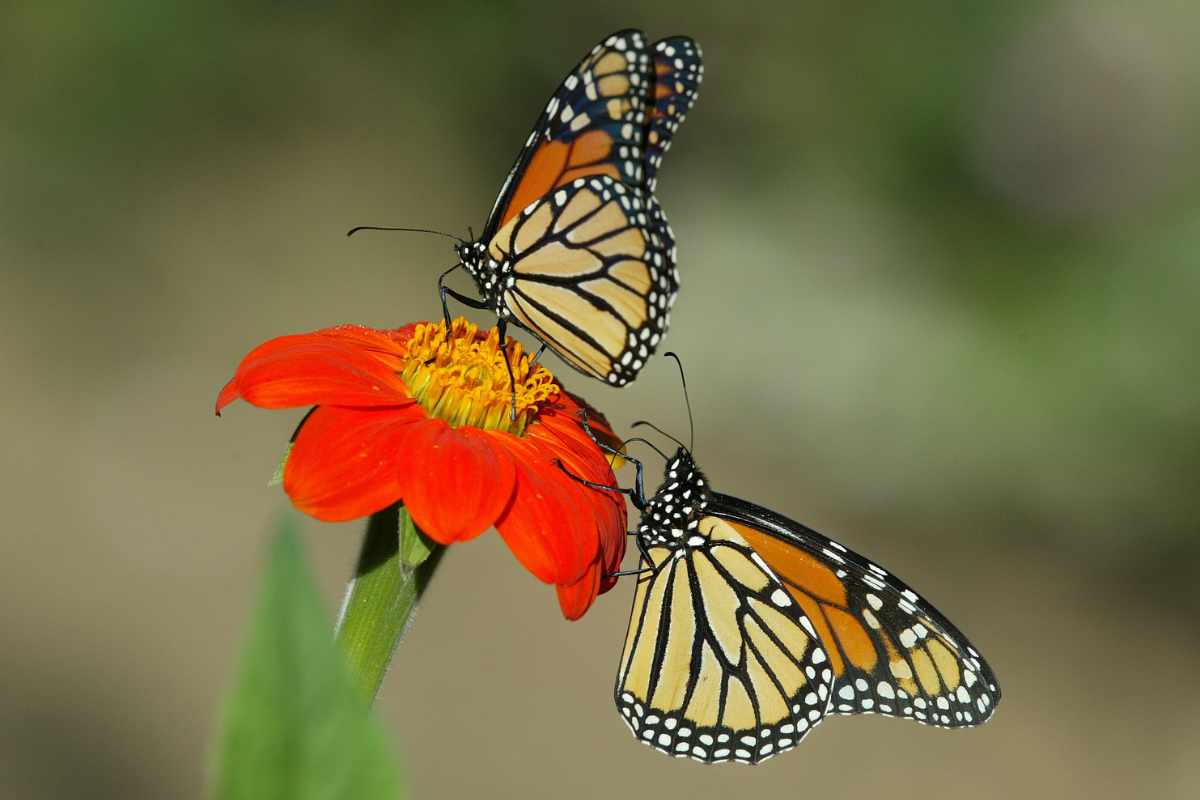
One of the most remarkable features of Tithonia is its ability to attract monarch butterflies. Monarchs are known for their long migration from North America to Mexico, but they need specific plants to fuel their journey. Tithonia provides the nectar monarch butterflies need, offering a plentiful food source during their stopovers.
Monarchs are not the only insects that love Tithonia — hummingbirds and other pollinators are also drawn to the bright blooms, making the plant a great addition to any wildlife-friendly garden. The dense clusters of nectar-filled flowers are like a little oasis for these creatures, providing a rich food supply throughout the blooming season.
If you want to support local wildlife and help sustain populations of pollinators, planting Tithonia is a simple yet effective way to make a positive impact.
Growing Tithonia: A Simple Guide
Growing Tithonia is relatively straightforward, even for beginner gardeners. Here are a few tips to help you get started with this colorful, pollinator-friendly plant:
Choose the Right Location
Tithonia thrives in full sun, so it’s important to choose a spot in your garden where it will receive at least six hours of sunlight a day. While the plant can tolerate some light shade, full sun encourages the best blooms.
It’s also essential to select a well-drained soil. Tithonia prefers slightly acidic to neutral soil with good drainage. To promote healthy growth, you can add compost or organic matter to enrich the soil before planting.
Planting and Spacing
You can start Tithonia seeds indoors about 6-8 weeks before the last expected frost, or you can sow seeds directly into the garden after the danger of frost has passed. Plant the seeds about 1/4 inch deep and water them regularly to keep the soil moist during germination.
Once your plants start growing, make sure to space them about 18 to 24 inches apart to allow room for their tall, bushy growth. These plants can grow up to 5 feet tall, so make sure they have enough space to spread out without being crowded by other plants.
Watering and Maintenance
Tithonia is relatively low-maintenance once established, but it still needs consistent watering, especially during dry spells. The soil should remain moist but not soggy, as Tithonia doesn’t like to sit in waterlogged soil. A deep watering once or twice a week is usually sufficient.
While Tithonia doesn’t require heavy fertilization, adding a slow-release fertilizer in the spring can encourage healthy growth and more abundant blooms. Additionally, deadheading (removing spent flowers) can help prolong the blooming period and encourage new growth throughout the summer.
Dealing with Pests and Problems
One of the great things about Tithonia is that it’s relatively pest-resistant. However, aphids and spider mites can sometimes become an issue, especially during dry conditions. You can treat these pests organically using insecticidal soap or by spraying the plant with a mixture of water and dish soap.
Because Tithonia is an annual, you won’t have to worry about it becoming invasive. However, it can self-seed, which means you may find new plants popping up in the garden the following season. If you like this, let nature take its course; if not, simply remove the seed heads to prevent unwanted seedlings.
Benefits Beyond Beauty: Supporting Monarch Conservation
Monarch butterflies are experiencing a dramatic population decline, primarily due to habitat loss, pesticide use, and the disappearance of nectar-rich plants. By planting Tithonia, you’re providing monarchs with the resources they need to survive during their migration.
In addition to nectar, Tithonia also provides a haven for monarch larvae. While the adult butterflies feed on the nectar, the leaves of the plant offer a place for larvae to hatch and grow. This dual benefit — providing both food and shelter — makes Tithonia a key plant for anyone looking to support monarch conservation.
If you’re passionate about protecting pollinators and want to do your part in sustaining monarch populations, adding Tithonia to your garden is a simple yet effective way to make a difference. Every plant contributes to creating a more supportive environment for these vital creatures.

Tithonia in Garden Design
Tithonia’s striking appearance and ability to attract wildlife make it a versatile plant in garden design. Use it as a bold focal point in flower beds or mix it with other bright blooms to create a lively, dynamic garden. Tithonia pairs well with zinnias, cosmos, and sunflowers, as their color and texture complement each other beautifully.
Additionally, if you want to create a pollinator garden, Tithonia is an excellent choice, as it helps sustain a range of beneficial insects, from butterflies to bees. A pollinator garden featuring a variety of nectar-rich plants is an investment in the health and sustainability of your local ecosystem.
Adding Height and Color to Garden Borders
Tithonia’s tall, upright growth makes it perfect for adding height to garden borders. Planted at the back of a bed or alongside fences, it provides structure and a burst of color. Its showy orange blooms also pair beautifully with other late-summer plants, creating a vibrant, eye-catching display that lasts for weeks.
Did you find this post useful or inspiring? Save THIS PIN to your GARDEN Board on Pinterest!

More Gardening Tips 👇🏼👇🏼