
What Do Bluebirds Eat? Feeding Tips For Bluebirds!

Feeding Bluebirds is one of the most rewarding ways to bring color and song to your garden.
If you’ve ever wondered what do bluebirds eat or how to set up the right station for bluebird food, this guide walks you through smart, gentle practices that keep birds healthy and your yard delightful year-round.
Feeding Bluebirds: Seasonal Basics
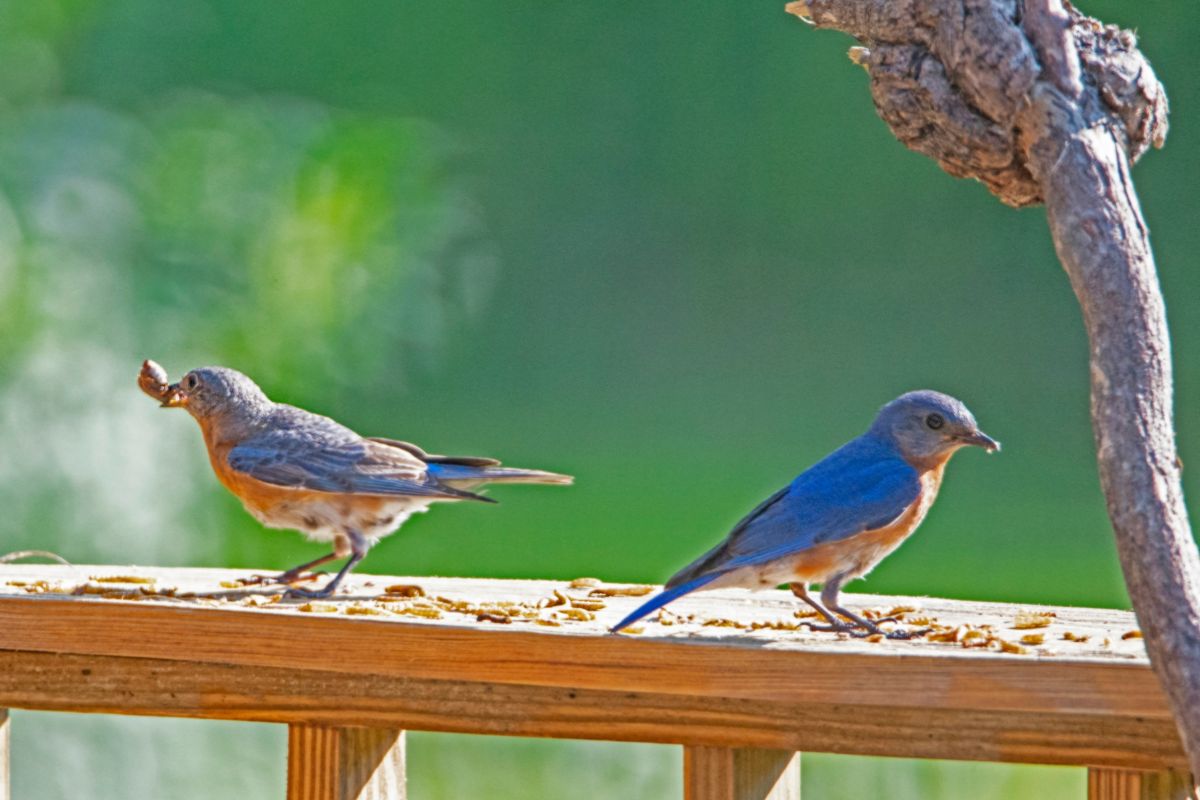 Bluebirds thrive on a naturally varied bluebird diet: insects in warm months and high-energy supplements when bugs are scarce.
Create a Bird-Friendly Garden – Discover the Best Plants and Supplies for Birds!


In spring and summer, they hunt beetles, caterpillars, and spiders; in fall and winter, they appreciate protein and fat from mealworms and soft fruits.
Offer fresh or dried mealworms as reliable bluebird food, especially during cold snaps or when parents are feeding fledglings.
You might ask, what do bluebirds eat besides mealworms? Add chopped raisins, currants, and suet crumbles that are free of artificial dyes.
Avoid sticky peanut butter blends during heat waves. Clean feeders often, rinse fruit residue, and discard soggy leftovers to prevent mold.
A purpose-built bluebird feeder or a covered bluebird mealworm feeder helps reduce crowding by larger species.
Choose designs with small entry holes or enclosed cups so the food remains sheltered from rain. Early morning service matches typical bluebird eating behavior when they’re most active and hungry.
How to Identify and Welcome Bluebirds
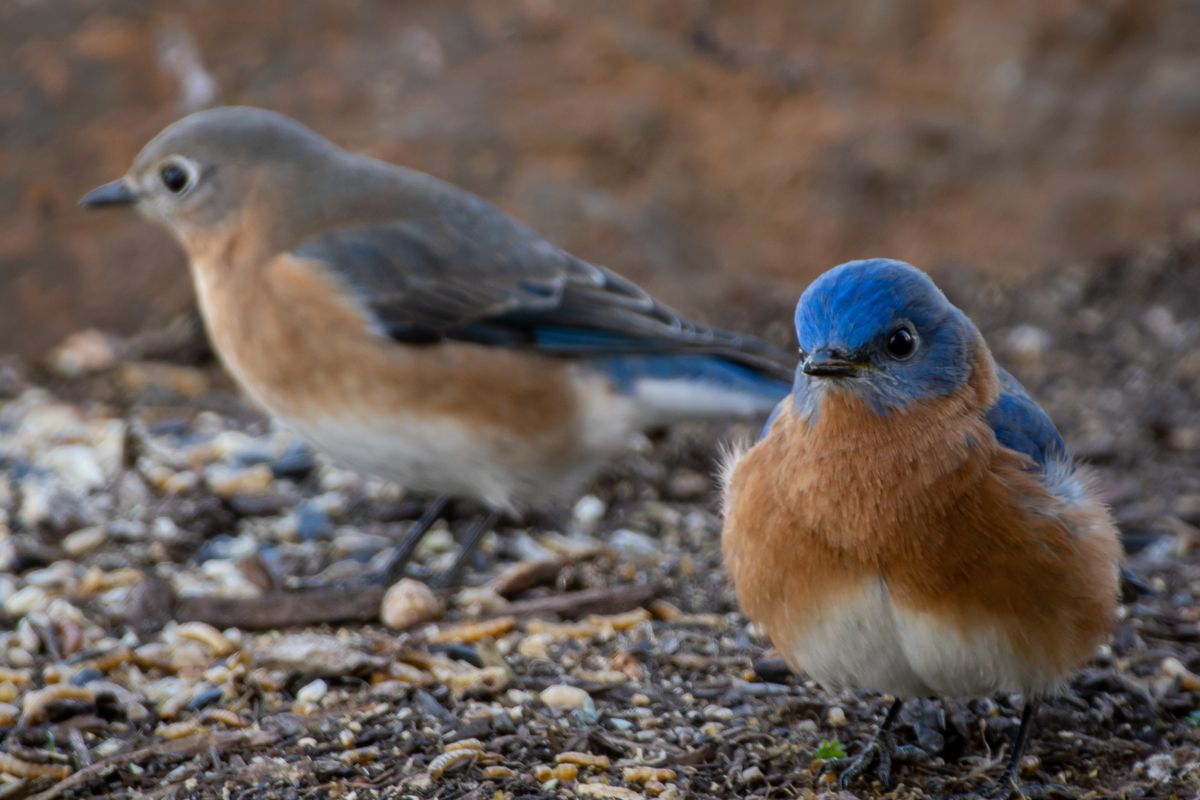 Not sure if that flash of blue is the right visitor? Here’s how to identify bluebirds: males show vibrant blue backs with rusty chests; females are grayer with soft blue wings and the same warm breast.
If you come across references to “blue bird eastern bluebird,” it simply points to the Eastern species’ classic color pattern.
Next, consider how to attract bluebirds to your yard. Offer open lawn or meadow edges for insect hunting, clean water in a shallow bird bath, and low, predator-safe perches.
Native shrubs that fruit in late fall provide natural calories and shelter. Keep outdoor cats indoors and avoid pesticides so insects—their staple—remain abundant.
Think of your landscape as a small backyard birds sanctuary. Limit reflective glass hazards with decals, sit water sources near cover but with clear sightlines, and prune gently to retain nesting cavities.
A welcoming habitat reduces stress, improves nesting success, and brings repeat visits.
Feeders, Hangers, and Smart Placement
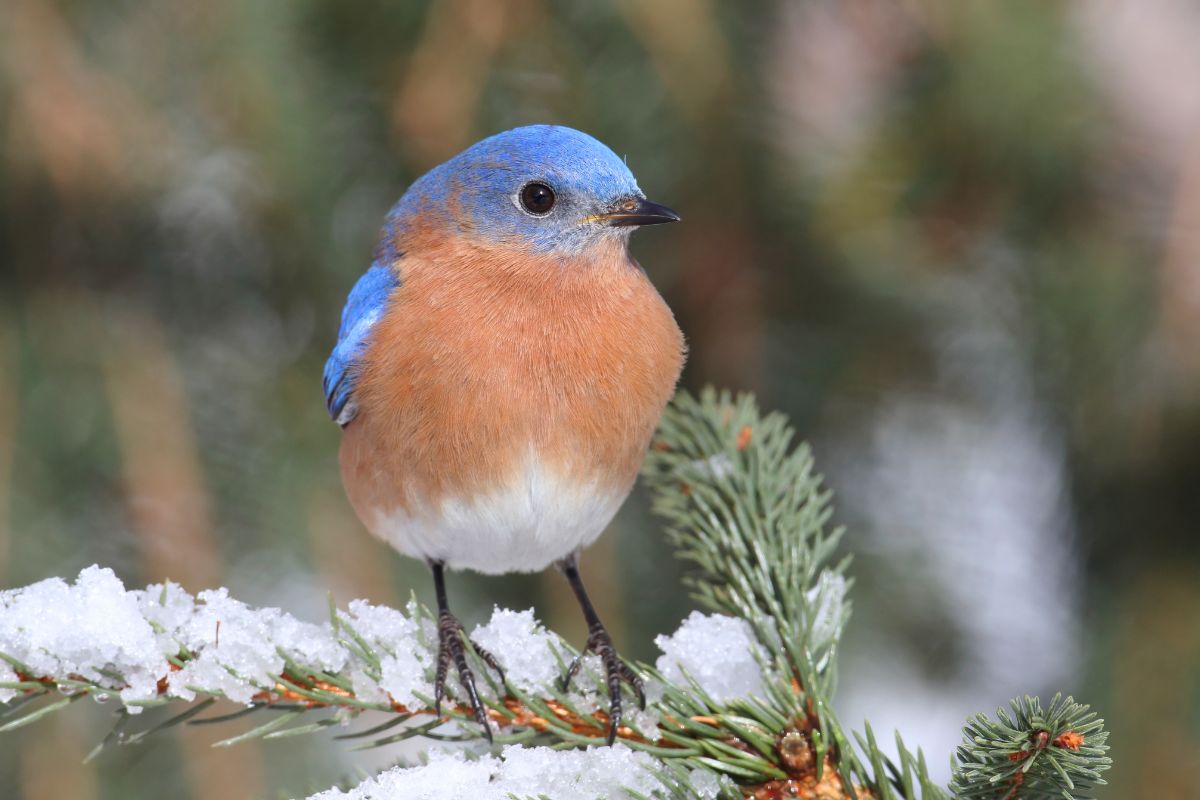 For reliability, pair a covered dish or caged design with a weather guard. Place it 5–7 feet high on a smooth pole to deter climbing predators.
Use sturdy bird feeder hangers or a fixed mount to prevent swaying in wind. Keep the setup simple and easy to clean; hygiene is the biggest factor in keeping birds healthy.
If you already maintain backyard birds feeders for finches or cardinals, add a separate station dedicated to bluebirds to minimize competition.
Position the bluebird feeder 10–15 feet from shrubs so birds can dive for cover but still spot danger. Rotate locations every few weeks to keep the ground clean and discourage rodents.
DIY enthusiasts can sketch basic bird feeder plans for a mealworm cup with a rain roof, or adapt an existing platform with a small acrylic bowl.
Lightweight chains and secure hooks make refilling fast. Whether you go custom or store-bought, pair birdhouses bird feeders thoughtfully—nest boxes should be separate from food to avoid drawing predators to family life.
Spring Garden Bird Feeding Tips for Success
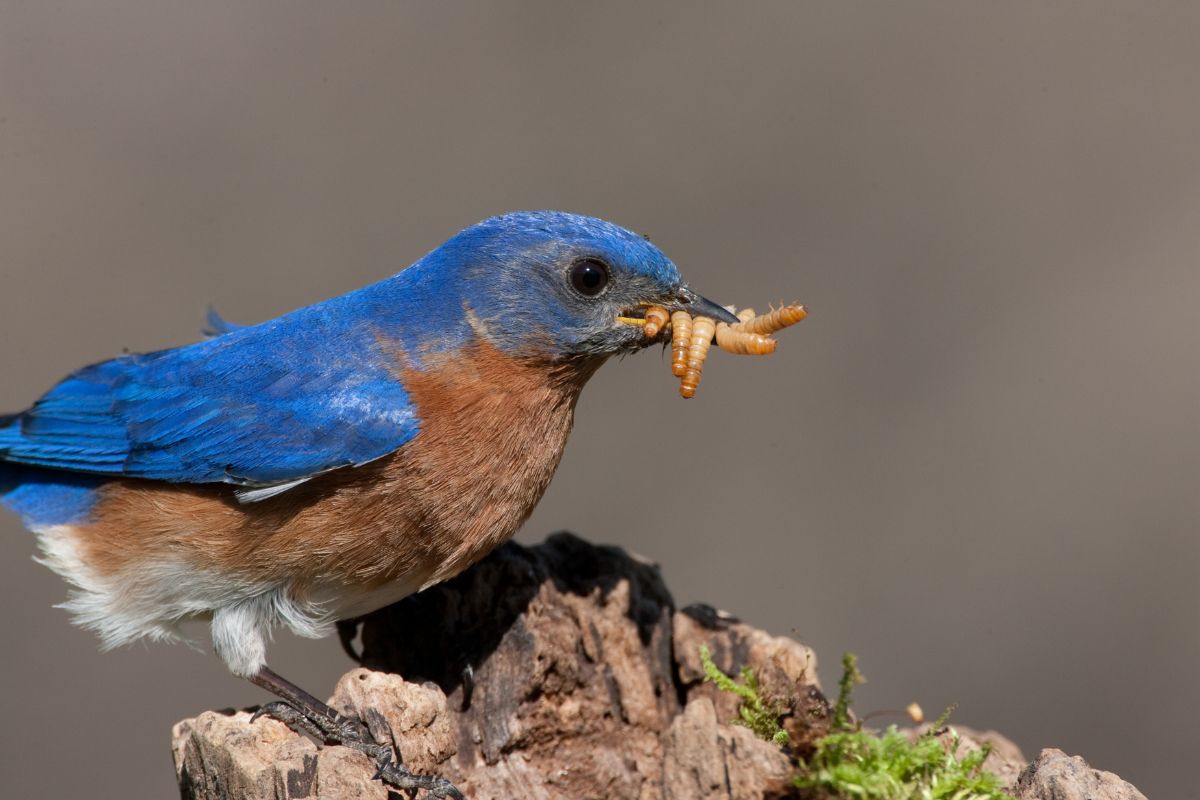 As days lengthen, insects surge, and nesting begins—prime time for practical spring garden bird feeding tips.
Offer modest portions of live or dried mealworms two or three times a day so parents can carry manageable bites. Keep water fresh; a quiet bubbler draws attention and helps keep feathers in top condition.
Spring can be rainy, so keep cups under a roof and empty any clumped food. Wipe surfaces with a mild vinegar solution, rinse, and dry before refilling.
If you notice starlings or grackles taking over, switch to an enclosed bluebird mealworm feeder and lower the serving size so the supply doesn’t attract crowds.
Finally, ease pressure on nests: avoid lingering near boxes and trim lawn on a schedule that leaves insect-rich edges.
By timing feedings and maintaining a tidy station, you’ll keep stress low and nutrition high through the busiest season.
From Food to Habitat: Make the Welcome Complete
Food helps, but habitat seals the deal. Add native grasses and berry-bearing shrubs for natural calories in fall and winter.
Mount nest boxes 5–7 feet high facing open space, away from prevailing winds. Separate boxes by at least 100 yards if you host multiple pairs. These small decisions turn a simple feeding spot into a resilient haven.
Curious about layout? Start with a clean pole, reliable bird feeder hangers, and a weather-proof dish. Keep the box elsewhere to reduce traffic near nests.
Over time, your yard evolves from a single station into an inviting corridor—more than a feeder, truly a backyard birds sanctuary.
Keep Exploring Bluebird Care
Ready to go deeper? Browse our latest guides on habitats, native plants, and practical maintenance for healthy, thriving birds. Share your results and questions—we love seeing how readers welcome bluebirds into their gardens and neighborhoods.
Did you find this post Useful or Inspiring? Save THIS PIN to your GARDENING Board on Pinterest! 😊

Last update on 2025-12-30 / Affiliate links / Images from Amazon Product Advertising API

More Gardening Tips 👇🏼👇🏼