
When and How to Clean Your Bird Feeder


Follow these tips to clean and maintain feeders to keep your garden birds healthy in all seasons. A clean bird feeder is essential and is definitely something to consider when buying or building a new one.
In addition to the attractive appearance, robust feel, and amount of seeds it contains, considers how easy it will be to take apart and clean. When birds that eat at feeders get closer, the disease is more likely to spread.
The summer heat and rain can cause the seeds and sebum to spoil or mold much faster, especially if the feeders are in the sun. The accumulation of bird droppings also creates an unhealthy environment.
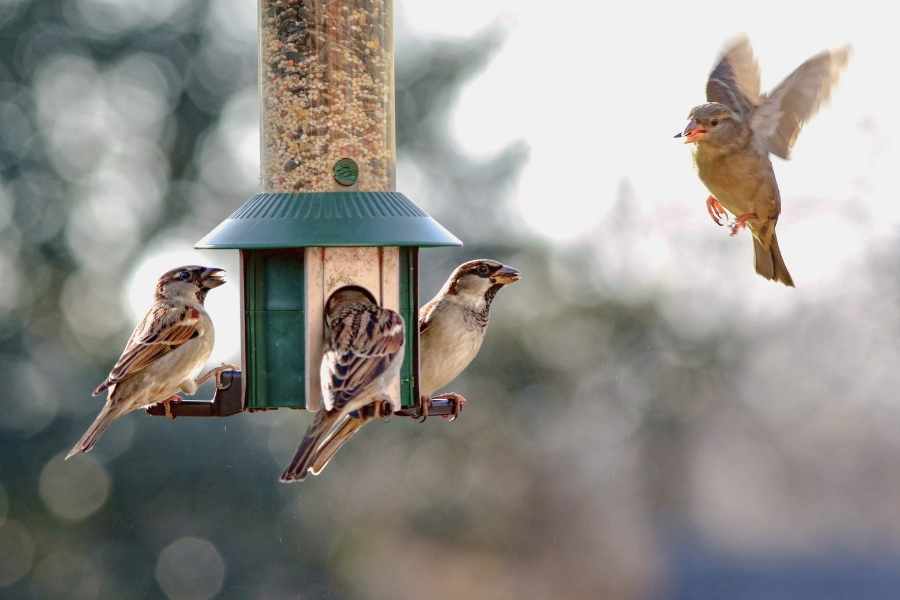
How to clean a bird feeder
It is important to keep feeders and the surrounding area clean to prevent the spread of disease. Thoroughly clean seed and tallow feeders every few weeks (and even more often in hot, humid weather). Remove and discard any remaining seeds.
Spray and clean the feeders with a 10 percent bleach solution (one-part bleach to nine parts water) and a stiff brush. Rinse well with clean water. Allow pans to dry completely before filling and replacing.
When to clean a bird feeder
Warm days in early spring are the perfect time to assess the condition of feeders that have been outdoors all winter. Check for cracks, broken hangers, or damaged baffles. Repair or replace them if necessary.
If you have a hummingbird feeder, you should also be on the lookout for cloudy sugar water and clean it more often. Hummingbird feeders can generate bacteria, which can cause serious infections in hummingbirds and even their babies.
Clean your bowls every one to three days using only hot water, and be sure to use a bowl that allows you to clean all the corners and crevices with a bottle brush.
Semi-regular deep cleaning is also essential for all bird feeders. Once or twice a season, take them out and wash them well with hot soapy water or wash them in the dishwasher. Many birds feed on the ground, so be sure to sweep up any bark and seeds thrown under and around feeders.
We Hope You Enjoy this Video
Source: Sussex Wildlife Trust
Did you find this post Useful or Inspiring? Save THIS PIN to your GARDENING Board on Pinterest! 

More Gardening Tips 👇🏼👇🏼