
Why Your Succulents Are Dying


Succulents are beloved for their low-maintenance nature and striking appearance, making them a go-to choice for both beginners and experienced gardeners.
However, even the hardiest succulents can suffer when not properly cared for.
If you've noticed your succulents wilting, discolored, or struggling to thrive, it could be due to common mistakes that are easy to fix with a little knowledge and attention.
Let’s dive into the most common reasons why your succulents might be dying and how you can bring them back to life.
1. Overwatering: The Silent Killer
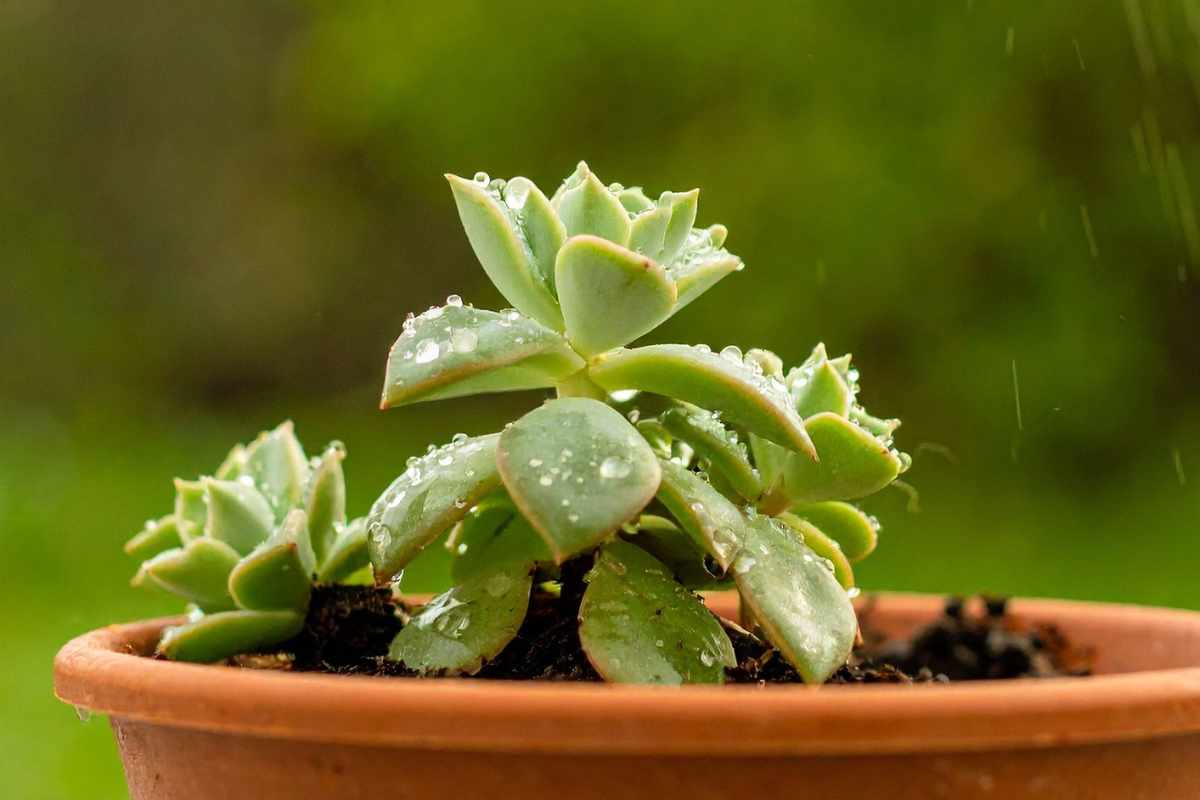
Succulents are adapted to dry, arid climates, which means they don’t require frequent watering.
However, it's easy to overestimate their water needs. Overwatering is one of the most common causes of succulent death.
Signs of Overwatering:
Yellowing or mushy leaves.
Root rot which can be detected by a foul smell from the soil.
Wilting, despite wet soil.
How to Fix It:
Always ensure your succulents are planted in well-draining soil.
Water only when the soil is completely dry. A good rule of thumb is to wait at least a week between waterings, and more during winter when succulents are dormant.
Use pots with drainage holes to allow excess water to escape.
2. Poor Drainage: The Root of the Problem
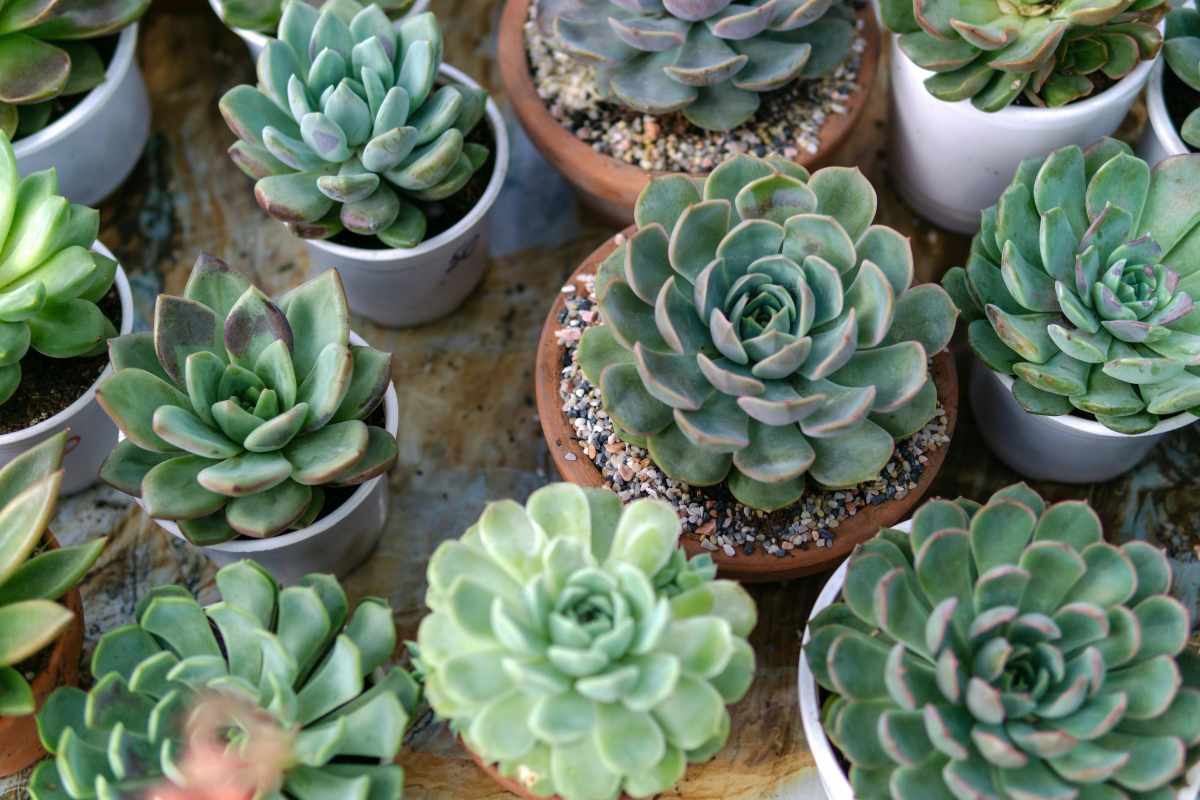
Even if you’re watering correctly, poor drainage can cause water to pool at the roots, leading to root rot.
Succulents need soil that drains quickly to prevent the roots from sitting in moisture.
How to Improve Drainage:
Use a cactus or succulent-specific potting mix, which contains materials like perlite or sand to promote drainage.
Opt for containers with large drainage holes, and always ensure water can escape freely.
If you’re using decorative pots without drainage holes, consider adding a layer of gravel at the bottom to create a drainage reservoir.
3. Incorrect Lighting: Not All Light is Equal
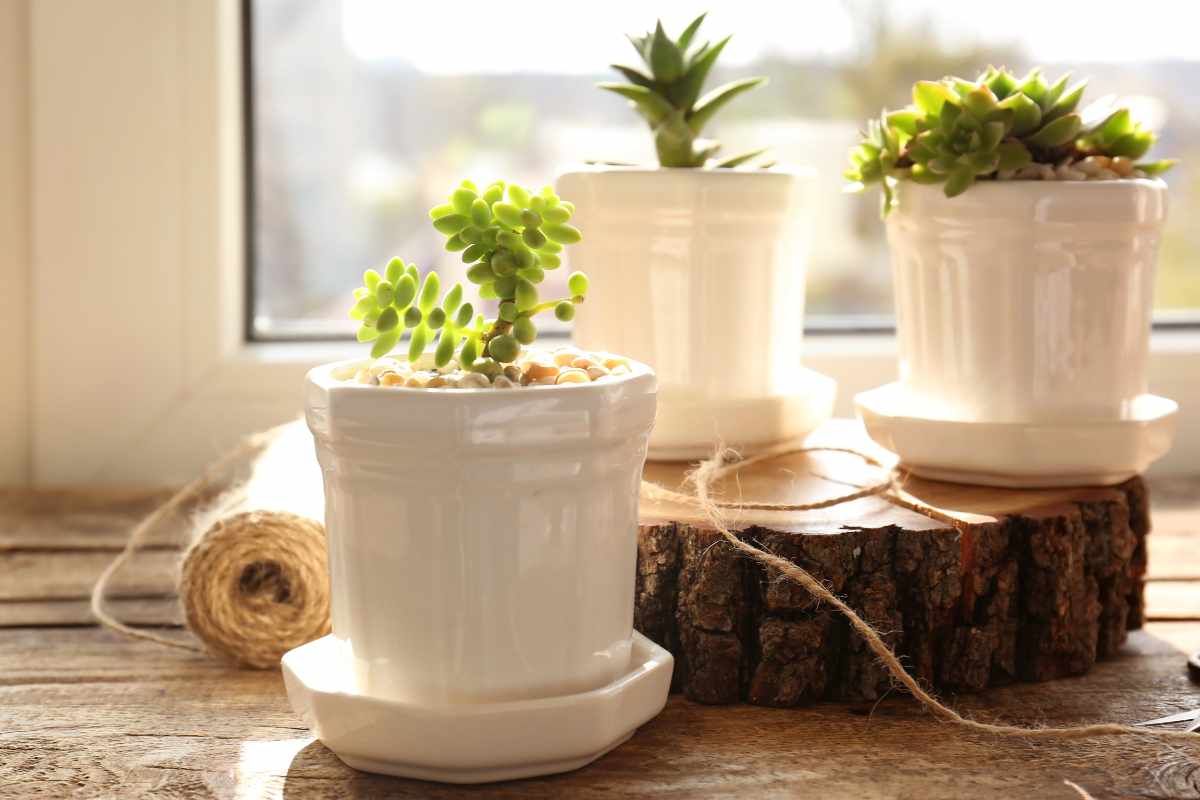
While succulents love sunlight, they can easily suffer if they don’t get the right kind of light.
Most succulents thrive in bright, indirect light, but some varieties can tolerate direct sunlight for short periods.
Signs of Improper Lighting:
Leggy growth (long, spindly stems with sparse leaves).
Sunburn, evident by browning or blackened spots on the leaves.
How to Fix It:
Place your succulents in a spot that gets at least 4-6 hours of bright, indirect sunlight each day.
If you’re growing succulents indoors, a south or west-facing window is ideal.
For succulents that require full sun, gradually acclimate them to direct light to prevent sunburn.
4. Pest Infestations: Hidden Trouble

Pests like aphids, mealybugs, and spider mites can wreak havoc on your succulents if left unchecked.
While these pests may be small, they can cause significant damage to the plant’s leaves and stems.
Signs of Pest Infestation:
Sticky residue on leaves (honeydew from aphids).
Webbing or small white cotton-like clumps (mealybugs).
Yellowing or deformed leaves.
How to Get Rid of Pests:
Gently rinse your succulents with water to remove pests.
For more persistent infestations, try using a mixture of rubbing alcohol and water (1:1 ratio) to spray on affected areas.
Neem oil is another natural remedy that can help keep pests at bay.
5. Poor Soil Quality: It's All About the Roots
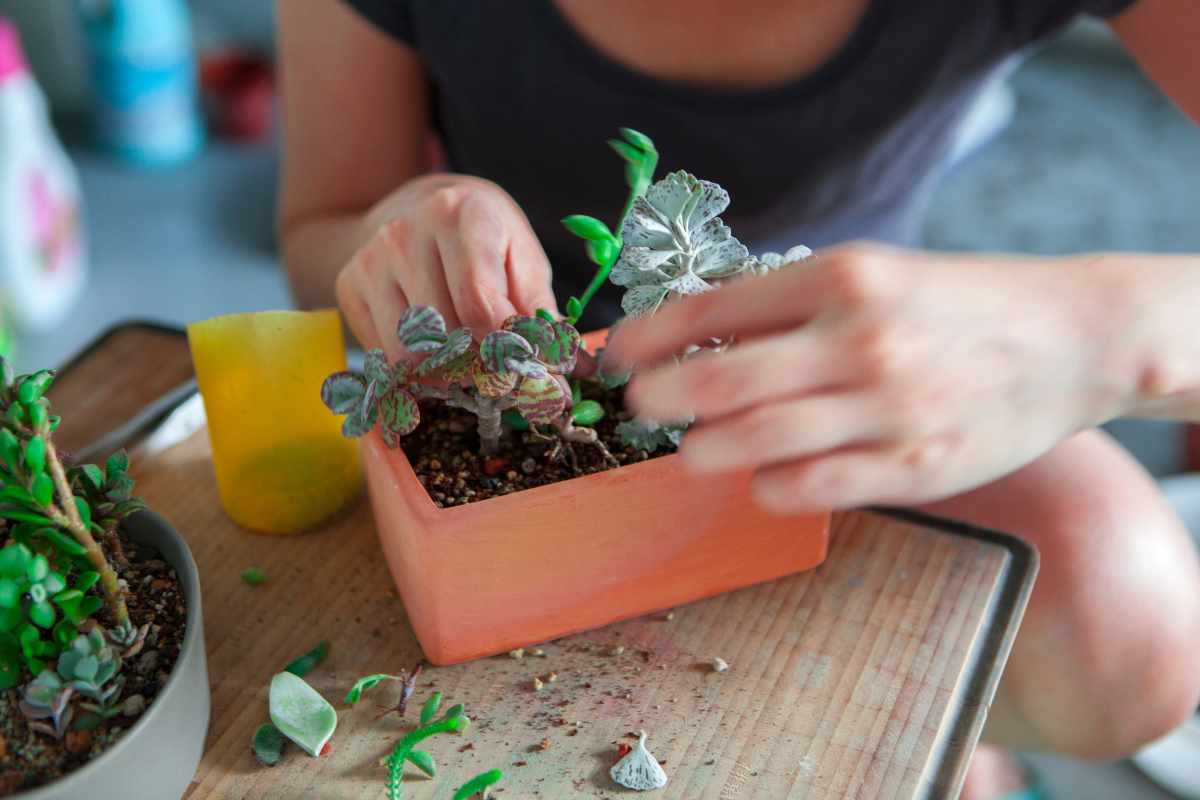
While succulents aren’t particularly picky about soil, they do need a well-aerated mix that doesn’t retain too much moisture.
Using heavy, moisture-retaining soil can suffocate their roots and cause them to rot.
How to Improve Soil Quality:
Always use a well-draining mix specifically formulated for succulents and cacti.
Consider adding extra sand, perlite, or pumice to your potting mix to enhance drainage.
If you’re planting in a container, make sure the soil is not too compacted.
Expert Tips for Thriving Succulents
Repotting: Succulents can outgrow their containers. Repotting them every 1-2 years helps prevent root rot and gives them room to grow.
Seasonal Care: During the growing season (spring and summer), succulents need more light and water. In winter, reduce watering and ensure they’re in a cooler area.
Watering Technique: When you water, do so thoroughly, ensuring water flows out of the drainage holes. This helps flush out any salts or minerals that may accumulate in the soil.
Keep Your Succulents Healthy and Happy
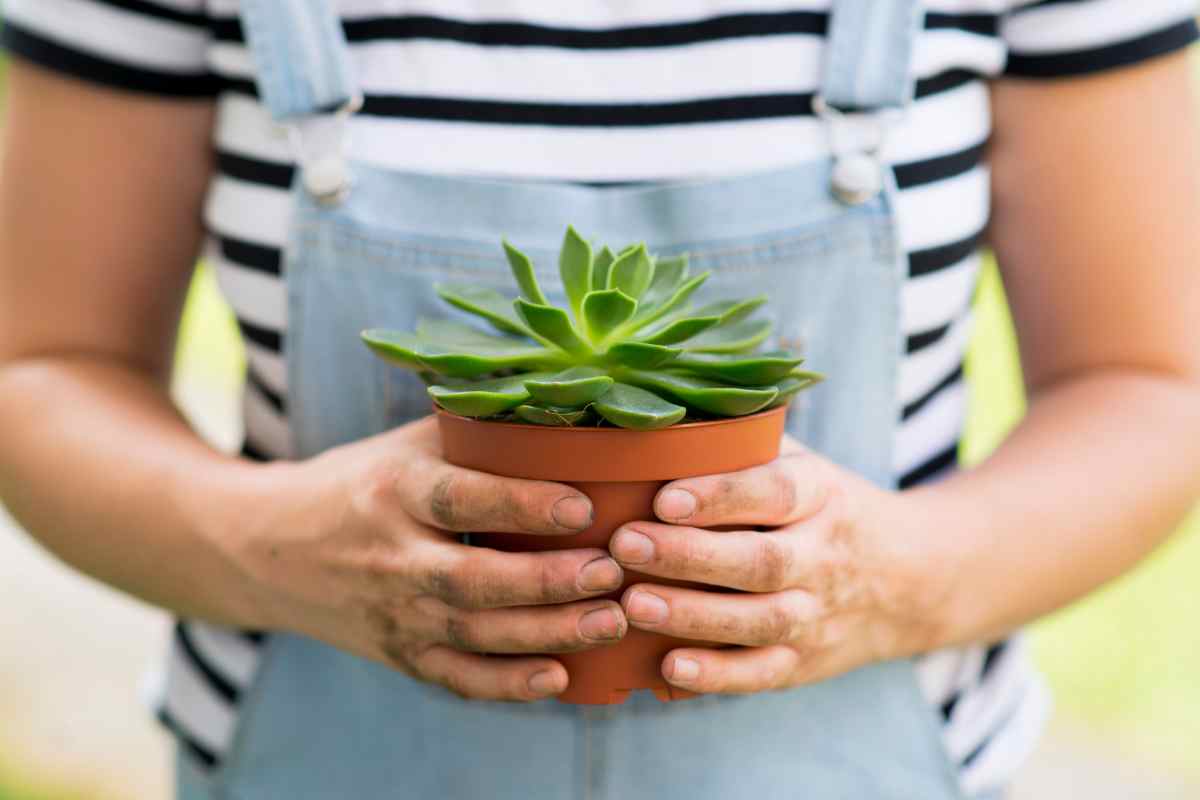
Caring for succulents is simple once you understand their needs.
Overwatering, poor drainage, improper lighting, pests, and inadequate soil are all easily fixable issues that can help your succulents thrive.
With a little patience and care, you can keep your plants healthy and vibrant for years to come.
Don’t forget to Subscribe to our Newsletter to receive amazing tips and tricks about Gardening and the FREE Ebook Green Living Strategies!
Did you find this post Useful or Inspiring? Save THIS PIN to your GARDENING Board on Pinterest! 😊

Once again, thank you for visiting our website!
We hope you've enjoyed exploring the content we've created for you.
Give yourself the chance to learn, get inspired, and have even more fun, keep browsing...
More Gardening Tips 👇🏼👇🏼