
3 Wabi Sabi Living Room Interior Design Tips


Wabi Sabi Living Room Interior Design is about embracing the beauty of imperfection, the poetry of patina, and the calm that arrives when we edit our spaces down to what truly matters.
Instead of chasing perfect symmetry or glossy, untouched finishes, the wabi-sabi approach celebrates natural texture, subtle asymmetry, and pieces that feel lived-in.
In a world of fast décor and fleeting trends, the Wabi Sabi Aesthetic offers a slower, more soulful way to shape your home—one that values craft, time, and the gentle stories embedded in materials.
If you’ve been craving a living room that looks serene, feels grounded, and ages gracefully, you’re in the right place.
What Makes Wabi-Sabi Feel So Calm?
At its core, wabi-sabi blends nature, restraint, and authenticity. Think limewash walls, heirloom wood with visible grain, raw ceramics, and textiles that soften over years of use.
The goal isn’t to impress; it’s to inhale, exhale, and land in a room that quietly supports your life. This understated vibe connects the living room to the wider language of Wabi Sabi Home Interior Design and the warm minimalism you’ll find in a Japanese Wabi Sabi Interior.
Tip 1 — Edit, Ground, and Let Materials Lead
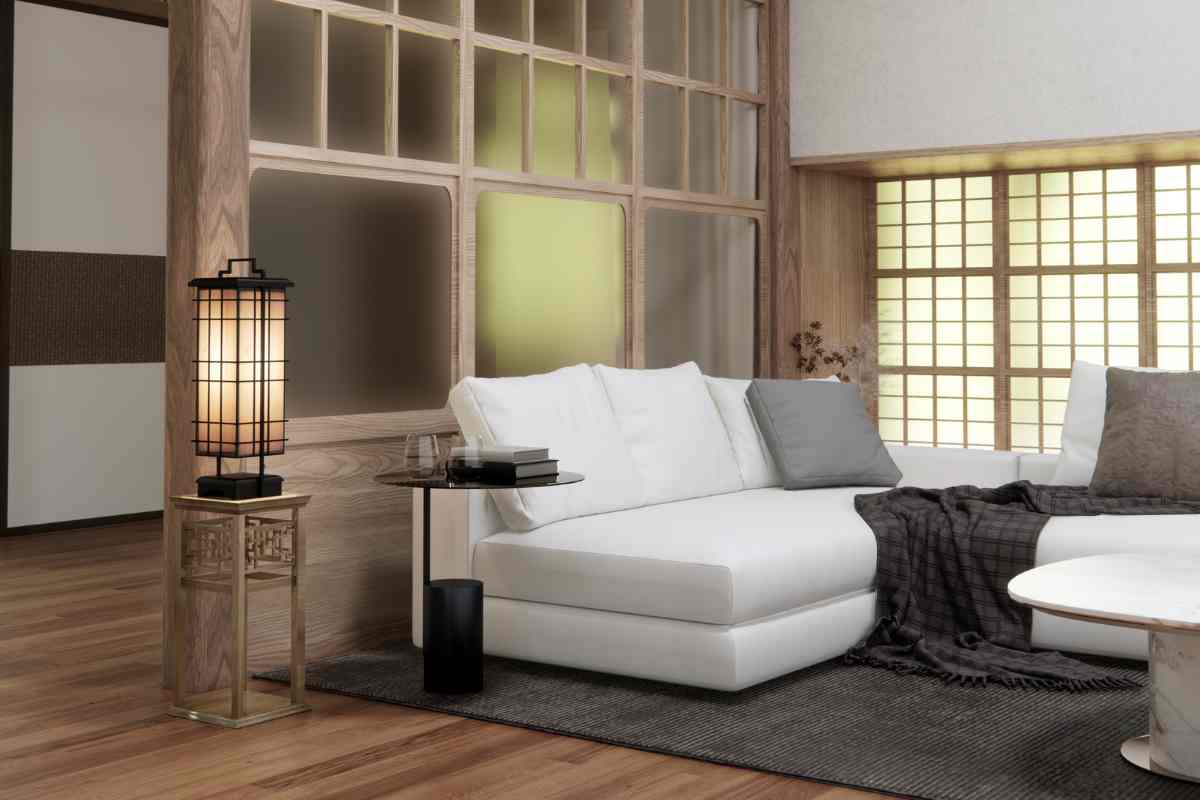
Start with a radical edit. Remove anything that doesn’t serve comfort or meaning. Wabi-sabi spaces are curated, not crowded. Choose a limited palette—earth whites, bone, mushroom, soot—and let one or two materials take the spotlight.
A low, chunky wood coffee table with knots and soft edges can anchor the room. Linen slipcovers, wool throws, and handmade pottery add tactility without noise. This creates a living room that feels like a deep breath.
To put it into action, clear surfaces and evaluate each item. Ask: does this object add warmth or weight? If it’s visual clutter, store it. Replace glossy, mass-market decor with pieces that show texture and hand.
A matte vase, a rough stone bookend, or a weathered bench brings soul to the composition. When you build from texture outward, your modern lounge naturally echoes Modern Wabi Sabi Interiors while remaining personal.
Pro move: create a quiet corner with a floor cushion, a handmade stool, and a single art piece framed in raw oak. The negative space around it is just as important as the objects themselves. That breathing room is where wabi-sabi lives.
Tip 2 — Compose a Living Moodboard With Light and Patina
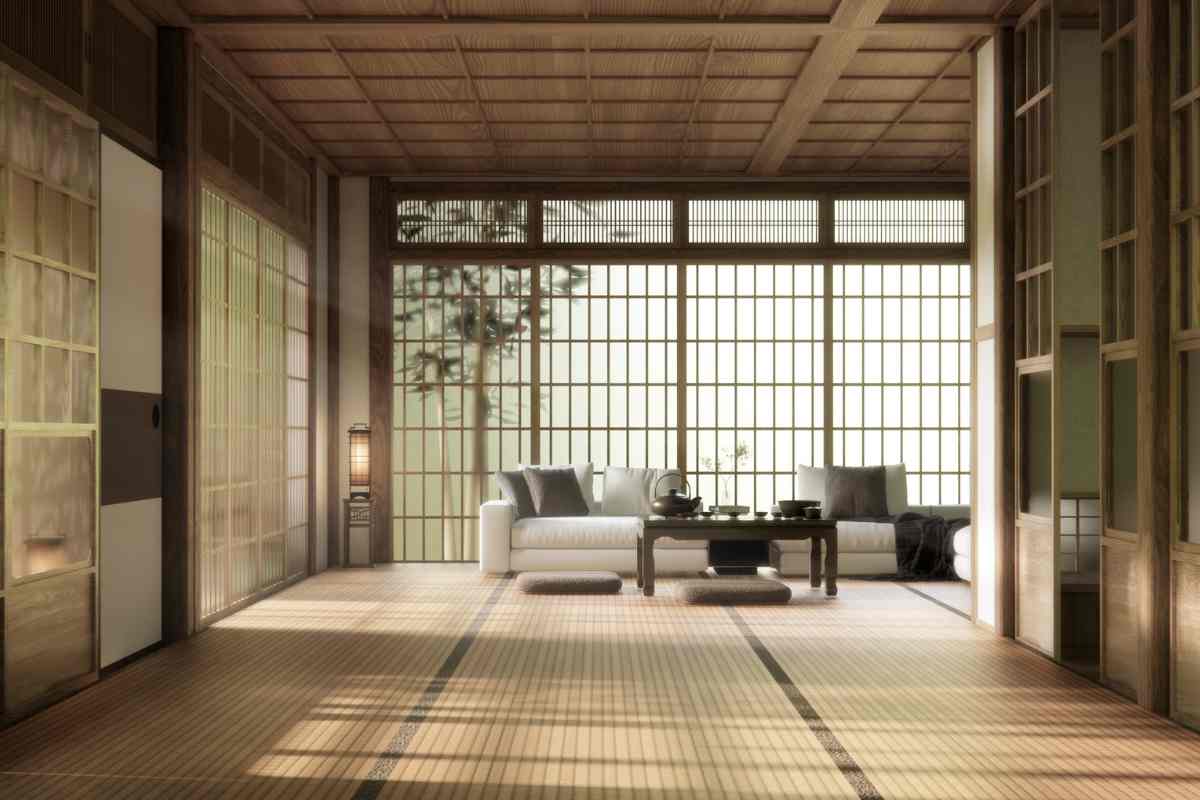
Before you buy anything new, build a tactile “kit” from what you own. Think of your room as a living Wabi Sabi Moodboard: gather a stack of linen swatches, a piece of driftwood, an aged brass tray, a ceramic cup with an irregular rim.
Place them together on your table and study the tones and textures at different times of day. Light reveals the truth; wabi-sabi loves morning haze and the long gold of late afternoon.
Let patina be a co-designer. If your leather lounge chair has creases, keep them. If your travertine side table shows tiny pits, highlight them with soft raking light.
Swap bright overhead fixtures for lamps with paper or fabric shades to achieve that cloudlike glow typical of a Japanese Wabi Sabi Interior. The aim is a layered calm that feels discovered, not decorated.
Pro move: use a dimmer and a paper lantern to sculpt shadows after sunset. Shadows soften edges and make the room feel timeless—an instant nod to the quiet drama of Wabi Sabi Home Decor.
Tip 3 — Mix Humble Craft With Intelligent Minimalism

Wabi-sabi isn’t rustic for the sake of rustic; it’s sincere. Pair humble craft with smart minimalism so your room reads as composed, not chaotic.
A single, substantial piece—like a hand-thrown vessel—can carry more poetry than a shelf full of trinkets.
Combine it with clean-lined seating and a low-slung rug for balance. This dialogue between handmade and pared-back is the heartbeat of a refined, contemporary take on the style.
Introduce one storied object from your travels or family history. A weathered stool, a vintage tea table, or a textile with repaired stitches (boro or sashiko) anchors the space emotionally.
Then keep the rest simple: a neutral rug, a limited color story, and open sightlines. You’ll get a living room that feels modern yet deeply human—exactly where Wabisabi Interiordesign meets everyday life.
Pro move: elevate the ordinary. Display a stack of well-loved books, a clay cup, and a branch in a glass cylinder. Arrange them with intention on a single plane. This restrained styling makes even simple objects look quietly magnetic.
Style Crossovers: From Living Room to Whole Home
Once your living room finds its rhythm, the aesthetic flows easily into adjacent spaces. In a Wabi Sabi Apartment, for instance, repeating the same palette and textures keeps small footprints cohesive and calm.
A hallway bench in raw oak, a linen curtain pooled slightly at the floor, and a single botanical print can stitch micro-spaces into one serene narrative.
Bedrooms, too, are natural allies. You don’t need to redesign from scratch—apply the same principles of comfort, texture, and stillness.
We love how a Wabi Sabi Style Bedroom makes winding down restful and real: think nubby blankets, low light, and wood that’s allowed to be wood.
Curious about sleeping spaces? Explore ideas that translate directly from your lounge to the night zone. Whether you’re mapping a full Wabi Sabi Bedroom Design or simply swapping bedding and bedside lights, the results can be profound without being precious.
Material & Color Notes for a Modern Edge
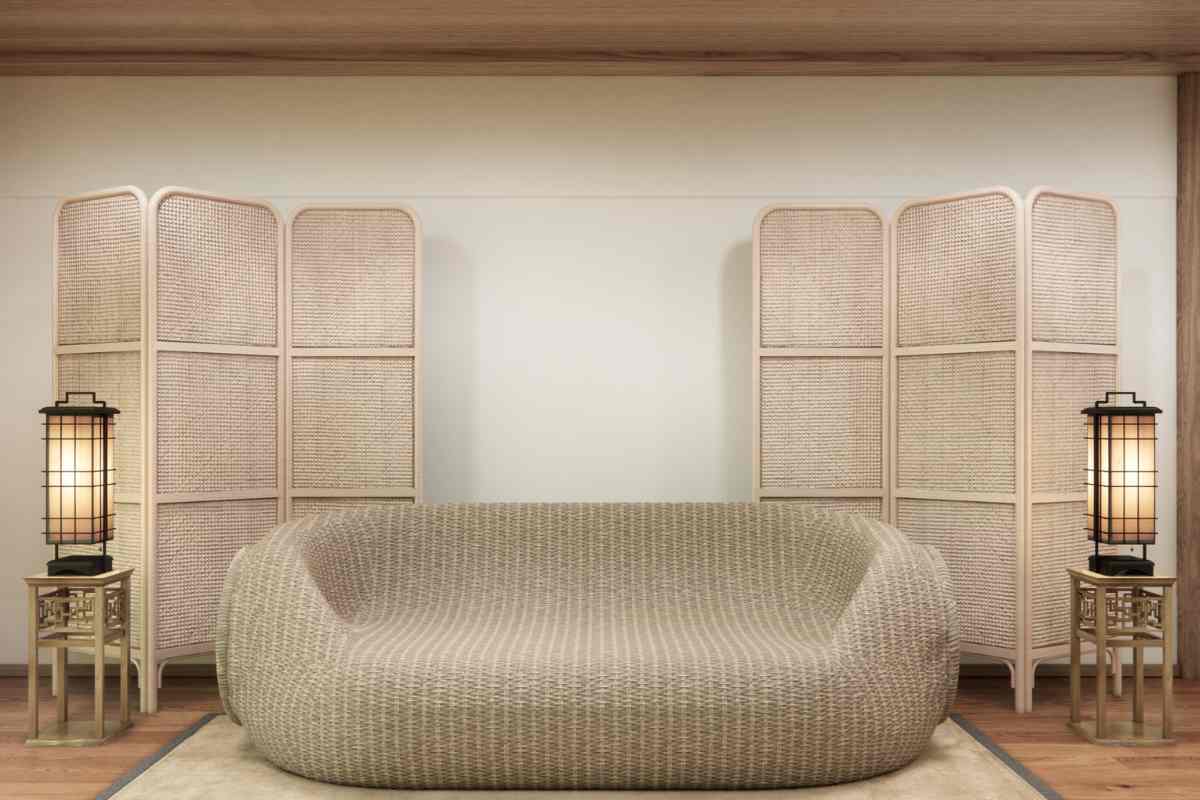
To give your room a current, gallery-like polish, borrow cues from Modern Wabi Sabi Interiors: limewash or clay paint, blackened steel accents, and pale, open-grain oak.
These choices keep the palette calm yet contemporary, ensuring your space feels edited rather than themed. Avoid heavy ornamentation; let joinery, grain, and weave do the talking.
Keep color temperature consistent. Warm whites and taupes support the quiet mood; too many competing tones can feel busy.
If you crave contrast, introduce it through Wabi Sabi Home Decor textures—charcoal pottery, smoked glass, or an ink-brushed artwork—rather than loud hues.
Finally, design for aging. Choose finishes that improve with time: oil-rubbed wood, unlacquered brass, linen that softens, and wool that felts slightly where you sit. This is sustainability you can feel—style that welcomes use.
A Quick Visual Primer
If you’re a visual thinker, sketch your room as a simple zoning plan and assemble a tabletop mockup. That “mini set” is your working Wabi Sabi Moodboard.
Place a small rug sample, a wood offcut, a ceramic tile, and a swatch of linen side by side. If the combination whispers rather than shouts, you’re close.
Photograph it in morning and evening light and choose the moment that best expresses your intent.
Use that photo to guide sourcing and styling, just as you would when planning Wabi Sabi Home Interior Design for multiple rooms. It’s a low-pressure way to test ideas before moving furniture or investing in new pieces.
Learn More About Imperfect Beauty
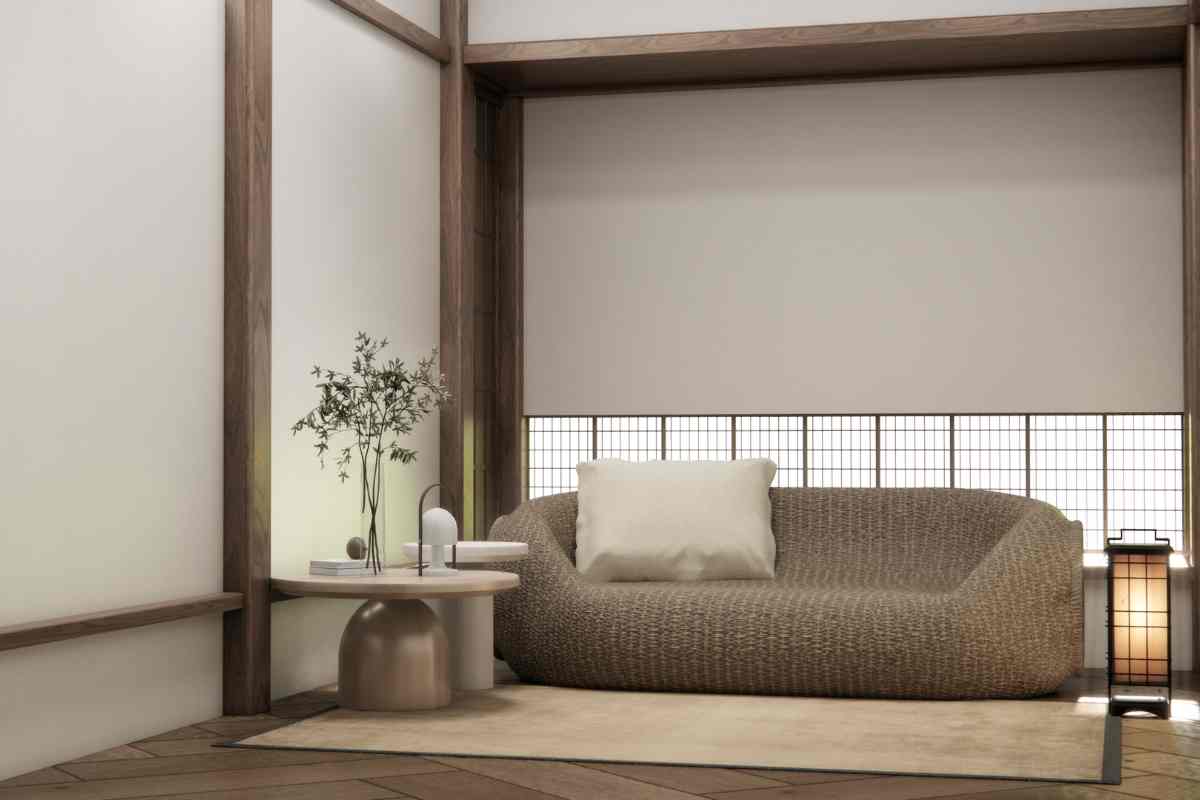
Want to dive deeper into the philosophy behind this calm, tactile look? Read our feature on embracing imperfection in contemporary spaces: Designing With Imperfection: Wabi-Sabi in the Modern World. It expands on the mindset that makes Wabi Sabi Living Room Interior Design feel so restorative.
From Living Room to Bedroom: Keep the Thread
As your living area settles, carry the language into quieter zones. A Wabi Sabi Style Bedroom doesn’t need many objects—just a few, chosen well.
Think linen duvet, a single ceramic lamp, and a timber stool as a nightstand. The same logic can touch entryways and dining nooks across a Wabi Sabi Apartment, keeping the home cohesive without becoming predictable.
If you’re coordinating across rooms, remember that harmony beats uniformity. Borrow materials, repeat a tone, and let each space riff on the theme. That’s how Wabi Sabi Home Decor evolves naturally.
Why This Works (And Feels So Good)
Wabi-sabi aligns design with life. It accepts that surfaces will scuff, textiles will wear, and finishes will deepen in color.
Rather than fighting that evolution, it frames it as character. This mindset—quiet minimalism plus honest materiality—explains why so many designers reference the mood of a Japanese Wabi Sabi Interior when seeking calm, human spaces.
When you blend intention with restraint, your lounge becomes a sanctuary. That’s the essence of Wabisabi Interiordesign: human scale, tactile comfort, and a visual hush that never feels empty.
Ready to See It in Action? Watch the Video
We curated this guide to pair with an inspiring YouTube video that captures the spirit of wabi-sabi in a living space. Credit to the original creator for showcasing materials, light, and composition in a way that’s both instructive and meditative.
Watch the Full Video Here

More Home Tips 👇🏼👇🏼