
How Collector Overflow Works


Bathroom sinks and some other accessories include an overflow opening in the sink. This opening is located on the wall of the base closest to you, near the top of the container.
The overflow opening has two important functions: If the water faucet is left open while the drain cover is closed, the opening will channel the water into the drain opening, rather than letting it fall from the sink onto the floor.
The overflow allows the sink to drain faster, drawing air into the system.
Tip
Some trendy or DIY sink options, like a DIY concrete sink in a bathroom or some lavatory sinks, may not include an overflow opening.
While adding another opening to these sinks can affect their appearance, overflow openings serve important purposes, so choose your manifold options without overflow valves carefully and with the knowledge that overflows may be more likely.
How Collector Overflow Works
A standard sink overflow is a hidden channel that runs the length of the bottom of the sink. You may not be able to see it from above the sink, and often you cannot see it from below either. At the top of the overflow channel, there will be one or two holes near the edge of the sink.
The bottom of the gutter has an outlet hole that allows the water to drain into the drain just below the sink. The sink and overflow drain into the same drain pipe, but the overflow is always open and is not affected by the sink plug.
Function 1: prevent water overflow
If you close the bathroom sink drain and fill it to the level of the overflow hole, water will start to come out of the overflow opening and go down the drain.
This helps prevent water from spilling over the top of the sink, but since sink overflow holes are usually small, they may not prevent overflow for long. If the faucet is running at full volume, the overflow tube can only delay the overflow of water for a short period.
It is a common misconception that the sink overflow prevents water from overflowing if the sink drain is clogged. But the overflow outlet in most sinks is very close to the drain opening in the sink, and an obstruction between the drain opening and the overflow outlet is unlikely to occur in a way that blocks the former but not the last.
A bathroom sink overflow actually protects against overflowing when the lid is closed and the faucet is accidentally left open, not in the case of clogs.
Drain drains in bathtubs are slightly different and have more distance between the drain opening and the overflow fixture. The overflow fixture in a bathtub can still work to prevent water from overflowing if there is a blockage near the bathtub drain opening.
Function 2: improve drainage
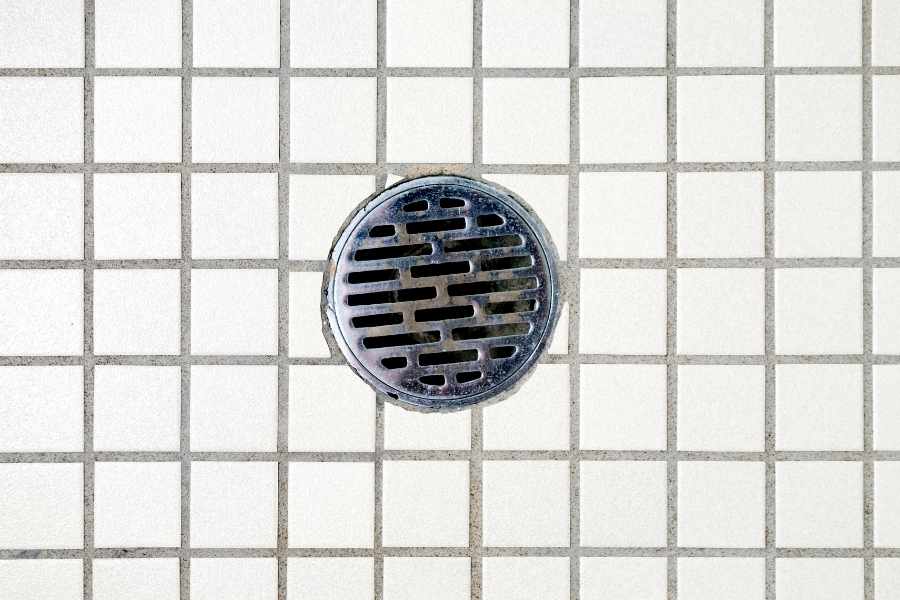
The sink overflow helps drain the sink faster by allowing air to enter the drain tube through the overflow channel. When there is enough water in the sink to completely cover the drain opening, the drain cannot let air through the water, creating a suction effect that slows the flow of water down the drain.
However, with the overflow feeding the drain pipe, the suction effect is reduced and the water flows much faster. On the other hand, sinks that don't have overflow openings generally send out bubbles as they drain and generally drain more slowly.
We hope you enjoy watching this video about How Collector Overflow Works

Source: Salvajor Company
Did you find this post useful or inspiring? Save THIS PIN to your HOME Board on Pinterest! 😊

Once again, thank you for visiting our website!
We hope you've enjoyed exploring the content we've created for you.
Give yourself the chance to learn, get inspired, and have even more fun, keep browsing...
More Home Tips 👇🏼👇🏼