
How to Clean Every Type of Grill

Keeping your grill clean is the fastest way to protect flavor, prevent flare-ups, and extend the life of every component.
A good routine does not require special gear or abrasive products—just hot water, mild dish soap, a soft brush, and a little consistency.
Below you’ll find a friendly, practical guide for gas, charcoal, pellet, flat-top, electric, and kamado models, plus care by grate material, troubleshooting, and two simple rhythms: a quick post-cook tidy and a seasonal deep reset.
Everything is written in smooth paragraphs for easy reading on mobile, with clear safety reminders and bolded SEO phrases where it helps.
Before You Start: Safety First and Setup
Begin with a cool or just-warm grill so grease wipes more easily while protecting your hands.
Shut off and disconnect fuel on gas grills, unplug electric grills, and close vents on charcoal and kamado models when you are done cooking.
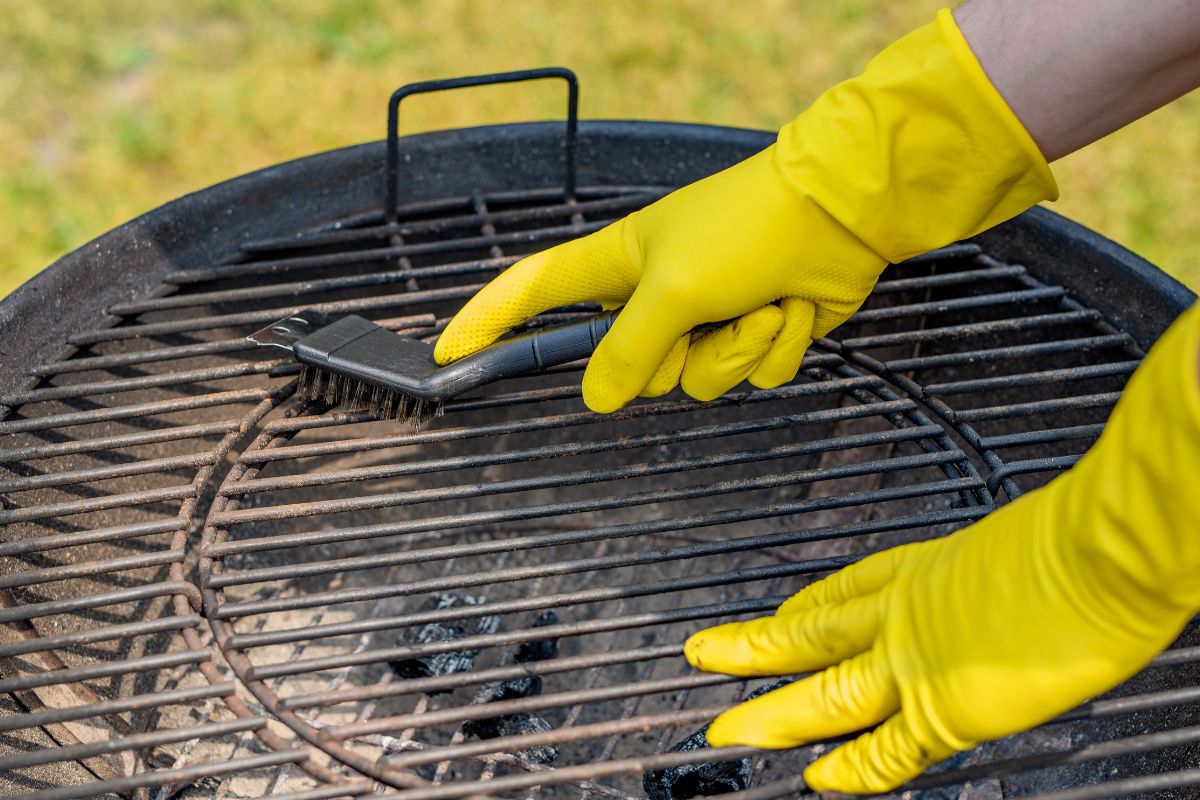
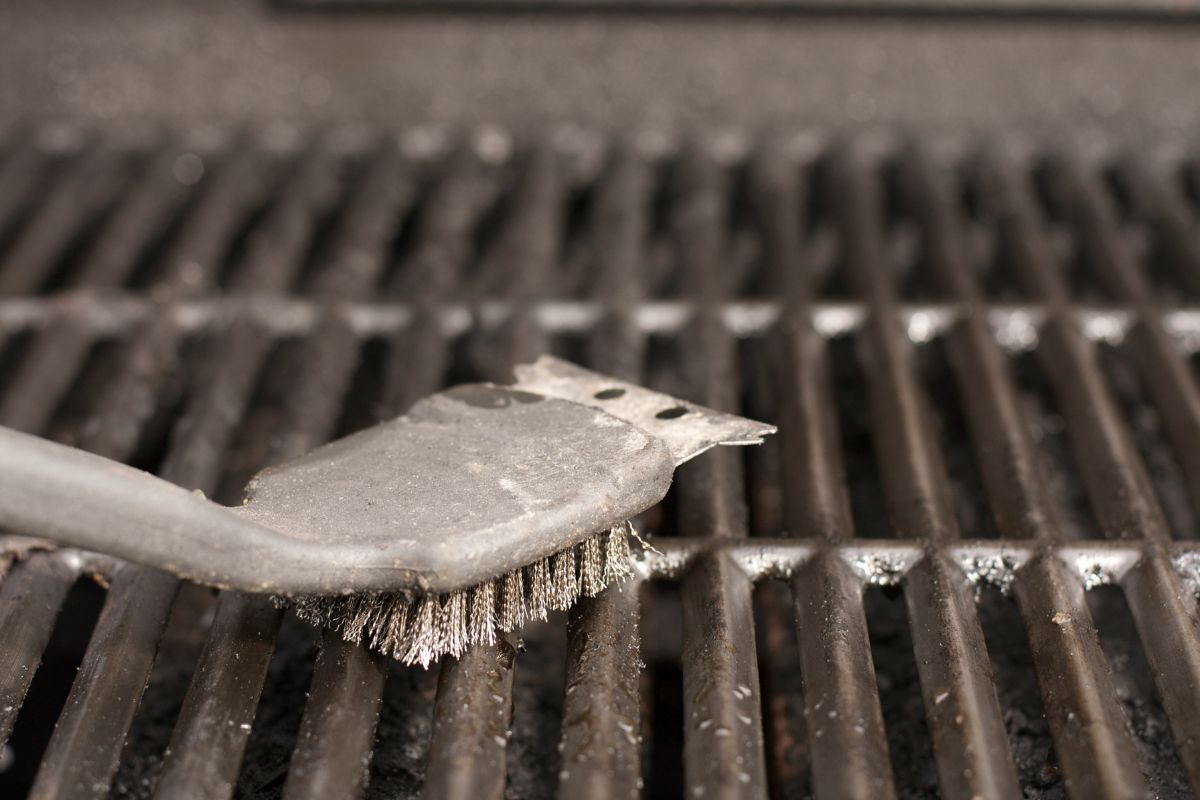
Skip wire-bristle brushes that can shed and choose a nylon, coil, or natural-fiber brush. Keep a bucket of hot, soapy water, a plastic scraper, microfiber cloths, and a small food-safe degreaser for stubborn spots.
When residue is really stuck, a little steam cleaning on warm grates—a damp folded towel pressed with tongs and the lid closed for a few minutes—lifts buildup without harsh chemicals.
Your Two-Rhythm Cleaning Strategy
Think in two timeframes that keep maintenance light and food tasting great. After each cook, do a quick 10-minute routine to remove fresh residue before it carbonizes.
Two or three times a year, perform a seasonal deep clean to reset airflow, even out temperatures, and protect finishes. This balance is the secret to how to clean a grill efficiently without turning it into a chore.
 Gas Grills: Even Heat Starts with a Clean Firebox
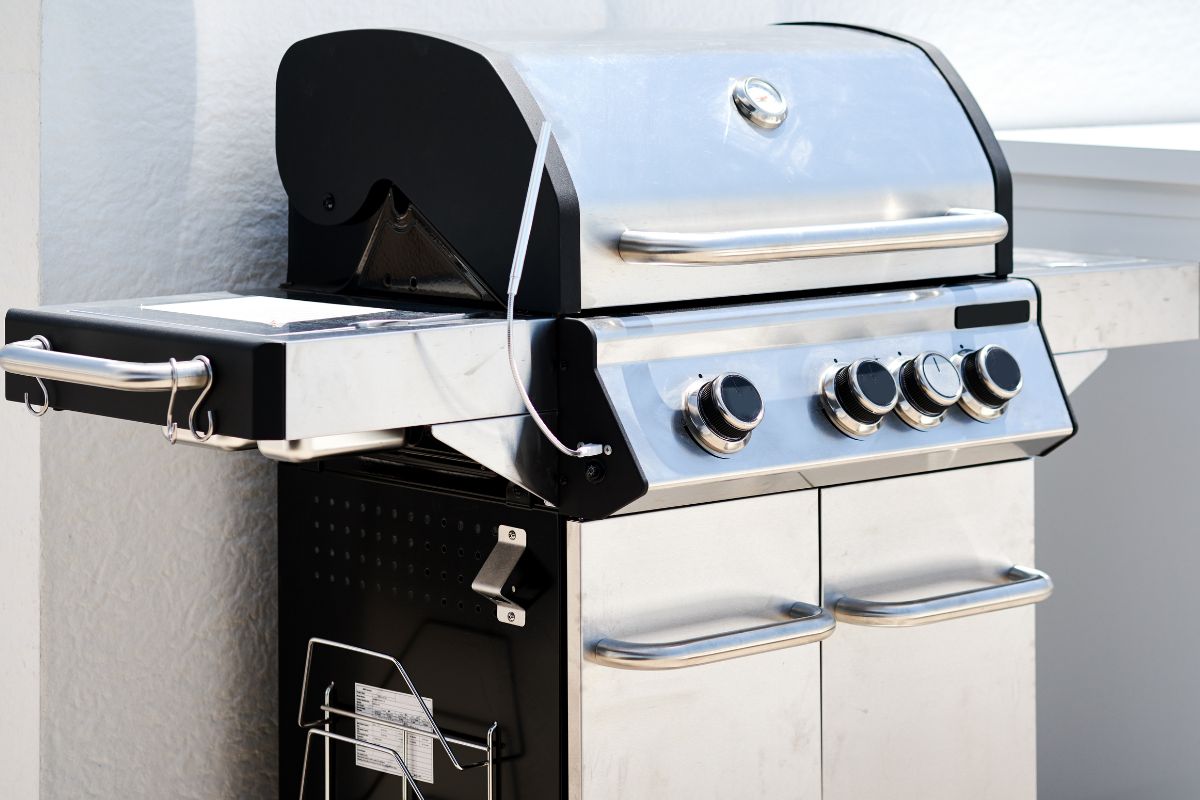
For how to clean a gas grill, take advantage of heat to do the heavy lifting. When you finish cooking, run the burners on high with the lid closed for five minutes to burn off food sugars and fats.
Turn everything off, let the grates cool to warm, and brush them until smooth. Wipe the exterior with a damp soapy cloth, then dry with microfiber to prevent water spots.
During a deep clean, close the gas supply, lift out grates and flame tamers/heat tents, and use a plastic scraper to move carbon toward the grease tray.
Empty and wash the tray, then check burner ports; if a few are clogged, gently clear them with a wooden toothpick. Reassemble, preheat on medium, and very lightly oil cast-iron grates to re-season.
This simple regimen restores even heat, reduces flare-ups, and keeps that signature grilled flavor clean rather than bitter.
Charcoal and Kettle Grills: Ash Management Is Everything
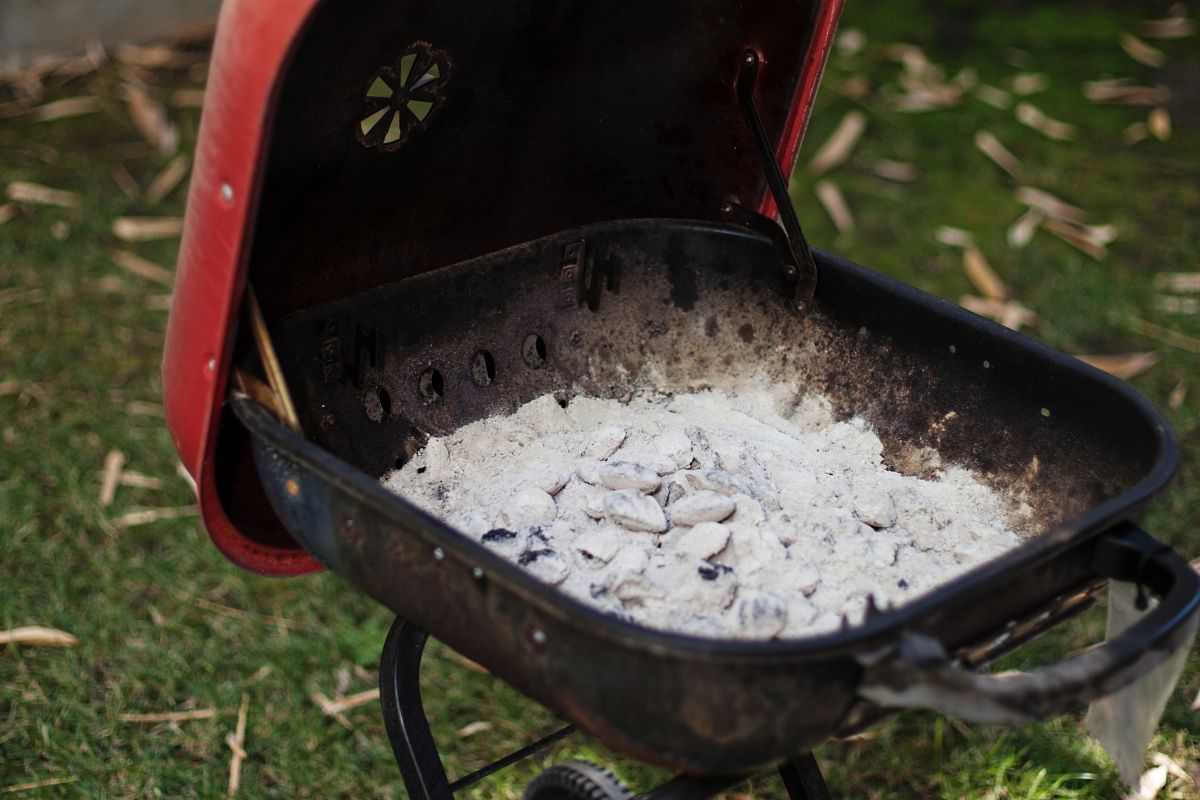
If you want to clean a charcoal grill, focus on ash. After coals are fully extinguished and cold, dump the ash so it cannot trap moisture and corrode the bowl.
Wipe the lid interior to remove flaky soot so condensate does not drip onto food later.
For a deep reset, remove the cooking and charcoal grates, scrape loose carbon from the bowl, wash with hot, soapy water, rinse, and dry thoroughly.
Keep vents free of debris so airflow remains strong; better airflow means hotter, cleaner burns next time. Lightly oil steel or cast-iron grates to prevent rust.
 Pellet Grills and Smokers: Clean Smoke Requires a Clean Firepot
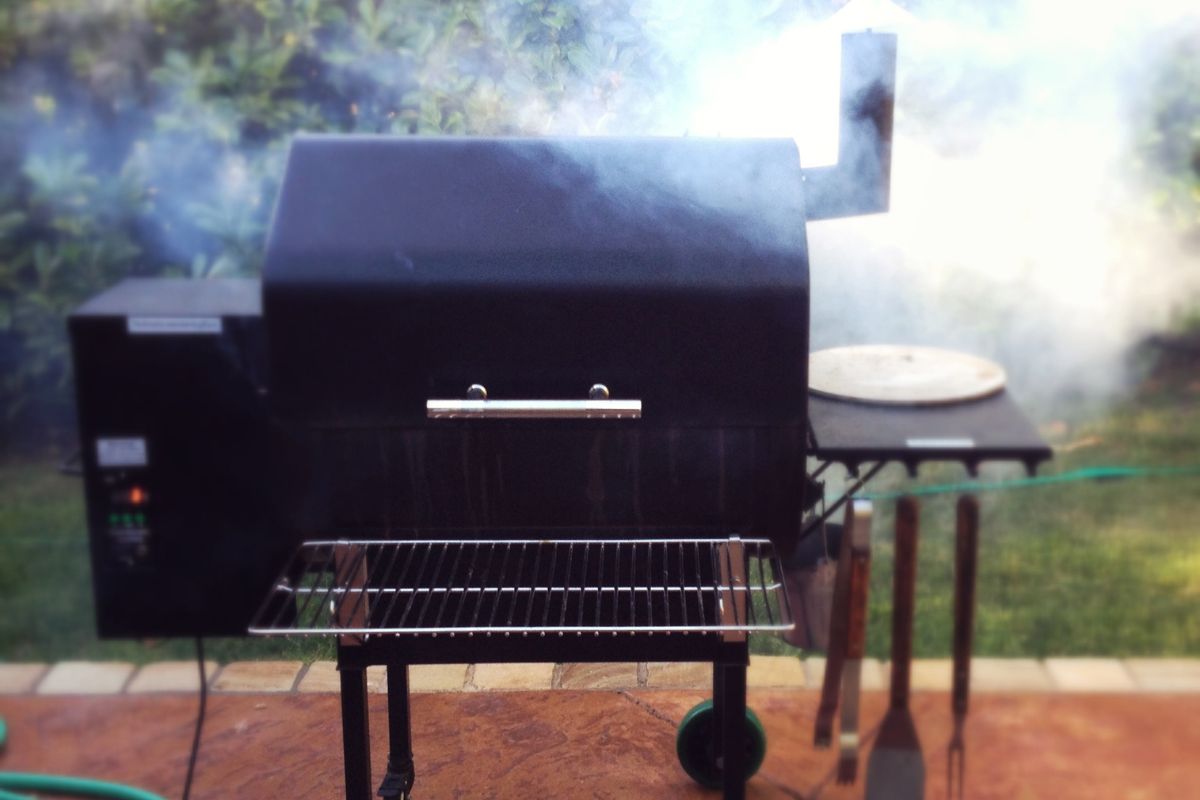
With pellet grills, consistency is the goal. After each cook, brush the grates while warm and empty the grease bucket before it turns rancid.
For seasonal care, remove grates, heat deflector, and drip pan. Vacuum cool ash from the firepot and lower chamber to prevent ignition issues and temperature swings.
Wash the drip pan and deflector in hot, soapy water and wipe the temperature probe gently so readings stay accurate. Store pellets dry to avoid auger jams.
A tidy pellet system produces steady temperatures and a delicate, clean smoke that honors your rubs and sauces.
Flat-Top Griddles and Planchas: Keep the Seasoning Happy
Flat-tops reward minimalism. While the surface is warm, scrape food bits toward the drain, splash a little hot water to deglaze, and wipe dry.
Spread a teaspoon of neutral oil with a folded paper towel to maintain a thin protective film. If hardened patches appear, add hot water and use a griddle stone or non-metal scraper until smooth.
Avoid soap on raw steel tops; instead, rely on heat, water, and oil to preserve that sleek, naturally nonstick seasoning.
 Electric and Indoor Contact Grills: Gentle Wins
For how to clean an electric grill, unplug first and let it cool. If the plates are removable, wash them in warm, soapy water.
If they are fixed, apply a small amount of dish soap on a damp cloth, wipe, then follow with a clean damp cloth and a dry towel.
Empty grease trays and channels so they do not overflow during your next cook. Protect nonstick coatings by skipping abrasives and making a light oil wipe before cooking to help food release cleanly.
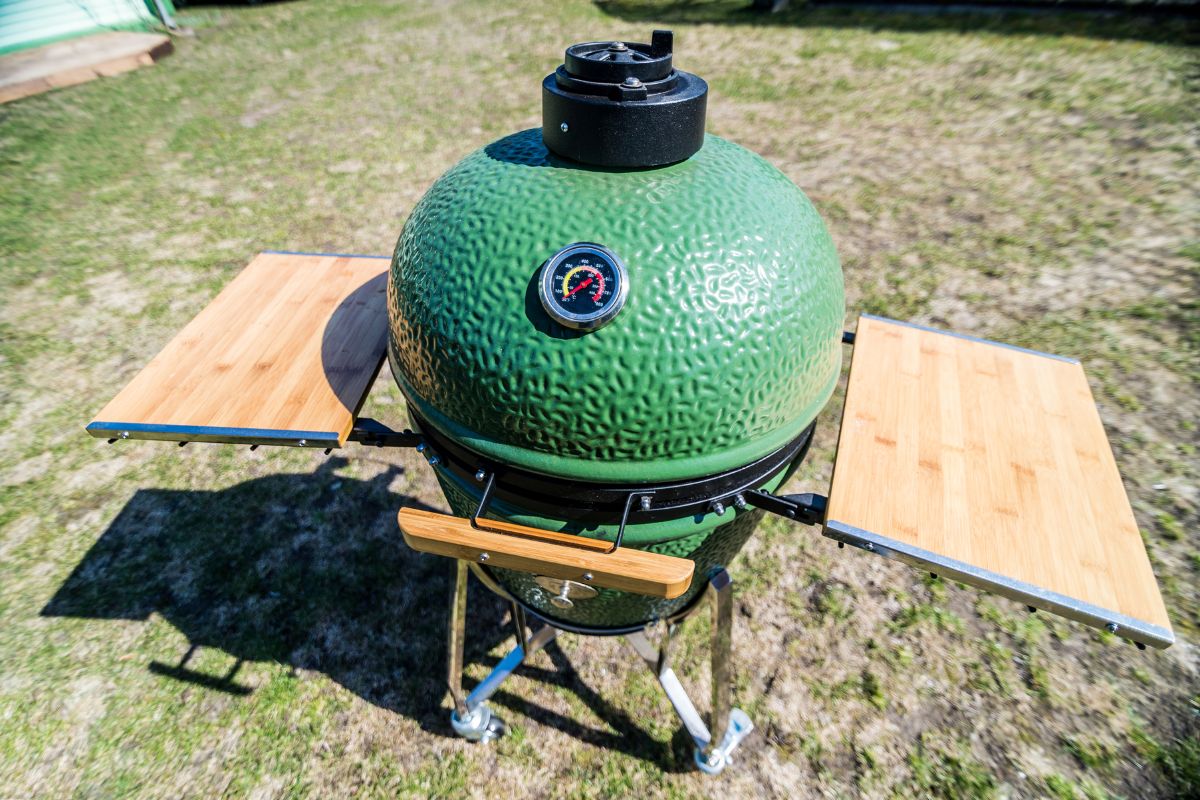
Kamado and Ceramic Grills: Tidy Interior, Accurate Temperatures
Ceramic cookers love occasional high-heat maintenance. After normal cooks, close vents to extinguish coals and brush cool grates.
A few times a season, run a clean burn at 500–600°F for 20–30 minutes to carbonize internal grease.
Once cool, brush away ash and soot, then wipe the exterior ceramic with mild soap and water. Keep the gasket free of sticky residue so it seals tightly for precise temperature control on long cooks.
 Care by Grate Material: Stainless, Porcelain, and Bare Cast Iron
Grates respond best to care that respects their finish. Stainless-steel grates are easygoing: brush warm, wash when needed, dry thoroughly, and swipe a thin film of oil before cooking for cleaner release.
Porcelain-coated cast iron delivers superb sear marks; protect the coating by using soft brushes and avoiding metal tools.
Bare cast-iron grates behave like your favorite skillet: after washing and drying, apply a thin, even coat of high-smoke-point oil and heat the grill for 10–15 minutes to polymerize.
This builds a slick, rust-resistant seasoning that only gets better with use.
Grease Paths, Drip Trays, and Why Flare-Ups Happen
Grease that lingers will smoke harshly and can ignite. Keep drip trays and channels empty and clean so they do not pool.
If your manufacturer allows liners, use foil to make swaps fast. On gas grills in particular, maintaining clear grease paths is a simple way to prevent grease fires and keep flavors bright instead of acrid.
 A Quick 10-Minute Post-Cook Routine You’ll Actually Do
Right after the last burger comes off, give the grill a short finish cycle. On gas, close the lid and run high heat for a few minutes to burn away residue; on charcoal, open vents briefly for the same effect.
Turn off or close vents, brush grates while warm, wipe exterior surfaces with a soapy cloth, empty ash or grease if needed, and crack the lid for a moment to release steam.
This tiny habit locks in clean flavor for next time and keeps deep cleans short and painless.
Your Seasonal Deep Clean: The Reset That Changes Everything
When seasons change, set aside one relaxed session. Disassemble the obvious parts—grates, heat shields, drip pan—and soak what can be soaked in hot, soapy water.
Scrape the firebox, vacuum ash where applicable, clear burner ports on gas models, refresh liners in grease trays, and re-season cast iron.
A careful reset restores even temperatures, prevents corrosion, and makes the grill feel brand-new again.
 Troubleshooting: From Mold to Stubborn Carbon
If a resting grill develops mold in humid weather, perform a high-heat burn-off, cool, then wash grates in hot, soapy water and dry completely.
For thick, glassy carbon on lids or bowls, use a plastic scraper first and follow with hot water; avoid oven cleaners on cooking parts and stick to food-safe products.
If cast iron shows surface rust, scrub gently, dry thoroughly in gentle heat, and re-season with a thin oil coat.
On pellet grills, temperature swings often mean ash in the firepot or damp pellets—vacuum and refresh with a dry batch.
On gas grills, uneven flames usually trace to blocked ports; clear them gently and re-test.
Common Mistakes to Avoid
It is tempting to work fast, but a few habits cause more trouble than they solve. Skip wire-bristle brushes that can shed and migrate to food.
Do not leave ash sitting in a charcoal bowl where it will draw moisture and corrode steel. Avoid draping a cover on a wet grill; let the metal dry first.
If you wash cast-iron grates, never store them damp and always finish with a light re-seasoning. On pellet units, keep pellets dry and sealed so the auger never has to fight clumps.
 Keep It Clean, Keep It Delicious
A clean grill is not about perfection; it is about predictable heat, clean smoke, and food that tastes like itself.
With a short post-cook habit and a couple of seasonal resets, every style—from gas and charcoal to pellet, flat-top, electric, and kamado—stays safer, lasts longer, and makes weeknight cooking or weekend feasts far more enjoyable.
Your Flavor-First Closing Note
Grilling is supposed to be satisfying, not stressful. Give your grill ten minutes after each cook, plan a simple deep clean when seasons change, and you will enjoy better sear, brighter smoke, and fewer flare-ups all year long.
Bookmark this routine, share it with the grill lovers in your home, and come back whenever you need a quick refresh—clean gear is the quiet secret behind unforgettable meals.
We hope you enjoy watching this video about How to Clean a Gas Grill

Source: Weber Grills
Did you find this post useful or inspiring? Save THIS PIN to your HOME Board on Pinterest! 😊
Once again, thank you for visiting our website!
We hope you've enjoyed exploring the content we've created for you.
Give yourself the chance to learn, get inspired, and have even more fun, keep browsing...
More Home Tips 👇🏼👇🏼